Content available in English and Spanish (scroll down)
TTR DealMaker Q&A with King & Wood Mallesons Partner Roberto Pomares
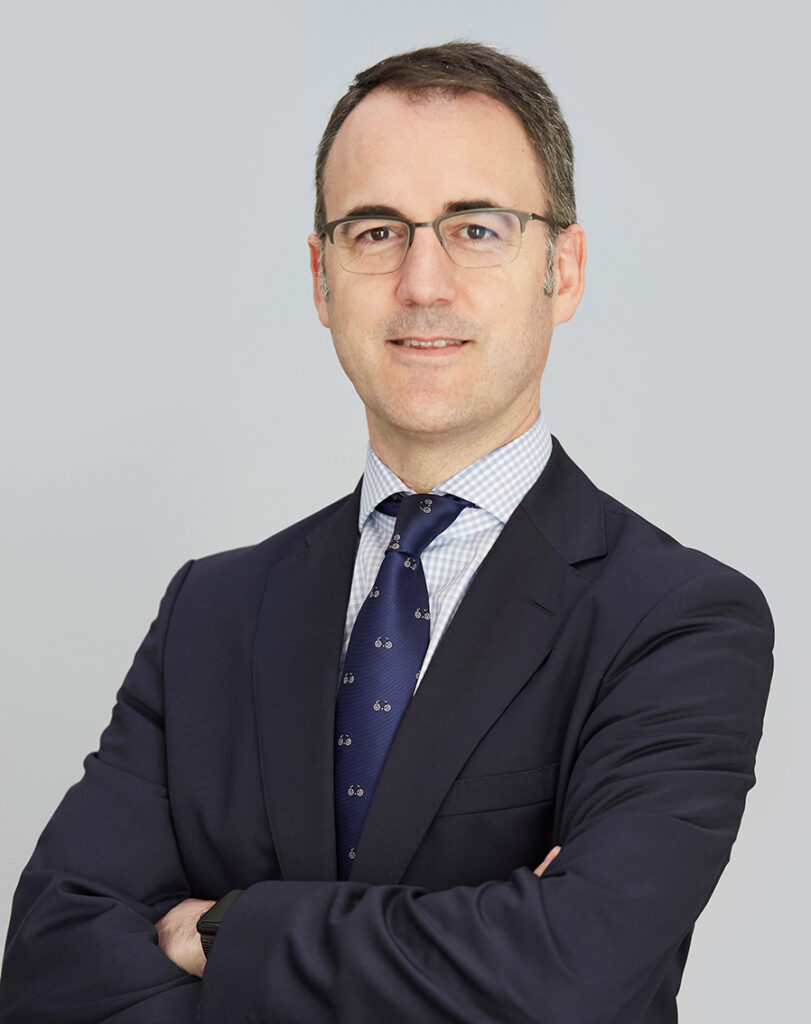
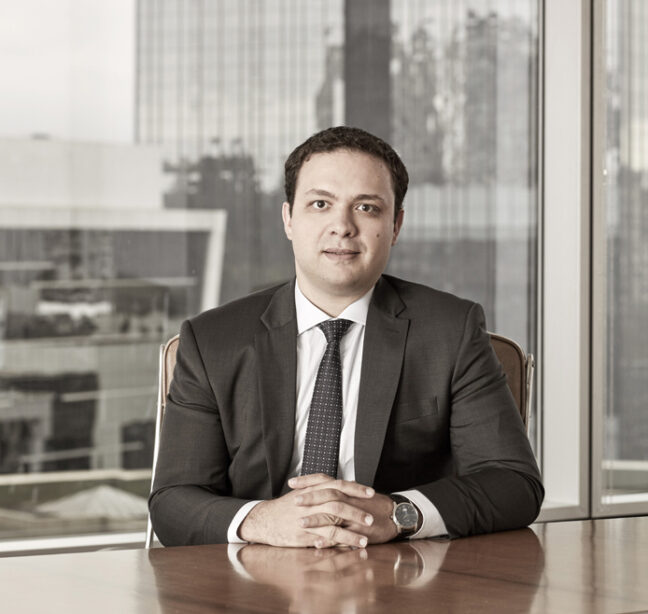
Roberto Pomares – King & Wood Mallesons
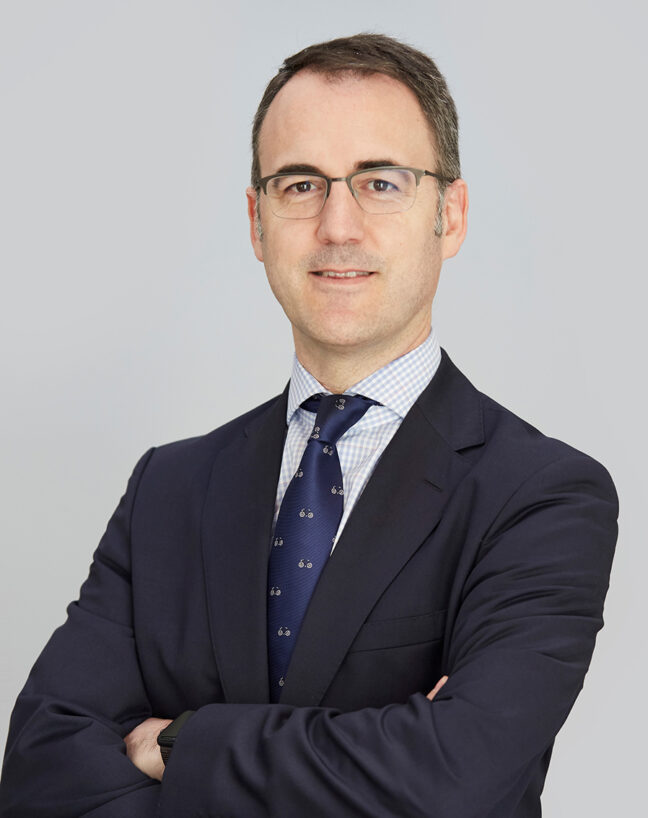
Roberto Pomares, partner and head of Corporate / M&A at King & Wood Mallesons in Spain, specialises in national and cross-border transactions. He advises on all types of corporate deals such as acquisitions, disposals, private equity investments and divestments, transactions in secondary markets (takeovers and IPOs) and corporate restructurings. Roberto is one of the most remarkable M&A lawyers in Spain and he is consistently involved in some of the major transactions. He has strong reputation in the energy and private equity sectors. Some of the companies he has advised include, among other, EDP Energías de Portugal, EDP Renováveis, DWS, First Sentier Investors, Galp, Finerge, Glendower Capital, Hayfin Capital, Capza and Alantra.
TTR: King & Wood Mallesons was one of the leading advisors on renewable energy deals in Spain in 2020. What are the most significant drivers for consolidation of this sector in the mid- and long-term?
R.P.: It is ultimately thanks to our clients and the trust that they place in us that we have been able to participate in some of the most significant transactions completed this year, including EDP’s acquisition of Viesgo (including its renewables business), Galp’s purchase of Zero-E/Cobra’s renewable assets, sale by EDP Renováveis of a portfolio of assets to Finerge, and the joint venture between EDP Renováveis and Engie to create Ocean Winds, their joint platform for investing in offshore wind energy worldwide.
In my view, the main drivers contributing to the consolidation of this sector are the extensive experience of the renewable sector operators in the Iberian market which has made them true global leaders, the abundant market opportunities available and, last but not least, the perceived mid- and long-term stability of the current regulatory framework. All of the above in addition to the global trend towards sustainable development, which has driven an increasing number of institutions from a wide array of sectors and profiles to show an interest in investing in the renewables sector. By way of example, we recently advised MAPFRE on its joint venture with Iberdrola for the development and operation of wind and solar projects.
In light of all the above factors, the Spanish energy sector, and renewables in particular, demonstrated its maturity throughout 2020 and the first quarter of 2021, as the effects on this sector of the economic crisis resulting from the COVID pandemic were minimal. In fact, activity relating to energy sector transactions in 2020 was notably higher than in previous years.
This trend remains steady and has even trended upward in 2021, with a particularly active renewables sector. In fact, several very significant processes are already underway and are expected to conclude in 2021, and the Spanish Government is expected to hold new capacity auctions in the coming months, thus further stimulating the market.
Another driver in this industry has undoubtedly been the institutional support provided by both the European Commission and European governments as regards ecological transition as one of the pillars for the post-pandemic economic recovery. Various mechanisms to support the sector are being put in place that, among other objectives, are aimed at attracting investors to the market.
TTR: What would be another two sectors that could offer the greatest opportunities in Spain for international investors in 2021 and why?
R.P.: In general, as was the case with the previous economic crisis, the venture capital/private equity sector should play a significant role in Spain’s recovery, as it currently has abundant liquidity to support the industrial fabric of mid-sized companies in Spain, which is where this sector has historically focused most of its investments.
This investor profile is paying particular attention to emerging opportunities in the health, technology, food and education sectors. In fact, during 2020 and the first quarter of 2021, we advised several Spanish and European investors on investments in these sectors.
There are, in my view, several reasons that would justify focusing on these sectors, among which I would highlight: the opportunity to consolidate several small- and mid-sized operators; the fact that these sectors are not likely to be affected by situations such as the one we just experienced, as they address essential needs; and the expectation that some of these sectors will see significant growth in the post-crisis era, in particular technology, which has proven to be key in allowing the economy to continue operating remotely across many business sectors – it is clear that technology use across all populations increased exponentially during the pandemic. In this same vein, the education sector – including both in-person and, to an even greater extent, online education – is expected to grow significantly in the coming years.
Finally, we must not forget about those industrial sectors that are linked to sustainability and which will undoubtedly continue to play an inevitable leading role in the coming years.
TTR: What role do you expect foreign technology companies to play in M&A transactions in Spain in 2021?
R.P.: Although we cannot completely rule out the possibility that a foreign technology company may carry out a large transaction, the reality is that, to date, this type of movement has been very rare, possibly because the Spanish technology sector is highly fragmented, with the number of large operators being able to be counted on the fingers
of one hand. For this reason, the technology market has traditionally been revitalized through support granted by venture capital funds to mid-sized companies.
In fact, the most recent transactions in the technology sector in Spain were led by Spanish or foreign investment funds. For example, Providence/PSG made several investments in recent months, including investments in MásMovil, Signaturit, Ivnosys and Nalanda.
TTR: What was the situation regarding corporate restructurings in Spain in 2020 and what are the prospects for 2021?
R.P.: I believe that the regulatory measures approved as a result of the COVID crisis, and in particular the furlough schemes (ERTEs), public (ICO) loans and the moratorium on bankruptcy applications had a certain relaxing effect during 2020, which is why corporate restructuring transactions have not yet seen a significant increase. Likewise, and despite the hopes linked to the vaccination processes, lingering uncertainties surrounding the final impacts of the pandemic have caused companies to delay the implementation of restructuring plans.
However, it is clear that the crisis has had a concerning effect on the financial position of many companies which, in the coming months, will undoubtedly drive very significant increases in restructuring transactions, business consolidations and spin-off of non-core activities. This trend is projected to grow through 2021 and particularly in 2022.
TTR: What will be the main challenges for King & Wood Mallesons in terms of M&A transactions in Spain in 2021?
R.P.: The great challenge that both our firm and other law firms will have to face is the need to adapt to continuously changing circumstances and economic uncertainty. The current reality will force us to be able to foresee what until now was completely unforeseeable and to adjust the way we plan transactions; in short, we need to be more creative. As the English expression goes, we have to “think outside the box”, while still maintaining great strength from a technical point of view. Every day our clients will become more demanding regarding the outcome of our work and will expect more from us. Transactional lawyers can no longer limit their services to drafting technically accurate or even perfect legal agreements. On the other hand, we can expect a significant competition driven both by clients and by the firms themselves.
Likewise, an international profile will be very important as transactions become more and more international and as the origins of operators active in the Spanish transactional market become more and more varied. This situation also requires a high degree of adaptability and the need for a strong international support network.
King & Wood Mallesons is confident in our ability to face these challenges, as we consider the pursuit of quality and adaptability to be one of our hallmarks. In fact, throughout 2020, our teams showed an extraordinary ability to adapt to a new environment and a new way of carrying out our activity remotely, showcasing their ability to negotiate, sign and close deals of great depth and complexity remotely, all with a very high degree of client satisfaction.
Spanish version
Roberto Pomares – King & Wood Mallesons
Roberto Pomares, socio y director del equipo de Corporate / M&A de King & Wood Mallesons en España, está especializado en transacciones corporativas de ámbito nacional e internacional. Abogado con más de 20 años de experiencia, Roberto ha asesorado en todo tipo de operaciones tales como adquisiciones de M&A, inversiones y desinversiones de capital riesgo, transacciones en mercados secundarios (OPAs y OPVs) y reestructuraciones societarias. Cuenta con una amplia experiencia en los sectores de energía, infraestructuras y capital riesgo. Entre las compañías a las que ha asesorado se encuentran EDP Energías de Portugal, EDP Renováveis, DWS, First Sentier Investors, Galp, Finerge, Glendower Capital, Hayfin Capital, Capza y Alantra.
TTR: King & Wood Mallesons ha sido uno de los principales asesores líderes en operaciones de energías renovables en España en 2020, ¿Cuáles serán los drivers más relevantes para la consolidación de este sector en el mediano y largo plazo?
R.P.: Efectivamente, gracias a la confianza de nuestros clientes hemos tenido la oportunidad de participar en algunas de las principales transacciones del año, como la compra por parte de EDP de Viesgo, incluyendo su negocio de renovables, la compra por Galp de activos renovables de Zero-E/Cobra, la venta por parte de EDP Renováveis de una cartera de activos a Finerge o la joint venture entre EDP Renováveis y Engie para crear Ocean Winds, su plataforma conjunta para invertir en eólico marino a nivel mundial.
Desde mi punto de vista los principales drivers que están contribuyendo a la consolidación de este sector son la amplia experiencia de los operadores en el sector de las renovables en el mercado ibérico, lo que les hace ser considerados como referentes a nivel mundial, la existencia de un amplio número de oportunidades en el mercado y, por último pero no menos importante, la percepción de estabilidad a medio y largo plazo del marco regulatorio existente. Todo ello, sin olvidar la tendencia global hacía el desarrollo sostenible que hace que cada vez más entidades de diversos sectores y perfiles estén mostrando su interés en invertir en el sector de las renovables. A modo de ejemplo, recientemente hemos tenido la oportunidad de asesorar a MAPFRE en su joint venture con Iberdrola para el desarrollo y explotación de proyectos eólicos y fotovoltaicos.
Como consecuencia de todos esos factores, durante el año 2020 y el primer trimestre de 2021 el sector de la energía en España, y las renovables en particular, ha demostrado su madurez, apenas viéndose afectado por la crisis económica derivada de la pandemia del COVID. De hecho, la actividad en operaciones en el sector energético durante 2020 fue claramente superior a la de años anteriores.
Esta dinámica se está manteniendo, o incluso incrementando, durante 2021, donde el sector de las renovables está especialmente activo. De hecho, hay ya varios procesos de gran relevancia en marcha que se espera concluyan durante el 2021, así como la expectativa de que el Gobierno celebre nuevas subastas de capacidad a lo largo de los próximos meses, lo cual animará más el mercado.
Otro de los motores de la industria está siendo sin duda el respaldo institucional, tanto de la Comisión Europea como de los gobiernos europeos, a la transición ecológica como uno de los puntales para la recuperación económica tras la pandemia. Se están poniendo en marcha distintos mecanismos de apoyo al sector que tienen como objetivo, entre otros, atraer inversores al mercado.
TTR: ¿Cuáles serían otros dos sectores que podrían ofrecer las mayores oportunidades en España a los inversores internacionales en 2021 y por qué?
R.P.: En general el sector del capital riesgo, al igual que pasó en la anterior crisis económica, debería tener un importante protagonismo en la recuperación del país, ya que en estos momentos cuenta con abundante liquidez para apoyar el tejido industrial de medianas empresas en España, que es donde han venido centrando históricamente la mayoría de sus inversiones.
Este perfil de inversores está mirando con especial atención a las oportunidades que están surgiendo en los sectores de la salud, tecnología, alimentación y educación. De hecho, durante 2020 y el primer trimestre de 2021 hemos tenido la oportunidad de asesorar a diversos inversores españoles y europeos en inversiones en estos sectores.
Existen, a mi modo de ver, diversos motivos que justifican la atención sobre estos sectores, entre los cuales destacaría: la existencia de oportunidades de consolidación de diversos operadores de pequeño y mediano tamaño; el ser sectores que no debieran verse afectados por situaciones como la que hemos vivido, dado que son necesidades esenciales; y la expectativa de que algunos de ellos crezcan de forma relevante en la era postcrisis, en particular la tecnología, que ha demostrado ser clave para permitir que la economía siguiese operando de una forma no presencial en muchos sectores de actividad, siendo evidente que durante la pandemia el uso de la tecnología por parte de todos se ha incrementado de forma exponencial. En esta misma línea, el sector de la educación, tanto presencial como, sobre todo, on-line, se espera que incremente su actividad de forma importante en los próximos años.
Por último, no debemos olvidar todos los sectores industriales vinculados a la sostenibilidad, los cuales, sin duda, seguirán teniendo un ineludible papel protagonista en los próximos años.
TTR: ¿Qué papel espera que desempeñen las empresas extranjeras de tecnología en las fusiones y adquisiciones en España en 2021?
R.P.: Si bien no es descartable que llegue a producirse alguna gran operación por parte de un operador extranjero de tecnología, la realidad es que hasta la fecha este tipo de movimientos han sido muy escasos, posiblemente porque el sector de las empresas tecnológicas españolas está muy atomizado y los operadores con cierto tamaño se cuentan con los dedos de una mano. Por ello, la dinamización del mercado tecnológico ha venido produciéndose tradicionalmente con el apoyo de fondos de capital riesgo a empresas de tamaño mediano.
De hecho, las últimas operaciones que se han producido en el sector tecnológico en España han sido protagonizadas por fondos de inversión españoles o extranjeros. Sirva de ejemplo las diversas inversiones realizadas por Providence/PSG en los últimos meses que incluyen sus inversiones en MásMovil, Signaturit, Ivnosys y Nalanda.
TTR: En cuanto a reestructuraciones societarias, ¿cuál fue la situación en 2020 y cuáles son las perspectivas para 2021 en España?
R.P.: Considero que las medidas regulatorias aprobadas con motivo de la crisis del COVID y en particular los ERTEs, los créditos ICO y la moratoria para la solicitud de concurso de acreedores han tenido un cierto efecto anestésico durante el año 2020, motivo por el cual todavía no se ha producido un incremento relevante de las operaciones de reestructuración societaria. Asimismo, y a pesar de la esperanza generada por los procesos de vacunación, las incertidumbres todavía existentes sobre los impactos finales de la pandemia hacen que las empresas estén demorando la implementación de planes de restructuración.
Sin embargo, es evidente que el impacto de la crisis está afectando de forma preocupante a la situación financiera de muchas empresas, lo que, sin duda, generará en los próximos meses un incremento muy relevante de las operaciones de restructuración, consolidación empresarial y segregación de actividades no esenciales. Previsiblemente, esta tendencia se va a intensificar a lo largo de este 2021 y sobre todo en 2022.
TTR: ¿Cuáles serán los principales desafíos en términos de transacciones de M&A en España durante 2021 para King & Wood Mallesons?
R.P.: El gran desafío al que se va a tener que enfrentar tanto nuestro despacho como el resto de firmas legales es la necesidad de adaptarnos a una realidad continuamente cambiante, así como a la incertidumbre económica a la que nos enfrentamos. La realidad actual nos exigirá que seamos capaces de prever lo que hasta ahora era algo imprevisto y modificar nuestra forma de plantear las transacciones; en resumen, debemos ser más creativos. Como dicen los anglosajones, tenemos que pensar outside the box, pero asimismo debemos mantener una gran solidez desde el punto de vista técnico. Cada día nuestros clientes serán más exigentes con el resultado de nuestro trabajo y esperarán más de nosotros. Un abogado transaccional ya no puede limitarse a redactar contratos técnicamente correctos, ni siquiera perfectos. Por otro lado, es previsible una gran presión competitiva generada tanto por los clientes y como por los propios despachos.
Asimismo, será muy relevante el perfil internacional, cada día las transacciones son más internacionales y los orígenes de los operadores que están activos en el marcado transaccional español también son más variados. Esta circunstancia también exige un alto grado de capacidad de adaptación y la necesidad de contar con una red sólida de apoyo a nivel internacional.
Desde King & Wood Mallesons afrontamos estos retos con confianza, dado que consideramos que esa autoexigencia y capacidad de adaptación ha venido siendo una de nuestras señas de identidad, de hecho durante 2020 nuestros equipos han mostrado una extraordinaria capacidad de adaptación a un nuevo entorno y una nueva forma de desarrollar nuestra actividad de manera no presencial, habiendo sido capaces de negociar, firmar y cerrar operaciones de gran calado y complejidad de forma no presencial, con un altísimo grado de satisfacción para nuestros clientes.