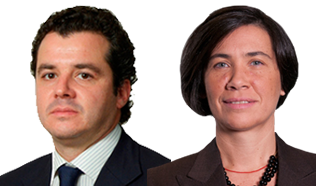
TTR Dealmaker Q&A with Garrigues Portugal Partners Susana Pimenta de Sousa and Mário Lino Dias
Garrigues Portugal Partners Susana Pimenta de Sousa and Mário Lino Dias spoke to TTR about what to expect from the Portuguese M&A and Private Equity markets in 2019 and the acquisition of Frutorra by Grefusa, chosen as Deal of the 4Q by TTR.
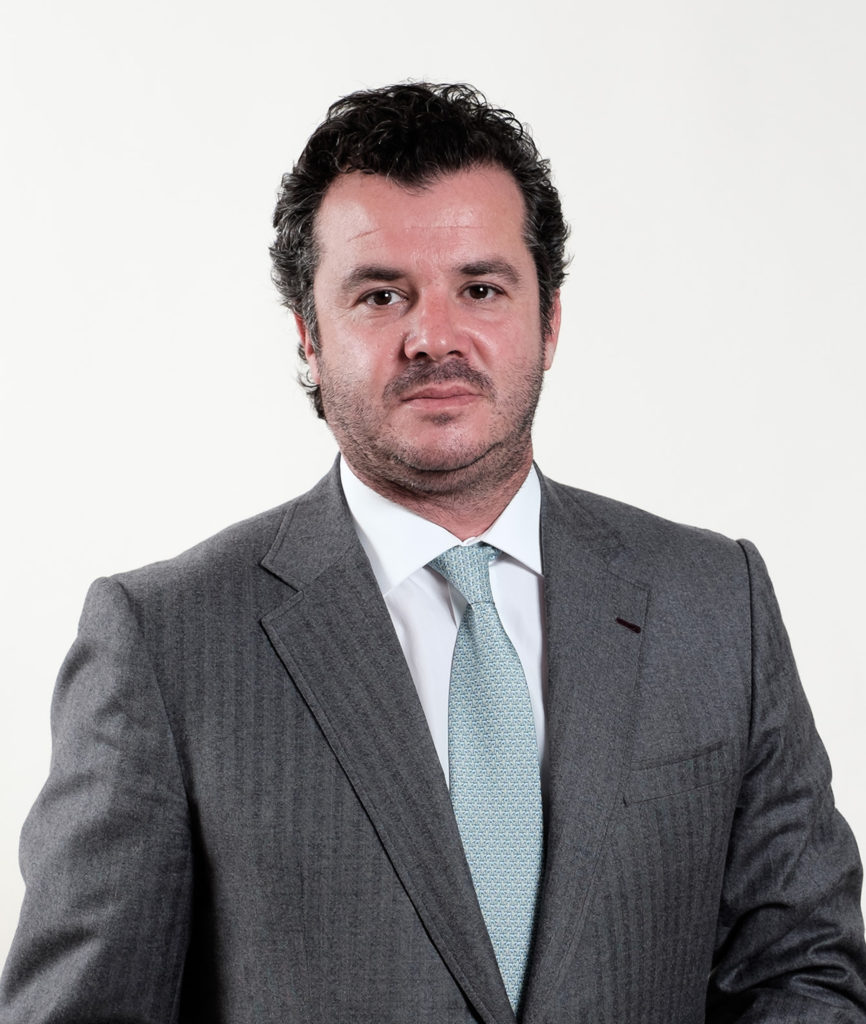
Mário Lino Dias
Susana Pimenta de Sousa
How would you assess the performance
of the M&A market in Portugal in the first two months of 2019? Is there any
scenario or trend that we should be aware for 2019?
The M&A market in Portugal in the first months of 2019 is in line
with last year’s performance, although after a cool down period in the European
transactions’ market in the second semester of 2018 it is advisable to assume
that this “cooling” environment may probably hit the Portuguese market during
the course of this year. In any case, it is always difficult to predict what
will be its exact impact or if it is due to the relative uncertain environment that
Europe is living nowadays.
What are the biggest constraints to
M&A operations in Portugal today and how does it impact on the
attractiveness of companies looking for investment, especially in regulated
sectors such as financial, health and infrastructure concessions?
The recurrent main constraints are tax stability, predictability on
timings and approvals from public authorities (particularly regulatory ones,
when applicable) and uncertainties on future performance of Portuguese markets.
In particular on healthcare where we may see some specific interests in
Portugal coming from the other side of the Atlantic, the timing for reaction
and approvals from the regulatory authority may be crucial to allow an
effective investment, but if not expeditious investors will give up and look
into other markets in Europe.
Regarding the performance of the
Private Equity funds in Portugal, how does the Portuguese legislation figure in
the face of international models and practices, in a scenario where most of the
deals are not large enough to attract the major international Private Equity
houses who have minimum tickets of much greater value?
The legal or regulatory framework tend not to be a blockage on the
investment in Portugal. The funds have structures set up on different jurisdictions
and the assessment made at the Portuguese level is mainly centered on the
target legal and economic environment. In our experience the issue raised by
the size of the transactions that brings Portugal out of the radar due to minimum
ticket levels is balanced by the attractiveness of a less competitive
transactional market (with still one to one negotiation available and less competitive
bids), price with multiples still below other Southern European countries and
ability to find well-managed companies with leading position on specific
sectors.
When it comes to foreign investments
made in Portuguese companies, Spain remains the country’s biggest investor,
especially in the Real Estate and Health sectors. What are the current market conditions
that help explain this preference and will it last?
Portugal is almost a natural choice for Spanish investors, as they
normally think about building an Iberian strategy for positioning their
companies and groups. The geographical proximity is also a factor for the
choice, as it will involve fewer resources rather than an investment in other
or culturally different jurisdictions. The Spanish economy is still performing
very well and the perspectives are good for 2019, although some political
uncertainties, so the preference for Portugal will last for sure!
In November 2018, the Spain-based nuts and cereal snacks producer Grefusa acquired 70% of the Portuguese Frutorra from the Fernandes Pimenta family, chosen as Deal of the 4Q by TTR. How did Garrigues land this mandate and what would you highlight in terms of importance and complexity in this deal?
Garrigues has landed the mandate due to the long-standing relationship
with Grefusa as client for many years, particularly through our offices in
Valencia. Frutorra has a leading position in the dry fruits market in Portugal.
Therefore, its acquisition by Grefusa was important not only because it marked
the entrance of Grefusa into the Portuguese market but also as an essential
factor to meet their growth plans and to reinforce their position in the dry
fruits sector. The complexity of the deal was mainly related to the fact that
Grefusa was not acquiring 100% of the share capital, and therefore the parties
needing to agree on the future terms of their relationship subject to a very
short timeframe.
DealMaker Q&A
Posted on
TTR DealMaker Q&A with TozziniFreire Partner Francisco Eumene Machado de Oliveira Neto
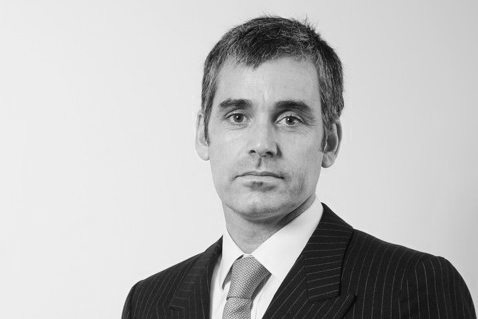
TozziniFreire Partner Francisco Eumene Machado de Oliveira Neto advises companies and investors, both domestic and foreign, having broad experience with publicly-held organizations and financial institutions. His practice is focused on corporate, civil and commercial legal matters, such as banking and capital markets transactions, private equity deals, purchase and sale of companies and corporate restructuring.
Francisco Eumene Machado de Oliveira Neto
TTR: Though Private Equity deals took center stage in Brazil in 2018, outpacing aggregate value and deal volume of the previous four years, 2019 has not been great so far for PE investment, falling behind activity for corresponding periods in 2017 and 2018. What market conditions explain this scenario? What can we expect for the remainder of 2019?
After many years
governed by the same political party, a new president – from an opposing party
– was elected. After the initial excitement, the market is waiting to see the
ability and power of the new president to implement the changes the country
needs. The lack of visibility on the outcome of the main reforms is probably
helping the market to hold off new investments and reducing the number of
deals. Depending on the political developments, we can expect equity, debt and
private equity deals to increase substantially for the remaining of the year.
TTR: What’s your
outlook for the Brazilian Capital Market in 2019?
The outlook for 2019 is
positive. Despite the cautiousness of the market at this point, the approval of
the social security reform and the implementation of privatizations and sale of
certain governmental assets in the following months will likely boost the
capital market this year and for the years to come.
TTR: Technology and
Financial sectors led M&A transactions in Brazil in 2018 and are already at
the forefront in 2019. What do you make of these trends and how do you expect
these two sectors to perform in the coming months and why?
Technology sector has
led and will lead the number of M&A transactions for the near future.
Traditional companies are continuously investing in new technologies and
adapting its business model to this new reality and new ones are already being
created heavily supported by technology, which makes an excellent scenario for
M&A transactions.
The financial sector
has seen some large transactions in the past years and smaller ones mostly
related to fintechs. The fintechs are opening the market to a
larger number of investors by creating a new environment for doing business.
The Brazilian Central Bank also took part and enacted a new law to regulate
some of these new companies. It is expected that many of these fintechs will continue their growth by
raising more capital, developing new products and acquiring smaller ones. The
large banks are also very close to these developments and are likely to play an
important role on this market.
TTR: Santander Brasil recently completed the acquisition of card processor Getnet after buying the 11.5% stake in the company it didn’t already own for BRL 1.4 bn. What does this deal tell us about the Brazilian financial market and the level of competition in the card processing segment?
Santander’s acquisition
consolidated the full control over Getnet. It was part of a process initiated
in 2014. The card processing segment has shown its importance and the
competition is fierce. More recently, companies not related to financial
institutions have entered the market with successful equity offerings carried
out outside of Brazil.
TTR: What were the main
challenges you faced advising on this transaction?
Even though the exit of
the former controlling shareholders was established since Santander’s first
acquisition, the confidentiality of the transaction was crucial during the
negotiations of the remaining pending issues.
TTR – ¿Cómo definiría usted la actividad del mercado de M&A español una vez finalizado el año? ¿Cuáles considera que son los principales factores explicativos de los resultados obtenidos?
Creo que no digo nada que no se haya dicho al señalar que ha sido un año estupendo. Los motivos son conocidos por todos: fondos disponibles en los industriales y los inversores, disponibilidad de deuda a precios razonables y apetito inversor. A pesar de haber existido incertidumbres macro-políticas y económicas los factores antes mencionados han marcado el nivel de operaciones de M&A. por otro lado el tejido industrial español ha dado muestras de fortaleza y haber hecho las cosas bien después de la crisis, creo que el país ha sabido vender confianza.
TTR – Según los datos de TTR, de las 2.454 operaciones registradas en España durante el año 2018, 1.336 son domésticas, con un importe agregado de EUR 8.799m, y 1.118 son crossborder, con un importe agregado de EUR 107.113m. Estos datos pueden entenderse como una fortaleza, en la medida en que pueden verse como un indicador de la elevada interacción internacional de las empresas españolas, o como una debilidad, en la medida en que los datos del mercado doméstico podrían considerarse no demasiado elevados. ¿Cuál es su opinión?
Es un dato natural y no sorprendente. Somos una economía fuerte pero no enorme y nuestras empresas están ahora mucho más internacionalizadas que antes. Es difícil ver operaciones inlcuso de “mid-market” sin componente internacional; esto es bueno. Somos un país receptor de inversión y esto también es bueno.
TTR – Como experto en el segmento Private Equity, ¿considera usted que las cifras registradas en 2018 son positivas? ¿Por qué?
Lo son, indudablemente. La competencia por buenos activos es feroz, la subasta en operaciones incluso de tamaño moderado es la norma y se ven pocas operaciones bilaterales salvo que tengas ángulos especiales. El sector está sano, hemos vivido épocas malas y todos somos más precavidos pero por ese mismo motivo creo que estamos mejor preparados para un cambio de ciclo.
TTR – Varias firmas de Private Equity internacionales de renombre han redoblado su apuesta en 2018 por el sector inmobiliario español, como es el caso de Blackstone, Cerberus, Lone Star, etc… ¿Qué condiciones se dan en el sector para que sea tan demandado por este tipo de entidades internacionales? ¿Por qué las firmas de private equity españolas parecen tener un menor interés en el real estate español?
Los fondos que mencionas han estado muy ligados al sector inmobiliario desde hace años con las operaciones de recompra de carteras a los bancos, lo conocen y han creado equipos expertos en ese ámbito. Tras la crisis queda mucho ladrillo que sacar de los balances de los bancos y ellos son los que más experiencia tienen en hacerlo y considerar su rentabilidad. Creo que los fondos nacionales son más puro capital riesgo y tienen la ambición de invertir en sectores industriales. Tampoco hay muchos fondos nacionales interesados en infraestructuras. Los fondos nacionales tienen otras pretensiones en retornos y equipos preparados para otro tipo de activos; no es su estrategia de inversión real estate salvo las empresas (ya incluso cotizadas) que operan en el sector.
TTR – ¿Qué otros sectores diría usted que se perciben como los de mayor potencial por players nacionales e internacionales del segmento Private Equity?
En España las operaciones grandes seguirán girando en torno a energía e infraestructuras ya que son gran parte de las grandes compañías que hay en España. Pharma, real estate, salud… todos esos sectores son muy atractivos en estos momentos.
TTR – ¿Cómo prevé que se desarrolle el año 2019 en términos de M&A y Private Equity en España?
Creo que será parecido a 2018 y está empezando muy fuerte. Los mercados de capitales están bastante parados y eso hará que una potencial desaceleración natural en private M&A se copense con la necesidad de invertir. Tengo más dudas para 2020.
DealMaker Q&A
Posted on
TTR DealMaker Q&A with Pérez Alati Grondona Benites & Arntsen Partner Eugenio Aramburu
Deal Summary:
On 2 November, PeCom Servicios Energía, a subsidiary of Argentine conglomerate Pérez Companc Family Group, closed the acquisition of pump and petrochemicals manufacturer Bolland y Cia. for ARS 1.5bn (USD 126.3m). The transaction was selected by TTR as Deal of the Quarter in Argentina for 4Q18. The deal follows the USD 98m acquisition of PeCom Servicios Energía in 2015 by the family-owned holding, marking the group’s reentry into the oil and gas business and the subsequent acquisition of Tel3 closed in August. The group had previously exited its energy holdings with the USD 1.1bn sale of Petrolera Pérez Companc to Petrobras in 2002.
EA: We’ve been working with the Pérez Companc
Family Group for a little more than a year-and-a-half. They knew of us through
a few other deals, including the sale of the family oil business to Petrobras
in 2002, when we represented the buyer. We also represented BRF when it bought
a number of brands from the family’s food business, Molinos Río de la Plata, in
2015. They had a chance to interact with us at the time and selected us because
we were one of the bigger firms in Argentina providing comprehensive legal
services and they liked how we worked.
TTR:
How did this deal come about?
EA: Pecom approached Bolland. Some
shareholders wanted to sell, some did not. Some were older and some had taken
equity in a recent management buy-out.
TTR:
Why was Pecom interested in expanding its holdings in Argentina’s oil and gas
industry?
EA: The Pérez Companc Family Group is
confident that the oil and gas industry is going to expand and they wanted to
expand into services they did not already offer to become a full-service
provider to the industry. Through this deal they can now offer integrated
solutions to all the operators throughout the oil and gas industry.
TTR:
Why was it a good time to invest full heartedly in this industry?
EA: Notwithstanding the international price
of oil, there is an absolute necessity from the standpoint of the Argentine
government to develop the Vaca Muerta reserves as it is one of the biggest
reserves of shale gas in the world. While development of these assets may be
slower because of international energy prices, Argentina is going to provide
incentives to develop this industry regardless. Argentina is currently
importing gas, from Venezuela and elsewhere, which will become unnecessary once
these reserves enter production. All these reasons motivated Pecom to have a bigger
presence in the gas industry.
TTR:
How did recent political and economic reforms in Argentina set the stage for
this deal?
EA: During the Kirchner administration you
would never have seen a transaction like this. The government had intervened in
oil and gas prices and investments in the industry were basically zero. These investments
that require a long term for amortization need a stable environment. When Macri
came to power, the situation changed drastically. The government set out to
stimulate investments in the energy market, which is where there have been more
transactions. This transaction couldn’t have happened before. This is a bet on
the part of the Perez Companc Group demonstrating confidence in the Argentine
government and the industry.
TTR:
What made this transaction challenging?
EA: Bolland had a lot of individual shareholders
and they didn’t all have the same interest in the sale, so it demanded a lot of
negotiations aligning all their different interests. Secondly, it was a very significant
deal for Pecom because it implied doubling the size of the company. Thirdly,
the regional nature of the deal, with Bolland having operating companies not
only in Argentina, but in Brazil, Bolivia and Colombia, made it quite complex.
The transaction took a lot of time, especially because we had to coordinate due
diligence throughout these different countries. Also, the target was run like a
family company, so we had to work a lot with the sellers to help them develop a
data room. Then, during the negotiations, Argentina devalued the peso, which
had a business impact on the target, so that had to be negotiated as well.
TTR:
How was the transaction financed and how long did it take to close?
EA: The Perez Companc Group has available
funds to finance the deal, so we did not have to negotiate any financing
agreement. It took 10 months between execution of the non-binding offer and
closing.
TTR:
Why was the target considered a good complement to Pecom’s existing operations?
EA: Bolland produced pumps for the oil and
gas industry, while Pecom didn’t have a pump business. They also had a
chemicals business, and that was also an area in which Pecom was not present.
It was a strategic acquisition that transformed Pecom into a full services
provider.
TTR:
What became of Bolland’s minority partner in the Colombian operating company?
EA: A Colombian businessman had a 30% stake
in the Colombian subsidiary. He’s a Colombian investor who saw an opportunity
to exit, so he tried to apply pressure for the sale of his stake, and Pecom
decided it was easier not to have a minority shareholder in Colombia. At the
time of closing we negotiated a term sheet for the acquisition of his stake and
that acquisition was negotiated and consummated after closing of the first
deal. It was not a substantial amount compared to the larger deal.
TTR:
How will Pecom leverage Bolland’s interntional presence?
EA: Increasing its operations across the
region is definitely an objective for Pecom now that it has become the biggest
local player in Argentina through this transaction. Bolland had operating
subsidiaries where Pecom didn’t have any presence at all and can now look at
how to increase their market participation in these markets with their full
portfolio of products and services.
TTR:
How hard will this acquisition be for Pecom to integrate?
EA: Integration will be a big challenge for
Pecom. It’s acquiring a target that’s almost as big as itself. Though Pecom is
a family-owned company, it was run more like an international company in terms
of corporate governance and labor standards. Bolland had almost 800 employees
that will need to adjust to new policies and a different compensation scheme.
From a real estate perspective, Pecom will have to move its headquarters to a
new building that is being constructed now because the entire staff couldn’t
all fit at the existing facility. IT systems will need to be integrated too,
which is also a challenge.
TTR:
What other deals do you see on the horizon for Pecom?
EA: We are now involved in one ongoing
transaction where the group is negotiating another important acquisition
related to the energy industry. I cannot offer more details on that as a binding
agreement has yet to be signed. Suffice it to say that they’re looking to
deepen their foothold in Argentina’s oil and gas industry and this is not the
last of their investments.
TTR:
How was the valuation arrived at and how pleased were the sellers?
EA: The sellers were satisfied with the
outcome. Despite the devaluation that happened in the midst of negotiations,
the purchase price, which was denominated in dollars, was not modified.
Some of the sellers considered their stake
in Bolland as a retirement plan to see dividends forever and many didn’t want to
assume liabilities and indemnifications with the sale. The fact that the price
was good helped appease the detractors.
TTR:
Which practice areas were critical to your firm’s work on the deal?
EA: In the diligence process we had lawyers
from all fields, including oil and gas and environmental because Bolland had a
chemicals business that produced products used to enhance the productivity of
wells. The real estate practice was also important because there were assets
located in border areas, which means you have apply for special permissions with
Argentina’s Ministry of the Interior owing to security issues. Labor law also come
into play because the target had unionized employees and commercial litigation attorneys
were also heavily involved.
TTR:
What makes this deal stand out among other transactions you’ve worked on?
EA: It’s not that common for an Argentine company
to acquire a regional target. The coordination required to perform due
diligence in four countries makes it stand out. Also, In Argentina, it’s not
that common to see such large transactions, though perhaps the sum is not that
material for an international transaction. Thirdly, from a business and
psychological aspect, it was a really keystone transaction for our client. The
client was really focused and needed to take care of every detail. For all
these reasons it was a very important transaction for us and it took a lot of
time. It was also really important for the client given that it resulted in the
biggest player in Argentina.
TTR:
What does this deal say about the level of confidence in Argentina?
EA: This transaction serves as a vote of
confidence, especially at a time when the Macri administration was having some
difficulties in the face of a recession and nervousness due to inflation, with
several investors, especially international investors, delaying their
investments. The first ones that take advantage of these opportunities are
local players, eager to take a chance. They’re here for the long run. Hopefully
international investors will follow.
DealMaker Q&A
Posted on
TTR DealMaker Q&A with Payet, Rey, Cauvi, Pérez Abogados Associate Alan García
Deal
Summary:
On 30 November 2018, Lima-based asset management firm Sigma SAFI acquired a 51% interest in the Parque Eólico Marcona and Parque Eólico Tres Hermanas from Grupo Cobra for USD 56m, consolidating its ownership of Peru’s largest wind farms with a combined installed capacity of 130MW between them. The wind farms were developed by Grupo Cobra, a Spain-based subsidiary of ACS, with financing provided by a consortium of institutions including Eximbank, KFW DEG, FMO, CAF, Proparco and Natixis.TTR DealMaker Q&A with Payet, Rey, Cauvi, Pérez Abogados Associate Alan García
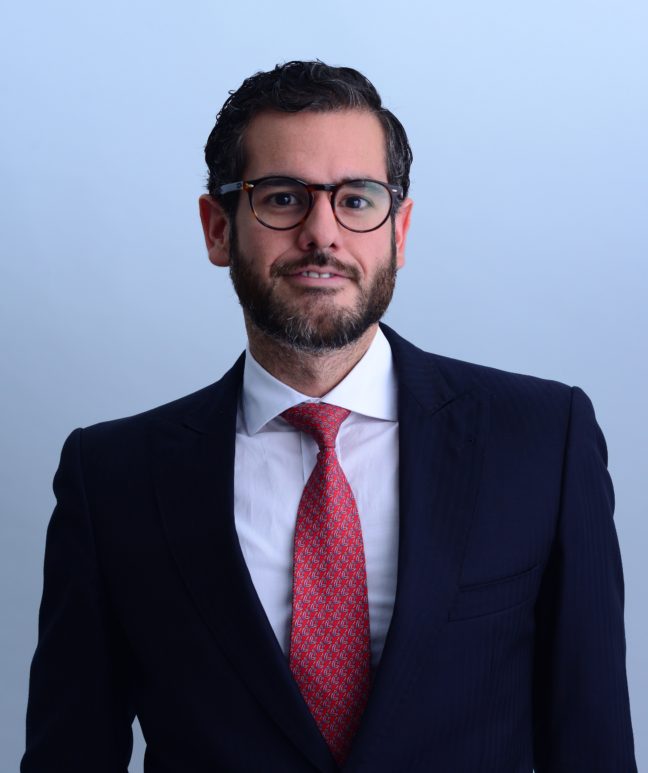
Alan García
Payet, Rey, Cauvi, Pérez Abogados Associate Alan García discusses details of a complex transaction that saw Sigma SAFI consolidate its ownership of Peru’s largest wind farm assets by paying off legacy creditors in the country’s first ever co-issuance.
TTR: How long have you been working with Sigma SAFI and how did you land this mandate?
AG:
We’ve had a relationship with Sigma SAFI that spans several years. We
represented the fund manager in 2015 and 2016 when it acquired its initial 49%
interest in the two wind farms when Grupo Cobra retained its 51% stake. A
couple of months ago we carried out a restructuring of the debt held by each
entity, and from there we executed the acquisition. It was logical that we
could be of value to the buyer given our understanding of the refinancing
arrangement, which was a precursor to the acquisition. There were eight
financial entities involved with mirrored contracts for Tres Hermanas and
Marcona, each with its own project finance with all the associated step-in
rights.
TTR: What made this
transaction so complicated?
AG:
The deal was complex because it required prepaying debt held by international
development banks and simultaneously carrying out a private placement, all on
the heels of a refinancing. Each project company had to be handled
independently with their respective assets and concession agreements used as
guarantees to the creditors. The complexities of the deal relate to its
structure of guarantees that couldn’t be shared between entities and the
symmetrical contracts that were drafted under New York and Peruvian Laws. The
sequence of execution of the various contracts required to carry out the deal within
a short period given to eliminate prior liens made the transaction especially
challenging.
TTR: What makes this
deal unique?
AG:
This was the first co-issuance of notes by Peruvian issuers in Peru’s history. Being
a replacement of debt and guarantees, basically with one project finance
substituted by another, makes this deal stand out, especially given that
between them the two wind farms represent 60% of the wind power capacity in
Peru.
TTR: Which practice
areas were involved?
AG:
We had two teams working simultaneously, one dedicated to the acquisition and
the other to the refinancing. Both teams were led by Finance and Capital
Markets Partner Eduardo Vega and me, with parallel negotiations. We had corporate,
tax, regulatory and energy specialists in each with a total of eight attorneys.
Subscribe to our free newsletter:
This website uses cookies. By continuing to browse the site, you are agreeing to our use of cookies