Dealmaker Q&A

Content available in English and Spanish (scroll down)

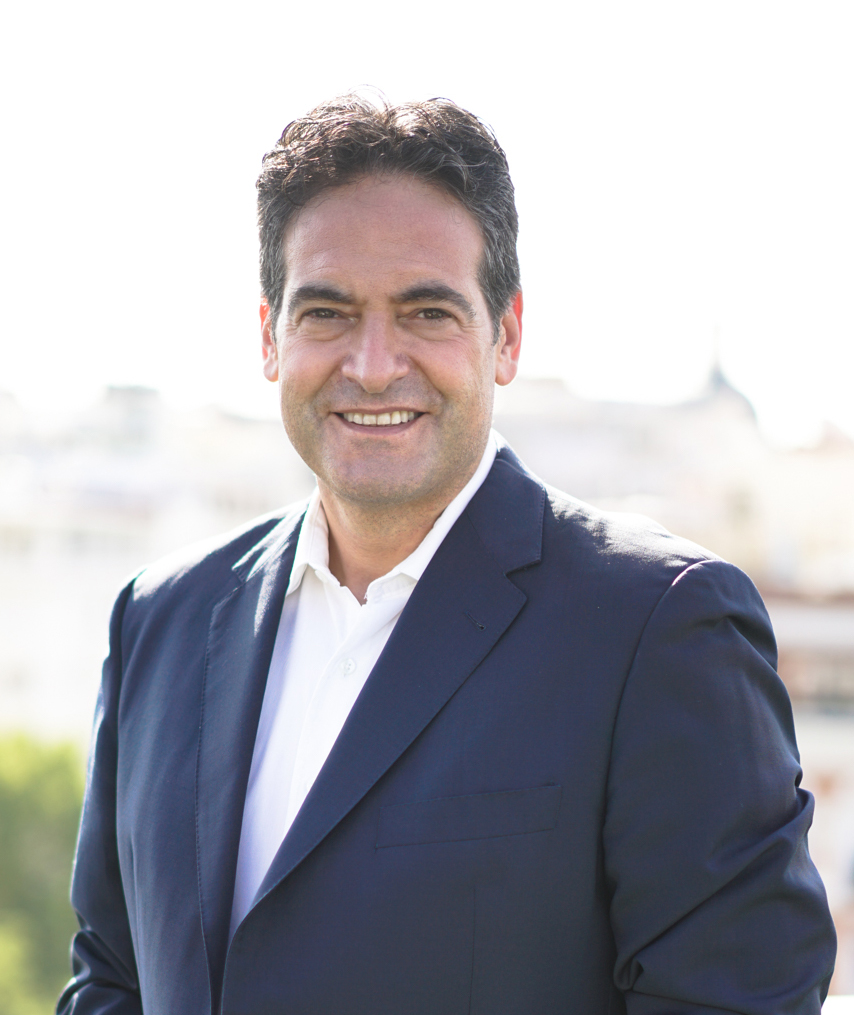
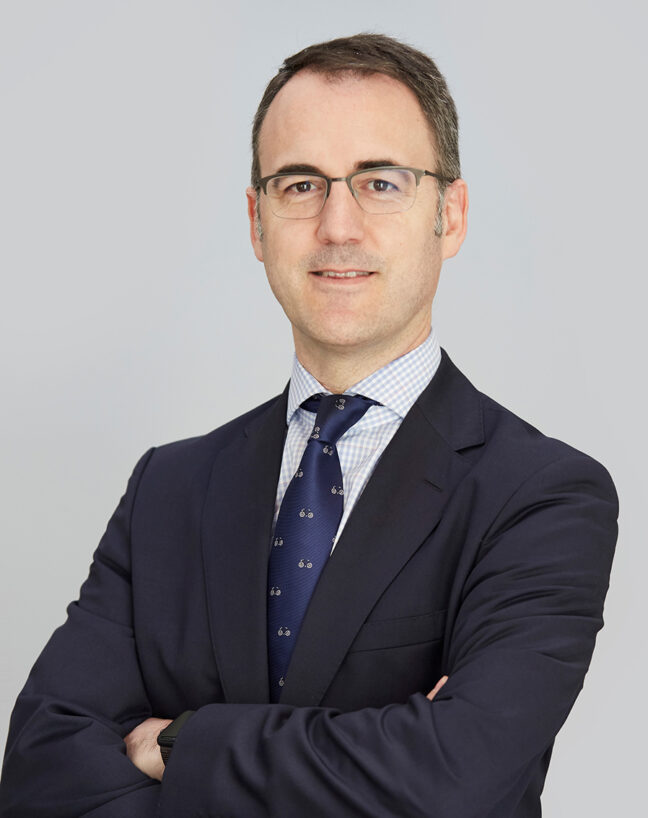
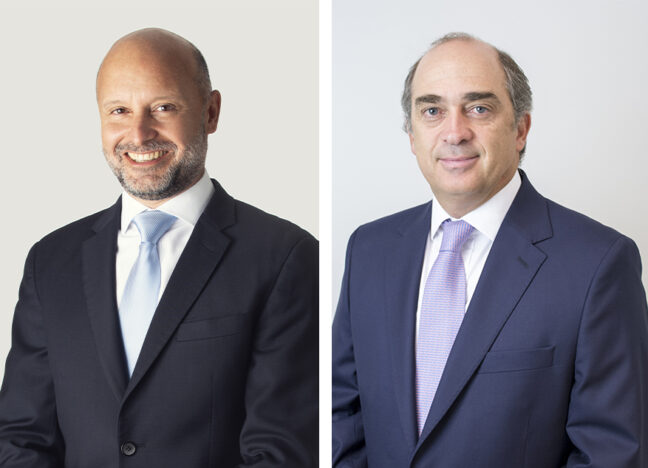
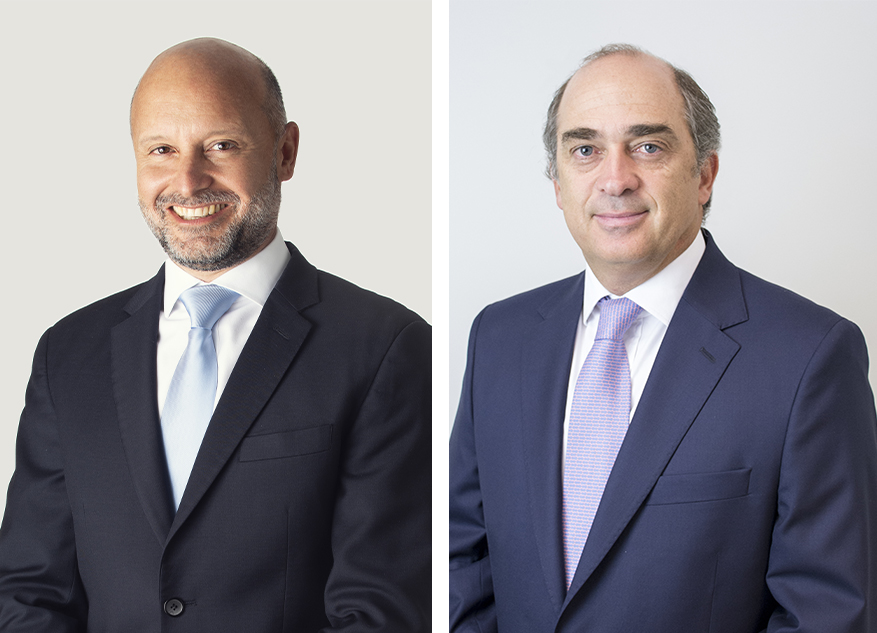
TTR DealMaker Q&A with Hernández & Cía. Abogados Partners Enrique Cavero y Diego Carrión

Hernández & Cía. Abogados – Partners

Enrique Cavero – Enrique Cavero specializes in Information Law, Intellectual Property, Copyrights, Entertainment & Media, Data Privacy, Competition & Antitrust and Telecoms. 
He graduated from the Pontificia Universidad Católica del Perú (1993) and holds a Master’s in Antitrust and Intellectual Property Law (2001, Perú) from the same university and a post-graduate diploma in Corporate Restructuring from the International Development Law Institute (1994, Rome). 
He is among the most highly recognized specialists, according to Chambers & Partners and various other rankers, in the areas of Antitrust, Intellectual Property Law and Data Privacy.

Diego Carrión – Diego Carrión has vast experience advising local and international clients in M&A deals and banking and finance/leverage buyouts (LBOs), as well as in capital markets transactions, for more than 15 years. He is also a recognized prominent lawyer in the private equity and venture capital area, as well as the start-ups community in Peru where he is part of an exclusive referral table of experts in the PECAP. As part of his investment funds expertise, on 2019 he was invited to be part of a local manager fund’s surveillance board, position that he continues to hold today.


TTR: In 4Q20, M&A volume in Perú returned to levels not seen since before the restrictions imposed in March 2020, but deal volume has decreased again in the first two months of 2021. What’s your outlook for the M&A market in 2021 given these swings?

D.C.: Indeed, M&A transactions initiated its reactivation towards the third and fourth quarter of 2020, as a consequence of the slight reopening of our economy (Phases 3 and 4 of the reactivation plan of the Peruvian Government), after several months of strict confinement (among the strictest and longest in the world, at least for the formal sector). However, the arrival of the “second wave” derived in a new quarantine declared by the Government -although this time it was more focalized-, with negative effects on our economy.

In addition to the second wave of the Pandemic and the newest measures adopted by the Government, Peru is currently in a pre-electoral stage and in six weeks, a new President and a new Congress will be elected for a five-year term. The last five years have been marked by the worst political crisis in our recent history and, with this, the political noise has strongly contributed to the slowdown in corporate decisions. Furthermore, as of March 1, 2021, the latest polls showed a relevant rise of center-left candidate, who has become to head the list along with five other candidates (all within the margin of error): a radical-left candidate, a former soccer goalkeeper, a populist-right candidate, and a conservative-right businessman.

Lastly, along with these two major aspects, comes the introduction of the merger control regulation, which, as will be further explained, comes with its own particularities. 

In this context, we believe that the outlook for 2021 (at least for the first semester) is not very promising. The second semester will depend on the development of the vaccination process in our country, the relaxation of confinement measures decreed by the government (and with this, the reopening of our activities) and on the results of the elections.

TTR: What will be the main impacts on the M&A market of the new antitrust regulation in Peru? What still needs to be defined within this legislation to afford more clarity?

E.C.: There are three interrelated aspects. The first one is that the number of deals to be reviewed by Indecopi will be much larger than it was originally foreseen, mainly because two changes introduced by Law 31112. One of them, the inclusion of the value of assets as a relevant threshold, which will cause that many companies (with relatively low sales and consequent market share but relatively high value of assets) which would not have had to notify under D.S. 013-2019, now will have to.  The other is the possibility for Indecopi to decide ex-officio to review certain operations, which creates a big incentive for voluntary notifications, which would have otherwise been minimal.

The second impact is the unpredictability generated by the possibility that Indecopi, according to its sole judgement, may decide to review an operation even if it is under the legal thresholds and does not meet any legal cause. This creates great uncertainty, as Indecopi will thus act subjectively. This, as we have seen, will increase voluntary notifications exponentially, as the only way to solve the said uncertainty.

And the third impact, derived from the others, is that the largest and most relevant deals, those that need Indecopi´s review, will take much longer, not only in comparison to the time they would have taken when there was no prior clearance, but in comparison to the time they would have taken under D.S. 013-2019, because now Indecopi will have to review many more cases that they had originally foreseen and for which they, in some form or another, had prepared in terms of resources.

There are many, but I will mention two, precisely related to the issues of high impact mentioned before. One is that the Regulations should define the valuation method for assets and, hopefully establish a predictable, objective one (i.e. book value vs. market value). It would also be helpful if the Regulations provide for ways to reduce or minimize the uncertainty generated by the possibility of Indecopi´s ex-officio reviews, either by establishing certain criteria or, at the very least, a time period after which the prerogative expires, in order not to have an open window indefinitely.

TTR: What timeframes does the new regulation specify, and how is Indecopi preparing to comply with them?

E.C.: The clearance procedure consists in basically two stages. The first stage starts with the admission of the request and ends 30 days thereafter id the operation does not represent a significant risk. If the authority deems that the operation poses a significant risk of affecting competition, the second stage starts for up to 90 days, extendable to a maximum of 30 additional days.  

In the practice, considering extensions, possible negotiations and offerings of measures, appeals and other factors, such as the lack of experience and resources of the authority, it is likely that these procedures will take much longer. 

Indecopi is doing its best effort to get ready, especial the Free Competition Commission.  However, there are unforeseen factors, as we have mentioned, which now apparently are going to cause an important deficit of resources, which will be difficult to overcome.

TTR: The number of deals led by US-based companies acquiring targets in Peru has increased by 200% year-to-date. How will this trend be impacted as the new antitrust legislation comes into effect in Peru? Which sectors will be most impacted?

D.C.: As mentioned a few questions above, the decisions of investment and purchase of Peruvian companies will be mainly affected by two other major factors (which are more conjunctural than legal aspects): The Pandemic and the general elections. Companies in the U.S. (and in other regions of the world) will be expectant to these two indicators (particularly the second one).

However, there is a new structural and legal factor that will affect the dynamics that all operators have been applying for many years in the M&A market in Peru and that, unlike other markets, provided foreign investors a distinctive advantage: the fact that transactions needed no authorization from the antitrust authority for the purchase or sale of companies. M&A operations in the Peruvian market did not include this transactional cost, thus allowing to close them fastest than in neighboring countries. 

Nevertheless, the reality is that investors from the U.S. (and from other regions as well) are already used to dealing with the merger control authorizations from antitrust authorities in neighboring countries. With this, Peru is joining the countries where this authorization is required. The main concern, more than the mere introduction of this regime, is its application: how well prepared is Indecopi to implement this regime properly, which rules will the regulation contain (which, to date, has not been published), how will confidence be generated among investors, among others. Important note: no one wants to be the first to test this new regime.

Lastly, we cannot leave an important aspect unmentioned, which will have a direct impact to foreign investors in competitive processes. As the regulation is drafted, in order obtain the authorization, both participating agents (buyer and target) must have revenues, sales or assets in Peruvian territory (the thresholds are established in this manner, without taking into account the relevant market in the transaction), and in a competitive process, investors that do not have any of these elements in Peruvian territory (a private equity fund or a strategic investor coming to Peru for the first time) will have an advantage over those that do, since they will not have to go through this previous process, obtaining a significant advantage, that is, absolute flexibility to close the operation quickly. 

As to the industries, we believe that the most affected will be those that move the largest volumes, among them: mining, energy, infrastructure, logistic, pharmaceutical and health, superior education, retail and supermarkets and the agro-industrial sector. These are the industries that concentrate higher amounts of revenues, sales and/or assets, which are the three elements on which the thresholds are established. 

TTR: What will be the main challenges for Hernández & Cía Abogados in its M&A advisory practice in Peru in 2021? 

D.C.: All full practice law firms with important M&A teams will have as main challenge to read correctly the opportunities that arise and provide proper advisory to their clients. Opportunities this year will be scarce, and an important challenge is to always provide the client the confidence and trust that their legal advisor has the right experience, but more importantly, the right team of lawyers (a general practice firm with diverse areas of expertise makes that difference). Furthermore, it will be important to know how to read the regulator and the time it will take to provide an authorization for a transaction, as this may put on hold a regional or global operation of M&A.

On the other hand, we can mention some specific issues that will begin to be seen from the introduction of this regime, and that will be a challenge in the negotiation of contracts: longer closing time frames, negotiation of break-up fees, more detailed provisions in the case of leveraged deals (LBOs), more detailed obligations of the parties between signing and closing, increased inclusion of MAE clauses, among others.

Linked to the above, we have another main aspect that must be covered in a solvent manner this year: the advisory in the authorization proceedings in M&A transactions. This is a new front for every Peruvian law firm and several of us have been preparing for it. Thus, in the provision of this service we combine two key practices, M&A and Antitrust, so that we can provide a complete advisory to our clients. Additionally, it is important to know and build bridges with the technical advisors (not legal) that provide support in the economic study when facing a possible concentration. The advice in these procedures must be comprehensive. 


**As a footnote, it is worth mentioning that, as to the date of these interview, no complementary regulation to the Law 31112, Law that established the merger control (the “Law”) has been introduced. This is particularly important because it constitutes a necessary step towards its enforcing. It should be recalled that the Peruvian Congress had enacted the Law in order to repeal the Urgency Decree 013-2019, which established the merger control (the “DU”). However, such repeal was conditioned to the entry into force of the Law, which will only take place with the publication of the complementary regulation.

As of today, March 1, no complementary regulation has been enacted, and, on the other hand, the suspension period established at the time on the DU due to the state of emergency by COVID-19 has expired. This places us in a temporary limbo where the DU would have entered into force, but there has yet be a complementary regulation that further regulates its application. And, on the other hand, the publication of the complementary regulation of the Law (when it happens) would make the Law enter into force and with that, the DU would be automatically repealed. What would happen in the interim?


Spanish version


Hernández & Cía. Abogados – Socios

Enrique Cavero – Enrique Cavero se especializa en Derecho de la Información, Propiedad Intelectual, Derechos de Autor, Entretenimiento y Medios de Comunicación, Privacidad de Datos, Competencia y Antitrust y Telecomunicaciones.
Abogado por la Pontificia Universidad Católica del Perú (1993) y tiene una maestría en Derecho de la Competencia y Propiedad Intelectual (2001, Perú) de la misma universidad y un diploma de postgrado en Reestructuración Corporativa del Instituto Internacional de Derecho del Desarrollo (1994, Roma). 
Se encuentra entre los especialistas más reconocidos, según Chambers & Partners y varios otros rankings, en las áreas de Defensa de la Competencia, Derecho de la Propiedad Intelectual y Privacidad de Datos.

Diego Carrión – Diego Carrión cuenta con una amplia experiencia asesorando a clientes locales e internacionales en operaciones de fusiones y adquisiciones y de banca y finanzas/compra de activos (LBO), así como en operaciones de mercado de capitales, desde hace más de 15 años. También es un reconocido abogado destacado en el área de capital privado y capital de riesgo, así como en la comunidad de start-ups en Perú, donde forma parte de una exclusiva mesa de referencia de expertos en el PECAP. Como parte de su experiencia en fondos de inversión, en el año 2019 fue invitado a formar parte del consejo de vigilancia de un fondo gestor local, cargo que sigue ocupando en la actualidad.


TTR: En el 4T20, el número de transacciones de M&A en Perú ha superado los valores trimestrales previos a las restricciones impuestas en marzo de 2020, pero la tendencia ha disminuido en los dos primeros meses de 2021. ¿Qué perspectiva podríamos tener para 2021 con este comportamiento? 

D.C.: Efectivamente, el mercado de M&A se empezó a reactivar hacia el tercer y cuarto trimestre del año 2020 como consecuencia de la ligera re apertura de nuestra economía (Fases 3 y 4), luego de varios meses de estricto confinamiento (uno de los más estrictos y largos en el mundo, al menos para el sector formal). Sin embargo, la llegada de la conocida “segunda ola” generó que hacia mediados de febrero de este año el gobierno decretase nuevamente una cuarentena -aunque esta vez más focalizada-, con efectos negativos sobre nuestra economía.

Sumado a la segunda ola y las nuevas medidas del gobierno, estamos en etapa pre electoral y en 6 semanas se elige nuevo presidente y nuevo Congreso por un nuevo periodo de 5 años. Los últimos 5 años han marcado la peor crisis política de nuestra historia reciente y, con esto, el ruido político ha contribuido fuertemente con la disminución de velocidad en las decisiones empresariales. En adición, estando 1 de marzo, las últimas encuestas muestran una fuerte subida de un candidato de centro izquierda, quien ha pasado a encabezar la lista junto a otros 5 candidatos (todos dentro del margen de error): una candidata de izquierda radical, un ex arquero de fútbol, una candidata de derecha populista y un empresario de derecha conservadora. 

Finalmente, a estos dos grandes aspectos, se suma la entrada en vigencia de la ley de control previo de concentraciones empresariales, que como veremos más adelante viene con sus propias particularidades.

Con este panorama, creemos que las perspectivas para el 2021 (al menos para el primer semestre) no son muy prometedoras. El segundo semestre dependerá de la velocidad de la vacunación en nuestro país, la relajación de las medidas de confinamiento decretadas por el gobierno (y con ello la re apertura de nuestras actividades) y de los resultados de las elecciones. 

TTR: Cuáles serán los tres principales impactos que se podrán generar en el mercado M&A de Perú con la entrada en vigor de la nueva ley sobre control previo en el país. ¿Qué faltaría por definir en el reglamento para ser más clara esta normativa?

E.C.: Hay tres grandes aspectos interrelacionados. El primero es que el número de operaciones a ser revisadas por Indecopi va a ser mucho mayor del originalmente previsto, principalmente a causa de dos cambios puntuales introducidos por la Ley 31112. Uno de ellos es la inclusión del valor de los activos como umbral relevante, que va a causar que muchas empresas (cuyas ventas y consecuente participación de mercado son relativamente bajos pero cuyos activos tienen valor relativamente alto) y que no hubieran tenido que notificar bajo el bajo el D.S. 013-2019, ahora sí van a tener que hacerlo. El otro es la posibilidad de que Indecopi pueda revisar de oficio ciertas operaciones, que genera un gran incentivo para las notificaciones voluntarias, que de otro modo hubieran sido mínimas. 

El segundo impacto es la falta de predictibilidad que se genera por la posibilidad de que Indecopi, a su criterio, pueda decidir revisar una operación, pese a que esta no supera los umbrales ni cumple requisito alguno establecido por Ley. Esto genera la gran incertidumbre porque Indecopi va a actuar siempre subjetivamente. Esto, como ya vimos, aumentará exponencialmente las notificaciones voluntarias porque éstas serán la única manera de solucionar dicha incertidumbre.

Y el tercer impacto, derivado de los anteriores, es que las operaciones más grandes y relevantes, que son las que Indecopi debe revisar, van a tomar mucho mayor tiempo, no solo en comparación con el que hubieran tomado cuando no existía el control previo, sino incluso con el que hubieran tomado bajo el D.S. 013-2019, porque ahora Indecopi va a tener que revisar muchos más casos de los que originalmente había considerado y para los cuales, de una u otra forma había previsto recursos. 

¿Qué faltaría por definir en el Reglamento para ser más clara esta normativa?

Hay muchos, pero yo rescataría dos, precisamente relacionadas con los temas de impacto mencionados. Uno de ellos es que el Reglamento debería definir la forma de valorización de los activos y, ojalá, hacerlo de la manera más predecible y objetiva (por ejemplo, valor en libros vs. valor de mercado).  Asimismo, sería importante que el Reglamento minimice o aminore en la medida de lo posible la incertidumbre y falta de predictibilidad que se genera por la posibilidad de las revisiones de oficio, sea estableciendo criterios al respecto y, cuando menos, un plazo perentorio para que tal intervención se produzca y no quede una ventana abierta indefinidamente.

TTR: ¿Cuáles son los plazos regulados en la ley de control previo de M&A, y cómo se está preparando Indecopi para poder cumplir con los mismos?

E.C.: El procedimiento tiene, fundamentalmente, dos etapas. La primera inicia con la admisión de la solicitud y concluye a los 30 días hábiles si la operación no plantea riesgos significativos para la competencia. Si la autoridad determina que la operación plantea un riesgo significativo para la competencia, la segunda fase inicia a los 30 días hábiles, no pudiendo exceder de 90 días hábiles, con una prórroga máxima de hasta 30 días hábiles.

En la práctica, considerando extensiones, ofrecimientos de compromisos por las partes, apelaciones y otros factores como la falta de experiencia y/o recursos de la autoridad, los procesos pueden tomar mucho más tiempo.

Indecopi está haciendo su mejor esfuerzo para prepararse, especialmente la Comisión de Libre Competencia. Sin embargo, hay factores como los que hemos mencionado que no estaban previstos y que ahora, aparentemente, le van a generar un déficit de recursos que va a ser bien complicado resolver.

TTR: Han aumentado en un 200% el número de transacciones con empresas estadounidenses adquiriendo empresas peruanas en los primeros dos meses de 2021. ¿Cómo podría afectar esta tendencia la entrada en vigencia de la ley de control previo? ¿Cuáles serían los sectores más impactados?

D.C.: Como comentábamos unas preguntas más arriba, las decisiones de inversión y compra de empresas peruanas se verán afectadas principalmente por otros dos grandes factores (coyunturales más que legales): la pandemia y las elecciones generales. Las empresas estadounidenses (y de otras regiones del mundo) estarán a la expectativa de estos dos indicadores (especialmente del segundo). 

Sin embargo, existe un factor legal y estructural nuevo que afectará la dinámica que todos los operadores venimos aplicando por muchos años en el mercado de M&A en el Perú y que, a diferencia de otros mercados, les daba a los inversionistas extranjeros una ventaja distintiva: la falta de autorizaciones de la autoridad de libre competencia para comprar y vender empresas. Así, en nuestro mercado no existía este costo transaccional que permitía cerrar operaciones de modo más rápido que en países vecinos. 

Sin embargo, la realidad es que los inversionistas estadounidenses (y de otras regiones también) ya están acostumbrados a lidiar con trámites de autorización previo ante autoridades de libre competencia de países vecinos. Así, Perú se sumará a los países donde se debe seguir este trámite. La preocupación de fondo, más que la simple entrada en vigencia de este régimen, es su aplicación: qué tan preparado estará Indecopi para aplicarlo de manera apropiada, cuáles serán las reglas que se regulen en el reglamento (que a la fecha no ha sido promulgado), cómo se generará confianza en los inversionistas, entre otros. Nota importante, nadie quiere ser el primero en testear esta nueva regulación.

Finalmente, no podemos dejar de mencionar un aspecto importante que sí impactará de modo directo a inversionistas extranjeros en procesos competitivos. Como está redactada la Ley, para pasar por el trámite de autorización las dos entidades participantes (compradora y target) deben tener ingresos, ventas o activos en territorio peruano (los umbrales se calculan de ese modo, sin tomar en cuenta el mercado relevante), siendo que en un proceso competitivo los inversionistas que no tengan ninguno de esos elementos en territorio peruano (un fondo de private equity o un estratégico que viene a Perú por primera vez) tendrán una ventaja sobre los que sí tengan, pues no deberán pasar por este proceso previo, obteniendo una ventaja material, esto es, flexibilidad absoluta para cerrar rápido la operación. 

En cuanto a los sectores, creemos que los más impactados serán los que mueven mayores volúmenes, entre ellos: minería, energía, infraestructura, logística, sector farmacéutico y de salud, educación superior, retail y supermercados y sector agroindustrial. Son estos sectores los que concentran altos montos de ventas, ingresos y/o activos, que son los 3 elementos sobre los cuales se calculan los umbrales.

TTR: ¿Cuáles serán los principales retos en operaciones de M&A en Perú durante 2021 para Hernández & Cía. Abogados? 

D.C.: Todas las firmas de práctica general con equipos importantes de M&A tendrán como principal reto leer correctamente las oportunidades que se presenten y dar una asesoría adecuada a los clientes. Las oportunidades serán escasas este año y un reto fuerte es siempre darle confianza y tranquilidad al cliente que su asesor legal cuenta con la experiencia debida, pero más importante, con el equipo de abogados correcto (un estudio de práctica general con áreas legales diversas marca esa diferencia). Asimismo, será importante saber leer al regulador y los tiempos que tomará en autorizar un trámite de autorización previa, pues ello puede poner en suspenso una operación regional o global de M&A.

Por otro lado, podemos mencionar algunos temas puntuales que se empezarán a ver a partir de la vigencia de esta norma y que serán un reto en la negociación de los contratos: tiempos más largos de cierre, negociación de break up fees, regulación más detallada en caso de financiamientos para compra (LBOs), más detalle de obligaciones de las partes entre firma y cierre, incremento en la inclusión de cláusulas MAE, entre otros.

Ligado a lo anterior, tenemos otro aspecto central que deberemos cubrir de manera solvente este año: la asesoría en los procedimientos de autorización previa en operaciones de concentraciones empresariales. Es un frente nuevo para todo estudio peruano y varios nos venimos preparando para ello. Así, en la prestación de este servicio combinamos dos prácticas clave, la de M&A y la de Libre Competencia, de tal modo que podemos dar una asesoría completa a nuestros clientes. Sumado a ello, es importante conocer y tender puentes con los asesores técnicos (no legales) que apoyan en el estudio económico cuando se está ante una posible concentración empresarial. La asesoría en estos trámites debe ser integral. 


* * Como nota al pie, resulta importante mencionar que a la fecha de esta entrevista no se ha publicado aún el reglamento de la Ley 31112, Ley que establece el control previo de operaciones de concentración empresarial (la “Ley”), lo cual era un paso necesario para que la misma entre en vigencia. Recordemos que el Congreso de la República había promulgado la Ley para derogar el Decreto de Urgencia 013-2019, que establecía el control previo de operaciones de concentración empresarial, (el “DU”). Sin embargo, dicha derogatoria estaba condicionada a la entrada en vigencia de la Ley, lo cual sucedería únicamente con la publicación del reglamento.

Hasta hoy 1 de marzo no se ha publicado dicho reglamento, y por otro lado, ha vencido el plazo de suspensión acordado en su momento sobre el DU por el estado de emergencia por el COVID 19. Esto nos coloca en un limbo temporal donde habría entrado en vigencia el DU pero no existiría aún una reglamentación que regule su aplicación. Y, por su lado, la publicación del reglamento de la Ley (cuando ello suceda) haría que la misma entre en vigencia y con eso se entienda derogado el DU de modo automático ¿Qué pasará en el intermedio?

Dealmaker Q&A

Content available in English and Portuguese (scroll down)

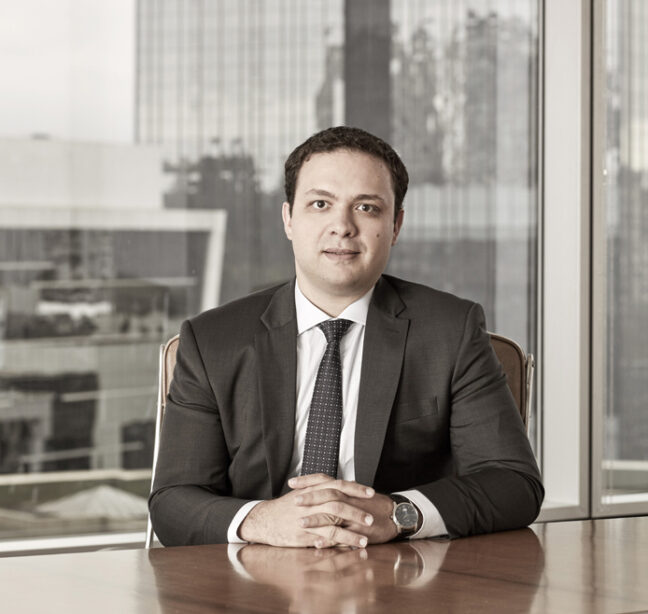
TTR DealMaker Q&A with Demarest Advogados Partner José Setti Diaz


José Setti DiazDemarest Advogados

Partner of the Demarest’s Mergers and Acquisitions and International and Customs Trade areas, José Setti Diaz holds a master’s degree in Law from USP’s Faculty of Law. Among his main clients are the Harvard University fund, the Private Equity fund Vinci Partners and important domestic and multinational companies operating in the agribusiness, auto parts, forestry, paper and pulp, chemical and retail sectors. José Diaz is also the Chief Financial Officer of CESA, a member of the International Chamber of Commerce (ICC), a member of the Board of Directors of Britcham and a member of the panel of Brazilian panelists for the WTO.


TTR: In 4Q20, M&A volume in Brazil returned to levels not seen since before the restrictions imposed in March 2020  but deal volume has decreased again in the first two months of 2021. What’s your outlook for the M&A market in 2021 given these swings?

J.S.D.: 2021 looks very promising for the M&A market, still drawing heavily on consolidations and spin-offs in sectors affected by the pandemic and the rapid rise of technology companies and other sectors that are at an advantage due to the new work format. The first two months of 2021 were marked by the advancement of the second wave of COVID-19 in Brazil which, together with hiccups in the global political and economic environment, were responsible for the downward trend, but certainly this behavior should not be expected to remain as such – particularly in light of the equities market.

TTR: Foreign acquisitions of technology and Internet companies in Brazil have increased 240% in 2021. What will be the main drivers of consolidation in these segments over the course of the year?

J.S.D.: We expect that the most susceptible markets are in line with global trends, including fintechs, edtechs, collaboration platforms, healthtechs, robotic delivery and 5G-relate  (smart cities, etc.).

TTR: What does the dissemination of fintech platforms imply for access to the capital market in Brazil in the short and medium term?

J.S.D.: The fintech sector in Brazil is booming, with exponential growth in the number of users resulting in pushes for the implementation of new policies by regulators, such as open banking. This outlook is borne out by the fact that fintech business models have been consistently incorporated by large financial institutions, with large banks investing in digitization to become more competitive.

The increase and facilitation of access generated by fintechs, added to the prospect of maintaining low interest rates for the economy, has drawn a wide variety of individuals to the stock exchange in Brazil and this movement can be seen in a macro scope. In the short and medium term, we can expect that this trend will continue and that the demonstration of stability by many of these platforms will bring more resources to the variable income profile.

TTR: What would be another two sectors that could offer the greatest opportunities in Brazil for international investors in 2021 and why?

J.S.D.: Health, agribusiness, infrastructure and logistics will be the sectors that should project the best level of opportunities in Brazil for 2021. Consultancies and specialized companies are already predicting that it will be in these sectors where the greatest number of job openings will occur in 2021.

The pandemic presented urgent needs in these 3 areas mentioned. Business professionals and entrepreneurs needed swiftly to enter the digital transformation with an urgent adaptation to the new work system and heavy investments in logistics and customer relations. Against this backdrop, 2021 will be a year of many opportunities for mergers and acquisitions of companies in Brazil, both for domestic and foreign companies in these sectors.

One of the reasons for such a forecast can be the favorable interest rate; the increase in investments on the Stock Exchange is stimulating the process of going public (IPOs), providing greater ease of funding and liquidity for the purchase of companies, in order to increase the competitive advantage of the business and eliminate, in some cases, competitors. Another reason for this is the current exchange rate, added to the low prices of Brazilian companies that seek to survive the crisis – making the acquisition opportunities of these targets even more attractive and cheap for foreign investment.

TTR: What will be the main challenges for Demarest Advogados in its M&A advisory work in Brazil in 2021?

J.S.D.: 2020 was a year full of challenges and learning in M&A operations as a result of the Covid-19 pandemic. The ultimate goal of companies was to survive. During the pandemic, several M&A operations remained suspended, resuming gradually from the second half of the year, both as a solution for some companies to maintain their operations, as well as for other well capitalized companies to take advantage of the acquisition opportunities and low prices, expanding their lines of business and increasing their market shares.

The learning curves in M&A projects at the firm during this pandemic have enabled us to overcome many challenges and find innovative solutions, even incorporating some as part of our “new normal”. An example of this is remote closing without any physical presence in M&A operations.

Thinking to 2021 and continuing to envisage a Selic rate at the level of 2% per year, such scenario will allow many companies to obtain good financing conditions, either due to the favorable interest rate or due to the ease in raising funds and liquidity that the market is offering. In this context, it is our understanding at Demarest that the challenges will be associated mainly with large-scale operations resulting from privatizations, from the consolidation of the market in companies that are already listed on the stock exchange and have a high level of governance, in addition to the great legal, tax and regulatory challenges that our market already faces. To name a few: (i) expectations of political reforms favorable to the business environment, (ii) democratic consolidation, among others.


Portuguese version


José Setti DiazDemarest Advogados

Sócio das áreas de Fusões e Aquisições e Comércio Internacional e Aduaneiro do Demarest, José Setti Diaz é mestre em Direito pela Faculdade de Direito da USP. Dentre seus principais clientes estão o fundo da Universidade de Harvard, o fundo de Private Equity Vinci Partners e importantes empresas nacionais e multinacionais com atuação nos setores de agronegócios, autopeças, florestal, papel e celulose, químico e varejo. José Diaz também é Diretor Financeiro Administrativo do CESA, membro do International Chamber of Commerce – Commission on Trade and Investment Policy (ICC), membro do Conselho de Administração da Britcham e faz parte da lista de painelistas brasileiros para a OMC.


TTR: No 4T20, o número de operações de M&A no Brasil ultrapassou os valores trimestrais anteriores às restrições impostas em março de 2020, mas a tendência diminuiu nos primeiros dois meses de 2021. Que perspectiva poderíamos ter para 2021 com isso comportamento?

J.S.D.: O ano de 2021 parece muito promissor para o mercado de M&A, ainda se valendo fortemente de consolidações e spin-offs em setores afetados pela pandemia e a rápida ascensão de empresas de tecnologia e outros setores privilegiados pelo novo formato de trabalho. Os primeiros dois meses de 2021 foram marcados pelo avanço da segunda onda de COVID19 no Brasil, o que juntamente com soluços na conjuntura política e econômica global, foram responsáveis pela tendência reduzida, mas certamente esse comportamento não deve se manter – inclusive á luz do mercado de equities.

TTR: As aquisições por compradores estrangeiros de empresas de tecnologia e Internet no Brasil aumentaram 240% em 2021. Quais serão os principais vetores de consolidação desses segmentos ao longo do ano?

J.S.D.: Esperamos que os mercados mais suscetiveis estejam em linha com tendências globais, entre eles fintechs, edtechs, collaboration platforms, healthtechs, robotic delivery and 5G related (smart cities, etc.).

TTR: O que significa a disseminação das plataformas fintech para o acesso ao mercado de ações no Brasil no curto e médio prazo?

J.S.D.: O setor de fintechs no Brasil está extremamente aquecido, com crescimento exponencial no número de usuários sendo responsável inclusive por empurrar a implementação de novas políticas pelos reguladores, como por exemplo o open banking. Essa visão é corroborada pelo fato de modelos de negócios das fintechs virem sido incorporados de forma contumaz por instituições financeiras de grande porte, com bancos grandes investindo na digitalização para se tornarem mais competitivos.

O incremento e facilitação de acesso gerado pelas fintechs, somada a perspectiva de manutenção de juros reduzidos para economia, trouxe diversos indivíduos pessoas físicas para a bolsa de valores no Brasil e esse movimento pode ser percebido de forma macro. No curto e médio prazo, podemos esperar que essa tendência permaneça e que a demonstração de estabilidade por muitas dessas plataformas traga mais recursos para o perfil de renda variável.

TTR: Quais seriam os outros dois setores que poderiam oferecer as maiores oportunidades no Brasil para investidores internacionais em 2021 e por quê?

J.S.D.: Saúde, agronegócio, infraestrutura e logística serão os setores que devem projetar o melhor nível de oportunidades no Brasil para 2021. As empresas de consultoria e especializadas já estão prevendo que serão nestes setores onde serão abertas a maior quantidade de vagas de trabalho em 2021. 

A pandemia apresentou necessidades urgentes em estas 3 áreas mencionadas. Empresários e empreendedores precisaram ingressar rapidamente na transformação digital com uma adaptação urgente no novo sistema de trabalho e com investimentos pesados em logística e relacionamento com o cliente.  Nesse contexto, 2021 será um ano de muitas oportunidades para fusões e aquisições de empresas no Brasil, tanto para as nacionais quanto para as estrangeiras neste setores. 

Uma das razões, pode ser a taxa de juros favorável, o aumento de investimentos na Bolsa de Valores está estimulando o processo de abertura de capital (IPOs), proporcionando maior facilidade de captação e liquidez para compra de empresas, a fim de aumentar a vantagem competitiva de negócio e eliminar, em alguns casos, concorrentes. Outra razão disso, a atual taxa de câmbio, somada aos preços baixos de empresas brasileiras que buscam por sobrevivência ao longo da crise, torna as oportunidades de aquisição desses alvos ainda mais atraentes e baratas para o investimento estrangeiro.

TTR: Quais serão os principais desafios da operação de M&A no Brasil durante 2021 para o Demarest Advogados?

J.S.D.: O ano de 2020 foi um ano cheio de desafios e aprendizados nas operações de M&A por causa da pandemia da covid-19. O objetivo maior das empresas era sobreviver. Durante a Pandemia, várias operações de M&A permaneceram suspensas, sendo retomadas aos poucos a partir do segundo semestre, tanto como solução para algumas empresas conseguirem manter suas operações, quanto para outras, bem capitalizadas, aproveitarem as oportunidades de aquisição e preços baixos, expandindo suas linhas de negócios e aumentando suas fatias de mercado.

Os aprendizados em projetos de M&A no escritório durante esta pandemia nos permitiu superar muitos desafios e encontrar soluções inovadoras, mesmo incorporando alguns como parte do nosso “novo normal”. Exemplo disso poderíamos mencionar closing a distância sem presença física nenhuma em operações de M&A. 

Pensando em 2021 e continuando a vislumbrar uma taxa Selic no patamar de 2% ao ano, permitirá que muitas empresas consigam boas condições de financiamento, seja pela taxa de juros favorável ou pela facilidade na captação e liquidez que o mercado está oferecendo. Nesse contexto, entendemos no Demarest que os desafios estarão associados principalmente com operações de grande porte decorrentes de privatizações, da consolidação do mercado em empresas que já cotizam em bolsa e possuem um alto grão de governança além dos grandes desafios legais, tributários e regulatórios que o nosso mercado já presenta, para citar alguns: (i) expectativa de reformas políticas favoráveis ao ambiente de negócios, (ii) democracia consolidada, entre outras.

Dealmaker Q&A

Content available in English and Spanish (scroll down)

TTR DealMaker Q&A with Araoz & Rueda Partner Guillermo Bueno


Sponsored by:


Guillermo BuenoAraoz & Rueda

Guillermo Bueno, Araoz & Rueda partner since 2021, joined our corporate department in 2013 after four years in the M&A department of Uría Menéndez.
Guillermo has experience in general commercial advice to national and foreign companies. He specializes in all types of transactions involving the sale of shares, participations, investments and divestments, as well as public offerings for acquisition, joint ventures, corporate restructuring and sale of assets, advising industrial clients and venture capital entities, both on behalf of the buyer and the seller.
He also advises regularly companies from multiple sectors (financial, health, telecommunications, internet, real estate, transport, etc.) in corporate and corporate governance matters, acting, in many cases, as secretary to the board of directors.


TTR: In 4Q20, M&A volume returned to ‘prepandemic’ levels, with a total of 639 deals. How do you interpret this upward trend compared to 2Q20 and 3Q20? What can we expect in terms of transaction volume in 2021?

G. B.: This is a very positive trend. I think during the second and third quarter of 2020 the Spanish economy was knocked out by the impact of the COVID pandemic. This put on hold many M&A transactions, which were reactivated during the last quarter. 

In addition to the above corrective effect, M&A transactions have also been reactivated because currently there is a lot of liquidity in the market and interest rates are very low, making it relatively easy to obtain financing to carry out transactions. 

On the other hand, the very positive number of deals in the last quarter shows that Spanish companies are very attractive to invest in. They have a lot of potential, good management teams and the capacity for growth and internationalization. 

As for 2021, we will see how Brexit settles in and how the pandemic evolves. I hope that the vaccines take effect and that during the second half of the year COVID can stabilize without serious outbreaks. In any case, I believe that the M&A market will continue to grow in Spain because, as I said, we have good foundations for it. Liquidity will continue to be available and interest rates will remain low. 

TTR: What is the current situation where corporate restructurings in Spain are concerned, and what are the prospects for the coming months?

G. B.: The companies are studying the impact that a prolonged effect of COVID may have on consumption habits and needs of their clients, as well as on the Spanish market. I believe that, as a result of the above, companies will have to restructure themselves in order to adapt to the changes that may occur in the market (investing more in technology or the management of employees due to the gradual increase of teleworking). 

We are currently immersed in this process where many corporate restructurings are taking place in order to make their businesses even more efficient and adapt to a new reality that takes into account the long-term impact of COVID. 

TTR: Foreign venture capital and private equity investment in Spanish companies fell 18% in 2020 after four years of growth. What level of VC and PE investment can be expected in 2021?

G. B.: I believe that the decrease in these investments has basically been caused by the COVID pandemic. During the first three quarters, foreign investors decided to stop investing to see how the Spanish economy would evolve. 

However, I believe that this trend will be corrected and foreign investment will return to growth during 2021, especially in certain sectors such as energy, technology and health. We now have greater visibility on the COVID pandemic, investors have liquidity and interest rates are low. All this, together with the fact that the prices of Spanish companies are very reasonable, will increase foreign investment in our country. 

TTR: Spain registered a 3.48% increase in the number of venture capital deals, as well as a 256.76% increase in aggregate value of these transactions. What factors brought about this growth and how will this trend impact the demand for advisory services in 1H21?

G. B.: I believe that the increase in private equity transactions is mainly due to three factors: firstly, Spanish companies are very attractive because of their capacity to expand and how well managed they are by their management teams. After the 2008 crisis, our companies became more professional and are now much more efficient. 

Secondly, as mentioned before, private equity funds have a lot of liquidity to invest and interest rates are very low. 

Finally, because of the COVID pandemic and the Spanish socioeconomic situation, Spanish companies are very attractively priced, which will provide great returns in the future. 

TTR: The real estate sector continues to lead the M&A market in Spain: What will be the main drivers of consolidation in this sector this year?

G. B.: The real estate sectors that are expected to see the most activity in 2021 will be: (i) logistics, due to the sustained growth of internet sales; (ii) hotel and hospitality in general, due to the expected reactivation of tourism activity throughout the year and the likely adjustments that will occur with respect to previous sales prices; and (iii) within the commercial sector, retail parks, which will also benefit from the eventual increase in activity. 

TTR: What will be the main challenges for Araoz & Rueda in its M&A advisory work in Spain in 2021?

G. B.: At Araoz & Rueda we are optimistic about M&A transactions in 2021. 

Our main challenge is to continue to maintain our specialization and leadership in the M&A market, accompanying our clients in the most relevant transactions in the country, always remaining faithful to our style: hard work and full dedication to provide quality advice at competitive prices.


Spanish version


Guillermo BuenoAraoz & Rueda

Guillermo Bueno, es socio de Araoz & Rueda desde 2021 y se incorporó a al departamento mercantil en 2013 tras cuatro años en el departamento de M&A de Uría Menéndez.
Guillermo tiene experiencia en el asesoramiento mercantil general a empresas nacionales y extranjeras. Está especializado en todo tipo de operaciones de compraventa de acciones, participaciones, inversiones y desinversiones, así como ofertas públicas de adquisición, joint ventures, reestructuraciones societarias y compraventa de activos, asesorando a clientes industriales y a entidades de capital riesgo, tanto desde el lado comprador como vendedor.

Asimismo, asesora recurrentemente a empresas de múltiples sectores (financiero, salud, telecomunicaciones, internet, inmobiliario, transporte, etc.) en materia societaria y de gobierno corporativo, y, en muchos casos, actúa como secretario del consejo de administración. Es Máster de Asesoría Jurídica de Empresas por el Instituto de Empresa (2009) y Licenciado en Derecho por la Universidad Pompeu Fabra (2007).


TTR: En el cuarto trimestre de 2020 el número de transacciones de M&A ha vuelto a los valores ‘prepandemia’, con un total de 639 deals. ¿Cómo interpreta esta tendencia al alza con respecto al segundo y tercer trimestre del año?, ¿qué perspectiva podríamos tener para 2021? 

G. B.: Es una tendencia muy positiva. Creo que durante el segundo y tercer trimestre del 2020 la economía española estuvo noqueada por el impacto de la pandemia del COVID. Ello provocó la paralización de muchas operaciones de M&A que luego se reactivaron durante el último trimestre. 

Además del efecto corrector anterior, las operaciones de M&A también se han reactivado porque actualmente existe mucha liquidez en el mercado y los tipos de interés están muy bajos, por lo que es relativamente sencillo obtener financiación para acometer las transacciones. 

Por otro lado, el dato tan positivo del número de deals durante el último trimestre demuestra que las compañías españolas son muy atractivas para invertir. Tienen mucho potencial, buenos equipos directivos y capacidad de crecimiento e internacionalización. 

Respecto al 2021, veremos cómo se asienta el Brexit y cómo evoluciona la pandemia. Espero que las vacunas hagan su efecto y durante el segundo semestre pueda estabilizarse el COVID sin que se produzcan rebrotes graves. En cualquier caso, creo que el mercado de M&A seguirá creciendo en España porque, como ya he dicho, tenemos buenas bases para ello. Se continuará contando con liquidez y los tipos se mantendrán bajos. 

TTR: En cuanto a reestructuraciones societarias, ¿cuál es la situación actual y cuáles son las perspectivas para los próximos meses en España? 

G. B.: Las compañías están estudiando el impacto que puede tener un efecto prolongado del COVID en los hábitos de consumo y necesidades de sus clientes, así como en el tejido empresarial español. Creo que, como resultado de lo anterior, las compañías deberán reestructurarse para dar respuesta a los cambios que puedan producirse en el mercado (invertir más en tecnología o la gestión de sus trabajadores por la incorporación paulatina del teletrabajo). 

Actualmente estamos inmersos en ese proceso donde se están produciendo muchas reestructuraciones societarias para hacer más eficientes aún sus negocios y adaptarse a una nueva realidad que tenga en cuenta el impacto del COVID a largo plazo. 

TTR: La inversión de fondos de capital riesgo y capital privado extranjeros en empresas españolas ha registrado una disminución del 18%, luego de cuatro años de crecimiento, ¿Que tendencia podría prevalecer en 2021 en estos segmentos? 

G. B.: Creo que la disminución de estas inversiones ha sido provocada básicamente por la pandemia del COVID. Durante los tres primeros trimestres, los inversores extranjeros decidieron paralizar sus inversiones para ver cómo evolucionaba la economía española. 

No obstante, creo que esta tendencia se corregirá y la inversión extranjera volverá a crecer durante el año 2021, sobre todo en determinados sectores como la energía, la tecnología y la salud. Actualmente tenemos mayor visibilidad sobre la pandemia del COVID, los inversores cuentan con liquidez y los tipos de interés están bajos. Todo ello, sumado a que los precios de las compañías españolas son muy razonables, incrementará la inversión extranjera en nuestro país. 

TTR: España ha registrado un aumento del 3,48% en el número de operaciones de capital de riesgo, así como un aumento del 256,76% en el capital movilizado ¿Qué factores ocasionaron este crecimiento y cómo podría influir esta tendencia en las asesorías para el próximo semestre? 

G. B.: Creo que el aumento de las operaciones de capital riesgo se explica principalmente por tres factores: en primer lugar, las empresas españolas son muy atractivas por su capacidad de expansión y lo bien gestionadas que están por sus equipos directivos. Tras las crisis del 2008, nuestras empresas se profesionalizaron y ahora son mucho más eficientes. 

En segundo lugar, como ya he mencionado, los fondos de capital riesgo cuentan con mucha liquidez para invertir y los tipos de interés están muy bajos. 

Por último, con motivo de la pandemia del COVID y la situación socioeconómica española, las compañías españolas tienen unos precios muy atractivos, lo que proporcionará grandes retornos en el futuro. 

TTR: El sector inmobiliario continúa siendo el sector líder del mercado M&A en España: ¿Cuáles serán los principales motores de consolidación en este sector este año? 

G. B.: Los sectores inmobiliarios en los que se prevé más actividad durante el 2021 serán: (i) el logístico, por el crecimiento sostenido de las ventas por internet; (ii) el hotelero y de hospitality en general, por la esperada reactivación de la actividad turística a lo largo del año y los probables ajustes que se producirán respecto de los precios previos de venta; y (iii) dentro del sector comercial, los parques de medianas, que también se verán beneficiados por el eventual aumento de la actividad. 

TTR: Para Araoz & Rueda, ¿Cuáles podrían ser los principales retos en operaciones de M&A en España durante 2021? 

G. B.: En Araoz & Rueda somos optimistas respecto a las operaciones de M&A durante el 2021. 

Nuestro principal reto es seguir manteniendo nuestra especialización y liderazgo en el mercado de M&A, acompañando a nuestros clientes en las operaciones más relevantes del país, siendo fieles siempre a nuestro estilo: trabajo duro y dedicación plena para brindar un asesoramiento de calidad a unos precios competitivos.

Dealmaker Q&A

Content available in English and Spanish (scroll down)

TTR DealMaker Q&A with Auriga Global Investors Partner Diego Garcia de la Peña


Diego Garcia de la PeñaAuriga Global Investors

Responsable de Consultoría de Coberturas a fondos de Private Equity, infraestructuras, inmobiliarios, family offices y empresas, así como responsable de Inversiones Alternativas en Deuda para corporates en Auriga. En ambas actividades, el objetivo es proveer soluciones para la estructura de capital de las empresas y ayudar a las mismas, así como a los sponsors a desarrollar sus planes de negocio. 

Anteriormente, trabajó como Structured Solutions Sales para Sponsors Financieros a nivel europeo, así como para corporates españoles en Unicredit Bank, London (2007-2011). Previamente, fue director del departamento de Ventas de coberturas de tipos de interés para la Red y Empresas en Cajamadrid y Corporate Treasury Sales en Banesto.


TTR: Estamos viviendo una de las mayores crisis sanitarias y económicas ocurridas en la historia a nivel mundial por el COVID 19, justo cuando nos encontrábamos en un buen momento para el sector de M&A y Private Equity. ¿Cómo ha afectado al sector estos meses? Y, ¿cómo va a afectar al mercado a medio plazo? 

D. G. P.: En cuanto a actividad nueva, lo que estamos viendo es una concentración en análisis de operaciones en sectores como el agroalimentario, productos básicos de limpieza, higiene y en el sector salud en general. Creemos que existe un gran volumen de dinero disponible para invertir y que los inversores están enfocando sus esfuerzos de análisis en sectores refugio o de utilidad básica. También ha una gran actividad en el sector IT y en Internet. Posiblemente haya una huida de operaciones en sector retail en general, como consecuencia de la pandemia. 

Asimismo, hay un gran número de refinanciaciones de operaciones tanto por operaciones de add-on como para aprovechar las condiciones de financiación para extensiones de plazos. En el medio plazo vemos una recuperación gradual del volumen de transacciones debido a la cantidad de capital disponible listo para invertir, pero pensamos que va a seguir la concentración en sectores básicos. 

TTR: En coberturas de tipos de interés para financiaciones de Private Equity ¿qué tendencias destacáis después de estos meses de incertidumbre? 

D. G. P.: Debido a la situación actual de tipos bajos y las perspectivas de mantenimiento de estos tipos bajos durante un prolongado período de tiempo sigue teniendo sentido empezar las coberturas forward start, tiene sentido aprovechar la coyuntura para cubrir a largo plazo y por supuesto, emplear caps como instrumento de cobertura. 

TTR: Habéis asesorado recientemente a players relevantes como EOLIA y Ergon. ¿Qué transacciones destacarías? 

D. G. P.: Eolia Renovables ha realizado la refinanciación de dos grandes portfolios fotovoltaico y eólico, en una transacción de referencia en el mercado, tanto por el tamaño de la misma y los instrumentos de financiación empleados, como por los bancos involucrados y la complejidad de toda la operación. En concreto, ha refinanciado un portfolio de parques eólicos en los que tenía la financiación bancaria con distintos bancos en cada una de las SPVs en un préstamo sindicado en una compañía holding que agrupa dicho portfolio. Y, en la parte fotovoltaica, ha refinanciado la deuda bancaria independiente que tenía en cada una de las SPVs con distintos bancos en un bono de proyecto a largo plazo por todo el portfolio con inversores de referencia institucionales y a un coste de financiación tremendamente atractivo. Auriga asesoró en la cobertura tipos de interés en la refinanciación y en la cancelación de los swaps existentes. 

Podemos destacar también el asesoramiento realizado a Ergon en dos operaciones diferentes. Por un lado, en la cobertura de tipos de interés de la financiación de la compra de Palex, la cual se estructuró mediante una compra de cap por ser el producto más adecuado. Por otro lado, el asesoramiento al fondo en la estructuración y cobertura del riesgo de divisa en la compra de la empresa italiana Millbo y la subsecuente americana Bionaturals. Una transacción muy atractiva y compleja por las denominaciones en divisa distinta del precio de compra, así como la deuda de adquisición y la necesidad de cubrir el riesgo de fluctuación de divisa entre la firma de la operación, la aprobación y el cierre definitivo de la misma. 

TTR: El sector de las energías renovables está siendo uno de los más activos en los últimos meses en el mercado de M&A y capital riesgo. ¿Se mantendrá esta tendencia en 2021? 

D. G. P.: Nosotros pensamos que este sector va a seguir estando muy activo por dos razones fundamentales. En cuanto a los activos en operación, se siguen produciendo agrupamientos de carteras y proyectos, así como refinanciaciones, como consecuencia del yield compression existente en el sector por la madurez y estabilidad del mismo. A esto tenemos que añadir que en 2021 esperamos que empiecen a financiarse muchos de los nuevos proyectos en desarrollo para su construcción y entrada en operación comercial. 

TTR: La financiación alternativa se ha afianzado en España y hemos afrontado el cambio de tendencia ¿qué nos espera en los próximos años? 

D. G. P.: Efectivamente, la financiación alternativa se ve como algo normal en España en la actualidad, tanto por el sector empresarial como por el sector bancario. Esta normalización era muy importante. Las empresas ya no ven a los fondos de deuda como financiadores oportunistas exclusivamente y los bancos los incorporan como cofinanciadores en multitud de operaciones. 

En los próximos años, esperamos un incremento de las transacciones sponsorless, ya que hasta ahora la mayoría de las operaciones de deuda alternativa han sido sponsor-driven. Con el incremento de fondos de financiación alternativa presentes en España y con la bajada de tamaño de compañía, así como con los importes de financiación mínimos para realizar las operaciones, creemos que va a haber un desplazamiento hacia operaciones sin sponsor

Asimismo, creemos que va a haber una mayor segmentación de las operaciones de financiación alternativa entre financiación senior bullet de crecimiento puro en compañías performing, deuda híbrida para compañías que necesiten una solución mixta de deuda-capital o financiación de situaciones especiales. 

Por último, la corriente de concentración bancaria que estamos sufriendo en España hace que la oferta se reduzca, así como que la concentración de riesgo se incremente por los dos lados. Esto va a hacer que se incrementen las necesidades de soluciones alternativas de financiación. 

Tendremos que estar atentos a la evolución de la crisis y la situación de liquidez con la que salen las empresas de la misma, con el fin de poder apoyarlas ante situaciones puntuales de estrés.


Versión en inglés


TTR: We are living through one of the biggest health and economic crises in global history because of COVID 19, just when we were in a good moment for the M&A and private equity sector. How has it affected the sector these months? And how will it affect the market in the medium term? 

D. G. P.: In terms of new activity, what we are seeing is a concentration on transaction analysis in sectors such as agri-food, basic cleaning products, hygiene and the health sector in general. We believe that there is a lot of money available to invest and that investors are focusing their research efforts on safe haven or core utility sectors. There is also a lot of activity in the IT and Internet sectors. There is likely to be a flight to safety away from the retail sector in general, as a consequence of the pandemic. 

There are also a large number of refinancing transactions both for add-on transactions and to take advantage of financing conditions for term extensions. In the medium term we see a gradual recovery in deal volume due to the amount of available capital ready to invest, but we think the concentration in core sectors will continue. 

TTR: In interest rate hedges for private equity financing, what trends do you see after these months of uncertainty? 

D. G. P.: Due to the current low rate situation and the prospects of continued low rates for a prolonged period of time it still makes sense to structure forward starting hedges, it makes sense to take advantage of the situation to hedge longer terms and of course it also makes sense to use caps as a hedging instrument. 

TTR: You have recently advised relevant players such as EOLIA and Ergon. Which transactions would you highlight? 

D. G. P.: Eolia Renovables has refinanced two large photovoltaic and wind portfolios, in a benchmark transaction in the market, both for the size of the transaction and the financing instruments utilised, as well as for the banks involved and the complexity of the entire deal. Specifically, it refinanced a portfolio of wind farms in which it had bank financing with different banks in each of the SPVs into a syndicated loan in a holding company that groups this portfolio. 

On the PV side, it refinanced the independent bank debt it had in each of the SPVs with different banks into a long-term project bond for the entire portfolio with institutional benchmark investors and at a tremendously attractive financing cost. Auriga advised on the interest rate hedging in the refinancing and on the cancellation of the existing swaps. 

We can also highlight the advisory provided to Ergon in two different deals. On the one hand, in the interest rate hedging of the Facilities for the purchase of Palex, which was structured through a cap purchase as the most appropriate product. On the other hand, advising the fund on the structuring and hedging of the currency risk in the purchase of the Italian company Millbo and the subsequent American company Bionaturals. A very attractive and complex transaction due to the different currency denominations of the purchase price, as well as the acquisition debt and the need to hedge the currency fluctuation risk between the signing, approval and final closing of the transaction. 

TTR: The renewable energy sector has been one of the most active in recent months in the M&A and private equity market. Will this trend continue in 2021? 

D. G. P.: We believe that this sector will continue to be very active for two main reasons. In terms of operating assets, there will continue to be concentration of portfolios and projects as well as refinancings, as a result of the yield compression that exists in the sector thanks to its maturity and stability. Additionally, in 2021 we expect that many of the new projects under development will start financial execution for their construction and entry into commercial operation. 

TTR: Alternative financing has consolidated in Spain and we have undergone a change of trend, what do the next few years hold for us? 

D. G. P.: Indeed, alternative financing is seen as normal in Spain today, both by the business sector and the banking sector. This normalisation was very important. Companies no longer see debt funds as exclusively opportunistic financiers and banks incorporate them as co-financiers in plenty of deals. 

In the coming years, we expect to see an increase in sponsorless transactions, as up to now most alternative debt transactions have been sponsor-driven. With the increase of alternative finance funds present in Spain and the decrease in company size, as well as the minimum financing amounts for transactions, we believe that there will be a shift towards sponsorless transactions. 

We also believe that there will be a greater segmentation of alternative financing deals between senior bullet financing for pure growth in performing companies, hybrid debt for companies that need a mixed debt-equity solution or financing for special situations. 

Lastly, the current banking concentration we are experiencing in Spain is reducing supply, as well as increasing risk concentration on both sides. This will increase the need for alternative financing solutions. 

We will have to pay special attention to the evolution of the crisis and the liquidity situation in which companies come out of it, in order to be able to support them in specific stress moments.

Dealmaker Q&A

Content available in English and Spanish (scroll down)

TTR DealMaker Q&A with Gómez-Acebo & Pombo España Patner Íñigo Erlaiz Cotelo


Íñigo Erlaiz CoteloGómez-Acebo & Pombo Spain

Head of Corporate and Commercial and head of Private Equity.
He obtained a Degree in Law and Diploma in Corporate Legal Consulting magna cum laude from the Universidad Pontificia de Comillas (ICADE) in 1999. He obtained his Diploma in Bankruptcy Law from the Madrid Bar Association in 2004. Master’s degree in Human Resources Management.
He joined Gómez-Acebo & Pombo in 1999. In 2008 he worked as a foreign associate with Debevoise & Plimpton. Secretary and member of the Board of Directors of Gómez-Acebo & Pombo.


TTR: What’s your outlook for the M&A market in the aftermath of the current crisis? What were the most notable trends in 2020?

I. E.: It has been a complex year. The uncertainty generated by the pandemic paralysed investment activity for a while. In the most affected sectors, some projects were abandoned. But in the most resilient sectors, the appearance of the vaccine and the greater visibility on the evolution of the disease allowed for a quick recovery of investments. In some more affected sectors in 2020 there were rescue financing transactions which, along with ICO injections, gave breathing room to a lot of companies. Thus, activity has been varied and erratic and has required flexibility and versatility from the teams to be able to respond to the different situations that our clients have experienced. Thanks partly to the ability of our M&A practice to adapt, 2020 was a good year for us, despite the difficult circumstances, with turn over growth at around 10%, well above average in market. This is something that, bearing in mind that the statistics note a more than 20% decline in transactional activity, makes us feel very proud, strong and confident going into 2021. 

TTR: In 4Q20, the number of transactions returned to “prepandemic” values, with a total of 639 deals. How do you interpret this upward trend with respect 2Q20 and 3Q20? What is your outlook for 1Q21 in terms of deal volume in Spain?

I. E.: Before the pandemic, there was a lot of liquidity in the market. After the first hit and as visibility increased, overall in 4T with the vaccine push, that money began to work, chiefly in growth investments and deals in the less-affected sectors (healthcare, technology, food), but also in more opportunistic transactions and turnaround in the most stressed-sectors (industrial, hospitality). This trend will continue in 2021.

TTR: Regarding corporate restructuring, what was the situation in 2020 and what are the prospects for 2021 in Spain?

I. E.: Once the possible immediate effects of the pandemic on the balance sheets were assessed, some businesses began restructuring processes, both corporate restructurings and reorganisation of businesses seeking efficiencies, synergies or preparing some units for sale, and also debt restructuring processes. Regarding corporate restructurings, at the Firm, we have participated in company merger or spinoff processes, including various listed companies, for a value of more than 15 billion euros. The breathing room from the ICO financing has allowed some companies to gain time, but in many cases, they will have to wind up tackling these processes, once they have visibility on the final impact of the situation on their balance sheets and on their business plans. Thus, we expect that this restructuring activity will continue and even intensify in 2021. Our restructuring team is already working on many of these processes in which SEPI, who we are advising for example on the restructuring of Duro Felguera, is going to have a key role.

TTR: Gómez-Acebo & Pombo was one of the leading advisors on technology deals in Spain in 2020. What is the reason for the growth of this sector and what factors will drive consolidation in the space in 2021?

I. E.: For some years now we have supported building a team specialised in technology transactions that advises both VC and PE funds, and companies at different stages. The market and the type of transaction in Spain have evolved a lot. So, the size of deals we are advising on  is increasing as is the sophistication of such transactions, with very relevant international investors attracted by companies with high potential. We already have advised in various transactions in this sector which have exceeded one billion in deal value. We have a leading practice in the market, a very experienced team which Alex Pujol has recently joined, who is another standout top tier lawyer in the sector. For us it is a clear strategic sector of the future, so we are wagering on it. In a world where globalisation and economies of scale are encountering various sorts of limits, technology has become a necessary asset to overcome them as well an essential element to generate value in itself. This explains investor interest in the technology sector, which will undoubtedly continue in 2021.

TTR: What have been the greatest achievements in the 50-year history of Gómez-Acebo & Pombo with respect to the firm’s transactional market? What will be the main challenges for law firms that advise on M&A deals in Spain in 2021?

I. E.: Over the last 50 years, Gómez-Acebo & Pombo has cemented itself, despite being a smaller firm than the others, as one of the four leading Spanish independent law firms. This is essentially due to our business focus, which is very oriented toward high added-value advising and a type of client that has allowed us to participate from the beginning on large transactions in Spain and Portugal and to consolidate this leading position. Over the last few years, we have also pushed our transaction practice heavily, which has grown both in size (with an invoicing increase of around 40% over the last four years) as well as in position, as is reflected in our top-ten TTR ranking, both in the number of deals as well as in the value advised on. This position, in which we find ourselves together with much larger firms, I think says a lot about the quality of our practice. Our aim is to continue working along these lines, constantly improving and to be the point of reference for transactional matters on the Iberian peninsula. Regarding challenges for 2021, I think the main challenge will be to continue to have a versatile and broad structure of specialists that allows us to cover transactional activity which will continue to be varied, in which normal investment exists alongside distress. The specialised knowledge and sector knowledge, very important in some sectors (technology, insurance, hotels, healthcare, energy and regulated sectors) will continue to make the difference. 


Spanish version


Íñigo Erlaiz CoteloGómez-Acebo & Pombo España

Coordinador de Mercantil y coordinador de Capital Privado.
Licenciado en Derecho y diplomado en Asesoría Legal de Empresas, con matrícula de honor, por la Universidad Pontificia de Comillas (ICADE), 1999. Máster en Dirección de Recursos Humanos, UNED.
Diplomado en Derecho Concursal (Ilustre Colegio de Abogados de Madrid) en el 2004.
Se incorporó a Gómez-Acebo & Pombo en 1999. Foreign associate en Debevoise & Plimpton (oficina de Nueva York) en el 2008. Secretario y Miembro del Consejo de Administración de Gómez-Acebo & Pombo.


TTR: ¿Que pronóstico tiene para el mercado de fusiones y adquisiciones después de la crisis actual? ¿Cuáles fueron las tendencias más notables en 2020?

I. E.: Ha sido un año complejo. La incertidumbre generada por la pandemia paralizó la actividad inversora durante un tiempo. En los sectores más afectados se abortaron algunos proyectos. Pero en los más resilientes, la aparición de la vacuna y la mayor visibilidad sobre la evolución de la enfermedad, permitieron reactivar pronto las inversiones. En algunos de los sectores más afectados ha habido en 2020 operaciones de rescue financing que, junto con las inyecciones ICO han dado oxígeno a muchas compañías. La actividad, por tanto, ha sido variada y arrítmica, y ha requerido de flexibilidad y versatilidad en los equipos para poder dar respuestas a las distintas situaciones que han vivido nuestros clientes. Gracias en parte a esa capacidad de adaptación nuestra práctica de M&A se ha comportado muy bien en 2020, a pesar de ese difícil contexto, con un crecimiento cercano al 10% de facturación, muy por encima del mercado. Algo que, teniendo en cuenta que las estadísticas apuntan un descenso superior al 20% de la actividad transaccional, nos hace sentirnos orgullosos y fuertes y confiados de cara al 2021.

TTR:  En el cuarto trimestre de 2020, el número de transacciones ha vuelto a los valores de la ‘prepandemia’, con un total de 639 deals. ¿Cómo interpreta esta tendencia al alza con respecto al segundo y tercer trimestre del año?, ¿Que perspectiva tiene para el primer trimestre de 2021 en cuanto al volumen de transacciones en España?

I. E.: Antes  de la pandemia había mucha liquidez en el mercado, Ese dinero quedó embalsado durante los primeros meses. Superado el primer golpe y conforme se iba ganando en visibilidad, y sobre todo en el 4T con el empuje de la vacuna, ese dinero se puso a funcionar, principalmente en compras e inversiones de growth en los sectores menos afectados (salud, tecnología, alimentación), pero también en operaciones más oportunistas y de turn around en los sectores más estresados (industrial, hospitality). Esta tendencia continuará en 2021.  

TTR:  En cuanto a reestructuraciones societarias, ¿cuál fue la situación en 2020 y cuáles son las perspectivas para 2021 en España?

I. E.: Una vez calibrados los posibles efectos inmediatos de la pandemia en los balances, algunos negocios han iniciados procesos de restructuración, tanto societaria y de reorganización de negocios buscando eficiencias, sinergias o preparando algunas unidades para la venta, como de restructuración del pasivo. En cuanto a las restructuraciones societarias desde el Despacho hemos participado en procesos de fsuiones o escisiones de comapñías, inclyuyendo varias cotizadas, por valor de más de 15 mil millones de euros. El oxígeno de las ayudas ICO ha permitido algunas compañías ganar tiempo pero, en muchos casos, tendrán que acabar acometer igualmente esos procesos, una vez que tengan visibilidad del impacto final de la situación en sus balances y en sus planes de negocio. Por tanto esperamos que esa actividad de restructuración continúe e incluso se intensifique en 2021. Nuestro equipo de restructuraciones está ya trabajando en varios de esos procesos en los que SEPI, a quien estamos asesorando, por ejemplo en la restructuración de Duro Felguera, va a tener también un papel clave.

TTR: Gómez-Acebo & Pombo ha sido uno de los principales asesores líderes en operaciones de tecnología en España en el último año, ¿A qué se debe el crecimiento de este sector en 2020 y cuáles serán los drivers mas relevantes para la consolidación de este sector en 2021?

I. E.: Desde hace años hemos apostado por construir un equipo especializado en transacciones con componente tecnológico, que asesora a fondos, tanto de VC como de PE, y compañías en sus distintas fases. El mercado y el tipo de operación en España ha evolucionado mucho. Así que las operaciones en las que asesora son cada vez de mayor volumen y sofisticación, con inversores muy potentes atraídos por compañías de alto potencial. Tenemos ya varias operaciones en este sector que han superado los mil millones de deal value. Tenemos una práctica líder en el mercado, a la que recientemente se ha incorporado, además, Alex Pujol, que es otro abogado estrella del sector. Y vemos claro que es un sector estratégico y de futuro, así que seguiremos apostando por ella. En un mundo donde la globalización y las economías de escala están topándose con límites de distinto orden, la tecnología se ha convertido en un activo necesario para superarlos y en un elemento esencial para generar valor en sí mismo. Eso explica el interés inversor en el sector tecnología, que continuará sin duda en 2021.

TTR: ¿Cuáles han sido los más grandes logros en los 50 años de trayectoria de Gómez-Acebo & Pombo en lo que respecta al mercado transaccional?, ¿Cuáles podrían ser los principales retos para los despachos de abogados que asesoran en operaciones de M&A en España durante 2021?

I. E.: En estos 50 años Gómez-Acebo & Pombo se ha consolidado, a pesar de tener un tamaño menor, como uno de los cuatro despachos líderes españoles. Eso ha sido esencialmente por el enfoque de negocio, muy orientado al asesoramiento de alto valor añadido y a un tipo de cliente que nos ha permitido participar desde nuestros comienzos en las grandes operaciones que se han realizado en nuestro país y consolidar esa posición de liderazgo. En los últimos años hemos dado además un gran impulso a nuestro practica transaccional, que ha crecido tanto en tamaño (con un incremento cercano al 40% de facturación en los últimos 4 años) como en posicionamiento, como reflejan nuestro ranking dentro del top ten de las tablas de TTR, tanto número de operaciones como en valor asesorado. Esa posición, en la que estamos junto con otros despachos muy superiores en tamaño creo que dice mucho de la calidad de nuestra práctica. Nuestro objetivo es seguir trabajando en esa línea de mejora constante y ser el despacho ibérico de referencia para asuntos transaccionales. En cuanto a los retos para 2021 creo que el principal seguirá siendo tener una estructura versátil y amplia de especialistas que permita dar cobertura ante una actividad transaccional que seguirá siendo variada, en la que convivirán la inversión normal con la actividad distress. El conocimiento especializado y también el sectorial, muy importante en algunos sectores (tecnológico, seguros, hotelero, health, energía y sectores regulados) seguirá marcando la diferencia.