Dealmaker Q&A

Content available in English and Spanish (scroll down)

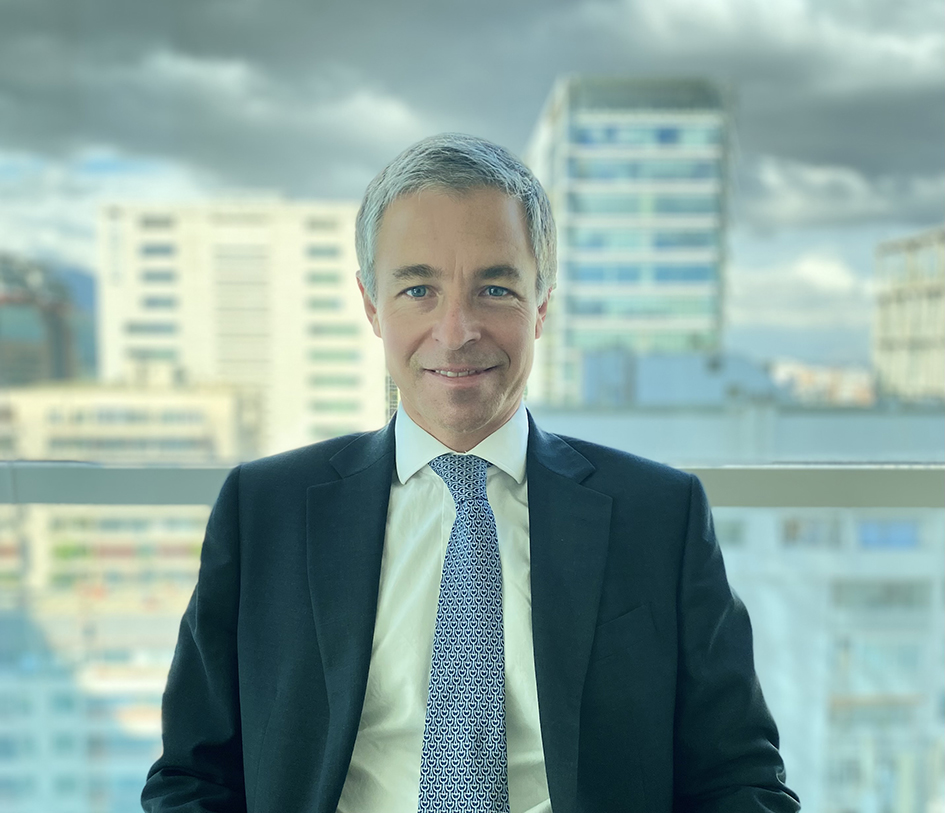
TTR Dealmaker Q&A with DLA Piper Argentina Partner Antonio Arias 

DLA Piper Argentina

Antonio Arias

Antonio Arias graduated with honors from Universidad Torcuato Di Tella School of Law in 2007, and holds a Masters Degree in Law and Business from the University of Pennsylvania, School of Law, and The Wharton School in 2010. He is admitted to practice in Argentina, Brazil, and New York. Antonio focuses his practice on M&A, Venture Capital, and Finance. He advises international and local clients doing business in Argentina and the LatAm region.


TTR: How would you describe the current situation of the players in the M&A market in Latin America with the current global political and economic situation in this year?

While the region and the world are leaving the Pandemic behind, we are already way into a new global scenario in which the Fed is not pumping money into the market anymore (quite the opposite), and politics are being re-shaped due to Russia’s invasion of Ukraine. Certainly, some sectors that have emerged stronger out of the Pandemic are being hit hard by this new scenario, in particular the technology sector. Others like food and healthcare continue to grow and strive in this new scenario. In 2021, we saw the M&A market recovering from some slower growth in certain months in 2020 and we also saw a good start in this 2022. However, we are cautious on how the year will end as there is a lot of uncertainty. In Argentina, during these last months we have seen many strategic acquisitions, particularly explained by price and long-term expectations. We have also seen some consolidation in Argentina and the region, and some expansion by foreign companies acquiring targets with operations in more than one LatAm jurisdiction. 

TTR: What are the most relevant drivers for consolidating the M&A market in Argentina this year?

We expect to see more strategic acquisitions, mainly in those sectors that are considered solid, such as the agribusiness sector, and other sectors that will need to grow, such as energy. Also, given the turmoil in the technology sector, we also expect to see some consolidation there. Local actors that know that Argentina is cyclical, and that we may see some recovery after next year’s elections, will continue with the acquisition wave based, as said before, in medium and long-term growth expectations and current prices.

TTR: In which sectors might international investors find the biggest opportunities in Argentina and Latam? Why?

Certainly, in agribusiness, energy, and technology. Agribusiness given that it is a solid sector which has invested heavily in technology lately, is increasing its productivity. Also, prices of potential targets are relatively competitive in comparison with years ago. The energy sector in Argentina is undergoing a general crisis and the government will need to create incentives for this sector to grow in the years to come. This coped with low prices creates an opportunity. Finally, the local technology sector has proven to be very competitive and resilient. If the price corrections in valuations remain in the current lows or deepen, we will certainly see some acquisitions. It is not a game for the risk adverse, though.

TTR: What are the key points to consider in M&A market in Argentina and Latam?

I think the answer has no mystery: local politics and the global scenario. Brazil will face elections shortly, Colombia has just completed its elections with a result that brings uncertainty, Chile is undergoing a challenging constitutional reform, Peru’s political uncertainty has been exacerbated during Castillo’s term in office so far. Financing will get more expensive as the Fed raises interest rates and the question there is up to when and how far. On the global political front, we all hope that the war in Ukraine does not unleash any further and more global conflict. 

TTR: What will DLA Piper Argentina main challenges be in terms of M&A deals in the region in the next months?

DLA Piper has been growing steadily and constantly during the last years. The main challenge is to maintain the growth pace in the years to come despite the political and economic uncertainties. The market is very competitive in Argentina with very good law firms, but we have a unique proposal as a global firm completely integrated in the region. Being a “one-stop shop”, with international lawyers based in Buenos Aires, is a competitive advantage when pitching for deals. Finally, human resources are key to law firms and finding ways to motivate personnel is crucial to keep resources in the long term. Furthermore, competition for human capital is growing faster and evolving to new players such as startups and tech companies. All these issues surely will challenge DLA Piper and other top local firms as well.  


DLA Piper Argentina

Antonio Arias

Antonio Arias se graduó con honores de la Facultad de Derecho de la Universidad Torcuato Di Tella en 2007, y tiene una Maestría en Derecho y Negocios de la Universidad de Pennsylvania, Escuela de Derecho, y The Wharton School, en 2010. Está admitido para ejercer en Argentina, Brasil y Nueva York. Antonio enfoca su práctica en fusiones y adquisiciones, venture capital y finanzas. Asesora a clientes internacionales y locales que hacen negocios en Argentina y en la región de América Latina.


TTR: ¿Cómo describe la situación actual de los players del mercado M&A en América Latina con la actual coyuntura política y económica global en el año? 

Mientras la región y el mundo dejan atrás la pandemia, nos encontramos ya en un nuevo escenario global en el cual la Reserva Federal ya no está inyectando dinero en el mercado (todo lo contrario), y la política se está reconfigurando debido a la invasión rusa a Ucrania. Ciertamente, algunos sectores que han salido fortalecidos de la pandemia se están viendo muy afectados por este nuevo escenario, en particular el sector tecnológico. Otros sectores, como alimentos y salud, siguen creciendo en este nuevo contexto. En 2021, vimos cómo el mercado de fusiones y adquisiciones se recuperaba de un crecimiento más lento, en comparación con ciertos meses del año 2020; y también vimos un buen comienzo en este 2022. Sin embargo, somos cautelosos sobre cómo terminará el año ya que hay mucha incertidumbre. En Argentina, durante estos últimos meses se han realizado muchas adquisiciones estratégicas, especialmente explicadas por el valor de los targets y las expectativas a largo plazo. Sí hemos vivido cierta consolidación en Argentina y en la región, y además una expansión por parte de empresas extranjeras que adquieren targets con operaciones en más de una jurisdicción de LatAm.  

TTR: ¿Cuáles serán los drivers más relevantes para la consolidación del mercado M&A para Argentina en 2022?

Esperamos ver más adquisiciones estratégicas, principalmente en aquellos sectores que se consideran sólidos, como la agroindustria, y en otros que necesitarán crecer, como el energético. Además, dada la turbulencia del sector tecnológico, esperamos ver cierta consolidación en él. Los actores locales que saben que Argentina es cíclica, y que podremos ver cierta recuperación después de las elecciones del próximo año, continuarán con la ola de adquisiciones basadas, como se dijo antes, en las expectativas de crecimiento a medio y largo plazo, y en los valores actuales de los targets.

TTR: ¿Cuáles serían los sectores que podrían ofrecer las mayores oportunidades en Argentina y Latinoamérica a los inversores internacionales en 2022 y por qué?

Ciertamente, los sectores de agroindustria, energía y tecnología. La agroindustria, dado que es un sector sólido que ha estado invirtiendo mucho en tecnología últimamente, volviéndose así más productiva. Además, en términos generales los precios de potenciales targets son relativamente competitivos en comparación con años anteriores. En cuanto al sector energético en Argentina, está atravesando una crisis generalizada y el gobierno deberá crear incentivos para que pueda crecer en los años venideros. Todo esto, unido a los precios de potenciales targets, crea oportunidades. Por último, el sector tecnológico local ha demostrado ser muy competitivo y resistente. Si los ajustes en las valuaciones de las empresas se mantienen en los valores actuales o se profundiza su caída, seguramente veremos algunas adquisiciones. Sin embargo, no es un juego para adversos al riesgo.

TTR: ¿Cuáles son los aspectos claves para tener en cuenta en el mercado de fusiones y adquisiciones en los contextos de Argentina y de Latinoamérica?

Creo que la respuesta no tiene ningún misterio: la política local y el escenario global. Brasil se enfrentará a elecciones en breve, Colombia acaba de definir sus elecciones con un resultado que genera incertidumbre, Chile se encuentra en una desafiante reforma constitucional, la incertidumbre política de Perú se ha exacerbado durante el mandato de Castillo hasta ahora. La financiación se encarecerá a medida que la Reserva Federal suba la tasa de interés, y la pregunta crítica es cuánto y por cuánto tiempo. En el frente político mundial, todos esperamos que la guerra en Ucrania no desencadene más conflictos a gran escala.

TTR: ¿Cuáles serán los principales retos para DLA Piper Argentina en términos de transacciones de M&A en la región para los próximos meses?

DLA Piper ha crecido de forma constante y sostenida durante los últimos años. El principal desafío es mantener el ritmo de crecimiento en los próximos años a pesar de las incertidumbres políticas y económicas. El mercado es muy competitivo en Argentina con muy buenas firmas de abogados, pero nosotros tenemos una propuesta única como firma global completamente integrada en la región. Ser una firma “full-service”, con abogados internacionales radicados en Buenos Aires, es una ventaja competitiva a la hora de ganar nuevos negocios. Por último, los recursos humanos son clave para las firmas de abogados y encontrar las formas de motivar al personal es crucial para mantener los recursos a largo plazo. Además, la competencia por el capital humano es cada vez más compleja y evoluciona hacia nuevos actores como las startups y techs. Todas estas cuestiones seguramente supondrán un reto para DLA Piper y para otros despachos locales de primera línea.

Dealmaker Q&A

Content available in English and Spanish (scroll down)

TTR Dealmaker Q&A with Galicia Abogados Founding Partner Manuel Galicia

Galicia Abogados

Manuel Galicia

Manuel Galicia specializes in advising companies on financial matters, mergers and acquisitions and aspects related to corporate governance and business strategy. He is a member of the board of directors of several companies. Clients identify him as a pro-business advisor, with strategic and tactical qualities and extensive experience in legal matters.
He participated as legal advisor to the Coordinadora de Organizaciones Empresariales de Comercio Exterior during the negotiations of the North American Free Trade Agreement and the Mexico-European Union Free Trade Agreement (NAFTA) and has participated as advisor to national and international organizations.

He is a founding partner of Galicia Abogados, Chairman of the Executive Committee and member of the Compensation, Business Development, New Partnership Model and Sustainability Committees.


TTR: How would you describe the current situation of the players in the M&A market in the country and Latin America with the current global political and economic situation in this year?

International M&A activity was very intensive in many jurisdictions and smashed all records in 2021. We expect a slight deceleration this year.

The region is facing political instability and elections processes, which combined with geopolitical issues/war, together with higher interest rates and inflation will cause valuation and execution of transactions to take longer.

TTR: What are the most relevant drivers for consolidating the M&A market in Mexico this year?

Despite the current situation described above, Mexico and some larger economies in the region will be facing opportunities because of asset integration and repositioning for future growth. Brazil, Mexico, Argentina and Colombia have become major tech hubs. The dependency on cash and lack of a competitive banking system opens the door for Fintech companies to enter the market with disruptive technologies. The entering of the market is taking also a regional flavor.

Likewise, consumer base continues increasing in the region and there is a strong demand for more efficient service offerings. Mexico is now looking at renewed interest given supply/chain geopolitical issues in China and Europe as companies seek to relocate their manufacturing hubs closer to the US.

At the same time, PE and VC funds have identified the opportunity and have committed high capital proceeds to the region in different sectors as technology, education, energy, health, fintech and real estate. We expect high M&A activity because of consolidation in some of these sectors because of instability, as well as part of strategical repossession.

TTR: In which sectors might international investors find the biggest opportunities in Mexico and Latam? Why?

Technology; Logistics/Supply Chains; Education; Agribusiness; Infrastructure; Financial Sector; Energy. As to the reasons, please see above.

TTR: How will the conflict between Russia and Ukraine affect the energy sector, and what does this mean for M&A market in Latin America?

The war is affecting the supply/chain dynamic worldwide and causing a high level of inflation and interest rates. Although such crisis causes oil prices to increase and should benefit Mexico, we are still importing part of the oil that is consumed in Mexico and the increase of prices of products imported into Mexico is generating a negative economic impact.

To a certain extent, this is also a great opportunity for Mexico due to our geographical location, but we are not taking advantage of such situation due to the lack of strategy by the present administration. This is our main cost, missing the opportunity of taking advantage of our location, talent and infrastructure.

TTR: What will Galicia Abogados main challenges be in terms of M&A deals in the region in the next months?

Assisting our clients to develop creative ways to close deals despite valuation and political uncertainty; provide objective elements of what to expect from the government; become partners to our clients in developing diplomatic-business advice; become a more active player in the domestic market not used to hire law firms in Mexico.

  1. Continue taking advantage of our regional network by partnering with our BF’s due to the increase of regional work, specially from Brazil and Colombia.
  2. The pricing of our services, especially because of price dumping
  3. Retain talent and be flexible to incorporate talent within the region
  4. Develop our new model of collaboration as an essential part of our business model to become a more flexible firm, implementing some of the lessons learnt during the past two years
  5. Establish better processes to be able to use AI for the benefit of our clients
  6. Continue to implement and strengthen our sustainability strategy, incorporating international ESG standards in our Model aligned to the Sustainable Development Goals and the 2030 Agenda
  7. Continue to maintain our leadership in the Mexican and LatAm markets as the only Mexican firm able to provide our clients a unique legal service offer which includes strong transactional and regulatory expertise coupled with strategic capabilities in litigation and ESG   

Galicia Abogados

Manuel Galicia

Manuel Galicia está especializado en el asesoramiento a empresas en materia financiera, fusiones y adquisiciones y aspectos relacionados con el gobierno corporativo y la estrategia empresarial. Es miembro del consejo de administración de varias empresas. Los clientes lo identifican como un asesor pro-empresa, con cualidades estratégicas y tácticas y amplia experiencia en asuntos legales.
Participó como asesor legal de la Coordinadora de Organizaciones Empresariales de Comercio Exterior durante las negociaciones del Tratado de Libre Comercio de América del Norte y del Tratado de Libre Comercio México-Unión Europea (TLCAN) y ha participado como asesor de organismos nacionales e internacionales.

Es socio fundador de Galicia Abogados, Presidente del Comité Ejecutivo y miembro de los Comités de Compensación, Desarrollo de Negocio, Nuevo Modelo de Asociación y Sostenibilidad.


TTR: Cómo describe la situación actual de los players del mercado M&A en México y América Latina con la actual coyuntura política y económica global en el año? 

La actividad internacional de fusiones y adquisiciones fue muy intensa en muchas jurisdicciones y batió todos los récords en 2021. Esperamos una ligera desaceleración este año. La región se enfrenta a la inestabilidad política y a los procesos electorales, lo que unido a las cuestiones geopolíticas/guerras, junto con los tipos de interés y la inflación más elevados, hará que la valoración y la ejecución de las transacciones se prolonguen.

TTR: ¿Cuáles serán los drivers más relevantes para la consolidación del mercado M&A para México en 2022?

A pesar de la situación actual descrita, México y algunas economías más grandes de la región tendrán oportunidades debido a la integración de activos y al reposicionamiento para el crecimiento futuro. Brasil, México, Argentina y Colombia se han convertido en importantes centros tecnológicos. La dependencia del efectivo y la falta de un sistema bancario competitivo abren la puerta a que las empresas Fintech entren en el mercado con tecnologías disruptivas. La entrada en el mercado está tomando también un sabor regional.

Asimismo, la base de consumidores sigue aumentando en la región y existe una fuerte demanda de ofertas de servicios más eficientes. México está viendo un renovado interés dadas las cuestiones geopolíticas de la cadena de suministro en China y Europa, ya que las empresas buscan reubicar sus centros de fabricación más cerca de los Estados Unidos.

TTR: ¿Cuáles serían los sectores que podrían ofrecer las mayores oportunidades en México y Latinoamérica a los inversores internacionales en 2022 y por qué?

Tecnología; Logística/Cadenas de Suministro; Educación; Agroindustria; Infraestructuras; Sector financiero; Energía. En cuanto a las razones, ver respuesta anterior.

TTR: ¿Cómo afectará el conflicto entre Rusia y Ucrania al sector energético y qué significa esta coyuntura para el mercado de fusiones y adquisiciones en América Latina?

La guerra está afectando la dinámica de la cadena de suministro a nivel mundial y provocando un alto nivel de inflación y de tasas de interés. Aunque dicha crisis hace que los precios del petróleo aumenten y debería beneficiar a México, seguimos importando parte del petróleo que se consume en México y el aumento de los precios de los productos importados en México está generando un impacto económico negativo.

Hasta cierto punto, esto también es una gran oportunidad para México por nuestra ubicación geográfica, pero no estamos aprovechando dicha situación por la falta de estrategia de la actual administración. Este es nuestro principal costo, perder la oportunidad de aprovechar nuestra ubicación, talento e infraestructura.

TTR: ¿Cuáles serán los principales retos para Galicia Abogados en términos de transacciones de M&A en la región para los próximos meses?

Ayudar a nuestros clientes a desarrollar formas creativas de cerrar acuerdos a pesar de la valoración y la incertidumbre política; proporcionar elementos objetivos de lo que se puede esperar del gobierno; convertirnos en socios de nuestros clientes en el desarrollo de la asesoría diplomática-empresarial; convertirnos en un actor más activo en el mercado nacional que no está acostumbrado a contratar despachos de abogados en México.

  1. Seguir aprovechando nuestra red regional asociándonos con nuestros Best Friends debido al aumento del trabajo en la Región, especialmente de Brasil y Colombia.
  2. El precio de nuestros servicios, especialmente por el dumping de tarifas.
  3. Retener y contratar el mejor talento y ser flexibles para incorporar talento dentro de la región.
  4. Desarrollar nuestro nuevo modelo de colaboración como parte esencial de nuestro modelo de negocio para convertirnos en una empresa más flexible, aplicando algunas de las lecciones aprendidas durante los dos últimos años.
  5. Establecer mejores procesos para poder utilizar la IA en beneficio de nuestros clientes.
  6. Seguir implementando y fortaleciendo nuestra estrategia de sustentabilidad, incorporando estándares internacionales ASG en nuestro Modelo alineado a los Objetivos de Desarrollo Sostenible y la Agenda 2030.
  7. Continuar manteniendo nuestro liderazgo en los mercados de México y Latinoamérica como la única firma mexicana capaz de proporcionar a nuestros clientes una oferta única de servicios legales que incluye una fuerte experiencia transaccional y regulatoria junto con capacidades estratégicas de litigio y ASG.   


Dealmaker Q&A

Content available in English and Portuguese (scroll down)

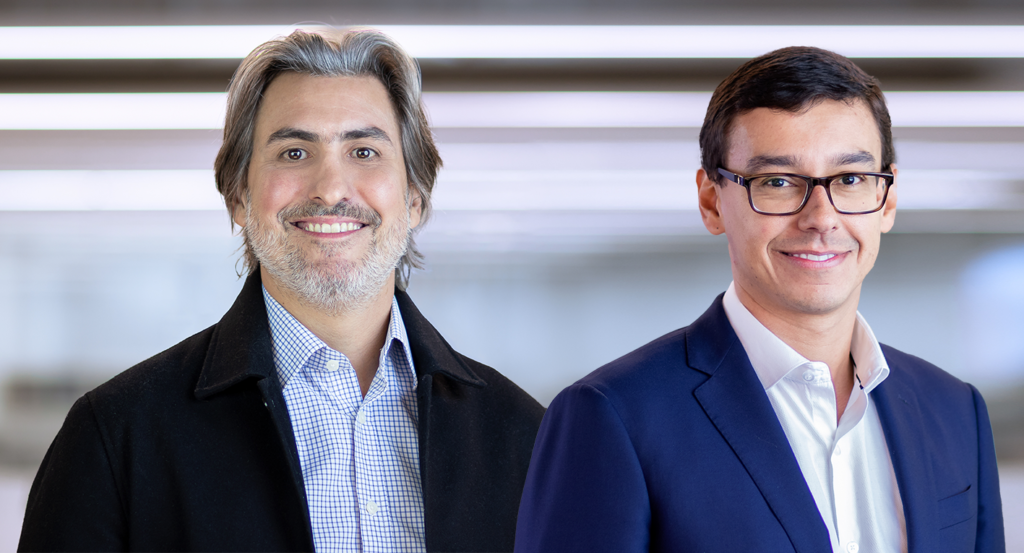
TTR Dealmaker Q&A with Machado Meyer Advogados Partners Elie J. Sherique and Guilherme Bueno Malouf

Machado Meyer Advogados

Elie J. Sherique

Sherique is a specialist in corporate law, national and cross-border mergers and acquisitions, private equity operations, capital markets, and corporate governance, besides joint ventures, corporate reorganizations, international investments, structured operations, business transactions, financial products and operations involving publicly-held companies. He has previous experience in operations concerning several sectors, in particular, automotive, banking, construction, electronics, energy, pharmaceutical, real estate, mining, oil and gas, financial services, general services, technology, telecommunications, and retail. Is part of the Latin American & Iberian Desk of Machado Meyer, assisting some of the main Spanish and Latin American investors in Brazil.

Guilherme Bueno Malouf

Expert in M&A transactions, private equity investments, organization of structured investment funds, especially Equity Investment Funds (FIP), Real Estate Investment Funds (FII), and Credit Rights Investment Funds (FIDC). Malouf has extensive experience in the food and beverage, steel, cement, real estate, energy, services, technology, and retail. In addition to serving as head of our M&A practice, Malouf is also a member of the Asian Desk of our firm.


TTR: ¿What are your main conclusions for the M&A market in 2022?

The 2021 was an exceptional year to M&A transactions carried out in Brazil and we expect the market to remain warm for at least the next few months. We can relate this expectation to some factors, among them: the fact that in 2021 many companies capitalized themselves through IPOs and follow-ons with the objective of financing acquisitions in line with their expansion plans and the “unlocking” of the pipeline of ongoing operations that had been frozen because of the pandemic. We have been very active in operations in the technology, energy, financial services, healthcare and agribusiness sectors. We believe that in 2022 we will still see the effects of such trends, despite the turmoil arising from a very polarized election year and an external scenario with wars and rising interest rates in the US. In particular, we believe that the aforementioned sectors, especially technology and healthcare, will continue to be very strong and attract interest from strategic players and financial sponsors.

TTR: What are the most relevant drivers for consolidating the M&A market in Brazil, in 2022?

The post-pandemic, macroeconomic aspects and the presidential elections at the end of the year bring challenges for local companies as well as impact on investment decisions. Due to these factors, activity in the mergers and acquisitions market has been quite intense at the beginning of the year and consolidation movements have been noticed in several sectors of the economy. The availability of capital from certain publicly-held companies that in recent months have raised funds through the capital market, the less leveraged valuation value of companies in certain sectors of the economy and the need for funds to carry out investments for those companies that have not accessed the market of capital and/or received investments in recent years, are essential factors to drive consolidation in the M&A market. We have seen that the retail, health, technology and energy sectors have stood out in this consolidation movement.

TTR: In which sectors might international investors find the biggest opportunities in Brazil? Why?

We understand that the energy market has been generating good business opportunities in the M&A market, as several companies in the sector have been investing in renewable matrices and developing new forms of energy generation (not to mention the energy transition movement). Brazilian agribusiness deserves to be highlighted due to the high global need for such commodities in the post-pandemic period, as well as the current exchange rate value that maximizes the return of companies in the sector on exports. We believe that the technology sector will remain one of the most active sectors, attracting the attention of strategic and financial investors. Finally, we also bet on the health sector, in several of its aspects (clinics and hospitals, pharmaceuticals, healthtech). This sector proved to be heated in 2021 and continues with a strong trend.

TTR: Machado Meyer ha sido uno de los asesores líderes en operaciones de energías renovables en Brasil, ¿Cuáles serán las perspectivas de este sector en el mediano y largo plazo?   

We have been working quite often for companies in the renewables sector, both on the buying and selling side. In recent months we have represented local players and foreign investors who have shown a lot of interest in renewable energy matrix projects. As Brazil has a favorable regulatory environment and a very advantageous geographic capacity, we believe that the renewable energy sector will remain very active and heated in the medium and long term.

TTR: How will the conflict between Russia and Ukraine impact the energy sector, and what does this mean for M&A market?

The conflict between Russia and Ukraine has unleashed an unprecedented impact on gas supplies to Europe. The dependence of several European countries on this energy source was evident. This scenario has made the discussions regarding the need to implement the energy transition to cleaner and renewable energy sources to gain strength, which in a way can even help the flow of operations in Brazil. On the other hand, wartime generates greater conservatism on the part of investors, who may choose to “play safe” and postpone expansion plans. The increase in US interest rates may intensify this scenario.

TTR:  How has Machado Meyer handled the crisis in terms of advising clients and what opportunities has the company identified through the current situation in the country?

In recent years Machado Meyer has been consolidating its leadership position in the execution of M&A transactions, both in terms of the number of transactions carried out as well as the volume of transactions handled by the firm’s partners. In recent years, the firm has worked on a large number of multi-billion M&A transactions. In 2021, we were the leading firm in Latin America in terms of the number of operations carried out in M&A, capital markets and debt issuance transactions. We understand that our experience in relevant M&A transactions, combined with our relevant client base and the level of seniority of the partners working in M&A transactions, has made Machado Meyer’s M&A practice have had an exceptional performance in recent times of crisis.

In times of crisis, like the current one, we always try to put ourselves in the position of our customers and help them navigate the (more or less strangled) processes they were going through. Such assistance even includes the adoption of more flexible billing arrangements. In terms of opportunity, we understand that the resilience of agribusiness and the attractive price of our assets (especially after the devaluation of the real) represent important attractions for investors and times explored in the investor market.

TTR: What will Machado Meyer main challenges be in terms of M&A deals in Brazil during 2022?

Surely the biggest challenge we will have in 2022 will be the presidential elections in October. Historically, presidential elections in Brazil end up generating uncertainty and distrust of certain investors regarding the continuity of regulatory, economic and political agendas. In any case, our M&A team is very confident that despite the current political scenario, we have enough subsidies to support our clients in order to carry out M&A transactions with confidence and security even in adverse political and electoral conditions.


Portuguese version


Machado Meyer Advogados

Elie J. Sherique

Especialista em direito societário, fusões e aquisições domésticas e cross-border, operações de private equity, mercado de capitais, governança corporativa, além de joint ventures, reorganizações societárias, investimentos estrangeiros, operações estruturadas, transações comerciais, produtos financeiros e operações envolvendo companhias de capital aberto. Tem experiência em operações envolvendo diversos setores, principalmente automotivo, bancário, construção, eletroeletrônico, energia, farmacêutico, imobiliário, mineração, petróleo e gás, serviços financeiros, serviços em geral, tecnologia, telecomunicações e varejo.

É membro do Latin American & Iberian Desk do Machado Meyer, assistindo a alguns dos principais investidores espanhóis e latino-americanos no Brasil.

Guilherme Bueno Malouf

Especialista em operações de M&A, investimentos de private equity e constituição de fundos de investimento estruturados, principalmente Fundos de Investimento em Participações (FIP), Fundos de Investimento Imobiliário (FII) e Fundos de Investimento em Direitos Creditórios (FIDC). Malouf tem ampla experiência nos segmentos de alimentos e bebidas, cimento, serviços de segurança, imobiliário, energia, serviços, tecnologia e varejo. Além de atuar como head da nossa área de M&A, Malouf também é membro do Asian Desk do nosso escritório.


TTR: Quais são suas principais conclusões para o mercado de M&A no 2022?

O ano de 2021 foi um ano excepcional em termos de operações de M&A realizadas no Brasil e temos a expectativa que o mercado se mantenha aquecido pelo menos pelos próximos meses. Podemos relacionar tal expectativa a alguns fatores, dentre eles: o fato de que em 2021 muitas empresas se capitalizaram por meio de IPOs e follow-ons com o objetivo de financiar aquisições em consonância com seus planos de expansão e o “destravamento” do pipeline de operações em curso e que haviam sigo congeladas por conta da pandemia. Temos estado bastante ativos em operações nos setores de tecnologia, energia, serviços financeiros, saúde e agronegócio. Acreditamos que em 2022 ainda observaremos os efeitos de tais tendências, em que pesem as turbulências advindas de um ano eleitoral muito polarizado e um cenário externo com guerras e elevação dos juros nos EUA. Em particular, acreditamos que os setores acima mencionados, especialmente tecnologia e saúde, seguirão muito forte e atraindo interesse de players estratégicos e de financial sponsors.

TTR: Quais são os fatores mais relevantes para a consolidação do mercado de M&A no Brasil, em 2022?

O pós-pandemia, os aspectos macroeconômicos e as eleições presidenciais no fim do ano trazem desafios para as empresas locais bem como impactam nas decisões de investimento. Em razão de tais fatores, a atividade no mercado de fusões e aquisições tem sido bastante intensa neste início de ano e movimentos de consolidação vêm sendo percebidos em diversos setores da economia. A disponibilidade de capital de certas companhias abertas, que nos últimos meses captaram recursos através do mercado de capitais, o valor menos alavancado de avaliação de empresas de certos setores da economia e a necessidade de recursos para realização de investimentos para aquelas empresas que não acessaram o mercado de capitais e/ou receberam investimentos nos últimos anos, são fatores essenciais para impulsionar a consolidação no mercado de M&A. Temos visto que os setores de varejo, saúde, tecnologia e energia tem se destacado neste movimento de consolidação.

TTR: Em quais setores os investidores internacionais podem encontrar as maiores oportunidades no Brasil? Por quê?

Entendemos que o mercado de energia vem gerando boas oportunidades de negócio no mercado de M&A pois diversas empresas do setor vêm investindo em matrizes renováveis e desenvolvimento de novas formas de geração de energia (sem contar o movimento de transição energética). O agronegócio brasileiro merece destaque em razão da alta necessidade mundial por tais commodities no pós-pandemia, bem como pelo valor atual do câmbio que maximiza o retorno das empresas do setor nas exportações. Acreditamos que o setor de tecnologia se manterá como um dos setores mais ativos, atraindo atenção de investidores estratégicos e financeiros. Por fim, apostamos também no setor de saúde, em várias de suas vertentes (clínicas e hospitais, farmacêutico, healthtech). Esse setor se mostrou aquecido em 2021 e segue com tendência de forte movimentação.

TTR: Machado Meyer é um dos principais assessores em operações de energia renovável no Brasil. Quais são as perspectivas desse setor no médio e longo prazo?

Temos atuado com bastante frequência para empresas do setor de renováveis, seja na ponta compradora bem como na ponta vendedora. Nos últimos meses temos representado players locais e investidores estrangeiros que têm mostrado bastante interesse nos projetos de matrizes de energia renovável. Em razão do Brasil possuir um ambiente regulatório favorável e uma capacidade geográfica bastante vantajosa, entendemos que o setor de energia renovável seguirá bastante ativo e aquecido no médio e longo prazo.

TTR: Como o conflito entre a Rússia e a Ucrânia afetará o setor de energia, e o que isso significa para o mercado de fusões e aquisições?

O conflito entre Rússia e Ucrânia desencadeou um impacto sem precedentes no fornecimento de gás para a Europa. Ficou evidente a dependência de diversos países europeus a esta fonte de energia. Tal cenário fez com que as discussões relativas à necessidade de se implementar a transição energética para formas de energias mais limpas e renováveis ganhassem força, o que de certa forma pode até ajudar o fluxo de operações no Brasil. Por outro lado, tempos de guerra geram maior conservadorismo por parte de investidores, que podem optar por “play safe” e postergar planos de expansão. O aumento de juros norte-americanos pode intensificar esse cenário.

TTR: Como o Machado Meyer lidou com a crise em termos de assessoria aos clientes e quais oportunidades o escritório identificou na situação atual do país?

Nos últimos anos o Machado Meyer vem consolidando sua posição de liderança na execução de operações de M&A seja pela quantidade de operações realizadas bem como pelo volume das operações trabalhadas pelos sócios do escritório. Nos últimos exercícios, o escritório trabalhou em um grande número de operações de M&A multibilionárias. Em 2021, fomos o escritório líder da América Latina em quantidade de operações realizadas em M&A, mercado de capitais e transações de emissão de dívida. Entendemos que nossa experiência em operações relevantes de M&A, aliada à nossa relevante base de clientes e o nível de senioridade dos sócios que atuam em operações de M&A, fez com que a prática de M&A do Machado Meyer tivesse tido um excepcional desempenho nestes últimos tempos de crise.

Em tempos de crise, como o atual, tentamos sempre nos colocar na posição de nossos clientes e ajudá-los e navegar pelos processos (mais ou menos estrangulados) por que passavam. Tal auxílio inclui, inclusive,  a adoção de arranjos de cobrança mais flexíveis. Em termos de oportunidade, entendemos que a resiliência de nosso agronegócio e o preço atrativo de nossos ativos (especialmente após a desvalorização do real) representam atrativos importantes para investidores e tempos ao explorado junto ao mercado investidor.  

TTR: Quais serão os principais desafios do Machado Meyer em termos de transações de M&A no Brasil durante 2022?

Seguramente o maior desafio que teremos em 2022 serão as eleições presidenciais no mês de outubro. Historicamente, eleições presidenciais no Brasil acabam por gerar incertezas e desconfiança de certos investidores quanto à continuidade de pautas regulatórias, econômicas e políticas. De toda forma, nossa equipe de M&A está bastante confiante que apesar do cenário político atual, temos bastante subsídios para apoiar nossos clientes de forma que realizem transações de M&A com confiança e segurança mesmo em condições político-eleitorais adversas.

Dealmaker Q&A

Content available in English and Spanish (scroll down)

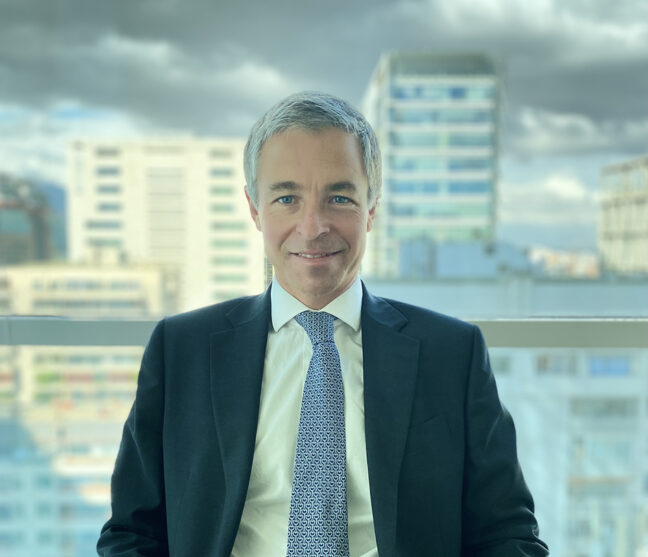
TTR Dealmaker Q&A with Auriga Global Investors Head of Financial Services Diego García de la Peña

Auriga Global Investors

Diego García de la Peña

Head of Hedging Consulting for Private Equity, infrastructure, real estate, family offices and corporate funds, as well as Head of Debt Alternative Investments for corporates at Auriga. In both activities, the objective is to provide solutions for the capital structure of companies and help them and their sponsors to develop their business plans.

Previously, he worked as Structured Solutions Sales for Financial Sponsors at European level, as well as for Spanish corporates at Unicredit Bank, London (2007-2011). Previously, he was Director of Interest Rate Hedging Sales for the Network and Corporates at Cajamadrid and Corporate Treasury Sales at Banesto.


TTR: 2022 promises to be a record year for private equity and venture capital investment in Spain, given the strong investment activity in the second half of 2021, which will result in the closing of a large number of deals in the coming months. Have you seen this positive evolution in your business? 

Yes, definitely. 2021 was an anomalous year for us because many deals were analysed but not closed and started to crystallise in 2022. However, since the beginning of this year, we are closing all those deals and with a lot of new transaction activity, so we expect it to be a record year in terms of number and size of deals. In terms of segments, we are seeing a lot of activity in the renewable energy sector and in private equity, with a less movement in real estate. 

TTR: Are Sponsors and Corporates’ cost analysis changing in order to take into account and tackle inflation risks derived from Commodities, rentals, energy and others? 

In fact, what is happening is that it has come to the forefront of concerns. During the long period of low inflation, it was factored into the analysis, but there was no concern that inflation could spike in such a way that it could dramatically change costs. Now, recent inflation developments are impacting the cost line in such a way that clients are looking at ways to limit this impact risk from the outset, either through financial instruments or through specific contractual arrangements. 

TTR: Are you seeing an increase in Renewable Energy Development Projects’ Financing deals? 

Yes, we are seeing a significant increase. In terms of operational assets, there continue to be sale and purchase operations of assets and platforms, which are generally accompanied by the corresponding refinancing. But where we are experiencing a notable increase is in assets under development. 2021 was a year of impasse in these assets due to the delay in administrative procedures and authorisations, so this year there are a large number of projects in RTB status and, therefore, in the construction period, which means that all financing is being articulated. 

TTR: Are you observing an increase in pre-hedging analyses for expected deals resulting from the increase in estimated interest rates? 

Rising interest rates are a greater concern than even rising inflation costs. As the risk is more determinable and easier to hedge than inflation’s, we are seeing a lot of demand for pre-hedging analysis for deals under consideration. We are seeing this in two segments in particular: in Renewables projects under development, between the signing of the Framework Financing Agreements and the actual drawdown of the financing once RTB status has been achieved; and in the Private Equity segment between the signing of the Sale and Purchase Agreement and the expected availability of the financing. 

TTR: Are sponsors and corporates challenged by the Libor-SOFR transition? How are you handling the decisions on new loans granted in USD due to the change of Reference Index? 

Generally, the recommendation is to enter directly with SOFR reference and not to have a period of Libor with transition to SOFR in 2023. The important thing in these cases is to negotiate well with the banks the spreads that they apply when making the loan with SOFR reference and that they are really equivalent to the spread they would apply if they did it with Libor. 

TTR: Some studies highlight that the most attractive sectors for investors in Spain are those related to energy, technology, education and healthcare. Are you seeing deals in these areas? 

Indeed, the energy sector remains one of the most active. In the health sector, there are operations by manufacturers and distributors of capital goods or high-value devices for specialists. And in education we are also seeing a lot of movement. Another tremendously dynamic sector is agriculture and food, where we have been involved in several transactions. 

TTR: What transactions would you highlight from those you have recently closed? 

Taking advantage of the opportunity, a leading private equity firm, after discussing rate hikes, decided to hedge 50% of a syndicated loan it had in place since 2021 with a cap in anticipation of rate hikes. On the other hand, we have advised a company in the oil sector on the closing of a syndicated loan and in order to adapt the hedging to its business and financial strategy it had to close a mixed strategy of short-term cap and a longer-term swap starting forward start. In addition, we supported a renewable energy fund which, taking advantage of having an existing derivative in the financing to be refinanced, kept that existing derivative complemented with a new derivative, in order to optimise its cost and financial structure.


Spanish version


Auriga Global Investors

Diego García de la Peña

Responsable de Consultoría de Coberturas a fondos de Private Equity, infraestructuras, inmobiliarios, family offices y empresas, así como responsable de Inversiones Alternativas en Deuda para corporates en Auriga. En ambas actividades, el objetivo es proveer soluciones para la estructura de capital de las empresas y ayudar a las mismas, así como a los sponsors a desarrollar sus planes de negocio.

Anteriormente, trabajó como Structured Solutions Sales para Sponsors Financieros a nivel europeo, así como para corporates españoles en Unicredit Bank, London (2007-2011). Previamente, fue director del departamento de Ventas de coberturas de tipos de interés para la Red y Empresas en Cajamadrid y Corporate Treasury Sales en Banesto.

TTR: El 2022 promete ser un año de récord de inversión en private equity y venture capital en España, dada la gran actividad inversora del segundo semestre de 2021 que se derivará en el cierre de un elevado número de operaciones en los próximos meses. ¿Habéis apreciado esta evolución positiva en vuestro ámbito de negocio? 

Sí, claramente. El 2021 fue un año anómalo para nosotros porque que se analizaron muchas operaciones, pero no se cerraron y han empezado a cristalizar en 2022. En cambio, desde que ha empezado este año estamos inmersos en el cierre de operaciones y con mucha actividad de transacciones nuevas, por lo que prevemos que sea un año récord en número y en tamaño de los deals. En cuanto a segmentos, estamos viendo una gran actividad en el sector de las energías renovables y en private equity, siendo un año menos activo en Inmobiliario para nosotros. 

TTR: ¿Está cambiando el análisis de costes de los Sponsors y las empresas para hacer frente a los riesgos de inflación derivados de las materias primas, los alquileres, la energía y otros sectores? 

En realidad, lo que está pasando es que ha entrado en la primera línea de las preocupaciones. Durante el largo período de inflación baja se tenía en cuenta en el análisis, pero no preocupaba que la inflación se pudiese disparar de tal forma que pudiese cambiar dramáticamente los costes. En estos momentos, la evolución reciente de la inflación impacta de tal manera en la línea de costes, que los clientes analizan desde el primer momento vías de acotar este riesgo de impacto, bien sea mediante instrumentos financieros o mediante articulaciones contractuales específicas. 

TTR: ¿Estáis apreciando un incremento de las operaciones de financiación de proyectos para el desarrollo de energías renovables? 

Sí, estamos viendo un incremento relevante. En cuanto a activos en operación, sigue habiendo operaciones de compraventa de activos y de plataformas, que llevan aparejadas generalmente su correspondiente refinanciación. Pero donde estamos experimentando un incremento notable es en activos en desarrollo. El 2021 fue un año de impasse en estos activos debido a la demora en las tramitaciones y autorizaciones administrativas, por lo que en este año hay un gran número de proyectos en status RTB y, por tanto, en período de construcción, lo que hace que se estén articulando todas las financiaciones. 

TTR: ¿Estáis observando un aumento de los análisis de precobertura para las operaciones previstas derivadas del aumento de los tipos de interés estimados? 

El aumento de los tipos de interés representa, si cabe, una preocupación superior incluso a la del incremento de los costes derivados de la inflación. Al ser un riesgo más determinable y más fácilmente acotable, está haciendo que tengamos mucha demanda de análisis de precobertura para operaciones en estudio. Lo estamos viendo sobre todo en dos segmentos. En el de los proyectos de Renovables en desarrollo, entre la firma de los Acuerdos Marco de Financiación y la disposición efectiva de la misma una vez llegado al status RTB. Y, por otro lado, en las transacciones de Private Equity entre que se firma la compraventa y se espera para poder disponer de la financiación. 

TTR: ¿Cómo se enfrentan los Sponsors y las empresas a la transición Libor-SOFR? ¿Cómo estáis gestionando las decisiones sobre nuevos préstamos concedidos en USD debido al cambio del Índice de Referencia? 

Generalmente, la recomendación está siendo entrar ya directamente con referencia SOFR y no tener un período de Libor con transición a SOFR en 2023. Lo importante en estos casos, es negociar bien con los bancos los spreads que aplican al hacer el préstamo con referencia SOFR y que realmente sean equivalentes al spread que aplicarían si lo hiciesen a Libor. 

TTR: Algunos estudios destacan que los sectores más atractivos para los inversores en España son los relacionados con la energía, tecnología, educación y el sanitario. ¿Estáis apreciando deals en estos sectores? 

Efectivamente, el sector de la energía sigue siendo uno de los más activos. En el sector sanitario hay operaciones de fabricantes y distribuidores de bienes de equipo o aparatos de alto valor para especialistas. Y en el ámbito de la educación también estamos apreciando mucho movimiento. Otro sector tremendamente dinámico es el ligado a la agricultura y alimentación, en el que hemos estado involucrados en varias operaciones. 

TTR: ¿Qué transacciones destacarías de las que habéis cerrado recientemente? 

Por aprovechamiento de oportunidad, trabajamos para un private equity de primer orden, tras discutir las subidas de tipos, decidió cubrir un 50% de un préstamo sindicado que tenía vigente desde 2021 con un cap en previsión de subidas de tipos. Por otro lado, hemos asesorado a una compañía del sector de petróleo en el cierre de un préstamo sindicado y con el fin de adecuar la cobertura a su estrategia empresarial y financiera tuvo que cerrar una estrategia mixta de cap a corto plazo y un swap a más largo plazo empezando forward start. Además, hemos apoyado a un fondo de energías renovables que, aprovechando que tenía un derivado existente en la financiación a refinanciar, mantuvo ese derivado existente complementado con un derivado nuevo, con el fin de optimizar su coste y estructura financiera.

Dealmaker Q&A

Content available in English and Portuguese (scroll down)

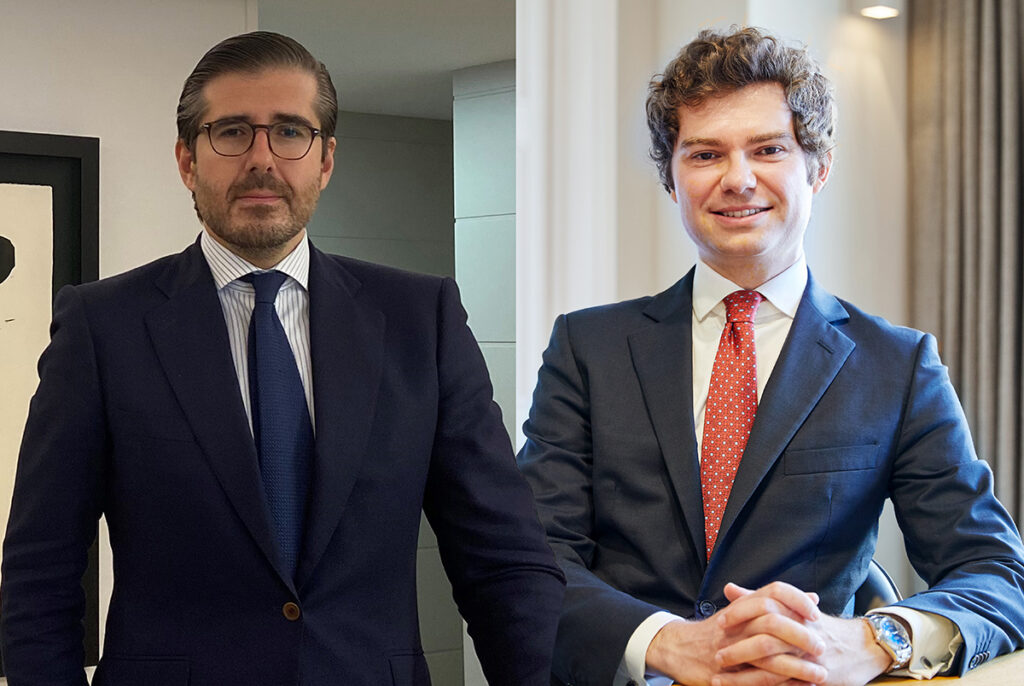
TTR Dealmaker Q&A with Cescon, Barrieu Flesch & Barreto Advogados Partner Eduardo Lanna

Cescon, Barrieu Flesch & Barreto Advogados

Eduardo Lanna

Eduardo Lanna is a partner in the areas of Mergers and Acquisitions, Corporate Law and Governance and Private Equity.​
He has extensive experience in advising foreign and national clients in local and cross border merger and acquisitions, assets sale, joint ventures, corporate restructurings, inbound and outbound investments, and other transactions involving a variety of economy sectors.
Eduardo has a recognized experience in the energy sector, whether in private or public / tender offer transactions. He provides legal assistance to public and private companies in relation to corporate and governance matters.


TTR: ¿What are your main conclusions for the M&A market in 1Q22?

A still very busy market, in which the tech sector stands out (IT services, software and telecom), in addition to health and power. Private equity funds remain highly active (investments and divestments alike), we have also followed and advised on the consolidation of large strategic players, and the venture capital market keeps growing stronger. Deal rankings show an increase in transaction volume, which reflects our perception that the first quarter of 2022 has still followed the heated market of 2021.

Macroeconomic and political factors, in addition to the pandemic outcomes, have showed they could play a more relevant role throughout the year.

TTR: What are the most relevant drivers for consolidating the M&A market in Brazil, in 2022?

In an election year, political factors and uncertainties arising in that process will probably impact to some degree the investment decision-making process and the formation of market behavior (including, on one end of the spectrum, a race to complete deals sooner rather than closer to the election and, on the other end, the strategy to postpone). Privatization deals should be more impacted, or even suspended, given that those are the most exposed and dependent on political factors.

Nevertheless, we think some sectors, such as the renewable energy industry, will remain attractive and keep providing satisfactory returns, irrespective of the election process and outcome.

At the same time, Brazil presents a more mature and resilient market, available capital for investment (following the IPO and follow-on wave in the last years), a favorable currency exchange for foreign investors, and good opportunities still resulting from structural changes triggered by the pandemics – all these factors are likely to remain relevant for the market year-round.

TTR: In which sectors might international investors find the biggest opportunities in Brazil? Why?

The M&A market in 2021 was extremely active and we still expect that business to continue in 2022.

The tech sector, of which we highlight fintechs and healthtechs, will remain heated, with good investment and consolidation opportunities, either by already strong players in the industry, investment funds or venture capital investors. The energy market shows continuing strength and a rising tendency, considering the existing investment opportunities, the search for a renewable matrix, development of generation technology (wind, solar, biomass and green hydrogen), the ongoing energy transition, and its important role for many companies with ESG commitments.

The health sector also shows continuous opportunities and a rising tendency. We have followed and advised on large transactions and expect the consolidation trend to continue.

Lastly, the agribusiness and infrastructure sectors (including public lighting privatization, sanitation, airports and roadways) will probably keep attracting large investors in a heated market, despite the natural turbulence of an election year.

TTR: Cescon Barrieu is one of the leading advisors on renewable energy deals in Brazil. What are the perspective of this sector in the mid- and long-term? 

The renewable sector continues to be a fast growing market and plays an important role in the Brazilian energy matrix. Brazil has an important and privileged geographic advantage for renewable projects – wind, solar, biomass – and is also developing the regulations for offshore wind plants and for green hydrogen. It is a consolidated sector with a strong and consistent regulatory environment which requires major investments and creates opportunities in the mid and long term. We have been acting for local players and international private equity funds, both on the buy- and sell-side, and we believe that this market will continue to grow and develop in the near future and in the long-run.

Our power team, which combines our M&A and regulatory expertise, is working on several important transactions in this sector involving all areas – distribution companies, transmission deals, development and acquisition of generation farms, studies for offshore wind projects, distributed generation small scale project and self-production structures.

TTR: How will the conflict between Russia and Ukraine impact the energy sector, and what does this mean for M&A market?

The conflict creates a major impact for the gas supply in Europe, shedding light on that continent’s dependence on Russian fossil fuels. This has notably rekindled the public debate on the need for a quicker energy transition (which, of course, is greatly associated with the renewable energy industry), not only from a climate and ESG perspective but also from a geopolitical and commercial standpoint.

Specifically for the M&A market, we noted that many investors, banks, local and international firms have ceased or suspended deals and negotiations which involve Russian assets or controlled companies. There may be some movements arising from the sanctions, but it is a very delicate situation right now to predict how this will affect the M&A market.

With regard to the renewables sector, a stronger energy transition in Europe means an overall greater global interest in alternative energy sources, including in respect of Brazil, even if the investment portfolio tends to grow larger and more diverse worldwide.

TTR:  How has Cescon Barrieu handled the crisis in terms of advising clients and what opportunities has the company identified through the current situation in the country?

As mentioned above, last year saw a record in M&A transactions and our team was very busy in almost all areas. IPO and debt transactions created a lot of opportunities and an intense flow of projects, as well as deals in the context of liquidity of certain companies, currency exchange rate (Real depreciation) and the then lower base interest rate (which is now raising again and changing this scenario).

As a full service law firm, we have invested in our team, hired and promoted new partners and developed new areas of practice focusing on our goals of having a diverse team committed to achieving the best results for our clients in all kinds of transactions.

TTR: What will Cescon Barrieu main challenges be in terms of M&A deals in Brazil during 2022?

Our main challenges will be to overcome the uncertainties created by the 2022 election, and explore sectors which are more resilient and which continue to offer opportunities and market movements. We will continue to focus on creative solutions, a strong and reliable team ready to work and represent our clients in transactions/projects in all sectors and contexts.


Portuguese version


Cescon, Barrieu Flesch & Barreto Advogados

Eduardo Lanna

Eduardo Lanna é sócio na área de Fusões e Aquisições, Societário, Private Equity e Governança Corporativa no Cescon Barrieu.
Possui ampla experiência na assessoria a clientes nacionais e estrangeiros em transações locais e cross border de fusões, aquisições, venda de ativos, joint ventures, reestrurações societárias, investimentos inbound e outbond, além de outras operações envolvendo diversos setores da economia. 
Eduardo possui destacada atuação no setor de energia, seja em transações privadas ou ofertas públicas. Representa companhias abertas e fechadas em questões societárias e de governança corporativa.

Áreas de atuação:
– Societário e Governança Corporativa
– Fusões e Aquisições
– Governança Corporativa
– Private Equity


TTR: Quais são suas principais conclusões para o mercado de M&A no primeiro trimestre de 2022?

Notamos um mercado ainda bem aquecido, com setor de tecnologia (IT services, software e telecom) se destacando, além de saúde e energia. Os fundos de private equity estão bem ativos (tanto investimentos quanto desinvestimentos), também acompanhamos e atuamos na consolidação de grandes players estratégicos, e o mercado de venture capital continua se fortalecendo. Os rankings mostram um aumento de operações e nos parece que o 1Q2022 ainda seguiu o forte movimento do 4Q2021.

As questões macroeconômicas e políticas, além de impactos da pandemia, já indicaram que podem ter efeito mais relevante no curso do ano.

TTR: Quais são os fatores mais relevantes para a consolidação do mercado de M&A no Brasil, em 2022?

Por ser um ano eleitoral, os fatores políticos e as incertezas geradas no curso desse processo provavelmente impactarão de alguma forma as decisões de investimento e movimentos no mercado de M&A, seja uma corrida para lançar e concluir os processos antes da eleição ou sua postergação. As operações decorrentes de privatizações devem sofrer maior impacto, ou até mesmo suspensão, já que são mais expostas e dependentes de fatores políticos.

Não obstante, acreditamos que alguns setores, como o de energia renovável, continuarão em alta e apresentando boas oportunidades de retorno, independentemente da eleição presidencial.

Ao mesmo tempo, temos um mercado mais maduro e resiliente, disponibilidade de capital para investimento (decorrente da onda de IPOs e follow-ons nos últimos anos), um câmbio favorável para investidores estrangeiros e boas oportunidades ainda decorrentes dos reflexos estruturais gerados pela pandemia, que continuarão como fatores relevantes para o mercado de M&A esse ano.

TTR: Em quais setores os investidores internacionais podem encontrar as maiores oportunidades no Brasil? Por quê?

O mercado de M&A em 2021 foi extremamente movimentado e esperamos que o movimento continue em 2022.

O setor de tecnologia, com destaque para as fintechs e healthtechs, continuará em alta com boas oportunidades de investimento e consolidação, seja por grandes players do setor, fundos e venture capital. O mercado de energia também se mostra forte e com tendência de alta considerando as oportunidades de investimento, busca por uma matriz renovável, desenvolvimento de tecnologias de geração (eólica, solar, biomassa e hidrogênio verde), transição energética e seu importante papel no compromisso ESG das companhias de uma forma geral.

O setor de saúde também continua com boas oportunidades e com tendência de alta. Acompanhamos grandes transações no setor e é provável que essa consolidação continue.

Por fim, o setor de agronegócios e infraestrutura (privatizações de iluminação pública, saneamento, novas concessões de aeroportos e rodovias) devem continuar atraindo grandes investidores com um mercado movimentado, apesar de toda a turbulência política do ano eleitoral.

TTR: Cescon Barrieu é um dos principais assessores em operações de energia renovável no Brasil. Quais são as perspectivas desse setor no médio e longo prazo?

O setor de renováveis continua sendo um mercado de crescimento acelerado e desempenha um papel importante na matriz energética Brasileira. O Brasil tem uma importante e privilegiada vantagem geográfica para os projetos de renováveis – eólicas, solares, biomassa – e está desenvolvendo uma regulação específica para plantas eólicas offshore e o hidrogênio verde. É um setor consolidado com forte e consistente ambiente regulatório que necessita de grandes investimentos, criando oportunidades no médio e longo prazo. Temos atuado para grandes players locais e fundos internacionais de private equity, na ponta vendedora e compradora, e acreditamos que esse mercado continuará a crescer e se desenvolvedor no futuro próximo e também em um horizonte de médio e longo prazo.

TTR: Como o conflito entre a Rússia e a Ucrânia afetará o setor de energia, e o que isso significa para o mercado de fusões e aquisições?

O conflito criou um relevante impacto para o fornecimento de gás na Europa, expondo a dependência desse continente nos combustíveis fósseis de origem russa. Isso reacendeu o debate da necessidade de uma transição energética mais rápida (bastante associada com a indústria de energia renovável), não somente de uma perspectiva climática e de ESG, mas também de um ponto de vista geopolítico e comercial.

Especialmente para o mercado de M&A, notamos que muitos investidores, bancos, companhias locais e estrangeiras interromperam ou suspenderam transações e negociações que envolvem ativos ou companhias com controle russo. Talvez o mercado acompanhará alguns movimentos decorrentes das sanções, mas é uma situação muito delicada neste momento para prever como isso afetará o mercado de M&A.

Em relação ao setor de renováveis, uma forte transição energética na Europa significa também um maior interesse global em fontes alternativas de energia, incluindo em relação ao Brasil, ainda que o portfolio de investimento tenha uma tendência de crescimento e diversificação mais ampla (global).

TTR: Como o Cescon Barrieu lidou com a crise em termos de assessoria aos clientes e quais oportunidades o escritório identificou na situação atual do país?

Como mencionado acima, o último ano registrou um recorde em transações de M&A e nosso time esteve bastante ocupado em todas as áreas. IPO e transações de captação de dívida criaram muitas oportunidades e um intenso fluxo de projetos, assim como deals no contexto de liquidez de certas companhias, taxa de câmbio favorável (com a depreciação do Real) e, à época, a baixa taxa de juros (que agora está subindo novamente, mudando este cenário).

TTR: Quais serão os principais desafios do Cescon Barrieu em termos de transações de M&A no Brasil durante 2022?

Nossos maiores desafios serão superar as incertezas criadas pelo cenário político-eleitoral de 2022 e explorar setores mais resilientes e que continuem a oferecer oportunidades e movimentos de mercado. Continuaremos com foco em soluções criativas, com um forte, consolidado e confiável time pronto para novos projetos e representar nossos clientes em transações em todos os cenários e diferentes contextos.