Dealmaker Q&A

Content available in English and Spanish (scroll down)

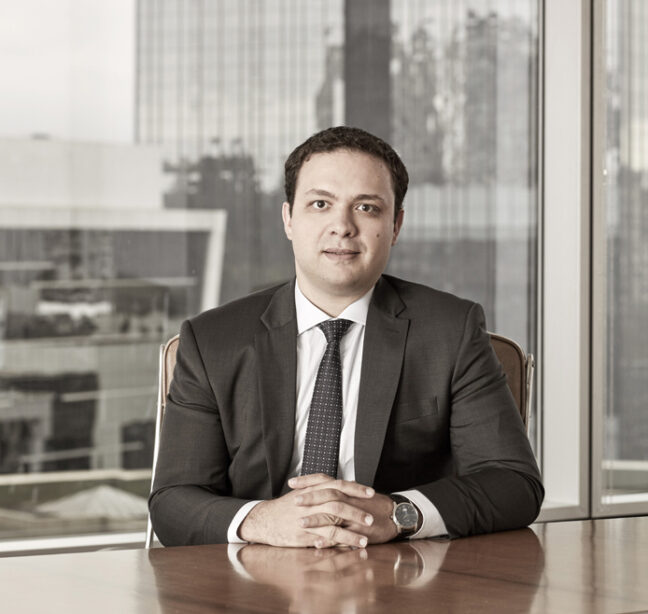
TTR DealMaker Q&A with King & Wood Mallesons Partner Roberto Pomares
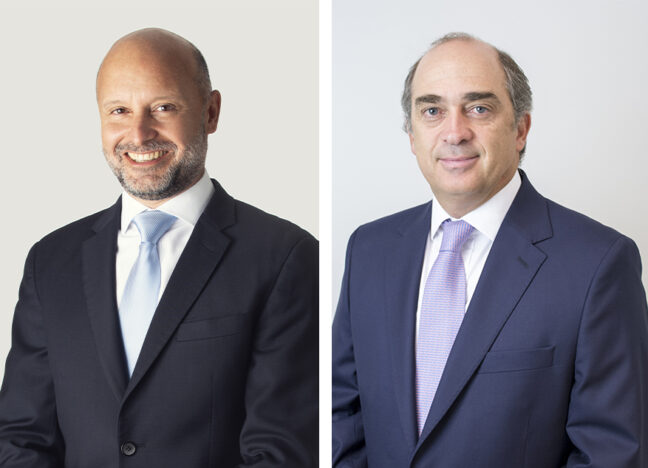
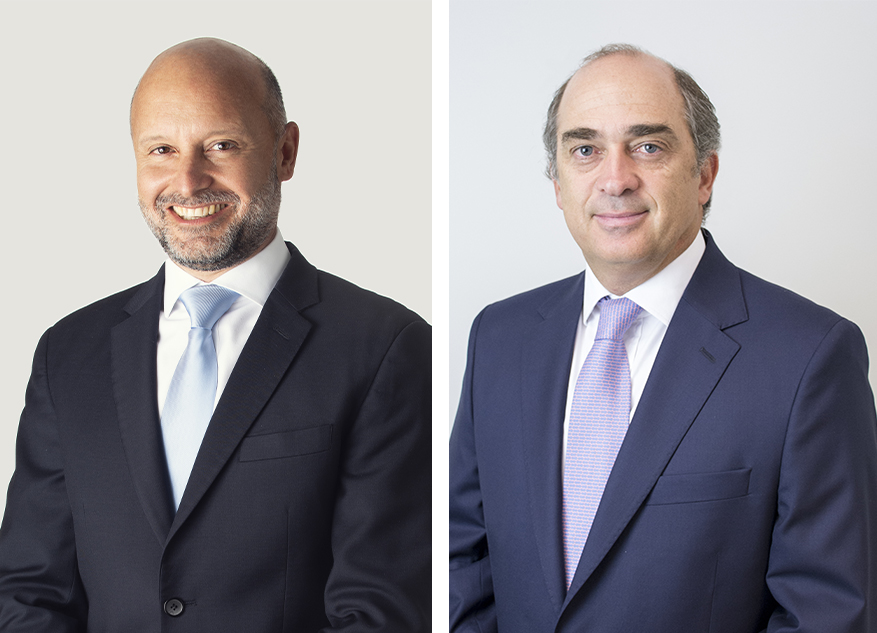
Roberto PomaresKing & Wood Mallesons

Roberto Pomares, partner and head of Corporate / M&A at King & Wood Mallesons in Spain, specialises in national and cross-border transactions. He advises on all types of corporate deals such as acquisitions, disposals, private equity investments and divestments, transactions in secondary markets (takeovers and IPOs) and corporate restructurings. Roberto is one of the most remarkable M&A lawyers in Spain and he is consistently involved in some of the major transactions. He has strong reputation in the energy and private equity sectors. Some of the companies he has advised include, among other, EDP Energías de Portugal, EDP Renováveis, DWS, First Sentier Investors, Galp, Finerge, Glendower Capital, Hayfin Capital, Capza and Alantra.


TTR: King & Wood Mallesons was one of the leading advisors on renewable energy deals in Spain in 2020. What are the most significant drivers for consolidation of this sector in the mid- and long-term? 

R.P.: It is ultimately thanks to our clients and the trust that they place in us that we have been able to participate in some of the most significant transactions completed this year, including EDP’s acquisition of Viesgo (including its renewables business), Galp’s purchase of Zero-E/Cobra’s renewable assets, sale by EDP Renováveis of a portfolio of assets to Finerge, and the joint venture between EDP Renováveis and Engie to create Ocean Winds, their joint platform for investing in offshore wind energy worldwide. 

In my view, the main drivers contributing to the consolidation of this sector are the extensive experience of the renewable sector operators in the Iberian market which has made them true global leaders, the abundant market opportunities available and, last but not least, the perceived mid- and long-term stability of the current regulatory framework. All of the above in addition to the global trend towards sustainable development, which has driven an increasing number of institutions from a wide array of sectors and profiles to show an interest in investing in the renewables sector. By way of example, we recently advised MAPFRE on its joint venture with Iberdrola for the development and operation of wind and solar projects. 

In light of all the above factors, the Spanish energy sector, and renewables in particular, demonstrated its maturity throughout 2020 and the first quarter of 2021, as the effects on this sector of the economic crisis resulting from the COVID pandemic were minimal. In fact, activity relating to energy sector transactions in 2020 was notably higher than in previous years. 

This trend remains steady and has even trended upward in 2021, with a particularly active renewables sector. In fact, several very significant processes are already underway and are expected to conclude in 2021, and the Spanish Government is expected to hold new capacity auctions in the coming months, thus further stimulating the market. 

Another driver in this industry has undoubtedly been the institutional support provided by both the European Commission and European governments as regards ecological transition as one of the pillars for the post-pandemic economic recovery. Various mechanisms to support the sector are being put in place that, among other objectives, are aimed at attracting investors to the market. 

TTR: What would be another two sectors that could offer the greatest opportunities in Spain for international investors in 2021 and why? 

R.P.: In general, as was the case with the previous economic crisis, the venture capital/private equity sector should play a significant role in Spain’s recovery, as it currently has abundant liquidity to support the industrial fabric of mid-sized companies in Spain, which is where this sector has historically focused most of its investments. 

This investor profile is paying particular attention to emerging opportunities in the health, technology, food and education sectors. In fact, during 2020 and the first quarter of 2021, we advised several Spanish and European investors on investments in these sectors. 

There are, in my view, several reasons that would justify focusing on these sectors, among which I would highlight: the opportunity to consolidate several small- and mid-sized operators; the fact that these sectors are not likely to be affected by situations such as the one we just experienced, as they address essential needs; and the expectation that some of these sectors will see significant growth in the post-crisis era, in particular technology, which has proven to be key in allowing the economy to continue operating remotely across many business sectors – it is clear that technology use across all populations increased exponentially during the pandemic. In this same vein, the education sector – including both in-person and, to an even greater extent, online education – is expected to grow significantly in the coming years. 

Finally, we must not forget about those industrial sectors that are linked to sustainability and which will undoubtedly continue to play an inevitable leading role in the coming years. 

TTR: What role do you expect foreign technology companies to play in M&A transactions in Spain in 2021? 

R.P.: Although we cannot completely rule out the possibility that a foreign technology company may carry out a large transaction, the reality is that, to date, this type of movement has been very rare, possibly because the Spanish technology sector is highly fragmented, with the number of large operators being able to be counted on the fingers 

of one hand. For this reason, the technology market has traditionally been revitalized through support granted by venture capital funds to mid-sized companies. 

In fact, the most recent transactions in the technology sector in Spain were led by Spanish or foreign investment funds. For example, Providence/PSG made several investments in recent months, including investments in MásMovil, Signaturit, Ivnosys and Nalanda. 

TTR: What was the situation regarding corporate restructurings in Spain in 2020 and what are the prospects for 2021? 

R.P.: I believe that the regulatory measures approved as a result of the COVID crisis, and in particular the furlough schemes (ERTEs), public (ICO) loans and the moratorium on bankruptcy applications had a certain relaxing effect during 2020, which is why corporate restructuring transactions have not yet seen a significant increase. Likewise, and despite the hopes linked to the vaccination processes, lingering uncertainties surrounding the final impacts of the pandemic have caused companies to delay the implementation of restructuring plans. 

However, it is clear that the crisis has had a concerning effect on the financial position of many companies which, in the coming months, will undoubtedly drive very significant increases in restructuring transactions, business consolidations and spin-off of non-core activities. This trend is projected to grow through 2021 and particularly in 2022. 

TTR: What will be the main challenges for King & Wood Mallesons in terms of M&A transactions in Spain in 2021? 

R.P.: The great challenge that both our firm and other law firms will have to face is the need to adapt to continuously changing circumstances and economic uncertainty. The current reality will force us to be able to foresee what until now was completely unforeseeable and to adjust the way we plan transactions; in short, we need to be more creative. As the English expression goes, we have to “think outside the box”, while still maintaining great strength from a technical point of view. Every day our clients will become more demanding regarding the outcome of our work and will expect more from us. Transactional lawyers can no longer limit their services to drafting technically accurate or even perfect legal agreements. On the other hand, we can expect a significant competition driven both by clients and by the firms themselves. 

Likewise, an international profile will be very important as transactions become more and more international and as the origins of operators active in the Spanish transactional market become more and more varied. This situation also requires a high degree of adaptability and the need for a strong international support network. 

King & Wood Mallesons is confident in our ability to face these challenges, as we consider the pursuit of quality and adaptability to be one of our hallmarks. In fact, throughout 2020, our teams showed an extraordinary ability to adapt to a new environment and a new way of carrying out our activity remotely, showcasing their ability to negotiate, sign and close deals of great depth and complexity remotely, all with a very high degree of client satisfaction.


Spanish version


Roberto PomaresKing & Wood Mallesons

Roberto Pomares, socio y director del equipo de Corporate / M&A de King & Wood Mallesons en España, está especializado en transacciones corporativas de ámbito nacional e internacional. Abogado con más de 20 años de experiencia, Roberto ha asesorado en todo tipo de operaciones tales como adquisiciones de M&A, inversiones y desinversiones de capital riesgo, transacciones en mercados secundarios (OPAs y OPVs) y reestructuraciones societarias. Cuenta con una amplia experiencia en los sectores de energía, infraestructuras y capital riesgo. Entre las compañías a las que ha asesorado se encuentran EDP Energías de Portugal, EDP Renováveis, DWS, First Sentier Investors, Galp, Finerge, Glendower Capital, Hayfin Capital, Capza y Alantra.


TTR: King & Wood Mallesons ha sido uno de los principales asesores líderes en operaciones de energías renovables en España en 2020, ¿Cuáles serán los drivers más relevantes para la consolidación de este sector en el mediano y largo plazo? 

R.P.: Efectivamente, gracias a la confianza de nuestros clientes hemos tenido la oportunidad de participar en algunas de las principales transacciones del año, como la compra por parte de EDP de Viesgo, incluyendo su negocio de renovables, la compra por Galp de activos renovables de Zero-E/Cobra, la venta por parte de EDP Renováveis de una cartera de activos a Finerge o la joint venture entre EDP Renováveis y Engie para crear Ocean Winds, su plataforma conjunta para invertir en eólico marino a nivel mundial. 

Desde mi punto de vista los principales drivers que están contribuyendo a la consolidación de este sector son la amplia experiencia de los operadores en el sector de las renovables en el mercado ibérico, lo que les hace ser considerados como referentes a nivel mundial, la existencia de un amplio número de oportunidades en el mercado y, por último pero no menos importante, la percepción de estabilidad a medio y largo plazo del marco regulatorio existente. Todo ello, sin olvidar la tendencia global hacía el desarrollo sostenible que hace que cada vez más entidades de diversos sectores y perfiles estén mostrando su interés en invertir en el sector de las renovables. A modo de ejemplo, recientemente hemos tenido la oportunidad de asesorar a MAPFRE en su joint venture con Iberdrola para el desarrollo y explotación de proyectos eólicos y fotovoltaicos. 

Como consecuencia de todos esos factores, durante el año 2020 y el primer trimestre de 2021 el sector de la energía en España, y las renovables en particular, ha demostrado su madurez, apenas viéndose afectado por la crisis económica derivada de la pandemia del COVID. De hecho, la actividad en operaciones en el sector energético durante 2020 fue claramente superior a la de años anteriores. 

Esta dinámica se está manteniendo, o incluso incrementando, durante 2021, donde el sector de las renovables está especialmente activo. De hecho, hay ya varios procesos de gran relevancia en marcha que se espera concluyan durante el 2021, así como la expectativa de que el Gobierno celebre nuevas subastas de capacidad a lo largo de los próximos meses, lo cual animará más el mercado. 

Otro de los motores de la industria está siendo sin duda el respaldo institucional, tanto de la Comisión Europea como de los gobiernos europeos, a la transición ecológica como uno de los puntales para la recuperación económica tras la pandemia. Se están poniendo en marcha distintos mecanismos de apoyo al sector que tienen como objetivo, entre otros, atraer inversores al mercado. 

TTR: ¿Cuáles serían otros dos sectores que podrían ofrecer las mayores oportunidades en España a los inversores internacionales en 2021 y por qué? 

R.P.: En general el sector del capital riesgo, al igual que pasó en la anterior crisis económica, debería tener un importante protagonismo en la recuperación del país, ya que en estos momentos cuenta con abundante liquidez para apoyar el tejido industrial de medianas empresas en España, que es donde han venido centrando históricamente la mayoría de sus inversiones. 

Este perfil de inversores está mirando con especial atención a las oportunidades que están surgiendo en los sectores de la salud, tecnología, alimentación y educación. De hecho, durante 2020 y el primer trimestre de 2021 hemos tenido la oportunidad de asesorar a diversos inversores españoles y europeos en inversiones en estos sectores. 

Existen, a mi modo de ver, diversos motivos que justifican la atención sobre estos sectores, entre los cuales destacaría: la existencia de oportunidades de consolidación de diversos operadores de pequeño y mediano tamaño; el ser sectores que no debieran verse afectados por situaciones como la que hemos vivido, dado que son necesidades esenciales; y la expectativa de que algunos de ellos crezcan de forma relevante en la era postcrisis, en particular la tecnología, que ha demostrado ser clave para permitir que la economía siguiese operando de una forma no presencial en muchos sectores de actividad, siendo evidente que durante la pandemia el uso de la tecnología por parte de todos se ha incrementado de forma exponencial. En esta misma línea, el sector de la educación, tanto presencial como, sobre todo, on-line, se espera que incremente su actividad de forma importante en los próximos años. 

Por último, no debemos olvidar todos los sectores industriales vinculados a la sostenibilidad, los cuales, sin duda, seguirán teniendo un ineludible papel protagonista en los próximos años. 

TTR: ¿Qué papel espera que desempeñen las empresas extranjeras de tecnología en las fusiones y adquisiciones en España en 2021? 

R.P.: Si bien no es descartable que llegue a producirse alguna gran operación por parte de un operador extranjero de tecnología, la realidad es que hasta la fecha este tipo de movimientos han sido muy escasos, posiblemente porque el sector de las empresas tecnológicas españolas está muy atomizado y los operadores con cierto tamaño se cuentan con los dedos de una mano. Por ello, la dinamización del mercado tecnológico ha venido produciéndose tradicionalmente con el apoyo de fondos de capital riesgo a empresas de tamaño mediano. 

De hecho, las últimas operaciones que se han producido en el sector tecnológico en España han sido protagonizadas por fondos de inversión españoles o extranjeros. Sirva de ejemplo las diversas inversiones realizadas por Providence/PSG en los últimos meses que incluyen sus inversiones en MásMovil, Signaturit, Ivnosys y Nalanda. 

TTR: En cuanto a reestructuraciones societarias, ¿cuál fue la situación en 2020 y cuáles son las perspectivas para 2021 en España? 

R.P.: Considero que las medidas regulatorias aprobadas con motivo de la crisis del COVID y en particular los ERTEs, los créditos ICO y la moratoria para la solicitud de concurso de acreedores han tenido un cierto efecto anestésico durante el año 2020, motivo por el cual todavía no se ha producido un incremento relevante de las operaciones de reestructuración societaria. Asimismo, y a pesar de la esperanza generada por los procesos de vacunación, las incertidumbres todavía existentes sobre los impactos finales de la pandemia hacen que las empresas estén demorando la implementación de planes de restructuración. 

Sin embargo, es evidente que el impacto de la crisis está afectando de forma preocupante a la situación financiera de muchas empresas, lo que, sin duda, generará en los próximos meses un incremento muy relevante de las operaciones de restructuración, consolidación empresarial y segregación de actividades no esenciales. Previsiblemente, esta tendencia se va a intensificar a lo largo de este 2021 y sobre todo en 2022. 

TTR: ¿Cuáles serán los principales desafíos en términos de transacciones de M&A en España durante 2021 para King & Wood Mallesons? 

R.P.: El gran desafío al que se va a tener que enfrentar tanto nuestro despacho como el resto de firmas legales es la necesidad de adaptarnos a una realidad continuamente cambiante, así como a la incertidumbre económica a la que nos enfrentamos. La realidad actual nos exigirá que seamos capaces de prever lo que hasta ahora era algo imprevisto y modificar nuestra forma de plantear las transacciones; en resumen, debemos ser más creativos. Como dicen los anglosajones, tenemos que pensar outside the box, pero asimismo debemos mantener una gran solidez desde el punto de vista técnico. Cada día nuestros clientes serán más exigentes con el resultado de nuestro trabajo y esperarán más de nosotros. Un abogado transaccional ya no puede limitarse a redactar contratos técnicamente correctos, ni siquiera perfectos. Por otro lado, es previsible una gran presión competitiva generada tanto por los clientes y como por los propios despachos. 

Asimismo, será muy relevante el perfil internacional, cada día las transacciones son más internacionales y los orígenes de los operadores que están activos en el marcado transaccional español también son más variados. Esta circunstancia también exige un alto grado de capacidad de adaptación y la necesidad de contar con una red sólida de apoyo a nivel internacional. 

Desde King & Wood Mallesons afrontamos estos retos con confianza, dado que consideramos que esa autoexigencia y capacidad de adaptación ha venido siendo una de nuestras señas de identidad, de hecho durante 2020 nuestros equipos han mostrado una extraordinaria capacidad de adaptación a un nuevo entorno y una nueva forma de desarrollar nuestra actividad de manera no presencial, habiendo sido capaces de negociar, firmar y cerrar operaciones de gran calado y complejidad de forma no presencial, con un altísimo grado de satisfacción para nuestros clientes.
Dealmaker Q&A

TTR DealMaker Q&A with Cescon Barrieu partner Daniel Laudisio

Daniel LaudisioCescon Barrieu

Daniel Laudisio is a partner of the Banking and Finance, Capital Markets, Mergers and Acquisitions, Private Equity, Corporate Law and Governance, and ESG & Impact practices of Cescon Barrieu Advogados. He represents banks and other financial institutions, private equity firms, multinationals, private and public companies and other investors in a wide range of transactions including mergers, acquisitions, asset sales, joint ventures, equity and debt offerings and structured finance transactions in several different industries. His ESG & Impact practice involves sustainable finance matters. 

He holds a Bachelor of Laws degree (LL.B.) from Pontifícia Universidade Católica de São Paulo (PUC-SP) and Master of Laws degree (LL.M.) from Columbia University School of Law and was an international associate at a major New York law firm.

He is consistently recognized among the most prominent Brazilian lawyers in capital markets and finance by “Chambers and Partners”, “International Financial Law Review – IFLR” and “The Legal 500”.


TTR: How have historically low interest rates impacted the appetite for fixed income products in Brazil over the past 12 months, and what has this meant for your practice? 

D. L.: The low interest rates that we recently experienced resulted in a substantial increase in ECM transactions. It also presented liability management opportunities, particular for frequent issuers. 

Brazilian retail investors were mostly used to high returns deriving from fixed income investments and reaping the benefits from traditionally high interest rates. They would sit on fixed income assets and enjoy acceptable returns. 

A new local environment where lower interest rates began to affect returns forced the hand of retail investors to look for other investment opportunities with higher return rates. At the same time, Brazilian retail investors have increasingly become more familiar with the ideas of financial planning and investment through asset managers and broker dealers, as opposed to traditional investment using large commercial banks with whom they have their checking accounts. The increased number of independent financial planners, broker dealers and asset managers, coupled with the public pension reform that was recently approved also played a hand in it. 

TTR: What has buoyed the fixed income market over the past 18 months and how did ECM volatility impact issuances in Brazil? 

D. L.: While low interest rates afforded issuers with liability management opportunities and resulted in a very large number of ECM transactions, we also saw the Covid-19 pandemic result in an increase in distressed and high-yield transactions for issuers in industries that were most affected by the Covid-19 pandemic, such as transportation and entertainment. 

The ECM market has been extremely volatile, though. Notwithstanding the large number of recent IPOs, an even larger number of potential IPOs failed to price or failed to meet the valuation that issuers and selling shareholders were expecting. A large number of IPOs also priced close to the bottom of the price range, while other issuers experienced a significant share price increase in the first days of trading, perhaps indicating a higher than usual discount by institutional investors that participated in the bookbuilding. 

TTR: To what extent have issuances been driven by a pressing need for cash, versus opportunistic financial padding or share buybacks, versus more typical corporate financial management? 

D. L.: The extent that a particular issuer has been affected by the Covid-19 pandemic has been a determining factor. Issuers that were mostly affected had to tap capital markets to increase liquidity positions while issuers that either were not materially affected or actually benefited from opportunities created by the pandemic accessed capital markets for liability management and to fund opportunistic acquisitions or other investments. 

TTR: How has the focus on ESG translated into practical benefits for issuers that have taken a proactive approach to ESG matters? 

D. L.: The focus on ESG and sustainable finance has clearly presented issuers with the opportunity of raising capital at a lower cost. Green bonds attract the interest of funds that can only invest in companies or projects that have been certified as “green”. We have seen transactions on which interest rates could be reduced by as much as 10 basis points to the extent that the issuer obtained a green certification. 

TTR: What is your forecast for the fixed income market in Brazil this year, and which sectors will be most represented amongst issuers? 

D. L.: On DCM, to the extent that the privatization and divestment program of state-owned companies, of the Federal Government and of certain State Governments continue, a significant number of transactions that are infrastructure-related is expected, given BNDES’ reduced financing role in the past two years. Liability management is also expected to continue. 

Healthcare and health-related companies, fintechs and other tech companies tend to continue to be stars of the ECM market given the effects of the Covid-19 pandemic and the changes to consumer behavior deriving therefrom.

Dealmaker Q&A

Content available in English and Spanish (scroll down)

TTR DealMaker Q&A with Carey Partners Francisco Ugarte and Pablo Iacobelli

Carey

FRANCISCO UGARTE
Francisco is partner at Carey and co-head of the firm’s Corporate / M&A / Capital Markets and Banking and Finance groups.
He has been widely recognized, by international publications such as Chambers Latin America, Legal 500, Latin Lawyer and IFLR1000, among others. In 2020 he was named Lawyer of the Year in Structured Finance by Best Lawyers. 
He is member of the board of Sociedad Química y Minera de Chile (SQM), Votorantim Andina and Compañía Industrial El Volcán. He was also vice-chair of the Latin America & Caribbean Committee and a member of the Steering Group of the M&A Joint Venture Committee of the Section of International Law at the American Bar Association. Between 2001 and 2003 he worked as a foreign associate at Shearman & Sterling in New York. 
Francisco graduated from Universidad Católica de Chile and holds an LL.M. from The University of Chicago.

PABLO IACOBELLI
Pablo is a partner at Carey and co-head of the firm’s Corporate / Mergers & Acquisitions Group. 
He has been widely recognized by international publications such as Chambers Latin America, Legal 500, Latin Lawyer and IFLR1000, among others. In 2021 he was named Lawyer of the Year in private equity by Best Lawyers. 
He is officer of the Corporate Committee, Mergers and Acquisitions; former president of the Latin American Regional Forum; and member of the International Bar Association (IBA). Between 2015 and 2018 he was director of the World Services Group and between 2001 and 2003 he worked as a foreign associate at Shearman & Sterling in New York. 
Pablo graduated from the Universidad Católica de Chile and holds an LL.M. from Duke University.


TTR: In 1Q21, M&A volume fell in Chile and Latin America relative to 1Q20. How do you interpret this trend? What is your outlook for the rest of 2021? 

Carey: It does not seem to us that this is necessarily a trend, but rather a specific consequence of the pandemic and the political volatility that has affected the region. Currently the transaction pipeline is very powerful due to price adjustments, the strengthening of the dollar and opportunities in areas such as infrastructure and distressed M&A. On the other hand, the search for liquidity of many companies, especially multinational corporations, should continue to drive strategic divestments, which is attractive for investment funds in search of asset packages of an attractive size and geographic presence. 

Another relevant driver in the next transactions can be the ESG component. This was already a very important element in the merger process carried out by Enel Américas with Enel Green Power, in which the former absorbed the Latin American assets of the latter. It was an extremely large operation, in which the assets of Enel Green Power involved in the operation were valued at more than USD6 billion. There were difficulties in structuring, very tough negotiations with AFPs and funds, but one of the elements that stood out and led to the approval was the ESG component of the operation. The transaction was approved in December 2020 and closed on Thursday, April 1. 

This same driver is observed in recent investments in green hydrogen, the early closure of coal-based thermoelectric plants, etc. 

In addition, the Superintendency of Pensions published a regulation in November that obliges the AFPs to take into account ESG and climate risk considerations in their investment policies. Lastly, the CMF has a standard under consultation to incorporate information on ESG in the reports of the companies that trade their securities on the market. 

In addition, there is the advance of multilatinas, a phenomenon that has been taking place for several years and that responds, on the one hand, to the logical expansion that local companies with regional projection should follow, but also to a search for diversification on the part of local entrepreneurs. 

Finally, China, which is undoubtedly the engine of the world economy, will continue to expand its investments, imports and exports. For Chile, China is a strategic partner. On the one hand, they have boosted the value of copper, which is key for the economy of our country, and in addition, despite the pandemic, exports have continued to increase. In 2020, exports to China increased by 20.8% compared to 2019. In terms of direct investments, we believe that they will follow the same route, especially in sectors such as energy, mining and agriculture. 

TTR: Carey is one of the leading advisors on financial services deals in Chile. What will drive consolidation of this sector in the medium and long term? 

Carey: Today, the main driver of banks and financial institutions in general is the level and robustness of the technology that they can put at the service of customers. The pandemic has originated / demonstrated that technology helps financial clients to have a better quality of life with more security and less sacrifice. Lining up at a bank teller to cash a pension check, or carrying a large bag of cash, are no longer essential activities and can be replaced by a better and safer use of time. For this reason, banks and financial institutions that cannot make this technology available to their clients, corporate and retail, will have a smaller option to survive and will be possibly absorbed by those who have. 

Rigorous and professional supervision will also be a decisive element in the future structure of the sector, as it tends to eliminate those actors who are not capable of maintaining the levels of security, solvency or prudence that are required by an examiner who is increasingly focused on the protection of the saver, the payment chain and the system, in general. 

Finally, differentiation will be another very relevant factor in the future of the industry. Today, almost all players offer comparable products under comparable conditions. As the players offer different and more attractive products for customers, or facilitate the contracting, consultation and operation of their existing products and services, they will increase their customer base and with it the ability to stay in the best conditions. 

TTR: Which three sectors present the greatest prospects for for international investors in Chile in 2021, and why? 

Carey: Three sectors that may offer interesting investment opportunities for international investors in 2021, are the following: 

Renewable energies and lithium: The Chilean Government has launched a strategy for the development of green hydrogen in the country, based on its obtainment using renewable energies, through the process of electrolysis. In this respect, Chile has great potential for the development of low-cost green hydrogen, due to its solar and wind energy generation capacity; thus, the expectations are to place Chile at the forefront of green hydrogen production and exportation by 2030. 

In connection with the foregoing, the recent publication of the “energetic efficiency” law in February 2021 entails an important step forward, since said law recognizes hydrogen and its derivatives as fuel. Therefore, it is now necessary that the applicable regulations that shall regulate in detail the production, housing and transport of this fuel, among others, be enacted. 

Another area in which Chile is uniquely positioned is lithium. Chile is the biggest supplier of lithium after Australia and the government is actively seeking to attract interest from both established producers and smaller exploration companies to enter the country as it prepares to offer new licenses in a bid to grow output. 

Technological enterprises: The outbreak of the Covid-19 pandemic has accelerated the process of investing in technology in many industries, spanning the public sector, education, retail sales and health, among others. This trend opens an interesting opportunity for the investment in, or the incorporation of, companies that provide the necessary correlated services. 

Additionally, the Commission for the Financial Market (i.e. Chilean securities regulator) presented the Ministry of Finance, in November 2020, with a draft bill that regulates the “financial technologies” or Fintech, which goal is to establish a legal and regulatory framework for the platforms and Fintech-related activities within the securities market. This will potentially be an attractive investment alternative under a more appropriate and modern legal framework. 

Warehousing and distribution: The ever increasing penetration of e-commerce in Chile has deepened the need for companies to have warehousing space and efficient distribution networks, either of their own or third parties. In this sense, there is a valuable opportunity to establish and operate distribution centers, not only in the metropolitan area of Santiago, but also in the north and south of the country. 

TTR: What role will foreign tech companies play in mergers and acquisitions in Chile and Latin America in 2021? 

Carey: During 2020, mergers and acquisitions experienced an important decrease in Chile and the rest of Latin America. In this sense, foreign tech companies may avail of the opportunity to invest in a market which is still at its initial stages of development -notwithstanding it has become utterly important- contributing to its deepening through their know-how, in a region that has been, in general, severely hit by the Covid-19 pandemic. 

TTR: What will be the greatest challenges for Carey in its M&A advisory work in Chile in 2021? 

Carey: Firstly, there exists the challenge of carrying out transactions working remotely and not in person, as it used to be in the pre-pandemic times, which affects to some extent the coordination between teams, paperwork, relations with the authorities, etc. 

Secondly, we will face the challenge of providing legal advice in a social and political environment that has been instable for the last year and a half approximately, with an ongoing constitutional process; therefore, anticipating potential regulatory reforms and the consequences of the same will be critical to advise clients.


Spanish version


FRANCISCO UGARTE
Francisco es socio de Carey y uno de los miembros a cargo del Grupo Corporativo / Fusiones y Adquisiciones / Mercado de Capitales / Banca y Finanzas. 
Ha sido ampliamente reconocido, por publicaciones internacionales como Chambers Latin America, Legal 500, Latin Lawyer e IFLR1000, entre otras. En 2020 fue nombrado Abogado del Año en Finanzas Estructuradas por Best Lawyers. 
Es miembro del directorio de Sociedad Química y Minera de Chile (SQM), Votorantim Andina y Compañía Industrial El Volcán. También fue vicepresidente del Comité de América Latina y el Caribe y miembro del Grupo Directivo del Comité de Empresas Conjuntas de Fusiones y Adquisiciones de la Sección de Derecho Internacional de la American Bar Association. Entre 2001 y 2003 trabajó como asociado extranjero en Shearman & Sterling en Nueva York. 
Francisco se graduó de la Universidad Católica de Chile y tiene un LL.M. de la Universidad de Chicago.

PABLO IACOBELLI
Pablo es socio de Carey y uno de los miembros a cargo del Grupo Corporativo / Fusiones y Adquisiciones. 
Ha sido ampliamente reconocido, por publicaciones internacionales como Chambers Latin America, Legal 500, Latin Lawyer e IFLR1000, entre otras. En 2021 fue nombrado Abogado del Año en Private Equity por Best Lawyers. 
Es officer del Comité Corporativo, Fusiones y Adquisiciones; ex presidente del Latin American Regional Forum; y miembro de la International Bar Association (IBA). Entre el 2015 y el 2018 fue director de World Services Group y entre 2001 y 2003 trabajó como asociado extranjero en Shearman & Sterling en Nueva York. 
Pablo se graduó de la Universidad Católica de Chile y tiene un LL.M. de la Duke University


TTR: En el primer trimestre de 2021, el número de transacciones de M&A ha disminuido en Chile y América Latina con respecto al mismo periodo de 2020. ¿Cómo interpreta esta tendencia?, ¿qué perspectiva tiene para 2021? 

Carey: No nos parece que sea necesariamente una tendencia, sino que una consecuencia puntual de la pandemia y la volatilidad política que ha afectado a la región. Hoy el pipeline de transacciones es muy potente debido a los ajustes en los precios, el fortalecimiento del dólar y las oportunidades en áreas como la infraestructura y el distressed M&A. Por otro lado, la búsqueda de liquidez de muchas empresas, en especial corporaciones multinacionales, debiera seguir impulsado desinversiones estratégicas, lo que resulta atractivo para fondos de inversión en búsqueda de paquetes de activos de un tamaño y presencia geográfica atractivos. 

Otro driver relevante en las próximas transacciones puede ser el componente ESG. Este ya fue un elemento muy importante en el proceso de fusión que llevó adelante Enel Américas con Enel Green Power, en el cual la primera absorbió los activos latinoamericanos de la segunda. Fue una operación sumamente grande, en que los activos de Enel Green Power involucrados en la operación fueron valorizados en más de USD6 mil millones. Hubo dificultades en la estructuración, negociaciones muy duras con AFPs y fondos, pero uno de los elementos que destacaron y llevaron a éstos últimos a aprobar fue el componente ESG de la operación. La transacción se aprobó en diciembre 2020 y se cerró el jueves 1 de abril recién pasado. 

Este mismo driver se observa en las inversiones en hidrógeno verde del último tiempo, el cierre anticipado de termoeléctricas en base a carbón, etc. 

Además, la Superintendencia de Pensiones publicó una norma en noviembre que obliga a las AFPs a tener en cuenta consideraciones ESG y de riesgo climático en sus políticas de inversión. Ahora último, la CMF tiene una norma en consulta para incorporar información sobre ESG en las memorias de las sociedades que transan sus valores en el mercado. 

Además, está el avance de las multilatinas, un fenómeno que se viene dando hace varios años y que responde, por un lado, a la expansión lógica que debieran seguir las empresas locales con proyección regional, pero también a una búsqueda de diversificación por parte de empresarios locales. 

Finalmente, China que sin duda es el motor de la economía mundial en este momento, seguirá ampliando sus inversiones, importaciones y exportaciones. Para Chile, China es un socio estratégico. Por un lado, han impulsado el valor del cobre, lo que es clave para la economía de nuestro país, y además a pesar de la pandemia han seguido aumentando las exportaciones. En 2020, las exportaciones a China aumentaron en un 20,8% respecto de 2019. En cuanto a inversiones directas, creemos que seguirán la misma ruta, sobre todo en sectores como energía, minería y el agropecuario. 

TTR: Carey ha sido uno de los principales asesores en operaciones del sector financiero en Chile. ¿Cuáles serán los drivers más relevantes para la consolidación de este sector en el mediano y largo plazo? 

Carey: Hoy en día, el principal driver de los bancos e instituciones financieras en general, es el nivel y robustez de la tecnología que puedan poner al servicio de los clientes. La pandemia ha originado/demostrado, que la tecnología ayuda a los clientes financieros a tener una mejor calidad de vida con más seguridad y menos sacrificio. Hacer una fila en una caja de un banco para cobrar un cheque de pensión, o cargar una gran bolsa con dinero en efectivo, ya no son actividades indispensables y puede reemplazarse por un mejor y más seguro uso del tiempo. Por eso, los bancos e instituciones financieras que no puedan poner esa tecnología al alcance de sus clientes, corporativos y retail, tendrán una opción menor de sobrevivir y posiblemente sean absorbidos por aquellos que si lo hayan logrado. 

La supervisión rigurosa y profesional también será un elemento decisorio en la futura estructura del sector, al tender a eliminar a aquellos actores que no sean capaces de mantener los niveles de seguridad, solvencia o de prudencia que son requeridos por un fiscalizador cada día más enfocado en la protección del ahorrista, de la cadena de pagos y del sistema, en general. 

Por último, la diferenciación será otro factor muy relevante en el futuro de la industria. Hoy, casi todos los actores ofrecen productos comparables en condiciones comparables. Según los jugadores vayan ofreciendo productos diferentes y más atractivos para los clientes, o faciliten la contratación, consulta y operatividad de sus productos y servicios existentes, incrementarán su base de clientes y con ello la capacidad de mantenerse en las mejores condiciones. 

TTR: ¿Cuáles serían los tres sectores que podrían ofrecer las mayores oportunidades en Chile a los inversores internacionales en 2021, y por qué? 

Carey: Tres de los sectores que podrían ofrecer las mayores oportunidades de inversión a inversionistas internacionales durante 2021 son los siguientes: 

Energías renovables y litio: El Gobierno de Chile ha lanzado una estrategia para el desarrollo del hidrógeno verde en el país, en base a su obtención a través de energías renovables, mediante el proceso de electrólisis. A este respecto, Chile tiene un gran potencial para el desarrollo de hidrógeno verde a bajo costo, debido a su capacidad de generación de energía solar y eólica, por lo que espera estar a la vanguardia de la producción y exportación de hidrógeno verde hacia el año 2030. 

En este contexto, la reciente publicación de la ley de eficiencia energética en febrero de 2021 significa un importante paso adelante, al reconocer al hidrógeno y sus derivados como combustible. Por lo tanto, ahora es necesaria la dictación de los reglamentos aplicables que regularán en detalle la producción, almacenamiento y transporte de este combustible, entre otros. 

Otra área en que Chile cuenta con un posicionamiento único es el litio. Chile es el mayor productor mundial de litio después de Australia y el gobierno está activamente buscando atraer a empresas productoras ya establecidas así como compañías de exploración de menor tamaño para que inviertan en el país a medida que prepara la licitación de nuevas licencias de explotación para aumentar la producción. 

Empresas tecnológicas: La pandemia del Covid-19 ha acelerado el proceso de inversión en el uso de tecnologías en diversas industrias, desde el sector público, educación, ventas, salud, entre otros. Lo anterior abre una posibilidad interesante de inversión en, o constitución de, empresas prestadoras de los servicios que posibilitan lo ya indicado. 

Adicionalmente, la Comisión para el Mercado Financiero (i.e. regulador de valores de Chile) presentó en noviembre de 2020 al Ministerio de Hacienda un anteproyecto de ley que regula a las “financial technologies” o Fintech, cuyo objetivo es otorgar un marco jurídico y reglamentario a las plataformas y otras actividades Fintech relacionadas al mercado de valores. El objetivo es que se transformen en una atractiva alternativa de inversión bajo un marco jurídico más apropiado y moderno. 

Bodegaje y distribución: La creciente penetración del e-commerce en Chile ha profundizado la necesidad de las empresas de contar con espacios de almacenamiento y cadenas de distribución eficientes, ya sean propios o de terceros. En este sentido, hay una valiosa oportunidad para establecer y operar centros de distribución, no sólo en el área metropolitana de Santiago, sino también en el norte y sur del país. 

TTR: ¿Qué papel espera que desempeñen las empresas extranjeras de tecnología en las fusiones y adquisiciones en Chile y América Latina en 2021? 

Carey: Durante el año 2020 las operaciones de fusiones y adquisiciones experimentaron una notoria baja, tanto en Chile como en el resto de América Latina. En este sentido, las empresas extranjeras de tecnología pueden aprovechar la oportunidad de invertir en un mercado que se encuentra todavía en fases iniciales de desarrollo, pero que se ha vuelto absolutamente relevante, contribuyendo a su profundización a través de su know-how, en una región que, en general, ha sido golpeada duramente por la pandemia del Covid-19. 

TTR: ¿Cuáles serán los principales desafíos en términos de transacciones de M&A en Chile durante 2021 para Carey? 

Carey: En primer lugar, existe el desafío de llevar adelante transacciones trabajando de manera remota y no en persona, como era en los tiempos pre-pandemia, lo cual afecta en cierta medida la coordinación entre equipos, trámites, relaciones con autoridades, etc. 

En segundo lugar, nos enfrentaremos al desafío de prestar asesoría legal en un ambiente social y político que ha sido inestable durante el último año y medio aproximadamente, con un proceso constitucional en curso; por lo tanto, la capacidad de anticiparse a eventuales reformas regulatorias y las consecuencias de las mismas será un componente crítico en la asesoría a los clientes. 

Dealmaker Q&A

Content available in English and Spanish (scroll down)

TTR DealMaker Q&A with IMAP Albia Capital Partner Aitor Cayero

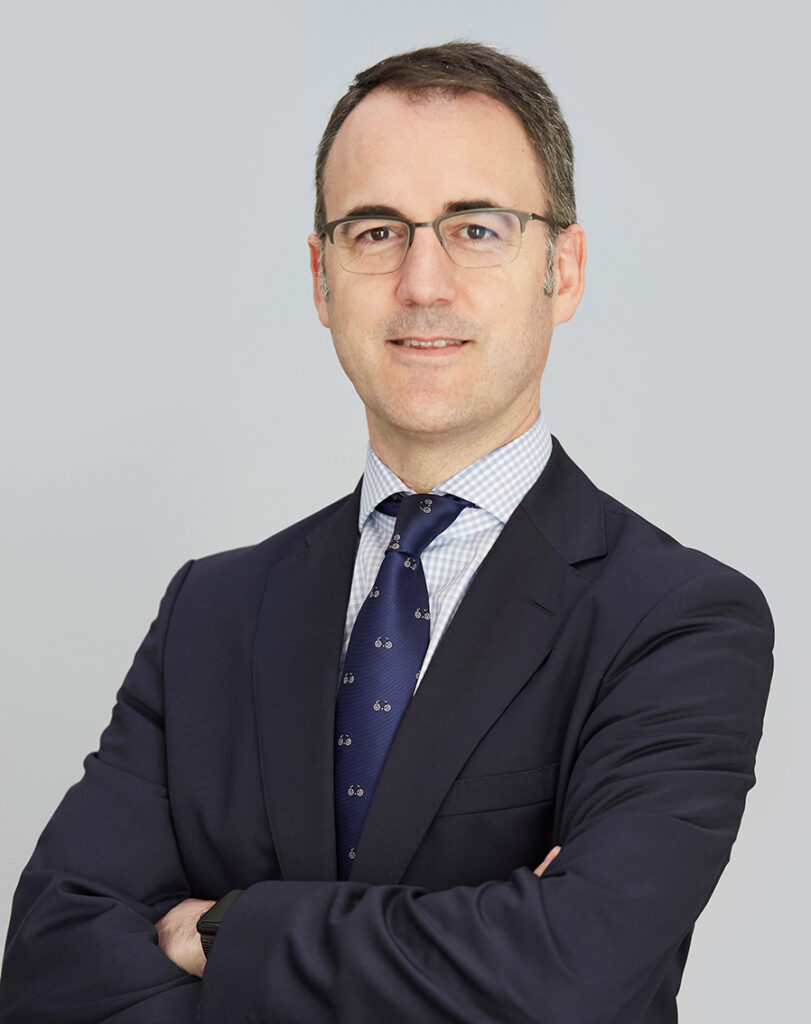
Aitor CayeroIMAP Albia Capital

Aitor Cayero, who has lived for over 12 years in New Jersey, USA,  obtained his Business Administration degree from the University of Deusto, having specialized in Finance. He continued his studies at Instituto de Empresa, having completed its Program for Direction in Corporate Finance.
In 2010 he joined IMAP Albia Capital, where he currently is a Partner. While at IMAP Albia Capital he has been involved in over 30 projects of M&A, Valuation and Refinancing. In 2016, Aitor became a Chartered Financial Analyst (CFA Institute). 
Within IMAP, Aitor coordinates the inbound and outbound opportunities to and from international IMAP partners, requiring an intensive international activity. IMAP is present in over 40 countries and has a total team of over 500 M&A professionals.


TTR: In 1Q21, M&A volume registered a decrease compared to 1Q20. How do you interpret this trend? What can we expect in terms of transaction volume in 2021?

IMAP Albia: 1Q20 was the last pre-pandemic quarter, and we were in a fully-fledged M&A market for most of that quarter. So it´s an uneven comparison because market dynamics have changed dramatically between both quarters.  All in all, both 2020 and 2021 are years heavily affected by the pandemic so I would expect 2021 not to be substantially different to 2020 in terms of transaction volume.

It´s worth clarifying that unlike the previous global crisis, where the M&A had a steep slow-down, this time around there is still substantial activity; the difference is that while certain sector have been hit hard (e.g. aeronautics, automotive, travel), others have thrived (e.g. chemical, nutrition, pet care, health, IT, logistics). 

TTR: IMAP Albia Capital was one of the leading advisors on industrial production deals in Spain in the last years. What factors will drive consolidation of this sector in the medium and long term?

IMAP Albia: Internationalization of production sites had been one of the key drivers up until the pandemic. Companies massively sought to be more cost efficient by having plants outside of Spain, which made total sense, as it does in the current context. However, production shortages due to dependency of either raw material or production capacity on distant countries has made industrial production companies think about their supply chain, and consequently we think trends towards the acquisition of local companies to expand local capacity or backwards vertical integration could be a key factor.

Also, it is well known that Spain’s industrial production landscape is made up of primarily of small and medium sized companies. Many of these companies were already having financial problems pre-crisis. The pandemic has come to reveal and intensify their difficulties. Either these small and medium companies have very, very strong entry barriers in their technology, product or clients, or they will eventually have to necessarily need to integrate into larger organizations or find robust financial backing.

TTR: Regarding corporate restructuring, what was the situation in 2020 and what are the prospects for 2021 in Spain?

IMAP Albia: Precisely we were convinced that the factors were aligned for a strong corporate restructuring market. We even made a relevant effort from April to June to remind the market of our restructuring service capacities, as we have worked intensely on these type of projects in the past and hold significant credentials. 

However, government backed financial support has basically overridden this market. In some cases, companies have sought this support to navigate short term difficulties. Others, on the other hand, were already financial week pre-crisis, as we mentioned previously, and consequently the government support is only postponing many restructuring cases that will eventually surface. But this won´t be the case until probably 2022 or 2023, when companies will finally be required to repay a higher debt load leveraged on pre-crisis business dynamics that were already faltering. 

TTR: What would be another three sectors that could offer the greatest opportunities in Spain for international investors in 2021 and why?

IMAP Albia: There is a huge opportunity in the IT and digitalization sectors, in particular in the area of making serious progress in making work from home a truly natural process, and not a clumsy exercise imposed by a pandemic or whatever reason. There is loads of progress to be made in the area of being able to work from home in a secure environment, through a fully and professionally virtualized desktop.

Pet Care is booming in all over the value chain: from feed to health, from production through wholesale to retail channels. Structurally it looks like an industry that will continue growing as more and more people appreciate the company of domestic pets.

Finally, several relevant industrial and financial actors are moving into the circular economy industry. The amount of waste generated and what to do with that waste, whether it is domestic or industrial, is a structural concern for society in general. Public support and private initiatives should align in this area and there will surely be M&A processes involved.  

TTR: What will be the main challenges for IMAP Albia Capital in its M&A advisory work in Spain in 2021?

IMAP Albia: We think the challenges we will face will be mainly of exogenous nature whether in form of strategic M&A decisions that are postponed by market uncertainty, or restructuring needs that are dulled by government backed financial support. 

We expect heavy origination to come towards the end of 2021, which will hopefully coincide with the end of pandemic and company executives will finally green light projects that were postponed by market uncertainty. But timing of full recovery from the pandemic is surely a challenge.

Despite this, we currently hold a very exciting deal portfolio, both through domestic origination and also opportunities coming in from our international organization – IMAP – and we are looking forward and optimistic about the coming months of 2021.


Spanish version


Aitor CayeroIMAP Albia Capital

Licenciado en Ciencias Económicas y Empresariales por la Universidad de Deusto, especialidad Finanzas. Ha completado el Programa Superior en Financiación Estructurada y Capital Riesgo impartido por el Instituto de Empresa (IE Business School).
Dentro de IMAP, organización cuyo miembro exclusivo en España es Albia Capital, Aitor coordina las oportunidades provenientes de despachos internacionales, requiriendo de una intensa actividad internacional. 
Es ponente habitual de cursos sobre procesos de Incorporación de Socios en la Universidad de País Vasco, entre otros.


TTR: En el primer trimestre de 2021 el número de transacciones de M&A ha registrado una disminución con respecto al mismo periodo de 2020. ¿Cómo interpreta esta tendencia?, ¿qué perspectiva podríamos tener para 2021? 

IMAP Albia: El primer trimestre de 2020 comprendió precisamente los tres últimos meses previos a la pandemia, con un mercado de M&A en pleno auge, por lo que es difícil hacer una comparación entre ambos períodos, ya que las dinámicas de mercado han cambiado drásticamente. En cualquier caso, 2020 y 2021 han sido dos años marcados profundamente por la pandemia, por lo que no esperamos que el año 2021 sea muy diferente a 2020 en términos de volumen de transacciones.

Merece la pena aclarar en todo caso que, a diferencia de la anterior crisis global, en esta ocasión sigue habiendo una notable actividad de M&A. Si bien ciertos sectores han sido afectados duramente (Aeronáutica, Automoción, Turismo, entre otros), otros (Química, Nutrición, Cuidado de Mascotas, Salud, Nuevas Tecnologías y Logística) han prosperado notablemente.

TTR: IMAP Albia Capital ha sido uno de los principales asesores líderes en operaciones de producción industrial en España en los últimos años, ¿Cuáles serán los drivers más relevantes para la consolidación de este sector en el mediano y largo plazo?

IMAP Albia Capital: La internacionalización de las plantas de producción fue una de las iniciativas clave hasta el comienzo de la pandemia. Las empresas han buscado la eficiencia de los costes con plantas fuera de España, lo cual tiene todo el sentido tanto previamente como en el contexto actual.

No obstante, la escasez de suministro, debido tanto a desabastecimientos puntuales de materias primas, así como a la dependencia de la producción en países lejanos, han hecho reflexionar a las empresas industriales acerca de su cadena de suministro. Por tal motivo, pensamos que la tendencia a adquirir compañías locales para aumentar su capacidad de producción o la integración vertical para asegurar el suministro de materia prima local podrían ser factores clave.

Además, es también por todos conocido que la producción industrial en España está formada sobre todo por pequeñas y medianas empresas. Muchas de estas compañías ya tenían problemas financieros previos a la crisis, y la pandemia ciertamente los ha manifestado e incrementado en mayor medida.  Este tipo de empresas tendrían que tener fuertes barreras de entrada por su tecnología, producto o clientes para poder seguir su andadura en solitario. Si no fuera así, parece inevitable que será necesario que se integren en otras organizaciones de mayor tamaño o bien fortalezcan su estructura financiera para poder competir.

TTR: En cuanto a reestructuraciones societarias, ¿cuál fue la situación en 2020 y cuáles son las perspectivas para 2021 en España?

IMAP Albia: Precisamente, estábamos convencidos de que todos los factores estaban alineados para un crecimiento en el número de reestructuraciones corporativas. Incluso hicimos un esfuerzo muy relevante desde Abril hasta Junio de 2020 para promocionar nuestros servicios y amplias capacidades en operaciones de reestructuración, apalancándonos en nuestras importantes credenciales en este tipo de servicios corporativos.

En cualquier caso, las administraciones públicas han proporcionado un respaldo financiero a las empresas que han hecho que esto no suceda de esta forma. En algunos casos, se han utilizado estos instrumentos financieros para salvar las dificultades a corto plazo y continuar las empresas su camino. Por el contrario, en otras empresas, ya había una debilidad económica y financiera antes de la crisis, tal y como he expuesto anteriormente, y es por este motivo que estas medidas están dilatando en el tiempo numerosas e inevitables reestructuraciones que sin duda aflorarán en un futuro. En mi opinión, esto no sucederá hasta 2022 o 2023, cuando se deba finalmente hacer frente a las deudas y a la carga de endeudamiento, con una dinámica empresarial que para muchas compañías será débil, tal y como era antes de la crisis.

TTR: ¿Cuáles serían los otros tres sectores que podrían ofrecer las mayores oportunidades en España a los inversores internacionales en 2021 y por qué?

IMAP Albia: Hay una inmensa oportunidad en los sectores de IT y digitalización, especialmente en la necesidad de hacer del teletrabajo un hábito natural, y no un ejercicio de improvisación como consecuencia de una pandemia o cualquier otro motivo. Hay muchísimo trabajo pendiente en este sentido para poder trabajar, desde casa o cualquier otro lugar, en un entorno seguro a través de un escritorio virtual completo, desarrollado profesionalmente.

El cuidado de mascotas está experimentando un crecimiento extraordinario en toda su cadena de valor: tanto en el ámbito de su alimentación como en el de su salud, así como la producción, distribución o venta al por menor de productos. Estructuralmente parece una industria que continuará creciendo ya que cada vez más gente está comenzando a apreciar la compañía de mascotas.

Para terminar, estamos notando que varios de los actores relevantes en el panorama industrial y financiero están tomando posiciones en la industria de economía circular. La cantidad de residuos generados y qué se puede hacer con los mismos, tanto si son industriales o urbanos, es un problema que preocupa a la sociedad en general.  Iniciativas públicas y privadas deberían alinearse en este ámbito lo que supondrá, sin lugar a duda, la implicación de procesos de M&A.

TTR: ¿Cuáles serán los principales desafíos en términos de transacciones de M&A en España durante 2021 para IMAP Albia Capital?

IMAP Albia: Creo que los desafíos que afrontaremos serán sobre todo de naturaleza exógena, tanto en forma de decisiones estratégicas corporativas de M&A que están siendo pospuestas por la incertidumbre del mercado, como en forma de reestructuraciones que están siendo anestesiadas por el respaldo financiero de las administraciones públicas.

Prevemos una fuerte originación de procesos de M&A para finales de año, que esperemos coincidirá con el final de la pandemia.  Los ejecutivos de las compañías darán luz verde a aquellos proyectos que han sido pospuestos por el panorama de mercado incierto. Aún así, estimar cuando se producirá una total recuperación de la economía es sin duda el reto más importante.

A pesar de lo anterior, tenemos una sólida cartera de proyectos, originados tanto del mercado local como de oportunidades generadas a través de nuestra organización internacional IMAP. Somos optimistas para los próximos meses de este año 2021.

Dealmaker Q&A

Content available in English and Spanish (scroll down)

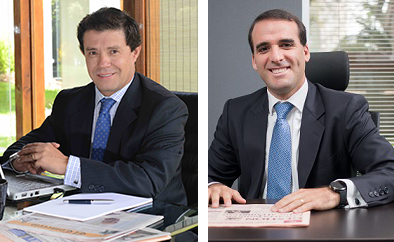
TTR DealMaker Q&A with Hernández & Cía. Abogados Partners Enrique Cavero y Diego Carrión

Hernández & Cía. Abogados – Partners

Enrique Cavero – Enrique Cavero specializes in Information Law, Intellectual Property, Copyrights, Entertainment & Media, Data Privacy, Competition & Antitrust and Telecoms. 
He graduated from the Pontificia Universidad Católica del Perú (1993) and holds a Master’s in Antitrust and Intellectual Property Law (2001, Perú) from the same university and a post-graduate diploma in Corporate Restructuring from the International Development Law Institute (1994, Rome). 
He is among the most highly recognized specialists, according to Chambers & Partners and various other rankers, in the areas of Antitrust, Intellectual Property Law and Data Privacy.

Diego Carrión – Diego Carrión has vast experience advising local and international clients in M&A deals and banking and finance/leverage buyouts (LBOs), as well as in capital markets transactions, for more than 15 years. He is also a recognized prominent lawyer in the private equity and venture capital area, as well as the start-ups community in Peru where he is part of an exclusive referral table of experts in the PECAP. As part of his investment funds expertise, on 2019 he was invited to be part of a local manager fund’s surveillance board, position that he continues to hold today.


TTR: In 4Q20, M&A volume in Perú returned to levels not seen since before the restrictions imposed in March 2020, but deal volume has decreased again in the first two months of 2021. What’s your outlook for the M&A market in 2021 given these swings?

D.C.: Indeed, M&A transactions initiated its reactivation towards the third and fourth quarter of 2020, as a consequence of the slight reopening of our economy (Phases 3 and 4 of the reactivation plan of the Peruvian Government), after several months of strict confinement (among the strictest and longest in the world, at least for the formal sector). However, the arrival of the “second wave” derived in a new quarantine declared by the Government -although this time it was more focalized-, with negative effects on our economy.

In addition to the second wave of the Pandemic and the newest measures adopted by the Government, Peru is currently in a pre-electoral stage and in six weeks, a new President and a new Congress will be elected for a five-year term. The last five years have been marked by the worst political crisis in our recent history and, with this, the political noise has strongly contributed to the slowdown in corporate decisions. Furthermore, as of March 1, 2021, the latest polls showed a relevant rise of center-left candidate, who has become to head the list along with five other candidates (all within the margin of error): a radical-left candidate, a former soccer goalkeeper, a populist-right candidate, and a conservative-right businessman.

Lastly, along with these two major aspects, comes the introduction of the merger control regulation, which, as will be further explained, comes with its own particularities. 

In this context, we believe that the outlook for 2021 (at least for the first semester) is not very promising. The second semester will depend on the development of the vaccination process in our country, the relaxation of confinement measures decreed by the government (and with this, the reopening of our activities) and on the results of the elections.

TTR: What will be the main impacts on the M&A market of the new antitrust regulation in Peru? What still needs to be defined within this legislation to afford more clarity?

E.C.: There are three interrelated aspects. The first one is that the number of deals to be reviewed by Indecopi will be much larger than it was originally foreseen, mainly because two changes introduced by Law 31112. One of them, the inclusion of the value of assets as a relevant threshold, which will cause that many companies (with relatively low sales and consequent market share but relatively high value of assets) which would not have had to notify under D.S. 013-2019, now will have to.  The other is the possibility for Indecopi to decide ex-officio to review certain operations, which creates a big incentive for voluntary notifications, which would have otherwise been minimal.

The second impact is the unpredictability generated by the possibility that Indecopi, according to its sole judgement, may decide to review an operation even if it is under the legal thresholds and does not meet any legal cause. This creates great uncertainty, as Indecopi will thus act subjectively. This, as we have seen, will increase voluntary notifications exponentially, as the only way to solve the said uncertainty.

And the third impact, derived from the others, is that the largest and most relevant deals, those that need Indecopi´s review, will take much longer, not only in comparison to the time they would have taken when there was no prior clearance, but in comparison to the time they would have taken under D.S. 013-2019, because now Indecopi will have to review many more cases that they had originally foreseen and for which they, in some form or another, had prepared in terms of resources.

There are many, but I will mention two, precisely related to the issues of high impact mentioned before. One is that the Regulations should define the valuation method for assets and, hopefully establish a predictable, objective one (i.e. book value vs. market value). It would also be helpful if the Regulations provide for ways to reduce or minimize the uncertainty generated by the possibility of Indecopi´s ex-officio reviews, either by establishing certain criteria or, at the very least, a time period after which the prerogative expires, in order not to have an open window indefinitely.

TTR: What timeframes does the new regulation specify, and how is Indecopi preparing to comply with them?

E.C.: The clearance procedure consists in basically two stages. The first stage starts with the admission of the request and ends 30 days thereafter id the operation does not represent a significant risk. If the authority deems that the operation poses a significant risk of affecting competition, the second stage starts for up to 90 days, extendable to a maximum of 30 additional days.  

In the practice, considering extensions, possible negotiations and offerings of measures, appeals and other factors, such as the lack of experience and resources of the authority, it is likely that these procedures will take much longer. 

Indecopi is doing its best effort to get ready, especial the Free Competition Commission.  However, there are unforeseen factors, as we have mentioned, which now apparently are going to cause an important deficit of resources, which will be difficult to overcome.

TTR: The number of deals led by US-based companies acquiring targets in Peru has increased by 200% year-to-date. How will this trend be impacted as the new antitrust legislation comes into effect in Peru? Which sectors will be most impacted?

D.C.: As mentioned a few questions above, the decisions of investment and purchase of Peruvian companies will be mainly affected by two other major factors (which are more conjunctural than legal aspects): The Pandemic and the general elections. Companies in the U.S. (and in other regions of the world) will be expectant to these two indicators (particularly the second one).

However, there is a new structural and legal factor that will affect the dynamics that all operators have been applying for many years in the M&A market in Peru and that, unlike other markets, provided foreign investors a distinctive advantage: the fact that transactions needed no authorization from the antitrust authority for the purchase or sale of companies. M&A operations in the Peruvian market did not include this transactional cost, thus allowing to close them fastest than in neighboring countries. 

Nevertheless, the reality is that investors from the U.S. (and from other regions as well) are already used to dealing with the merger control authorizations from antitrust authorities in neighboring countries. With this, Peru is joining the countries where this authorization is required. The main concern, more than the mere introduction of this regime, is its application: how well prepared is Indecopi to implement this regime properly, which rules will the regulation contain (which, to date, has not been published), how will confidence be generated among investors, among others. Important note: no one wants to be the first to test this new regime.

Lastly, we cannot leave an important aspect unmentioned, which will have a direct impact to foreign investors in competitive processes. As the regulation is drafted, in order obtain the authorization, both participating agents (buyer and target) must have revenues, sales or assets in Peruvian territory (the thresholds are established in this manner, without taking into account the relevant market in the transaction), and in a competitive process, investors that do not have any of these elements in Peruvian territory (a private equity fund or a strategic investor coming to Peru for the first time) will have an advantage over those that do, since they will not have to go through this previous process, obtaining a significant advantage, that is, absolute flexibility to close the operation quickly. 

As to the industries, we believe that the most affected will be those that move the largest volumes, among them: mining, energy, infrastructure, logistic, pharmaceutical and health, superior education, retail and supermarkets and the agro-industrial sector. These are the industries that concentrate higher amounts of revenues, sales and/or assets, which are the three elements on which the thresholds are established. 

TTR: What will be the main challenges for Hernández & Cía Abogados in its M&A advisory practice in Peru in 2021? 

D.C.: All full practice law firms with important M&A teams will have as main challenge to read correctly the opportunities that arise and provide proper advisory to their clients. Opportunities this year will be scarce, and an important challenge is to always provide the client the confidence and trust that their legal advisor has the right experience, but more importantly, the right team of lawyers (a general practice firm with diverse areas of expertise makes that difference). Furthermore, it will be important to know how to read the regulator and the time it will take to provide an authorization for a transaction, as this may put on hold a regional or global operation of M&A.

On the other hand, we can mention some specific issues that will begin to be seen from the introduction of this regime, and that will be a challenge in the negotiation of contracts: longer closing time frames, negotiation of break-up fees, more detailed provisions in the case of leveraged deals (LBOs), more detailed obligations of the parties between signing and closing, increased inclusion of MAE clauses, among others.

Linked to the above, we have another main aspect that must be covered in a solvent manner this year: the advisory in the authorization proceedings in M&A transactions. This is a new front for every Peruvian law firm and several of us have been preparing for it. Thus, in the provision of this service we combine two key practices, M&A and Antitrust, so that we can provide a complete advisory to our clients. Additionally, it is important to know and build bridges with the technical advisors (not legal) that provide support in the economic study when facing a possible concentration. The advice in these procedures must be comprehensive. 


**As a footnote, it is worth mentioning that, as to the date of these interview, no complementary regulation to the Law 31112, Law that established the merger control (the “Law”) has been introduced. This is particularly important because it constitutes a necessary step towards its enforcing. It should be recalled that the Peruvian Congress had enacted the Law in order to repeal the Urgency Decree 013-2019, which established the merger control (the “DU”). However, such repeal was conditioned to the entry into force of the Law, which will only take place with the publication of the complementary regulation.

As of today, March 1, no complementary regulation has been enacted, and, on the other hand, the suspension period established at the time on the DU due to the state of emergency by COVID-19 has expired. This places us in a temporary limbo where the DU would have entered into force, but there has yet be a complementary regulation that further regulates its application. And, on the other hand, the publication of the complementary regulation of the Law (when it happens) would make the Law enter into force and with that, the DU would be automatically repealed. What would happen in the interim?


Spanish version


Hernández & Cía. Abogados – Socios

Enrique Cavero – Enrique Cavero se especializa en Derecho de la Información, Propiedad Intelectual, Derechos de Autor, Entretenimiento y Medios de Comunicación, Privacidad de Datos, Competencia y Antitrust y Telecomunicaciones.
Abogado por la Pontificia Universidad Católica del Perú (1993) y tiene una maestría en Derecho de la Competencia y Propiedad Intelectual (2001, Perú) de la misma universidad y un diploma de postgrado en Reestructuración Corporativa del Instituto Internacional de Derecho del Desarrollo (1994, Roma). 
Se encuentra entre los especialistas más reconocidos, según Chambers & Partners y varios otros rankings, en las áreas de Defensa de la Competencia, Derecho de la Propiedad Intelectual y Privacidad de Datos.

Diego Carrión – Diego Carrión cuenta con una amplia experiencia asesorando a clientes locales e internacionales en operaciones de fusiones y adquisiciones y de banca y finanzas/compra de activos (LBO), así como en operaciones de mercado de capitales, desde hace más de 15 años. También es un reconocido abogado destacado en el área de capital privado y capital de riesgo, así como en la comunidad de start-ups en Perú, donde forma parte de una exclusiva mesa de referencia de expertos en el PECAP. Como parte de su experiencia en fondos de inversión, en el año 2019 fue invitado a formar parte del consejo de vigilancia de un fondo gestor local, cargo que sigue ocupando en la actualidad.


TTR: En el 4T20, el número de transacciones de M&A en Perú ha superado los valores trimestrales previos a las restricciones impuestas en marzo de 2020, pero la tendencia ha disminuido en los dos primeros meses de 2021. ¿Qué perspectiva podríamos tener para 2021 con este comportamiento? 

D.C.: Efectivamente, el mercado de M&A se empezó a reactivar hacia el tercer y cuarto trimestre del año 2020 como consecuencia de la ligera re apertura de nuestra economía (Fases 3 y 4), luego de varios meses de estricto confinamiento (uno de los más estrictos y largos en el mundo, al menos para el sector formal). Sin embargo, la llegada de la conocida “segunda ola” generó que hacia mediados de febrero de este año el gobierno decretase nuevamente una cuarentena -aunque esta vez más focalizada-, con efectos negativos sobre nuestra economía.

Sumado a la segunda ola y las nuevas medidas del gobierno, estamos en etapa pre electoral y en 6 semanas se elige nuevo presidente y nuevo Congreso por un nuevo periodo de 5 años. Los últimos 5 años han marcado la peor crisis política de nuestra historia reciente y, con esto, el ruido político ha contribuido fuertemente con la disminución de velocidad en las decisiones empresariales. En adición, estando 1 de marzo, las últimas encuestas muestran una fuerte subida de un candidato de centro izquierda, quien ha pasado a encabezar la lista junto a otros 5 candidatos (todos dentro del margen de error): una candidata de izquierda radical, un ex arquero de fútbol, una candidata de derecha populista y un empresario de derecha conservadora. 

Finalmente, a estos dos grandes aspectos, se suma la entrada en vigencia de la ley de control previo de concentraciones empresariales, que como veremos más adelante viene con sus propias particularidades.

Con este panorama, creemos que las perspectivas para el 2021 (al menos para el primer semestre) no son muy prometedoras. El segundo semestre dependerá de la velocidad de la vacunación en nuestro país, la relajación de las medidas de confinamiento decretadas por el gobierno (y con ello la re apertura de nuestras actividades) y de los resultados de las elecciones. 

TTR: Cuáles serán los tres principales impactos que se podrán generar en el mercado M&A de Perú con la entrada en vigor de la nueva ley sobre control previo en el país. ¿Qué faltaría por definir en el reglamento para ser más clara esta normativa?

E.C.: Hay tres grandes aspectos interrelacionados. El primero es que el número de operaciones a ser revisadas por Indecopi va a ser mucho mayor del originalmente previsto, principalmente a causa de dos cambios puntuales introducidos por la Ley 31112. Uno de ellos es la inclusión del valor de los activos como umbral relevante, que va a causar que muchas empresas (cuyas ventas y consecuente participación de mercado son relativamente bajos pero cuyos activos tienen valor relativamente alto) y que no hubieran tenido que notificar bajo el bajo el D.S. 013-2019, ahora sí van a tener que hacerlo. El otro es la posibilidad de que Indecopi pueda revisar de oficio ciertas operaciones, que genera un gran incentivo para las notificaciones voluntarias, que de otro modo hubieran sido mínimas. 

El segundo impacto es la falta de predictibilidad que se genera por la posibilidad de que Indecopi, a su criterio, pueda decidir revisar una operación, pese a que esta no supera los umbrales ni cumple requisito alguno establecido por Ley. Esto genera la gran incertidumbre porque Indecopi va a actuar siempre subjetivamente. Esto, como ya vimos, aumentará exponencialmente las notificaciones voluntarias porque éstas serán la única manera de solucionar dicha incertidumbre.

Y el tercer impacto, derivado de los anteriores, es que las operaciones más grandes y relevantes, que son las que Indecopi debe revisar, van a tomar mucho mayor tiempo, no solo en comparación con el que hubieran tomado cuando no existía el control previo, sino incluso con el que hubieran tomado bajo el D.S. 013-2019, porque ahora Indecopi va a tener que revisar muchos más casos de los que originalmente había considerado y para los cuales, de una u otra forma había previsto recursos. 

¿Qué faltaría por definir en el Reglamento para ser más clara esta normativa?

Hay muchos, pero yo rescataría dos, precisamente relacionadas con los temas de impacto mencionados. Uno de ellos es que el Reglamento debería definir la forma de valorización de los activos y, ojalá, hacerlo de la manera más predecible y objetiva (por ejemplo, valor en libros vs. valor de mercado).  Asimismo, sería importante que el Reglamento minimice o aminore en la medida de lo posible la incertidumbre y falta de predictibilidad que se genera por la posibilidad de las revisiones de oficio, sea estableciendo criterios al respecto y, cuando menos, un plazo perentorio para que tal intervención se produzca y no quede una ventana abierta indefinidamente.

TTR: ¿Cuáles son los plazos regulados en la ley de control previo de M&A, y cómo se está preparando Indecopi para poder cumplir con los mismos?

E.C.: El procedimiento tiene, fundamentalmente, dos etapas. La primera inicia con la admisión de la solicitud y concluye a los 30 días hábiles si la operación no plantea riesgos significativos para la competencia. Si la autoridad determina que la operación plantea un riesgo significativo para la competencia, la segunda fase inicia a los 30 días hábiles, no pudiendo exceder de 90 días hábiles, con una prórroga máxima de hasta 30 días hábiles.

En la práctica, considerando extensiones, ofrecimientos de compromisos por las partes, apelaciones y otros factores como la falta de experiencia y/o recursos de la autoridad, los procesos pueden tomar mucho más tiempo.

Indecopi está haciendo su mejor esfuerzo para prepararse, especialmente la Comisión de Libre Competencia. Sin embargo, hay factores como los que hemos mencionado que no estaban previstos y que ahora, aparentemente, le van a generar un déficit de recursos que va a ser bien complicado resolver.

TTR: Han aumentado en un 200% el número de transacciones con empresas estadounidenses adquiriendo empresas peruanas en los primeros dos meses de 2021. ¿Cómo podría afectar esta tendencia la entrada en vigencia de la ley de control previo? ¿Cuáles serían los sectores más impactados?

D.C.: Como comentábamos unas preguntas más arriba, las decisiones de inversión y compra de empresas peruanas se verán afectadas principalmente por otros dos grandes factores (coyunturales más que legales): la pandemia y las elecciones generales. Las empresas estadounidenses (y de otras regiones del mundo) estarán a la expectativa de estos dos indicadores (especialmente del segundo). 

Sin embargo, existe un factor legal y estructural nuevo que afectará la dinámica que todos los operadores venimos aplicando por muchos años en el mercado de M&A en el Perú y que, a diferencia de otros mercados, les daba a los inversionistas extranjeros una ventaja distintiva: la falta de autorizaciones de la autoridad de libre competencia para comprar y vender empresas. Así, en nuestro mercado no existía este costo transaccional que permitía cerrar operaciones de modo más rápido que en países vecinos. 

Sin embargo, la realidad es que los inversionistas estadounidenses (y de otras regiones también) ya están acostumbrados a lidiar con trámites de autorización previo ante autoridades de libre competencia de países vecinos. Así, Perú se sumará a los países donde se debe seguir este trámite. La preocupación de fondo, más que la simple entrada en vigencia de este régimen, es su aplicación: qué tan preparado estará Indecopi para aplicarlo de manera apropiada, cuáles serán las reglas que se regulen en el reglamento (que a la fecha no ha sido promulgado), cómo se generará confianza en los inversionistas, entre otros. Nota importante, nadie quiere ser el primero en testear esta nueva regulación.

Finalmente, no podemos dejar de mencionar un aspecto importante que sí impactará de modo directo a inversionistas extranjeros en procesos competitivos. Como está redactada la Ley, para pasar por el trámite de autorización las dos entidades participantes (compradora y target) deben tener ingresos, ventas o activos en territorio peruano (los umbrales se calculan de ese modo, sin tomar en cuenta el mercado relevante), siendo que en un proceso competitivo los inversionistas que no tengan ninguno de esos elementos en territorio peruano (un fondo de private equity o un estratégico que viene a Perú por primera vez) tendrán una ventaja sobre los que sí tengan, pues no deberán pasar por este proceso previo, obteniendo una ventaja material, esto es, flexibilidad absoluta para cerrar rápido la operación. 

En cuanto a los sectores, creemos que los más impactados serán los que mueven mayores volúmenes, entre ellos: minería, energía, infraestructura, logística, sector farmacéutico y de salud, educación superior, retail y supermercados y sector agroindustrial. Son estos sectores los que concentran altos montos de ventas, ingresos y/o activos, que son los 3 elementos sobre los cuales se calculan los umbrales.

TTR: ¿Cuáles serán los principales retos en operaciones de M&A en Perú durante 2021 para Hernández & Cía. Abogados? 

D.C.: Todas las firmas de práctica general con equipos importantes de M&A tendrán como principal reto leer correctamente las oportunidades que se presenten y dar una asesoría adecuada a los clientes. Las oportunidades serán escasas este año y un reto fuerte es siempre darle confianza y tranquilidad al cliente que su asesor legal cuenta con la experiencia debida, pero más importante, con el equipo de abogados correcto (un estudio de práctica general con áreas legales diversas marca esa diferencia). Asimismo, será importante saber leer al regulador y los tiempos que tomará en autorizar un trámite de autorización previa, pues ello puede poner en suspenso una operación regional o global de M&A.

Por otro lado, podemos mencionar algunos temas puntuales que se empezarán a ver a partir de la vigencia de esta norma y que serán un reto en la negociación de los contratos: tiempos más largos de cierre, negociación de break up fees, regulación más detallada en caso de financiamientos para compra (LBOs), más detalle de obligaciones de las partes entre firma y cierre, incremento en la inclusión de cláusulas MAE, entre otros.

Ligado a lo anterior, tenemos otro aspecto central que deberemos cubrir de manera solvente este año: la asesoría en los procedimientos de autorización previa en operaciones de concentraciones empresariales. Es un frente nuevo para todo estudio peruano y varios nos venimos preparando para ello. Así, en la prestación de este servicio combinamos dos prácticas clave, la de M&A y la de Libre Competencia, de tal modo que podemos dar una asesoría completa a nuestros clientes. Sumado a ello, es importante conocer y tender puentes con los asesores técnicos (no legales) que apoyan en el estudio económico cuando se está ante una posible concentración empresarial. La asesoría en estos trámites debe ser integral. 


* * Como nota al pie, resulta importante mencionar que a la fecha de esta entrevista no se ha publicado aún el reglamento de la Ley 31112, Ley que establece el control previo de operaciones de concentración empresarial (la “Ley”), lo cual era un paso necesario para que la misma entre en vigencia. Recordemos que el Congreso de la República había promulgado la Ley para derogar el Decreto de Urgencia 013-2019, que establecía el control previo de operaciones de concentración empresarial, (el “DU”). Sin embargo, dicha derogatoria estaba condicionada a la entrada en vigencia de la Ley, lo cual sucedería únicamente con la publicación del reglamento.

Hasta hoy 1 de marzo no se ha publicado dicho reglamento, y por otro lado, ha vencido el plazo de suspensión acordado en su momento sobre el DU por el estado de emergencia por el COVID 19. Esto nos coloca en un limbo temporal donde habría entrado en vigencia el DU pero no existiría aún una reglamentación que regule su aplicación. Y, por su lado, la publicación del reglamento de la Ley (cuando ello suceda) haría que la misma entre en vigencia y con eso se entienda derogado el DU de modo automático ¿Qué pasará en el intermedio?