TTR DealMaker Q&A with Ritch Mueller Partner Luis Nicolau
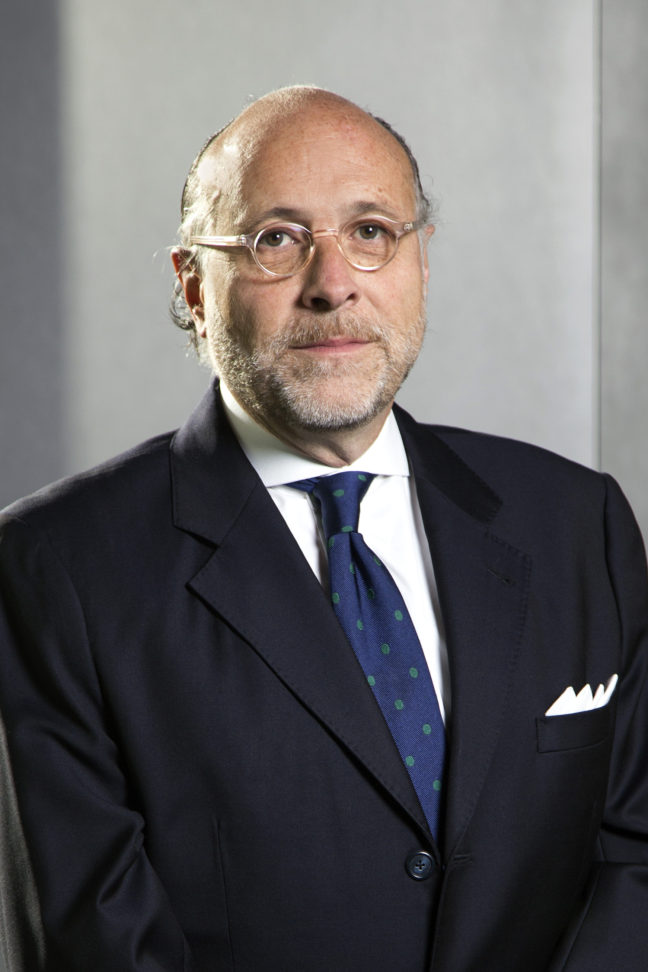
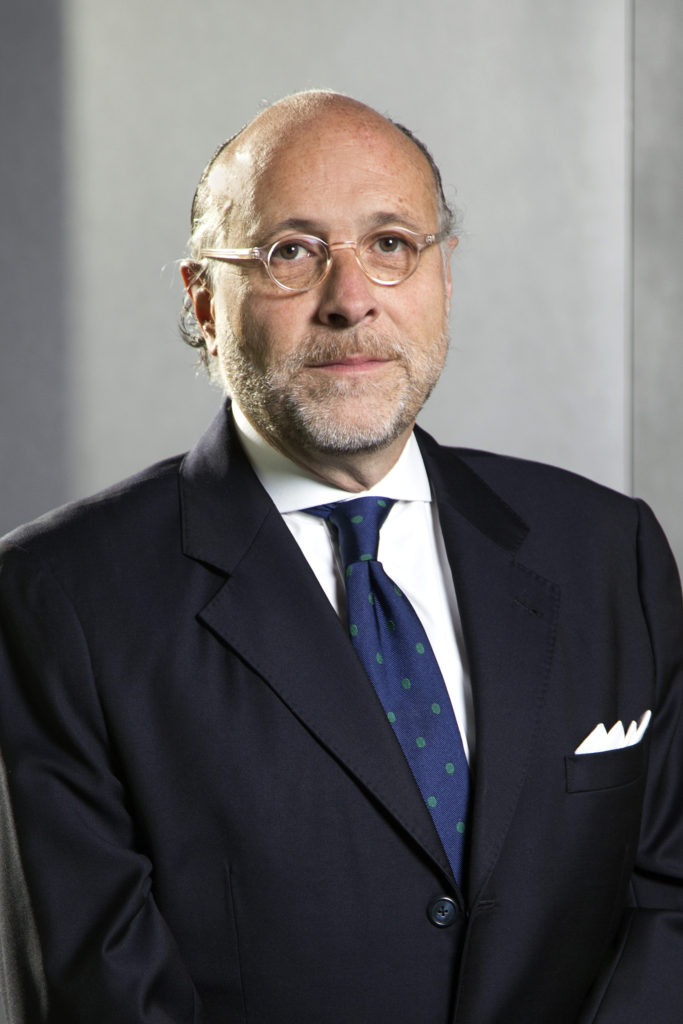
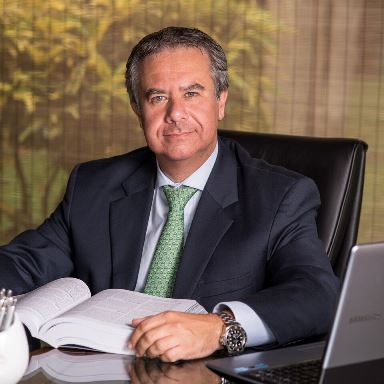
Luis Nicolau
Luis A. Nicolau has been a partner at Ritch Mueller since 1990. He specializes in mergers and acquisitions, debt and equity capital markets transactions and banking and finance. He is a leading expert in assisting underwriters and issuers in debt and equity offerings in Mexico and abroad. He has participated in many of the largest public Mexican M&A transactions and advises foreign and domestic private equity funds on a regular basis. He has assisted numerous international financial entities in setting up their Mexican operations, including Scotiabank, JPMorgan, Credit Suisse, Santander and Morgan Stanley.
He currently maintains several board memberships, including at Grupo Posadas, Coca-Cola FEMSA, the public equity fund IGNIA, Morgan Stanley Mexico, UBS Asesores, KIO Networks, Grupo Cementos de Chihuahua, Gentera, and of the investment committee of Promotora Social México; former President of Fullbright Mexico’s Governing Body, former member of the board of directors of Papalote Museo del Niño, former member of the board of directors of the Indian Mountain School and former member of the Supervisory Board of the Mexican Stock Exchange.
Mr. Nicolau
graduated from the Escuela Libre de Derecho in Mexico City in 1986. He obtained
a Master in Laws from Columbia University in 1988, where he was a Fulbright
Scholar. Before joining Ritch Mueller, he was a foreign associate at Johnson
& Gibbs, Dallas, and at Shearman & Sterling in New York. He joined
Ritch Mueller in 1990 and has been a partner since then, except for the years
2001 and 2002, when he was the Chief Financial Officer of Vitro.
TTR: To begin, we would like you to give us a brief overview of the course of the first four months of the year in the Mexican M&A market.
LN: The Mexican market for M&A transactions has been particularly slow for two (2) specific reasons. The first relates to political uncertainty and the lack of visibility in respect of prospects of the Mexican economy. The second, because the aforementioned factors have affected multiples applicable to M&A transactions involving Mexican companies. The good news is that the Fintech market is showing a significant level of activity, given the approval of the new Fintech Law and the fact that the period to obtain licenses under the Fintech Law has commenced. In addition, many Mexican families are showing interest in diversifying holdings and selling stakes, coupled with a different perception of political risk by foreign investors.
TTR: Year-to-date, the number of transactions in the Internet subsector has increased, compared to last year; what can you tell us in relation to this data? What other sectors do you think will emerge during 2019?
LN: The reality is that generally the technology sectors have shown a substantial level of activity, fueled primarily by dedicated funds with excess liquidity, multiples used in other jurisdictions and the generalized underservice of the Mexican market.
¿Qué otros sectores, cree que, despuntarán a lo largo de 2019? As indicated, the Fintech sector has continued to show dynamism. In addition, the financial services industry has shown signs of further consolidation and there is continued interest in the pharma industry.
TTR: In relation to the previous question, the majority of investments in the technology sector were from Venture Capital. What place do entrepreneurs and new companies occupy in the country?
LN: Although specific market data is not generally available, this is a sector of special interest, as a result of the new Fintech Law that has provided certainty to the industry, together with the fact that Mexico continues to be underserved from a technology perspective.
TTR: Meanwhile, according to our records, although Mexico usually allocates a large part of its investments to Latin American countries, it does focus them in the country itself. Why does this unilateral relationship occur?
LN: Again, this question is difficult to answer without the aid of economic data. However, there has been renewed and ongoing interest by Latin American investors in Mexico, in the Mexican oil and electricity sectors. Real estate and Fintech have shown some dynamism (see the examples of Mercado Libre and Rappi). It seems, however, that the Mexican market is larger, slightly more complex and subject to more competition, and that interesting opportunities remain in existence in several markets in Latin America.
TTR: Continuing with the same topic, in the medium term, what Latin American countries do you think have the greatest potential to establish new trade links with Mexico and why?
LN: Difficult question to answer and will be dependent upon the desire to diversify, the availability of accretive multiples, competitive financing and the existence of liquidity. Larger Central American groups are likely to continue to look at Mexico as a stable hub, together with Colombia and Peru that are going through stable processes, and of course Brazil with its economic might and better skills to adapt to a large market as Mexico.
TTR: Apparently, the beginning of the year has not been as economically positive as expected. However, you can see many local businesses in expansion and with the intention of entering new markets. Do you think that this situation could be improved?
LN: It is hard to see significant economic improvement this year, notwithstanding the efforts of private sector groups, because of remaining uncertainties in respect of economic conduction. The end of the year may bring a surprise or two, if the economy remains stable.
DealMaker Q&A
Posted on
TTR Dealmaker Q&A with Hernández & Cía. Partner Juan Luis Hernández
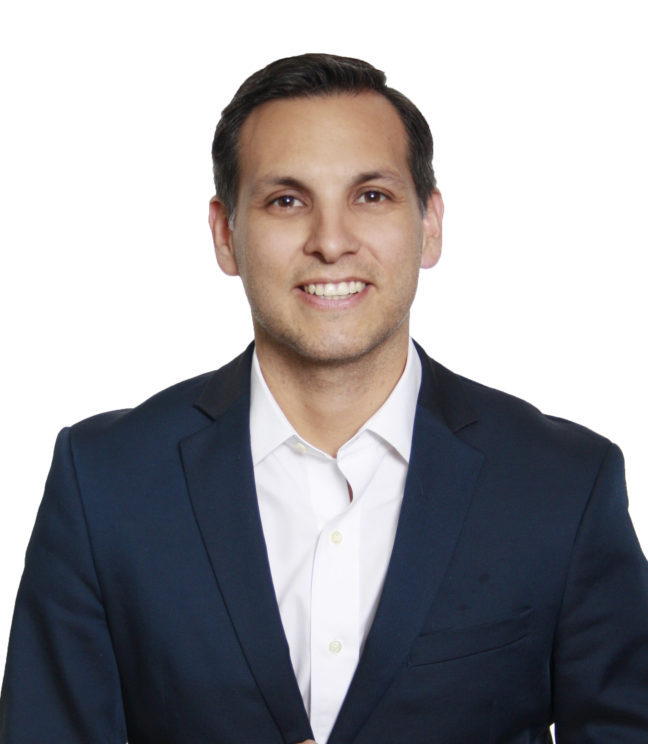
Juan Luis Hernández
Juan Luis Hernández Gazzo studied in the Pontificia Universidad Católica del Perú, (1994) and in the Harvard Law School – Master of Law (LL.M), (1998). He begin his career as speaker at different national and international forums in the matter of Banking and Finance, Mergers and Acquisitions and Capital Markets. Later he worked in the legal area of the Peruvian Securities and Exchange Commission – CONASEV (Current Capital Markets superintendent) (1994). Since 1998 til 1999 was in New York as International Associate at Shearman & Sterling. Currenty he is partner in Hernández & Cía firm where he started his career in 1992.
TTR: What your perception of the economic performance in Latin America, and particularly, in Peru this year?
The first quarter of
the year is usually a bit slow in terms of legal activity across all economic
sectors. However, 2019 has begun quite strong for us, which suggests our workload
will be even greater for the rest of the year.
There is an interesting dynamic
in Peru, not only because our firm has had sustained growth in recent years
(48% in 2018), but also because the market itself has grown significantly. In
terms of M&A, for example, we are seeing a greater volume of transactions,
due to a combination of several factors.
In general terms, we see more
activity in 1Q19 compared to previous years, both for our firm and countrywide.
At the regional level, it is a bit more complicated; Based on my discussions
with other attorneys in Latin America, countries like Chile and Colombia, which
have strong connections to Peru, are experiencing similar scenarios.
TTR: Why is there so much M&A in the extractives sector and in financial services?
In the case of Peru, the mining sector had a
strong start this year. Peru is fundamentally a mining country and, together
with Chile, is one of the leaders in the mining industry regionally. Peru has a
wide variety of minerals, which is a plus, and the rise in prices of various
metals has driven a revival in the industry. This revival has spurred new
projects and led to M&A targeting companies in the sector, even those in
the exploration stage. The mining
industry and natural resources generally in Peru constitute an essential driver
of the country’s economic future.
We have not witnessed a particular surge of activity in financial services as this sector consolidated a long time ago. It is unusual to see significant M&A activity in financial services because the country’s financial institutions have been quite structured for time ago. This does not mean that we are only going to see transactional activity in mining, but in other sectors as well.
TTR: In which other sectors do you expect to see M&A deals this year?
The Peruvian market will
undergo consolidation in retail – in the broadest sense – and among companies providing
services of different to SMEs. We believe the explanation is due to the current
situation in the country. Paradoxically, we usually complain about how we are
doing as a country, but if we compare ourselves to other markets regionally, we
continue to be one of the main focuses of investment in Latin America. From the
outside, they see us as attractive because we have been doing things well for
25 years in macroeconomics, besides offering investors a secure legal framework.
We believe that infrastructure activity will soon rebound again. This sector
has been stuck over the past few years,but once reactivated, it will generate a
significant number of deals.
TTR: Colombia has been an important commercial partner to Peru, both as a destination and origin for invesment. What explains this and with which other regional markets do you expect Peru to strengthen its ties?
It
has to do with a virtuous circle that has been generated between Peru, Colombia
and Chile for some time now. We have many clients, that is, many multinational
companies, that manage their regional operations from Lima, Bogotá or Santiago.
In addition, there are many cross-border businesses with Colombian investors
investing in Peru, and vice versa.
Also,
the relationship with Chile is quite solid, it’s a phenomenon that has been
going on for many years in Peru and is on the rise, not only fomented from
Chile to Peru, but also from Peru to Chile. That is why we are confident that
it will continue to develop as it has done to date.
It
would be very positive for the country to have more trade and investment with
Mexico. Let’s hope that soon the rapprochement will materialize. Everything
suggests there will be stronger economic ties to Brazil as well. Because Brazil
is so big, many companies there concentrate on satisfying domestic demands, but
ultimately the larger companies can be expected to outgrow the country’s
borders and invest abroad.
TTR: What’s your outlook for the remainder of 2019?
The expectation is very positive regarding the development of our country. We have had an atypical beginning this year due to its dynamism and, if the normal trend of increasing M&A activity throughout the year persists, we will have a very active 2019. The large Peruvian business groups are very active, eager to expand, trying to find synergies. We have many transactions of this type in Hernández Cía. Abogados, in addition to the mining projects that are expected to be reactivated promptly. In conclusion, the outlook is very positive.
Entrevista con Juan Luis Hernández, socio de Hernández Cía. Abogados.
TTR: En primer lugar, ¿podría brindarnos una visión general de cómo se está dando comienzo el año en Latinoamérica y en Perú en particular? ¿Cree que está transcurriendo tal y cómo se esperaba?
Según nuestra
experiencia a nivel local, siempre el primer trimestre del año es más ‘lento’ en
cuanto a la actividad legal y en todos los sectores
económicos. Sin embargo, este 2019 ha comenzado bastante fuerte para nosotros
como Firma, lo cual -afortunadamente- nos hace pensar que la carga de trabajo
será aún más elevada para todo lo que resta del año.
Existe una dinámica interesante en el Perú. No solamente porque nuestro estudio
haya tenido un crecimiento sostenido en los últimos años (48% solamente en el
año 2018), sino también porque el mercado en sí mismo ha tenido un incremento sostenido
importante. Por dar un ejemplo, en materia de M&A -que es uno de los
aspectos en los cuales TTR se focaliza- estamos viendo un mayor volumen de
transacciones, debido a una combinación de varios factores.
En términos generales, vemos más actividad en este primer trimestre del
2019, a comparación con años anteriores, tanto a nivel estudio como a nivel
país. A nivel región, es un poco más complicado de opinar; por lo que he podido
compartir con diferentes abogados de Latinoamérica, la percepción que tengo es
que países como Chile y Colombia tienen relaciones consolidadas con nuestro
país; por tal motivo, los 3 tenemos escenarios similares.
TTR: En cuanto a los sectores que están teniendo un
inicio de año más positivo, destacan el de recursos naturales, el financiero y
de seguros ¿a qué cree que puede deberse?
En el caso peruano, el sector minero ha tenido un fuerte inicio de año. No
nos olvidemos que el Perú es un país fundamentalmente minero y que marca una
diferencia muy importante en toda la región junto con Chile, países líderes en
la industria minera. Asimismo, nuestro país cuenta con un “plus” adicional,
pues cuenta con una amplia variedad de minerales. La subida de precios de diversos
metales ha generado que la industria se reactive.
Por ello, existen nuevos proyectos y más posibilidades de compras de
empresas del sector, incluso en etapa de exploración. La industria minera y los recursos naturales
en el Perú constituyen un driver
esencial en el devenir económico.
Por otro lado, no vemos un movimiento particular en el sector financiero ni en el de seguros; están consolidados desde hace mucho tiempo. Es muy raro ver una actividad transaccional de M&A muy fuerte allí porque son sectores más o menos estructurados desde hace tiempo. Esto no quiere decir que únicamente vayamos a ver intercambios transaccionales de materia minera, sino en otros campos también.
TTR: Además de los sectores que se mencionan en la pregunta anterior, ¿qué otros sectores, y por qué, piensa que tienen más potencial de crecimiento durante este ejercicio?
El mercado peruano tendrá varias operaciones que involucran temas de retail-en el sentido más amplio-y temas
de prestación de servicios a las MYPES en distintos rubros. Creemos que la
explicación se debe a la situación actual del país. Paradójicamente, internamente
solemos quejarnos de cómo nos va como país, pero si nos comparamos a nivel
regional, seguimos siendo uno de los principales focos de inversión en
Latinoamérica. Desde afuera nos ven de manera atractiva porque estamos haciendo
bien las cosas desde hace 25 años en temas de macroeconomía, además de que
ofrecemos a los inversionistas seguridad jurídica.
Consideramos que pronto se va a venir-nuevamente-una actividad sustancial
en materia de proyectos e infraestructura. A la fecha dicho sector ha estado
estancado, que una vez reactivado generará una relevante cantidad de operaciones
económicas.
TTR: Según nuestros datos, Colombia es el país con el que más negocios ha llevado a cabo el Perú este año, tanto como inversor, como receptor de inversiones ¿Considera que se debe a algún motivo en especial? ¿Con qué países cree que podría reforzar sus relaciones comerciales, y por qué?
Tiene que ver con un círculo virtuoso que se ha ido generando entre Perú,
Colombia y Chile desde hace un tiempo. Tenemos muchos clientes, es decir,
muchas empresas multinacionales que manejan la región desde Lima, que maneja la
región de Bogotá y que maneja la región desde Santiago. Además, hay muchos
negocios cruzados, hay inversionistas locales colombianos invirtiendo en Perú y
viceversa.
Asimismo, la relación con Chile es bastante sólida, es un fenómeno que
cuenta con muchos años en el Perú y que va en aumento, no solo fomentada de
Chile a Perú, sino que también de Perú a Chile. Por ello, confiamos en que se
siga desarrollando como hasta ahora.
Ahora, sería muy positivo para el país tener más intercambio comercial e
inversiones con México. Esperemos que pronto los acercamientos se concreten. Por
su parte, con Brasil, todo indica que va a haber iniciativas desde el punto de
vista económico que entusiasman al mercado. Por ser tan amplio permite que las
empresas se concentren en satisfacer las demandas internas; sin embargo, también
hay una expectativa para que se invierta en el extranjero.
TTR: Por último, ¿puede ofrecernos algunos comentarios sobre cuál es su predicción para lo que queda de 2019?
La expectativa es muy positiva en cuanto al desarrollo de nuestro país.
Hemos tenido un comienzo de año atípico por su dinamismo y, si se cumple la predicción de siempre- que
este es el trimestre más bajo del año-, vamos a estar frente a un 2019 muy
activo. Los grandes grupos empresariales peruanos están muy activos, con ganas
de expandirse, de tratar de buscar sinergias. Estamos con muchas operaciones de
ese tipo en Hernández Cía. Abogados, además de los proyectos mineros que se
esperan sean reactivados prontamente.
En conclusión, la predicción es muy positiva.
DealMaker Q&A
Posted on
Entrevista con Diego García de La Peña, socio en Auriga
Diego García de La Peña
Diego García de La Peña es responsable de Consultoría de Coberturas a fondos de Private Equity, infraestructuras, inmobiliarios, Family Offices y empresas, así como responsable de Asesoramiento de Inversiones Alternativas en Deuda en Auriga. En ambas actividades, el objetivo es proveer soluciones para la estructura de capital de las empresas y ayudar a las mismas, así como a los sponsors a desarrollar sus planes de negocio.
¿En qué tipo de transacciones es más importante contar con asesoramiento en coberturas de tipos de interés y de divisas?
En cuanto a las operaciones de tipos de interés el asesoramiento es importante en financiaciones a largo plazo, en las que el préstamo sea a tipo variable y se va haciendo más importante según se eleva el nivel de apalancamiento de la operación, porque en ese caso un impacto de una subida de tipos de interés puede comprometer la viabilidad del plan de negocio o la capacidad de repago de la deuda de un proyecto. Cualquier LBO de un private equity es susceptible de cobertura porque necesita estabilizar los flujos para que el modelo se ajuste a las expectativas del inversor. En financiaciones de proyecto, que van de 12 a 30 años, es más necesario todavía. En estos casos, el riesgo de tipo de interés es muy grande y las coberturas se emplean en el 99% de las operaciones. En general, los bancos financiadores están más cómodos con una cobertura, de hecho, la suelen pedir. Nosotros ayudamos al sponsor, según su estrategia, a negociar con los bancos para conseguir el porcentaje de cobertura y el plazo adecuado.
En lo referente a operaciones de tipo de cambio, el asesoramiento es importante en compañías exportadoras, importadoras o con filiales en otros países que corren el riesgo de fluctuaciones de tipo de cambio. Desde Auriga, les asesoramos en los productos que deben contratar para que no les afecten esos riesgos. Para nosotros es una parte fundamental del análisis del Plan de Negocio sobre todo en compañías en las que el servicio de la deuda proviene de ingresos en distintas monedas.
Además del departamento de asesoramiento en coberturas de tipos de interés y de divisas, desde 2012 contáis con una actividad de asesoramiento corporativo especializado fundamentalmente en deuda alternativa, ¿cómo ha avanzado esta actividad en los últimos años?
Efectivamente, ofrecemos asesoramiento y soluciones de financiación a compañías en situaciones específicas, ya sea para acometer proyectos nuevos o planes de crecimiento específicos, o para compensar desequilibrios financieros más que operativos. Nuestro cometido es asesorar en todo tipo de operaciones especiales, con un impacto superior en empresas de tamaño pequeño y medio.
La actividad de asesoramiento corporativo especializado en deuda alternativa que comenzamos en 2012 está creciendo a buen ritmo porque en los últimos años está habiendo un incremento exponencial en el número de operaciones analizadas, así como de compañías que exploran soluciones nuevas.
La financiación alternativa se va abriendo camino en España, ¿cómo está afrontando el mercado este cambio de tendencia y qué nos espera en los próximos años?
Estamos convencidos de que la financiación alternativa en España ha venido para quedarse. Lleva varios años en nuestro país y se está consolidando como un actor más e igual de importante que los tradicionales dentro del abanico de opciones que tiene una compañía a la hora de estructurar su financiación.
Este cambio de tendencia conlleva un proceso de adaptación tanto en condiciones, como en interlocución con los nuevos financiadores pero creo que en los próximos años vamos a ver un mayor nivel de coexistencia de financiadores tradicionales con alternativos, debido al menor nivel de actores por a la concentración experimentada en el sector bancario, así como a la distinta forma de estructuración de las operaciones que hace que puedan convivir ambos grupos perfectamente dentro de una compañía y en una misma operación.
Recientemente, Marguerite Solar Spain, controlada por la luxemburguesa Fondo Marguerite, ha adquirido el 80% de Planta Solar OpdeLa Fernandina, la cual ha recibido financiación para su desarrollo. ¿Cuál ha sido vuestro papel en esta transacción?
En esta transacción hemos participado asesorando al equipo de OPDE y Marguerite en la estructuración de las coberturas de tipos de interés de la financiación recibida, así como en la implementación y contratación de las mismas a nivel financiero, de estrategia, de valoración, documental y de ejecución.
El sector de las Energías Renovables ha sido uno de los más activos en el último año ¿seguirá esta tendencia en los próximos meses? ¿Hay otros sectores con especial actividad transaccional?
El sector de las Renovables en España va a ser un ámbito activo durante los próximos meses y diría que en los próximos años, por dos razones fundamentales. La primera es que durante los últimos años hemos asistido a una alta actividad transaccional y de consolidación del sector en el segmento de los activos en operación sujetos a rentabilidad regulada y prevemos que este sector siga consolidándose, por lo que se van a seguir produciendo operaciones en España y las grandes plataformas que se han consolidado están empezando a invertir también fuera de nuestro país.
La segunda razón es que desde hace unos meses está habiendo una efervescencia en el segmento de activos en desarrollo sujetos a rentabilidad de mercado. Tras el impacto de la regulación de las Energías Renovables de 2013/2014 en España se paró el desarrollo de nuevas instalaciones, pero tras las subastas impulsadas por el gobierno y la optimización de la tecnología se está produciendo una gran dinamización en el desarrollo y construcción de nuevos proyectos.
En cuanto a los sectores más activos, en los próximos meses habrá una mayor actividad en el ámbito de las empresas relacionadas con el negocio agroalimentario y también en el sector consumo.
El año 2018 ha estado marcado por un record de inversión de capital riesgo y parece que el sector vive un momento álgido. ¿Qué podemos esperar para 2019?
Desde nuestra perspectiva, en 2019 se va a mantener el mismo nivel de actividad en cuanto a número de operaciones, debido a los múltiples actores del sector -tanto los que llevan muchos años en el sector como los nuevos que están surgiendo-, así como al dinero disponible para invertir. Asimismo, creo que en los próximos meses el volumen medio por operación se va a reducir y va a haber una mayor actividad en el segmento pequeño-mediano.
DealMaker Q&A
Posted on
TTR DealMaker Q&A with Pérez Alati Grondona Benites & Arntsen Partner Eugenio Aramburu
Deal Summary:
On 2 November, PeCom Servicios Energía, a subsidiary of Argentine conglomerate Pérez Companc Family Group, closed the acquisition of pump and petrochemicals manufacturer Bolland y Cia. for ARS 1.5bn (USD 126.3m). The transaction was selected by TTR as Deal of the Quarter in Argentina for 4Q18. The deal follows the USD 98m acquisition of PeCom Servicios Energía in 2015 by the family-owned holding, marking the group’s reentry into the oil and gas business and the subsequent acquisition of Tel3 closed in August. The group had previously exited its energy holdings with the USD 1.1bn sale of Petrolera Pérez Companc to Petrobras in 2002.
EA: We’ve been working with the Pérez Companc
Family Group for a little more than a year-and-a-half. They knew of us through
a few other deals, including the sale of the family oil business to Petrobras
in 2002, when we represented the buyer. We also represented BRF when it bought
a number of brands from the family’s food business, Molinos Río de la Plata, in
2015. They had a chance to interact with us at the time and selected us because
we were one of the bigger firms in Argentina providing comprehensive legal
services and they liked how we worked.
TTR:
How did this deal come about?
EA: Pecom approached Bolland. Some
shareholders wanted to sell, some did not. Some were older and some had taken
equity in a recent management buy-out.
TTR:
Why was Pecom interested in expanding its holdings in Argentina’s oil and gas
industry?
EA: The Pérez Companc Family Group is
confident that the oil and gas industry is going to expand and they wanted to
expand into services they did not already offer to become a full-service
provider to the industry. Through this deal they can now offer integrated
solutions to all the operators throughout the oil and gas industry.
TTR:
Why was it a good time to invest full heartedly in this industry?
EA: Notwithstanding the international price
of oil, there is an absolute necessity from the standpoint of the Argentine
government to develop the Vaca Muerta reserves as it is one of the biggest
reserves of shale gas in the world. While development of these assets may be
slower because of international energy prices, Argentina is going to provide
incentives to develop this industry regardless. Argentina is currently
importing gas, from Venezuela and elsewhere, which will become unnecessary once
these reserves enter production. All these reasons motivated Pecom to have a bigger
presence in the gas industry.
TTR:
How did recent political and economic reforms in Argentina set the stage for
this deal?
EA: During the Kirchner administration you
would never have seen a transaction like this. The government had intervened in
oil and gas prices and investments in the industry were basically zero. These investments
that require a long term for amortization need a stable environment. When Macri
came to power, the situation changed drastically. The government set out to
stimulate investments in the energy market, which is where there have been more
transactions. This transaction couldn’t have happened before. This is a bet on
the part of the Perez Companc Group demonstrating confidence in the Argentine
government and the industry.
TTR:
What made this transaction challenging?
EA: Bolland had a lot of individual shareholders
and they didn’t all have the same interest in the sale, so it demanded a lot of
negotiations aligning all their different interests. Secondly, it was a very significant
deal for Pecom because it implied doubling the size of the company. Thirdly,
the regional nature of the deal, with Bolland having operating companies not
only in Argentina, but in Brazil, Bolivia and Colombia, made it quite complex.
The transaction took a lot of time, especially because we had to coordinate due
diligence throughout these different countries. Also, the target was run like a
family company, so we had to work a lot with the sellers to help them develop a
data room. Then, during the negotiations, Argentina devalued the peso, which
had a business impact on the target, so that had to be negotiated as well.
TTR:
How was the transaction financed and how long did it take to close?
EA: The Perez Companc Group has available
funds to finance the deal, so we did not have to negotiate any financing
agreement. It took 10 months between execution of the non-binding offer and
closing.
TTR:
Why was the target considered a good complement to Pecom’s existing operations?
EA: Bolland produced pumps for the oil and
gas industry, while Pecom didn’t have a pump business. They also had a
chemicals business, and that was also an area in which Pecom was not present.
It was a strategic acquisition that transformed Pecom into a full services
provider.
TTR:
What became of Bolland’s minority partner in the Colombian operating company?
EA: A Colombian businessman had a 30% stake
in the Colombian subsidiary. He’s a Colombian investor who saw an opportunity
to exit, so he tried to apply pressure for the sale of his stake, and Pecom
decided it was easier not to have a minority shareholder in Colombia. At the
time of closing we negotiated a term sheet for the acquisition of his stake and
that acquisition was negotiated and consummated after closing of the first
deal. It was not a substantial amount compared to the larger deal.
TTR:
How will Pecom leverage Bolland’s interntional presence?
EA: Increasing its operations across the
region is definitely an objective for Pecom now that it has become the biggest
local player in Argentina through this transaction. Bolland had operating
subsidiaries where Pecom didn’t have any presence at all and can now look at
how to increase their market participation in these markets with their full
portfolio of products and services.
TTR:
How hard will this acquisition be for Pecom to integrate?
EA: Integration will be a big challenge for
Pecom. It’s acquiring a target that’s almost as big as itself. Though Pecom is
a family-owned company, it was run more like an international company in terms
of corporate governance and labor standards. Bolland had almost 800 employees
that will need to adjust to new policies and a different compensation scheme.
From a real estate perspective, Pecom will have to move its headquarters to a
new building that is being constructed now because the entire staff couldn’t
all fit at the existing facility. IT systems will need to be integrated too,
which is also a challenge.
TTR:
What other deals do you see on the horizon for Pecom?
EA: We are now involved in one ongoing
transaction where the group is negotiating another important acquisition
related to the energy industry. I cannot offer more details on that as a binding
agreement has yet to be signed. Suffice it to say that they’re looking to
deepen their foothold in Argentina’s oil and gas industry and this is not the
last of their investments.
TTR:
How was the valuation arrived at and how pleased were the sellers?
EA: The sellers were satisfied with the
outcome. Despite the devaluation that happened in the midst of negotiations,
the purchase price, which was denominated in dollars, was not modified.
Some of the sellers considered their stake
in Bolland as a retirement plan to see dividends forever and many didn’t want to
assume liabilities and indemnifications with the sale. The fact that the price
was good helped appease the detractors.
TTR:
Which practice areas were critical to your firm’s work on the deal?
EA: In the diligence process we had lawyers
from all fields, including oil and gas and environmental because Bolland had a
chemicals business that produced products used to enhance the productivity of
wells. The real estate practice was also important because there were assets
located in border areas, which means you have apply for special permissions with
Argentina’s Ministry of the Interior owing to security issues. Labor law also come
into play because the target had unionized employees and commercial litigation attorneys
were also heavily involved.
TTR:
What makes this deal stand out among other transactions you’ve worked on?
EA: It’s not that common for an Argentine company
to acquire a regional target. The coordination required to perform due
diligence in four countries makes it stand out. Also, In Argentina, it’s not
that common to see such large transactions, though perhaps the sum is not that
material for an international transaction. Thirdly, from a business and
psychological aspect, it was a really keystone transaction for our client. The
client was really focused and needed to take care of every detail. For all
these reasons it was a very important transaction for us and it took a lot of
time. It was also really important for the client given that it resulted in the
biggest player in Argentina.
TTR:
What does this deal say about the level of confidence in Argentina?
EA: This transaction serves as a vote of
confidence, especially at a time when the Macri administration was having some
difficulties in the face of a recession and nervousness due to inflation, with
several investors, especially international investors, delaying their
investments. The first ones that take advantage of these opportunities are
local players, eager to take a chance. They’re here for the long run. Hopefully
international investors will follow.
DealMaker Q&A
Posted on
TTR DealMaker Q&A with Payet, Rey, Cauvi, Pérez Abogados Associate Alan García
Deal
Summary:
On 30 November 2018, Lima-based asset management firm Sigma SAFI acquired a 51% interest in the Parque Eólico Marcona and Parque Eólico Tres Hermanas from Grupo Cobra for USD 56m, consolidating its ownership of Peru’s largest wind farms with a combined installed capacity of 130MW between them. The wind farms were developed by Grupo Cobra, a Spain-based subsidiary of ACS, with financing provided by a consortium of institutions including Eximbank, KFW DEG, FMO, CAF, Proparco and Natixis.TTR DealMaker Q&A with Payet, Rey, Cauvi, Pérez Abogados Associate Alan García
Alan García
Payet, Rey, Cauvi, Pérez Abogados Associate Alan García discusses details of a complex transaction that saw Sigma SAFI consolidate its ownership of Peru’s largest wind farm assets by paying off legacy creditors in the country’s first ever co-issuance.
TTR: How long have you been working with Sigma SAFI and how did you land this mandate?
AG:
We’ve had a relationship with Sigma SAFI that spans several years. We
represented the fund manager in 2015 and 2016 when it acquired its initial 49%
interest in the two wind farms when Grupo Cobra retained its 51% stake. A
couple of months ago we carried out a restructuring of the debt held by each
entity, and from there we executed the acquisition. It was logical that we
could be of value to the buyer given our understanding of the refinancing
arrangement, which was a precursor to the acquisition. There were eight
financial entities involved with mirrored contracts for Tres Hermanas and
Marcona, each with its own project finance with all the associated step-in
rights.
TTR: What made this
transaction so complicated?
AG:
The deal was complex because it required prepaying debt held by international
development banks and simultaneously carrying out a private placement, all on
the heels of a refinancing. Each project company had to be handled
independently with their respective assets and concession agreements used as
guarantees to the creditors. The complexities of the deal relate to its
structure of guarantees that couldn’t be shared between entities and the
symmetrical contracts that were drafted under New York and Peruvian Laws. The
sequence of execution of the various contracts required to carry out the deal within
a short period given to eliminate prior liens made the transaction especially
challenging.
TTR: What makes this
deal unique?
AG:
This was the first co-issuance of notes by Peruvian issuers in Peru’s history. Being
a replacement of debt and guarantees, basically with one project finance
substituted by another, makes this deal stand out, especially given that
between them the two wind farms represent 60% of the wind power capacity in
Peru.
TTR: Which practice
areas were involved?
AG:
We had two teams working simultaneously, one dedicated to the acquisition and
the other to the refinancing. Both teams were led by Finance and Capital
Markets Partner Eduardo Vega and me, with parallel negotiations. We had corporate,
tax, regulatory and energy specialists in each with a total of eight attorneys.
Subscribe to our free newsletter:
This website uses cookies. By continuing to browse the site, you are agreeing to our use of cookies