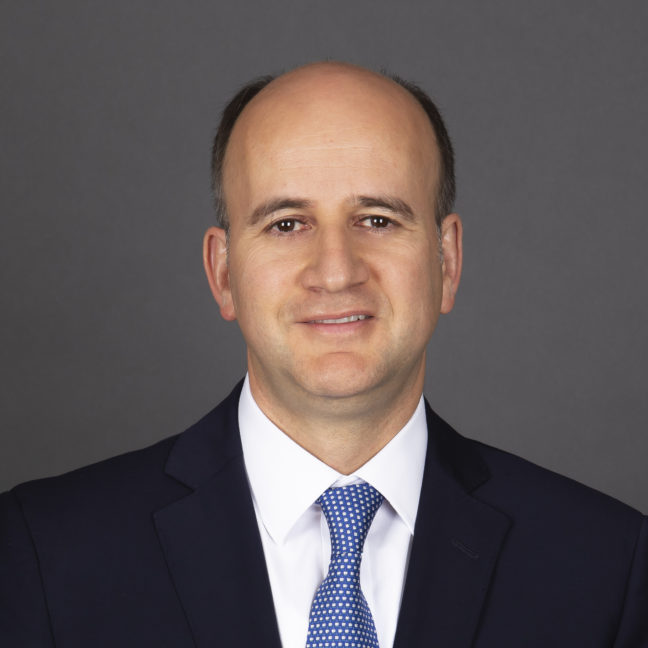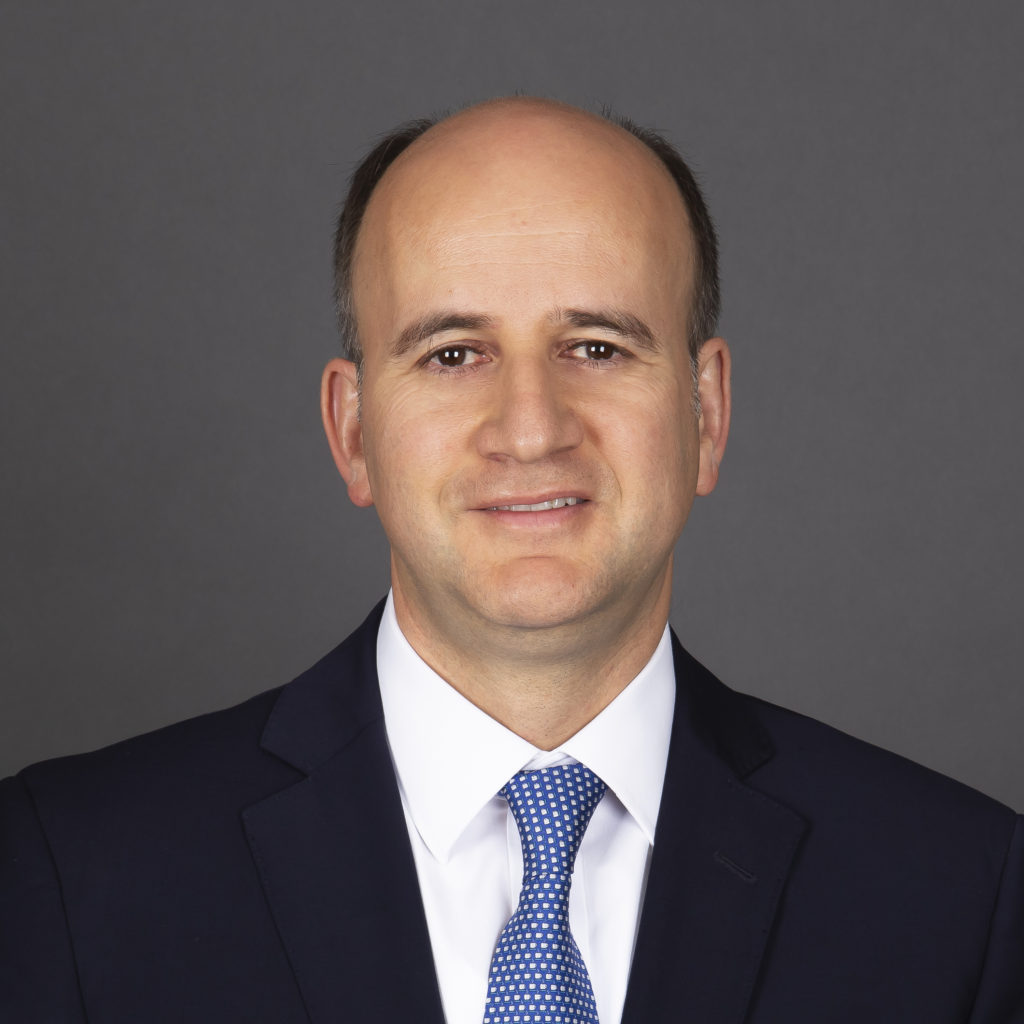
TTR DealMaker Q&A with APOYO Finanzas Corporativas Partner Eduardo Campos
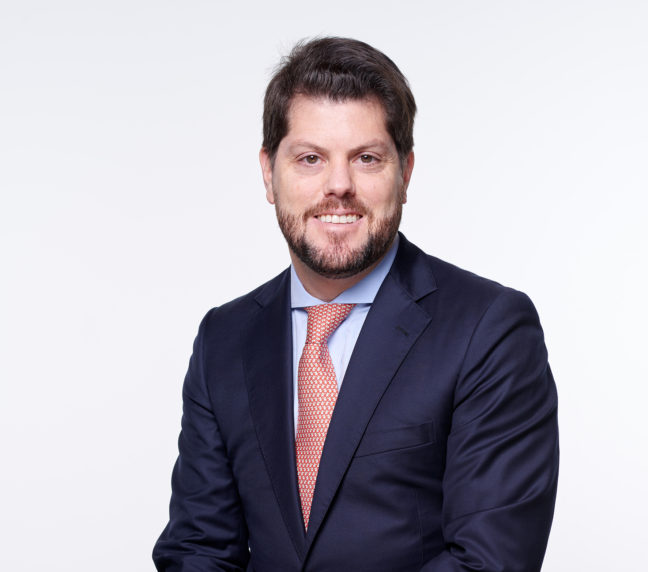
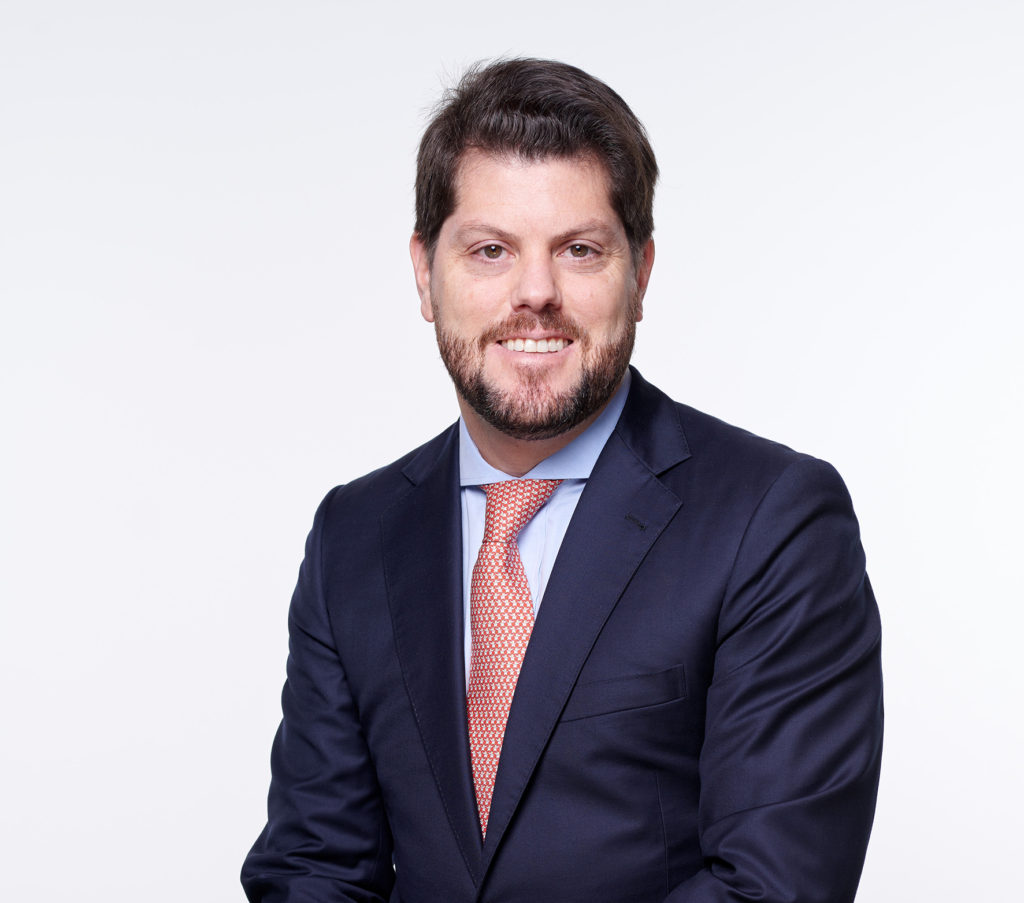
Eduardo Campos – APOYO Finanzas Corporativas
Eduardo Campos is partner of APOYO Finanzas Corporativas, an M&A advisory boutique focused in Latin America. Eduardo has conducted multiple transactions in diverse sectors including financial institutions, infrastructure, technology and media, consumer goods, real estate and agriculture. His expertise also includes restructuring processes and financial structuring through financial institutions and bonds.
He is an economist from Pontificia Universidad Católica del Perú and holds a MA in Economics from The University of Western Ontario.
TTR – The M&A activity in 2020 is severely affected by the COVID-19 health crisis. How would you describe the current situation of M&A market in Perú and Latin America, now we are over the worst part in terms of paralysis of economic activity?
E. C. – In Peru, the recovery of the M&A market will be very gradual. The COVID-19 health crisis placed many of the mandates on hold while others have been progressing at a slower pace. Several companies focused on the sudden stop of their activities and are now restarting their operations. In the midst, many companies are looking for ways to improve operational efficiency and, in specific sectors, their digital channels.
We believe the M&A market is recovering. Financial and strategic investors are looking for opportunities to grow in Peru and we are restarting other M&A processes as cross-border M&A ramps up. We expect further recovery by the fourth quarter of 2020 and especially by the end of the first quarter of 2021 with the reopening of international flights and better control the COVID-19 health crisis. This last one relies on how the health crisis unfolds. A worsening of the crisis could possibly lead to additional restrictions and an impact on the economic activity.
TTR – What is the situation of the M&A market in Perú compared to other countries of Latin America? Is this stagnation being lived in the same way in other countries of the region?
E. C. – We have two sources of information: our current mandates with international counterparts and our active communication with other bankers from the region as we are part of the Oaklins network. In general, we perceive a slow pace of M&A activity. In some way related to countries with lower restrictions on international flights (which can facilitate the performance of due diligence processes). Latin America is a market where investors are used to presential visits of facilities, which are essential for some transactions, and their counterparties. This is a critical restriction to continue with the M&A process.
TTR – How would you describe the measures taken by the Peruvian Government a for the situation of business instability caused by the health crisis? Do you think additional measures are necessary?
E. C. – Although, the country’s priority is the control of the COVID-19’s health crisis, efforts should also be directed to mitigate its effect on the economy. Actions taken by the government and the new Congress have failed to reactivate either the economy or investor’s confidence. The lack of management has been one of the main drivers for leading the list of infections cases (by relative size) and drop in GDP. Unfortunately, we are leading both lists.
The new Congress is working on a normative fallout creating high uncertainty for investors. According to our regulatory monitoring tool, in Peru there are 81 bills focused on pension systems, 36 on the financial system and 26 on price controls. All of them with a major impact on the economy. Strong populism attempts by the Congress to make regulatory changes and an Executive with little force to control them – it is really a pity.
Additional measures/policies are needed to reactivate economic activity, to reactivate cities outside Lima, and to improve competitiveness levels. Also, we need to provide more facilities to boost local and foreign private investment, support private companies – which are responsible for creating wealth, jobs and taxes – and strengthen the financial system. Also, we need to promote public investment which is very slow and there is a lack of management focused on its reactivation.
TTR – In terms of company restructurings, what is the current situation and what are the prospects for the following months in Perú and the region?
E. C. – We are working on several mandates related to financial restructuring. Many companies are going to experience hard times as Peru’s GDP and demand dropped heavily, and recovery is very slow. It is also true that liquidity mechanisms (with a guarantee from the Public Treasury) provided by the Banco Central de Reserva del Peru (BCRP) helped to prevent liquidity problems from getting worse. However, it could have been better if the Ministerio de Economía y Finanzas (MEF) had followed the recommendations given by the BCRP.
Banks, with the support from the Superintendencia de Banca, Seguros y AFP (SBS), have been quite flexible in rescheduling debt payments (without additional provisions). However, soon banks will have to reflect companies’ current situation and calculate the impact on their balance sheets. We expect that by the end of the year and early next year many companies will seek private restructurings (with banks) or using existing mechanisms (Ley Concursal in Peru). A wave is coming and that is the reason why the government has designed an Accelerated Bankruptcy Refinancing Procedure (PARC) – a fast track for the bankruptcy processes. M&A processes involving distressed assets will be more common next year.
TTR – Which sectors would you say are most likely to recover more quickly in this new phase of the Pandemic?, Which sectors do you think are more interesting for financially strong investors?
E. C. – Sectors experiencing higher growth rates have been related in some way to technology or digital platforms. Also, companies that were able to incorporate e-commerce for either B2B or B2C markets are experiencing accelerated top-line growth.
In the region, the natural resources and energy sectors are active with companies looking for additional sources of renewable energy and investors looking to mining companies that could offer some downside protection during times of uncertainty.
Additionally, we perceive investor appetite for infrastructure assets. The announcement and closing of these transactions will be complex until international flights resume (still no restart date for international flights in Peru).
The financial sector, especially the world of microfinance, is gaining momentum and will be very active in next year. There is also activity in the real estate market, with sales of fixed assets to specialized financial investors, as companies transform to asset-light business models and look for ways to reduce their financial burden with the proceeds.
In sum, investors continue to look for the most resilient sectors and for companies whose products are needed in a daily basis.
Versión en español
TTR – La actividad transaccional en 2020 está muy definida por la crisis sanitaria del COVID-19, ¿Cómo describe la situación actual del mercado de M&A en Perú y América Latina, una vez pasada la peor parte en términos de parálisis de la actividad económica?
E. C. – En Perú consideramos que la reactivación en el mercado de M&A de momento será muy gradual. La crisis sanitaria del COVID-19 puso en stand-by muchos de los mandatos mientras que otros han ido avanzando a un ritmo más lento. Muchas empresas se concentraron en la paralización de actividades y ahora en el reinicio de operaciones. En el medio, muchas empresas buscaron hacer sus operaciones más eficientes y asimismo, en determinados sectores, se enfocaron en la profundización de los canales digitales.
Sentimos que la actividad se está reactivando. Inversionistas financieros y estratégicos están buscando oportunidades para crecer en Perú y estamos reactivando otros procesos pues el interés en el exterior está comenzando también a reactivarse. Esperamos una mayor reactivación hacia el cuarto trimestre del año y en especial a fines del primer trimestre de 2021 de la mano de una mayor apertura de los vuelos internacionales y de un mayor control de la pandemia. Esto último depende de cómo se desenvuelva la crisis sanitaria, cuyo agravamiento es posible que genere potenciales restricciones adicionales con impacto en la actividad económica.
TTR – ¿Cuál es la situación del mercado de M&A en Perú en comparación con otros países de América Latina? ¿Este estancamiento se vive de la misma manera en otros países de la región?
E. C. – Tenemos dos fuentes de información: nuestros actuales mandatos con contrapartes internacionales y nuestros colegas de la región al ser parte de la red Oaklins, con quienes mantenemos una comunicación activa. En general, se nota un menor dinamismo. Lo anterior de alguna manera está relacionado a los países con menores restricciones en cuanto a vuelos internacionales (que pueden facilitar los procesos de due diligence). Latinoamérica es un mercado donde los inversionistas están familiarizados con mirar físicamente los activos y visitar a tus contrapartes. Esta es una restricción importante para continuar con los procesos de adquisición.
TTR – ¿Cómo describiría las medidas tomadas por el Gobierno peruano para enfrentar la situación de inestabilidad empresarial causada por la crisis sanitaria?, ¿Cree que son necesarias medidas adicionales?
E. C. – Si bien la prioridad del país debe ser el control de la crisis sanitaria por el COVID-19, también se deben enfocar los esfuerzos en amortiguar sus efectos sobre la economía. Con este entendimiento, las medidas tomadas por el Gobierno y el nuevo Congreso no han logrado ni reactivar la economía ni la confianza de inversionistas en el país. La ausencia de gestión ha sido una de las principales causas de liderar la lista de contagios en el mundo (por tamaño relativo), así como de la caída en los niveles de producción global de la economía. Lamentablemente, lideramos esos dos frentes.
El nuevo Congreso se ha enfocado en realizar un ’cargamontón’ normativo que crea incertidumbre en el inversionista. De acuerdo con nuestra herramienta de monitoreo normativo, en Perú tenemos 81 proyectos de ley enfocados en sistemas de pensiones, 36 sobre el sistema financiero y 26 sobre controles de precios. Todos con impacto importante en la economía. Mucho populismo en estos intentos de cambios normativos por parte del Congreso y con un poder Ejecutivo con poca fuerza para controlarlos, es una verdadera lástima.
Son necesarias mayores medidas para reactivar la actividad productiva, reactivar las ciudades fuera de Lima y mejorar nuestra competitividad. Además, necesitamos brindar mayores facilidades para dinamizar la inversión privada local y extranjera; apoyar a la empresa privada que es la generadora de riqueza, empleos e impuestos; y fortalecer el sistema financiero. Necesitamos promover la inversión pública, la cual está muy lenta y con muy poca gestión para reactivarla.
TTR – En el área de reestructuraciones empresariales, ¿qué situación tenemos en estos momentos y qué expectativas hay para los próximos meses en Perú y la región?
E. C. – Estamos trabajando en varios encargos relacionados de reestructuración financiera. Con los niveles de caída del PBI, caída en la demanda y recuperación muy lenta, muchas compañías la van a pasar muy mal. Es cierto también que los mecanismos de liquidez promovidos por el Banco Central de Reserva del Perú (BCRP) con garantía del Tesoro Público ayudaron mucho a evitar que los problemas de liquidez sean mayores. Pudo haber sido mejor si el Ministerio de Economía y Finanzas (MEF) hubiera seguido las recomendaciones del BCRP.
Los bancos, apoyados por algunas disposiciones de la Superintendencia de Banca, Seguros y AFP (SBS), han sido bastante flexibles para reprogramar las obligaciones (sin necesidad de hacer provisiones adicionales). Esto se acaba pronto y así los bancos tendrán que reflejar la situación de las empresas y su impacto en los balances de los bancos. Se espera que, hacia fines de año y primera parte del siguiente año, se vean muchas empresas que busquen realizar sus reestructuraciones de manera privada (con los bancos) o utilizando los mecanismos existentes (Ley Concursal en el Perú). Se viene una ola y por eso el Gobierno ha diseñado un Procedimiento Acelerado de Refinanciación Concursal (PARC). Es un fast track de estos procesos concursales. Los procesos de M&A vinculados con activos en distressed serán algo más comúnmente visto el siguiente año.
TTR – ¿Qué sectores diría usted que experimentarán una recuperación más rápida en esta nueva fase de la pandemia? Cuáles sectores podrían brindar mayores oportunidades a inversores con potencial financiero?
E. C. – Los sectores relacionados de alguna u otra forma a la tecnología / plataformas digitales han experimentado un mayor crecimiento. Además, aquellas empresas que han podido incorporar el e-commerce tanto en el plano B2B y B2C vienen experimentando ritmos acelerados de crecimiento top-line.
En la región también entendemos que el sector recursos naturales/energía se encuentra activo, con empresas buscando mayores fuentes de energía renovable e inversionistas mirando actividades en minería que ofrezcan una protección en estos tiempos de incertidumbre. La búsqueda de activos en el mundo de infraestructura sigue activa. El cierre de estas transacciones será complicado hasta que no se regularicen los vuelos internacionales (aún sin fecha cierta de reinicio).
Además, el sector financiero tendrá mucha actividad el siguiente año, especialmente el mundo de microfinanzas. También hay actividad en el frente inmobiliario, con venta de activos fijos a inversionistas financieros especializados que tienen miras de ser empresas más asset-light y buscan reducir su deuda financiera a través de estas inyecciones de capital.
En suma, los inversionistas continúan mirando los sectores más resilientes y empresas cuyos productos representan una necesidad para el día a día.