DealMaker Q&A

TTR DealMaker Q&A with Gómez-Acebo & Pombo Spain, Partner Iñigo Erlaiz Cotelo
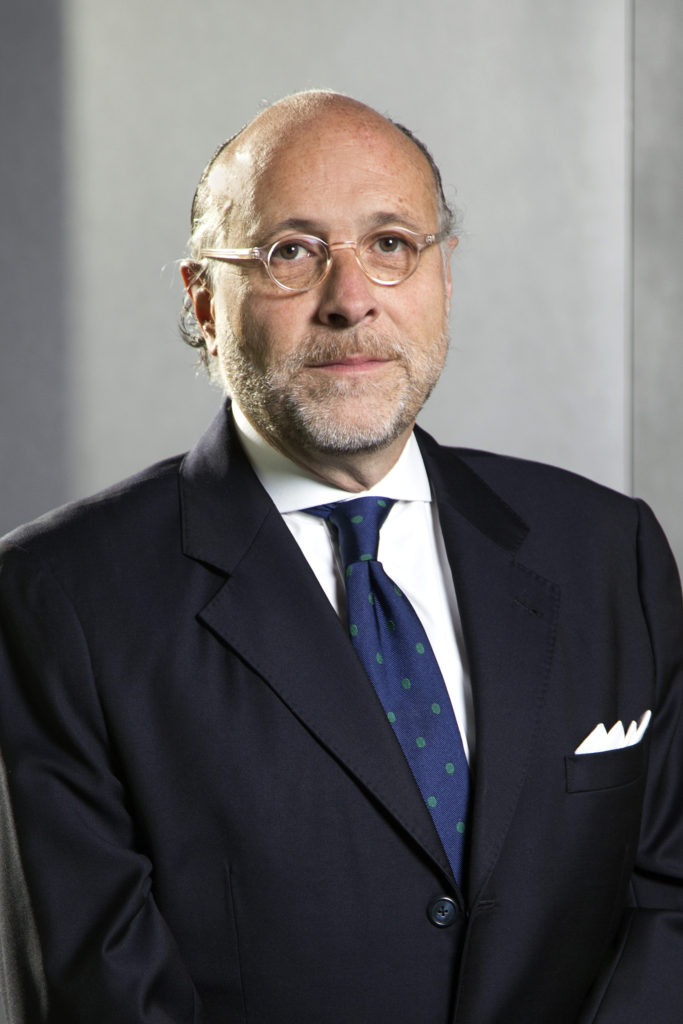
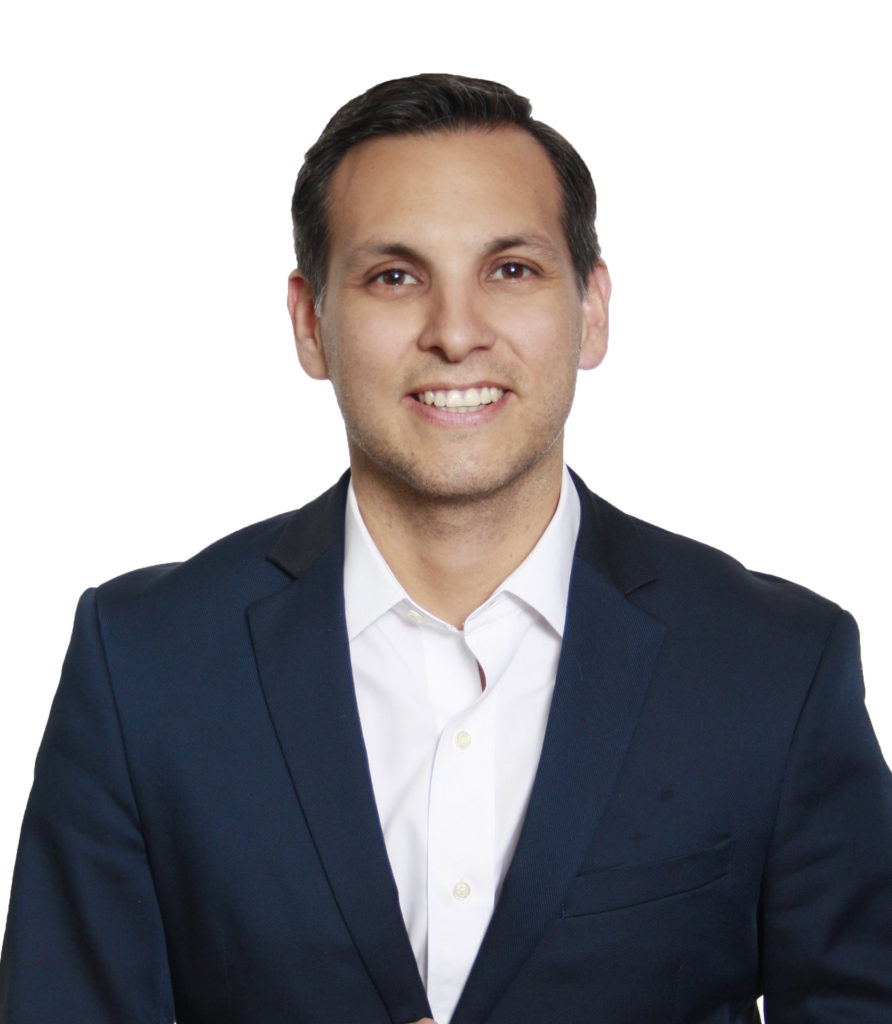
IÑIGO ERLAIZ COTELO

Iñigo Erlaiz Cotelo is Partner of Goméz-Acebo & Pombo Spain, Head of Corporate and M&A from February 2016 – specializes in corporate, commercial and M&A transactions, notably involving private equity and restructuring and insolvency-led transactions. He is a member of the Board of Directors of the firm. As to industry sectors he specializes in food, retail, and manufacturing.

TTR: How would you describe the M&A market in Spain year-to-date in 2019?

We are seeing a high amount of activity. While it’s true that the rate has not been steady, slowing down to a certain point prior to the election and/or caused by news that has generated uncertain macro conditions, in general, we are seeing a lot of transactional activity. This activity has ramped up over H1, driven by abundant liquidity and low rates that favour access to financing. As this should continue, we expect H2 to have a similar level of activity.

TTR: As an expert in Retail, Insurance and Pension Funds, how do you expect these sectors to perform? What is your growth forecast for these sectors in Spain in the medium-to-long term?

These are sectors that are going through a transformation process. In the retail sector, we are seeing movements arising from the search for new models and the departure of existing models (investment in companies with a technological base and restructuring of traditional business). In the insurance sector, there has been a lot of activity stemming from the reorganisation of bancassurance agreements. Also, there are cooperation agreements and investments that allow for progress in the digitalisation of the sector. It is still a fragmented sector, where a concentration process is pending, which will arrive sooner or later (I think via an initial concentration phase of mutual insurance companies, by searching for efficiency and robustness of the balance facing a regulatory environment that is increasingly demanding with solvency levels).

TTR: How do you see the Spanish private equity market developing?

It is also very dynamic. Funds have been raised recently which have been larger. Therefore investment has also grown. There is a lot of competition in the middle of the market (where a large number of operators compete)and at the high end, but with more limited investment opportunities. All this, along with a return to lending with financing structures in which debt-based funds are entering, means a more favourable context for the seller. I think that the trend will continue for the rest of the year.

TTR: One of the attractive sectors in Spain for private equity firms is the food industry, in which you also have considerable experience. Why is this sector so attractive for private equity investors in the current economic climate?

It is one of the sectors that has invested most in technology and process modernisation. There are very competitive companies, international leaders in their market niches who are exporters by vocation. At the same time, there is a reconfiguration process in relationships between suppliers and distributors in which some operators are looking for access to new markets and clients while others are looking for more efficiency though vertical integration. Private equity funds can be immensely useful to support these processes. I think there is a clear flit and that it is a sector that offers many opportunities to this type of investor profile.

TTR: You also specialize in bankruptcy and restructuring processes. What is the most viable solution for the companies undergoing such processes currently: to access funds from financial institutions or to raise capital through the sale of equity to external investors? What are the advantages of each option?

Traditional financial institutions avoid these situations. There are special situations funds that can inject debt in a pre-bankruptcy situation but must be a loan-to-value and a clear exit scenario. Often, greater legal certainty is offered by structuring the takeover and restructuring transaction within the bankruptcy, be it with a proposal of early agreement or via purchasing a production unit. These are complex transactions, reserved for specialised funds that require a significant amount of prior risk analysis but whose returns may be substantial in return.

TTR DealMaker Q&A con Gómez-Acebo & Pombo España, Sócio Iñigo Erlaiz Cotelo

TTR: Cómo describiría la actividad del mercado de M&A español en lo que va de 2019?

Estamos viendo gran actividad. Es cierto que el ritmo ha sido inconstante, con cierta ralentización previa al proceso electoral y/o motivada por noticias que han generado momentos de incertidumbre macro pero, en general, sigue habiendo mucho movimiento transaccional. Esta actividad se ha acelerado en el final del primer semestre, impulsada por la abundancia de liquidez y un entorno de tipos bajo que favorece el acceso a la financiación. Como ese contexto se mantendrá prevemos una segunda parte del año con un ritmo de actividad similar.

TTR: Más específicamente, como experto en los sectores Retail y Seguros y Fondos de Pensiones, ¿qué balance haría de su actividad transaccional? ¿Qué comportamiento espera en estos sectores en el medio/largo plazo en España?

Son sectores que están viviendo tiempos de transformación y cambio. En el sector retail vemos movimientos provocados por la búsqueda de nuevos modelos y el agotamiento de los existentes (inversiones en compañías con base tecnológica y restructuración de negocios tradicionales). En sector de seguros ha habido mucha actividad derivada de la reorganización de los acuerdos de bancaseguros. También hay inversión y acuerdos de colaboración que permitan avanzar en el proceso de digitalización del sector. Sigue siendo un sector atomizado, donde está pendiente un proceso de concentración que, tarde o temprano, acabará por llegar, yo creo que de la mano de una primera fase de concentración de las mutuas, buscando eficiencia y robustez del balance ante un entorno regulatorio cada vez más exigente con los niveles de solvencia.

TTR: ¿Qué expectativas tiene con el mercado de private equity español?

Está también muy dinámico. Se han levantado fondos recientemente y, además, de mayor tamaño, por lo que el ticket de las operaciones ha aumentado también. Hay mucha competencia en el segmento medio de mercado (donde compite un número elevado de operadores) y en el alto, con  oportunidades de inversión más limitadas. Todo ello, junto con una vuelta del crédito y con estructuras de financiación en las que también están entrando los fondos de deuda, se ha traducido en un contexto más favorable al lado vendedor. Creo que durante el resto del año se mantendrá la tendencia.

TTR: Uno de los sectores más atractivos para private equity en España es el sector alimentario, en el que también tiene usted experiencia contrastada. ¿Qué ofrece este sector en la actualidad a firmas de private equity?

Es uno de los sectores que más ha invertido en tecnología y modernización de procesos. Encontramos compañías muy competitivas, líderes internacionales en sus nichos de mercado y con vocación exportadora. Al mismo tiempo hay un proceso de reconfiguración de las relaciones entre proveedores y distribuidores, en el que algunos operadores buscan acceso a nuevos mercados y clientes y otros más eficiencia a través de integraciones verticales. Los fondos de private equity pueden ser de gran utilidad para apoyar estos procesos. Creo que hay un encaje claro y que es un sector que ofrece grandes oportunidades a este perfil de inversor.

TTR: Por último, se especializa usted también en insolvencias y restructuraciones. En este tipo de situaciones, ¿es más viable hoy día acudir a financiación de entidades financieras o a inversores que entren en el accionariado de las empresas concursadas? ¿Qué ventajas tiene cada opción?

Las entidades financieras tradicionales evitan estas situaciones. Hay fondos de situaciones especiales que pueden inyectar deuda en una situación pre-concursal, pero tiene que haber un loan to value y un escenario de salida claros. A menudo ofrece mayor seguridad jurídica instrumentar la operación de toma de control y restructuración dentro del concurso, ya sea con una propuesta anticipada de convenio o la compra de una unidad productiva. Son operaciones complejas, reservadas a fondos especializados, que requieren de mucho análisis previo “a riesgo”, pero que, a cambio, pueden aportar grandes rentabilidades.
DealMaker Q&A

Eduardo Peláez

TTR DealMaker Q&A with UNE Asesores Financieros Partner Eduardo Peláez

Eduardo Peláez

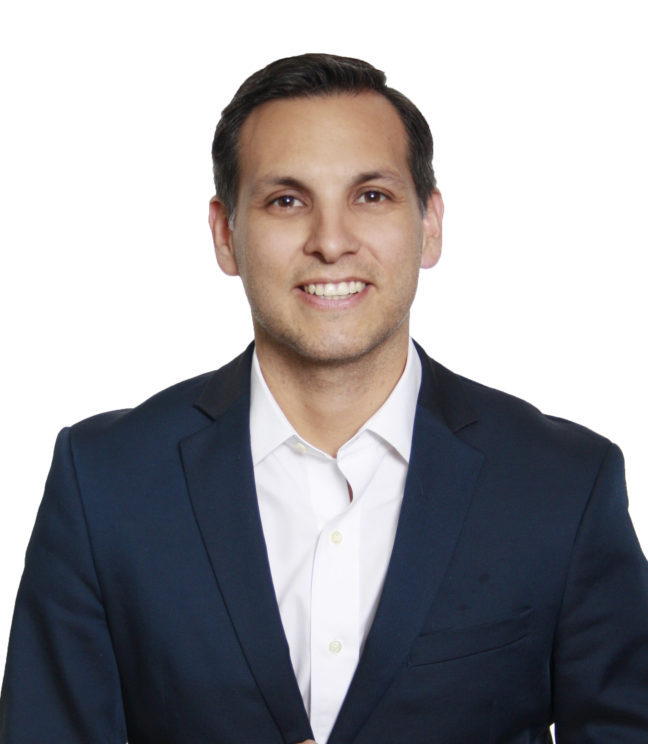
Eduardo Peláez is Partner of UNE Asesores Financieros, an M&A advisory boutique focused in Latin America Small/Mid-Market. Eduardo Peláez has conducted many transactions in diverse sectors including tourism, chemicals, real estate and agriculture. Previously Eduardo was associate of Miranda & Amado Abogados and Hernández & Cía. Abogados. Also, worked in Lindley. 

He is Lawyer from Pontificia Universidad Católica del Perú and holds a MSc Management from Alliance Manchester Business School.

TTR: What’s your general outlook for the M&A market in Latin American this year, and specifically, in Peru?

EP: We believe the Latin American M&A market is experiencing a quite dynamic phase. Notwithstanding, the particular circumstances of each country in terms of macroeconomic conditions and political environment lead to diverse possibilities and projections. 

In the region there are markets like Venezuela, a country with enormous potential but absolutely isolated, but also the case of Chile, a nation with very stable economy and government, but with less opportunities for high returns. Also, there are some up-and-coming countries like Paraguay that has established favorable market conditions through a pro-investment regulatory and tax set of rules. 

The case of Peru is very particular. Despite of the political turbulence and the scandals of corruption, the economy is stable and the National Central Bank maintains its growth´s projections around 4%. The last two years have been marked by iconic transactions led by strategic investors pursuing market consolidation, such as the acquisition of the pharmacy chain MiFarma by Intercorp and the recent acquisition of Intradevco by Alicorp.

TTR: What are the primary factors influencing M&A decisions in the current economic climate? How do these economic fluctuations affect investment priorities?

EP: In the last decade, Peru has grown consistently. Even though the pace slowed since 2014, the Peruvian market maintains healthy indexes and presents opportunities for high returns, making it one of the most attractive markets in Latin America. 

Likewise, the Private Equity industry is taking more prominence in Peru, generating more dynamism in M&A activity. Global funds like Advent and Carlyle are already active investors in the Peruvian market. Also, there are other relevant players specialized in the mid-market such as HIG, L Catterton, Southern Cross and Victoria Capital Partners, that are exploring opportunities in Peru. 

From the sell-side standpoint, the political instability could make some businesses owners’ deciding to sell. Also, the new M&A regulation that will go into effect next year could accelerate the velocity of transactions and increase the volume of deals in the following months.

TTR: What is the state of the capital market in Perú? How has the country evolved in this respect in recent years? What is your forecast for the near-term?

EP: Peruvian capital market is still in an embryonic stage, characterized by low activity and hardly influenced by a few institutional investors. The exclusion of Credicorp from the FTSE Emerging Markets index is symptomatic. 

There are some significant efforts of developing the MAV (capital market for mid-size companies with less than S/. 350MM of annual revenue), but the results are modest, with just 13 listed companies since its inception in 2013. 

In this context, the recent creation of FIRBIs and FIBRAs, vehicles that have similarities with the American REITs, could represent a great opportunity to attract retail investors and increase the activity and liquidity of the capital market.

TTR: How difficult is it for corporates to access financing from local financial institutions in the current environment? What are the main barriers? How is financing structured?

EP: We have experienced a significant evolution in the volume of Peruvian companies accessing to the banking system in the past few years, going from 25% in 2014 to 40% in 2018, according to ASBANC. 

The big challenge is the inclusion of the majority of small and medium enterprises that currently have very few options. The fintech market represents a very interesting alternative for this type of businesses, particularly in the way of factoring platforms. 

Also, the increasing presence of foreign debt funds, especially Chilean, are becoming key participants, even in the small-and-mid size market. For example, recently we helped our client Llaxta Inmobiliaria y Constructora to obtain a US$ 10.5MM loan from Volcom Capital Chile for a real estate project in Piura, part of the social program “Techo Propio”.

TTR: Finally, we would like you to share with us your opinions and forecasts about the opening of the Peruvian market with other countries

EP: The Peru market presents many opportunities for all types of international investors, from strategic regional players to family offices and private equity and debt funds. 

Beyond the usual M&A activity in the mining sector, we see interesting opportunities of consolidation in the agricultural business. For example, there is the case of Hortifrut that became the leading berry producer in the world after the acquisition of El Rocío. Likewise, last year we had the opportunity to advise the British trader Wealmoor and Limones Piuranos in the acquisition of the mango and avocado´s exporter Sunshine. Also, recently we led the sale of the mango´s exporter Dominus to the Peruvian-Danish joint venture Danper

On the other hand, the real estate market still presents superiors return rates compared with other countries in Latin America, attracting global and regional real estate funds. 

Finally, considering the current development of modern retail, we believe Peru represents an interesting possibility for regional companies dedicated to services related with cold chain and specialized storage.

DealMaker Q&A

Aitor Cayero Barayazarra

TTR DealMaker Q&A with IMAP Albia Capital Director Aitor Cayero

 Aitor Cayero Barayazarra
Aitor Cayero

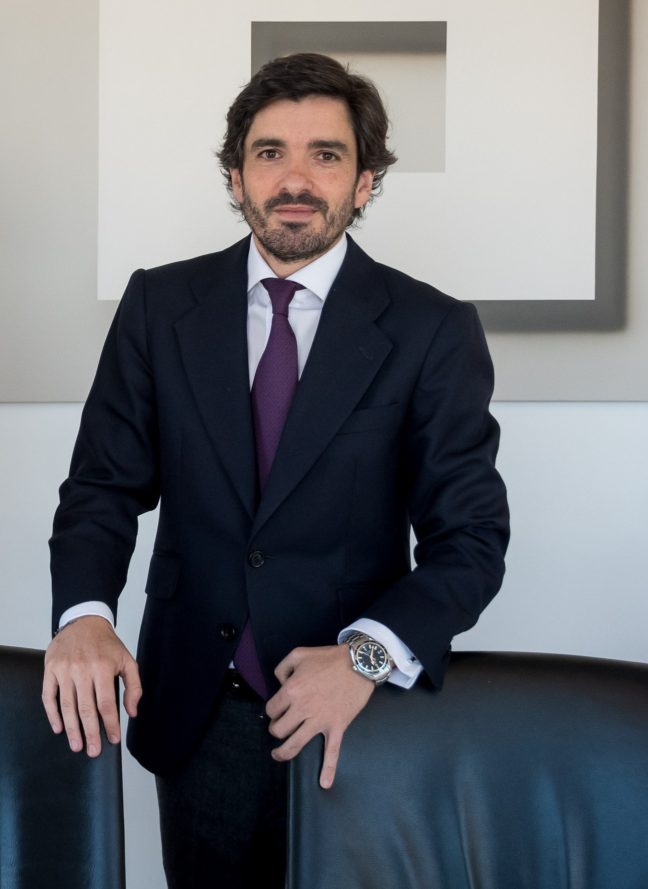
Aitor Cayero is a CFA charterholder. He obtained his business administration degree from the Deusto University and continued his studies at Instituto de Empresa within its Program for Direction in Corporate Finance.

He began his career at PwC, where he remained for 5 years and oversaw projects for clients mainly within the Banking and Private Equity sector’s. In 2010, Aitor joined IMAP Albia Capital, and is currently an M&A Director. While at IMAP Albia Capital, he has been involved in over 30 M&A, valuation and refinancing projects, with an emphasis on cross-border engagements.

TTR: As an expert in Corporate Finance/M&A, how would you characterize M&A activity in Spain Year-to-date?

ACB: Despite an interannual slow-down in the M&A market in Q1 2019, presumably produced by some uncertainty looming in the overall macro landscape, our perception of the mid-market M&A is that activity is healthy and will continue to be so for the coming months. Specific circumstances for M&A activity are favorable: Spanish economic backdrop is robust, interest rates remain low and valuation spread between demand and supply in the M&A Mid Market is narrow. What is obvious, though, is that economy has been expanding for several quarters since the last crisis, and M&A activity has accompanied, so it does seem advisable for anyone thinking of entering the M&A market that he or she should do so while circumstances continue to be favorable.

TTR: IMAP Albia Capital advises on many sell-side mandates. Are these transactions typically structured as competitive processes? What level of appetite are you seeing in these targets?

ACB: In most cases, yes, processes are competitive. We have been involved in cases in which conversations have been exclusive from the beginning, but usually only when deal structure and terms are broadly agreed upon from the get-go and a framework of sufficient trust is established between buyer and seller, the latter a factor in which we as advisers frequently intervene.

Regarding appetite, demand really picks up when deals are above the €20 EV area. That’s where private equity usually comes into the picture, and, we all know what the dry powder status is in Spain and internationally; just check the last Bain and Co. Global Private Equity Report. So, sure, sell-sides that are sufficiently sizable, offering an attractive project and niche products, and with management teams willing to lead the project and reinvest, are hot products right now. 

TTR: Which funding resources are preferred by potential buyers seeking to acquire at present?

ACB: To be truthful, most buyers are still not that sophisticated in terms of funding sources: equity and basic amortizing bank loans basically cover most funding resources in Spain. Larger deals in which we have intervened have been structured using non-bank loans, such as mezzanine, unitranche, bullet structures, etc., currently being offered by debt funds, but this isn´t the typical Mid Market M&A deal in Spain today. We at IMAP Albia think the Spanish market will eventually end up resembling the US and UK markets, which are markets in which M&A transactions are mainly non-bank loan funded. Of course, we offer our buy-side clients the possibility of using more complex funding structures, and value creation that these structures add for their shareholders; some flatly dismiss the possibility, and others are open to at least exploring the possibility. It´s part of our role as advisers to let our clients know how to financially improve transaction structures.

TTR: To date, IMAP Albia Capital has advised on many industrial acquisitions. Which segments of the industrial sector are currently most attractive to investors?

ACB: I don´t see specific industrial sectors as being attractive as a whole. Some companies are in apparently unattractive industrial sectors, but are just in the right place within their value chain, with a niche and resilient product, and others are in trendy industrial sectors but don´t have the right elements in place to even be sustainable in the long term. Companies with competent management teams, a clear strategy and a powerful product offering will in most cases be successful, whether it´s one industry or the other.

However, I wouldn´t want to avoid directly answering your question, so I will say, just to name a few, that electronics, animal nutrition, industrial material additives, and non-combustion engine car part suppliers are four industries that are attracting attention.

TTR: As a local player, what are your thoughts on the current M&A market in Basque Country?

ACB: It is true that we originally started our activity in the Basque Country 15 years ago, and it is truly one of our main geographical markets. However, since joining our previous international organization 7 years ago, and especially since joining IMAP 3 years ago, our geographical reach in Spain is all over the country. IMAP is present in 39 countries with over 500 professional M&A advisers on our team. We currently have offices in Bilbao, Madrid and Barcelona, and most on-going mandates are nationwide.

Regarding the Basque Country, precisely on this topic we published an article in February of 2018, in which we indicated that Basque company’s offer skilled and productive workforces, high quality niche products, strong supplier networks, proximity of public administration, etc., which are all factors that make it the leading industrial hub in Spain. However, the one element Basque companies are improving, and need to continue improving, is size. They need to continue investing in other geographies, not only to become more attractive more financial and / or industrial investors, but also to guarantee long-term sustainability.

DealMaker Q&A

Alberto Rebaza

TTR DealMaker Q&A with Rebaza, Alcazar & De Las Casas Partner Alberto Rebaza

Alberto Rebaza
Alberto Rebaza

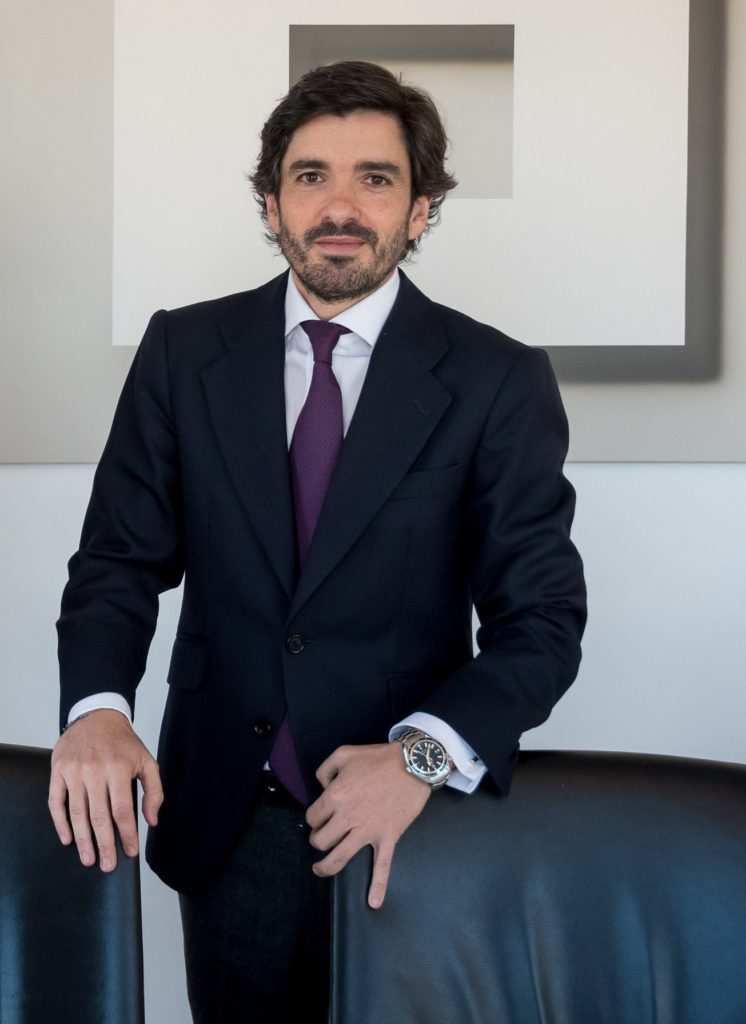
Alberto Rebaza is founding partner and managing partner of Rebaza, Alcazar & De Las Casas law firm. Partner leads to mergers and acquisitions and corporate areas. In addition to his masters, he has studies at Georgetown University and England. He has also been director in several companies and organizations such as Edegel (Energy), Rigel Peru (Insurance), Liderman (Services), Amrop (Services), IPAE, Pesquera Alexandra (Fishing), YPO, among others.

TTR: Mr. Rebaza, firstly we would like to get your expert opinion, in a brief analysis, on the progress of the Peruvian M&A market in the first four months of the year.

AR: The Peruvian legal market has experienced an unusual volume of M&A closings in 1Q19 for all type and sizes of transactions. From the small/medium size deals with a strong strategic focus, to the multimillion dollar/cross-border deals that cover most of our newspapers. Our team has participated in 7 closings in 2019 so far (including strategic deals such as the sale of Papelsa to Grupo Gloria, the sale of Holding Plaza to Parque Arauco or the purchase of Duraplast and Novatec by Wenco). We are thrilled and have high expectations with our pipeline of transactions for 2Q19.


TTR: According to our data, Peru allocated a significant part of its investments to other Latin American countries, mainly Colombia and Chile. What attracts the interest of Peruvian investors? 


AR: There are several factors that may explain this phenomenon. First, Colombia and Chile are two countries with lots of social, historic, cultural and legal similarities with Peru. A regional expansion within those countries is normally catalogued as a soft landing for foreign investors.

Second, since the launching of the Pacific Alliance (Latin American trade bloc, formed by Peru, Chile, Colombia and Mexico) in 2011, Peruvian investors are taking a close look to the participant countries of the Pacific Alliance to diversify or expand their businesses. It is worth noting that, despite certain tax benefits (agreements to avoid double taxation or tax reductions, among others), the founding members of the Pacific Alliance executed an agreement to abolish all tariffs of merchandise trade by January 2020, making this integration a unique Latin American marketplace for producers.


TTR: Similarly, Colombia appears so far in 2019 as one of the main investors in the country. How do you think this reciprocal business relationship between the two countries will evolve? How does it benefit their economies?


AR: Colombian investors have been major players in the M&A industry in the recent years and I wouldn’t expect that to change in the near future. They are the third major foreign investors in Peru, after Spain and Chile.

Back in 2018, the Colombian Business Council in Peru announced fresh investments for over US$ 2B in Peru for the years 2018 and 2019. Their main focus is on projects related to the infrastructure, electricity, hospitality, transport and in the cosmetic industry.

In addition to the investment projections of Colombian players, I think the real deal will come once the corruption crisis in Peru is overcome. The Colombians experience in public-private partnerships and Public Works Tax Deduction projects will for sure contribute our economy in a positive way. Their input and investment will boost public projects (and therefore our economy) and increase our employment rate considerably.


TTR: Meanwhile, transactions in Agriculture, Agribusiness, Farming and Fishing have increased in Peru, compared with previous years when that subsector wasn’t as prominent. What could you tell us about that? Do you think the tendency will remain?


AR: The fishing industry in Peru is now consolidated, however, the government has been debating the last months certain legislative modifications that may heavily impact the industry, such as the increase of the fishing rights.

On the other hand, we have viewed a transactional boom related to shrimp-based business like the purchase of La Fragata by Marinazul (affiliated to Grupo Camposol).

Furthermore, the agricultural-related industries are facing an unusual increase in their sectors due to the international demand for agricultural products. We have notice the peculiar interest of foreign investments funds and, particularly, private investors from Chile in the purchase of estates in the north of Peru to develop agribusiness and farming companies. Peru is a privileged country for the agribusiness, making it one of the most suitable natural producers. The progressive increase of the worldwide demand, followed by a friendly legal framework that includes income tax reductions and special depreciation conditions are the perfect match for this boost.


TTR: Lastly, Peru has recently suffered and been involved in certain corruption scandals. How do you think those scandals affect the country’s economy today? What is your outlook on the matter?


AR: Thankfully, the political crisis experienced in Peru last year and the current corruption cases have not prevented the unstoppable growth of our economy and, specifically, of the M&A players’ appetite.

However, it is important to note that all major infrastructure projects have been stopped and their continuity is under analysis. This has deeply affected our economy and the governmental stability, lowering the Peruvian employment rate. I believe this corruption turmoil may only be disregarded by a strong political force that needs to convey economic trust and decision-making features. Furthermore, we are now facing an exchange in the players or the main public projects. The typical powerful Brazilian and local companies are been replaced by international actors of various backgrounds.

Should the current government be unable to revert this situation, I believe the presidential elections in 2021 will be the right moment to overcome this scenario.

DealMaker Q&A

Luiz Nicolau

TTR DealMaker Q&A with Ritch Mueller Partner Luis Nicolau

Luiz Nicolau
Luis Nicolau

Luis A. Nicolau has been a partner at Ritch Mueller since 1990. He specializes in mergers and acquisitions, debt and equity capital markets transactions and banking and finance. He is a leading expert in assisting underwriters and issuers in debt and equity offerings in Mexico and abroad. He has participated in many of the largest public Mexican M&A transactions and advises foreign and domestic private equity funds on a regular basis. He has assisted numerous international financial entities in setting up their Mexican operations, including Scotiabank, JPMorgan, Credit Suisse, Santander and Morgan Stanley.

He currently maintains several board memberships, including at Grupo Posadas, Coca-Cola FEMSA, the public equity fund IGNIA, Morgan Stanley Mexico, UBS Asesores, KIO Networks,  Grupo Cementos de Chihuahua, Gentera, and of the investment committee of Promotora Social México; former President of Fullbright Mexico’s Governing Body, former member of the board of directors of Papalote Museo del Niño, former member of the board of directors of the Indian Mountain School and former member of the Supervisory Board of the Mexican Stock Exchange.

Mr. Nicolau graduated from the Escuela Libre de Derecho in Mexico City in 1986. He obtained a Master in Laws from Columbia University in 1988, where he was a Fulbright Scholar. Before joining Ritch Mueller, he was a foreign associate at Johnson & Gibbs, Dallas, and at Shearman & Sterling in New York. He joined Ritch Mueller in 1990 and has been a partner since then, except for the years 2001 and 2002, when he was the Chief Financial Officer of Vitro.

TTR: To begin, we would like you to give us a brief overview of the course of the first four months of the year in the Mexican M&A market. 

LN: The Mexican market for M&A transactions has been particularly slow for two (2) specific reasons. The first relates to political uncertainty and the lack of visibility in respect of prospects of the Mexican economy. The second, because the aforementioned factors have affected multiples applicable to M&A transactions involving Mexican companies. The good news is that the Fintech market is showing a significant level of activity, given the approval of the new Fintech Law and the fact that the period to obtain licenses under the Fintech Law has commenced. In addition, many Mexican families are showing interest in diversifying holdings and selling stakes, coupled with a different perception of political risk by foreign investors.


TTR:  Year-to-date, the number of transactions in the Internet subsector has increased, compared to last year; what can you tell us in relation to this data? What other sectors do you think will emerge during 2019?


LN: The reality is that generally the technology sectors have shown a substantial level of activity, fueled primarily by dedicated funds with excess liquidity, multiples used in other jurisdictions and the generalized underservice of the Mexican market.

¿Qué otros sectores, cree que, despuntarán a lo largo de 2019? As indicated, the Fintech sector has continued to show dynamism. In addition, the financial services industry has shown signs of further consolidation and there is continued interest in the pharma industry.


TTR:  In relation to the previous question, the majority of investments in the technology sector were from Venture Capital. What place do entrepreneurs and new companies occupy in the country?

LN: Although specific market data is not generally available, this is a sector of special interest, as a result of the new Fintech Law that has provided certainty to the industry, together with the fact that Mexico continues to be underserved from a technology perspective.


TTR:  Meanwhile, according to our records, although Mexico usually allocates a large part of its investments to Latin American countries, it does focus them in the country itself. Why does this unilateral relationship occur? 

LN: Again, this question is difficult to answer without the aid of economic data. However, there has been renewed and ongoing interest by Latin American investors in Mexico, in the Mexican oil and electricity sectors. Real estate and Fintech have shown some dynamism (see the examples of Mercado Libre and Rappi). It seems, however, that the Mexican market is larger, slightly more complex and subject to more competition, and that interesting opportunities remain in existence in several markets in Latin America.


TTR:  Continuing with the same topic, in the medium term, what Latin American countries do you think have the greatest potential to establish new trade links with Mexico and why?

LN: Difficult question to answer and will be dependent upon the desire to diversify, the availability of accretive multiples, competitive financing and the existence of liquidity. Larger Central American groups are likely to continue to look at Mexico as a stable hub, together with Colombia and Peru that are going through stable processes, and of course Brazil with its economic might and better skills to adapt to a large market as Mexico.


TTR:  Apparently, the beginning of the year has not been as economically positive as expected. However, you can see many local businesses in expansion and with the intention of entering new markets. Do you think that this situation could be improved?


LN: It is hard to see significant economic improvement this year, notwithstanding the efforts of private sector groups, because of remaining uncertainties in respect of economic conduction. The end of the year may bring a surprise or two, if the economy remains stable.