Content available in English and Spanish (scroll down)
TTR DealMaker Q&A with Auriga Global Investors Partner Diego Garcia de la Peña
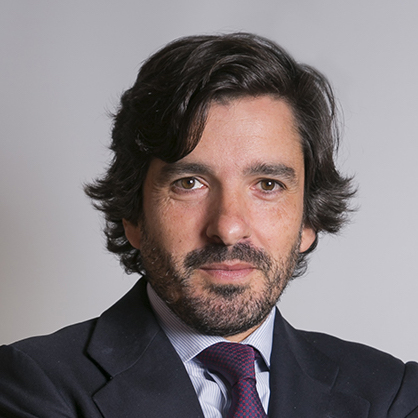
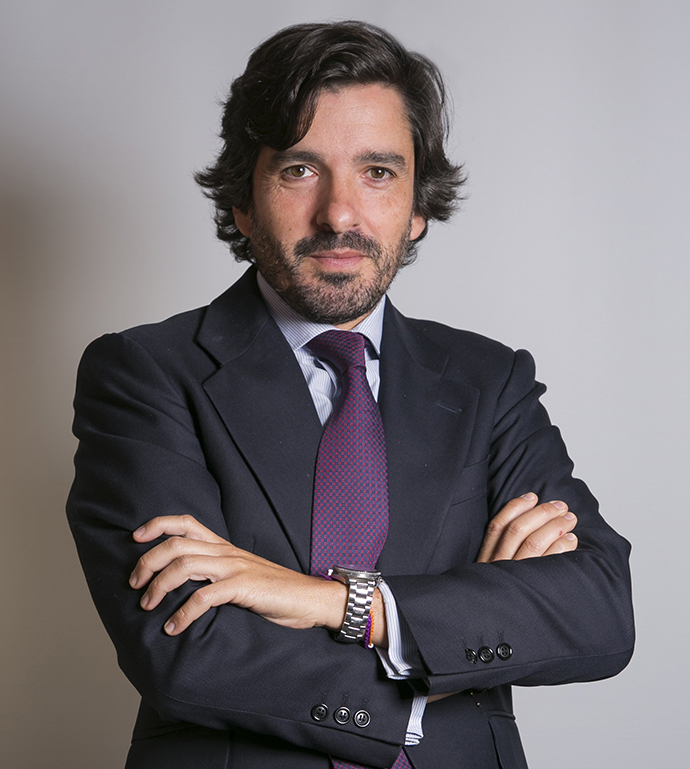
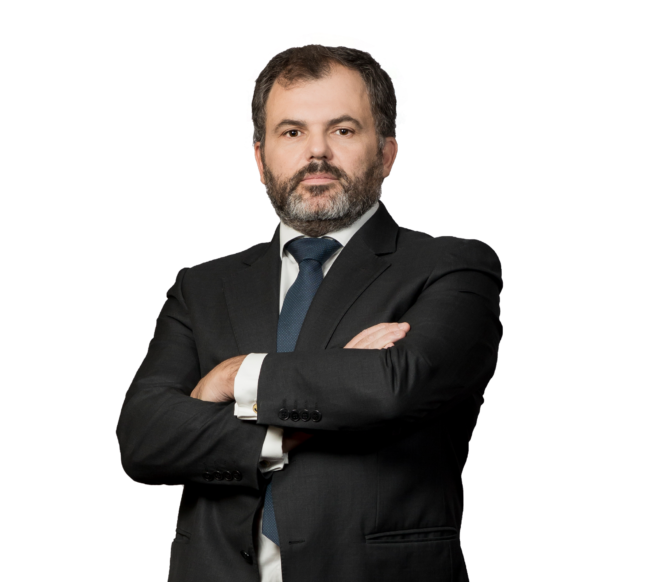
Diego Garcia de la Peña – Auriga Global Investors
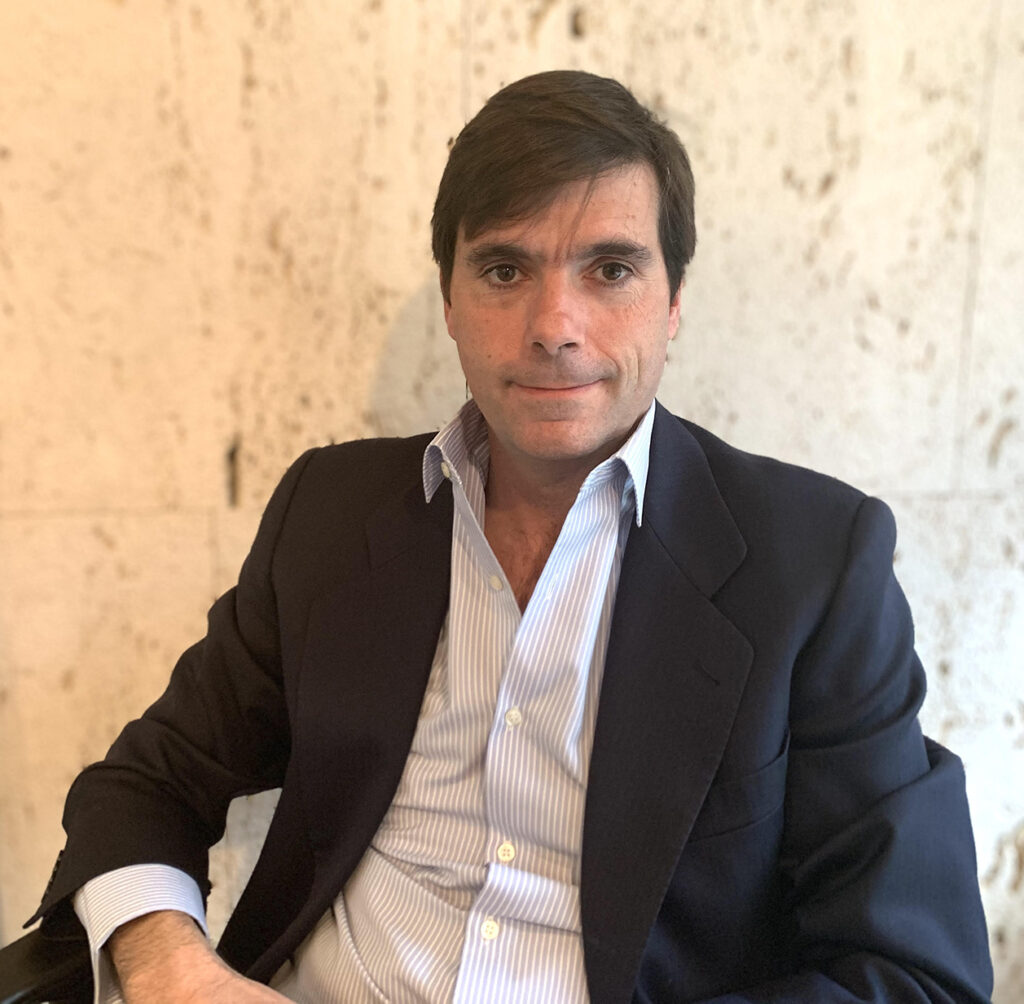
Responsable de Consultoría de Coberturas a fondos de Private Equity, infraestructuras, inmobiliarios, family offices y empresas, así como responsable de Inversiones Alternativas en Deuda para corporates en Auriga. En ambas actividades, el objetivo es proveer soluciones para la estructura de capital de las empresas y ayudar a las mismas, así como a los sponsors a desarrollar sus planes de negocio.
Anteriormente, trabajó como Structured Solutions Sales para Sponsors Financieros a nivel europeo, así como para corporates españoles en Unicredit Bank, London (2007-2011). Previamente, fue director del departamento de Ventas de coberturas de tipos de interés para la Red y Empresas en Cajamadrid y Corporate Treasury Sales en Banesto.
TTR: Estamos viviendo una de las mayores crisis sanitarias y económicas ocurridas en la historia a nivel mundial por el COVID 19, justo cuando nos encontrábamos en un buen momento para el sector de M&A y Private Equity. ¿Cómo ha afectado al sector estos meses? Y, ¿cómo va a afectar al mercado a medio plazo?
D. G. P.: En cuanto a actividad nueva, lo que estamos viendo es una concentración en análisis de operaciones en sectores como el agroalimentario, productos básicos de limpieza, higiene y en el sector salud en general. Creemos que existe un gran volumen de dinero disponible para invertir y que los inversores están enfocando sus esfuerzos de análisis en sectores refugio o de utilidad básica. También ha una gran actividad en el sector IT y en Internet. Posiblemente haya una huida de operaciones en sector retail en general, como consecuencia de la pandemia.
Asimismo, hay un gran número de refinanciaciones de operaciones tanto por operaciones de add-on como para aprovechar las condiciones de financiación para extensiones de plazos. En el medio plazo vemos una recuperación gradual del volumen de transacciones debido a la cantidad de capital disponible listo para invertir, pero pensamos que va a seguir la concentración en sectores básicos.
TTR: En coberturas de tipos de interés para financiaciones de Private Equity ¿qué tendencias destacáis después de estos meses de incertidumbre?
D. G. P.: Debido a la situación actual de tipos bajos y las perspectivas de mantenimiento de estos tipos bajos durante un prolongado período de tiempo sigue teniendo sentido empezar las coberturas forward start, tiene sentido aprovechar la coyuntura para cubrir a largo plazo y por supuesto, emplear caps como instrumento de cobertura.
TTR: Habéis asesorado recientemente a players relevantes como EOLIA y Ergon. ¿Qué transacciones destacarías?
D. G. P.: Eolia Renovables ha realizado la refinanciación de dos grandes portfolios fotovoltaico y eólico, en una transacción de referencia en el mercado, tanto por el tamaño de la misma y los instrumentos de financiación empleados, como por los bancos involucrados y la complejidad de toda la operación. En concreto, ha refinanciado un portfolio de parques eólicos en los que tenía la financiación bancaria con distintos bancos en cada una de las SPVs en un préstamo sindicado en una compañía holding que agrupa dicho portfolio. Y, en la parte fotovoltaica, ha refinanciado la deuda bancaria independiente que tenía en cada una de las SPVs con distintos bancos en un bono de proyecto a largo plazo por todo el portfolio con inversores de referencia institucionales y a un coste de financiación tremendamente atractivo. Auriga asesoró en la cobertura tipos de interés en la refinanciación y en la cancelación de los swaps existentes.
Podemos destacar también el asesoramiento realizado a Ergon en dos operaciones diferentes. Por un lado, en la cobertura de tipos de interés de la financiación de la compra de Palex, la cual se estructuró mediante una compra de cap por ser el producto más adecuado. Por otro lado, el asesoramiento al fondo en la estructuración y cobertura del riesgo de divisa en la compra de la empresa italiana Millbo y la subsecuente americana Bionaturals. Una transacción muy atractiva y compleja por las denominaciones en divisa distinta del precio de compra, así como la deuda de adquisición y la necesidad de cubrir el riesgo de fluctuación de divisa entre la firma de la operación, la aprobación y el cierre definitivo de la misma.
TTR: El sector de las energías renovables está siendo uno de los más activos en los últimos meses en el mercado de M&A y capital riesgo. ¿Se mantendrá esta tendencia en 2021?
D. G. P.: Nosotros pensamos que este sector va a seguir estando muy activo por dos razones fundamentales. En cuanto a los activos en operación, se siguen produciendo agrupamientos de carteras y proyectos, así como refinanciaciones, como consecuencia del yield compression existente en el sector por la madurez y estabilidad del mismo. A esto tenemos que añadir que en 2021 esperamos que empiecen a financiarse muchos de los nuevos proyectos en desarrollo para su construcción y entrada en operación comercial.
TTR: La financiación alternativa se ha afianzado en España y hemos afrontado el cambio de tendencia ¿qué nos espera en los próximos años?
D. G. P.: Efectivamente, la financiación alternativa se ve como algo normal en España en la actualidad, tanto por el sector empresarial como por el sector bancario. Esta normalización era muy importante. Las empresas ya no ven a los fondos de deuda como financiadores oportunistas exclusivamente y los bancos los incorporan como cofinanciadores en multitud de operaciones.
En los próximos años, esperamos un incremento de las transacciones sponsorless, ya que hasta ahora la mayoría de las operaciones de deuda alternativa han sido sponsor-driven. Con el incremento de fondos de financiación alternativa presentes en España y con la bajada de tamaño de compañía, así como con los importes de financiación mínimos para realizar las operaciones, creemos que va a haber un desplazamiento hacia operaciones sin sponsor.
Asimismo, creemos que va a haber una mayor segmentación de las operaciones de financiación alternativa entre financiación senior bullet de crecimiento puro en compañías performing, deuda híbrida para compañías que necesiten una solución mixta de deuda-capital o financiación de situaciones especiales.
Por último, la corriente de concentración bancaria que estamos sufriendo en España hace que la oferta se reduzca, así como que la concentración de riesgo se incremente por los dos lados. Esto va a hacer que se incrementen las necesidades de soluciones alternativas de financiación.
Tendremos que estar atentos a la evolución de la crisis y la situación de liquidez con la que salen las empresas de la misma, con el fin de poder apoyarlas ante situaciones puntuales de estrés.
Versión en inglés
TTR: We are living through one of the biggest health and economic crises in global history because of COVID 19, just when we were in a good moment for the M&A and private equity sector. How has it affected the sector these months? And how will it affect the market in the medium term?
D. G. P.: In terms of new activity, what we are seeing is a concentration on transaction analysis in sectors such as agri-food, basic cleaning products, hygiene and the health sector in general. We believe that there is a lot of money available to invest and that investors are focusing their research efforts on safe haven or core utility sectors. There is also a lot of activity in the IT and Internet sectors. There is likely to be a flight to safety away from the retail sector in general, as a consequence of the pandemic.
There are also a large number of refinancing transactions both for add-on transactions and to take advantage of financing conditions for term extensions. In the medium term we see a gradual recovery in deal volume due to the amount of available capital ready to invest, but we think the concentration in core sectors will continue.
TTR: In interest rate hedges for private equity financing, what trends do you see after these months of uncertainty?
D. G. P.: Due to the current low rate situation and the prospects of continued low rates for a prolonged period of time it still makes sense to structure forward starting hedges, it makes sense to take advantage of the situation to hedge longer terms and of course it also makes sense to use caps as a hedging instrument.
TTR: You have recently advised relevant players such as EOLIA and Ergon. Which transactions would you highlight?
D. G. P.: Eolia Renovables has refinanced two large photovoltaic and wind portfolios, in a benchmark transaction in the market, both for the size of the transaction and the financing instruments utilised, as well as for the banks involved and the complexity of the entire deal. Specifically, it refinanced a portfolio of wind farms in which it had bank financing with different banks in each of the SPVs into a syndicated loan in a holding company that groups this portfolio.
On the PV side, it refinanced the independent bank debt it had in each of the SPVs with different banks into a long-term project bond for the entire portfolio with institutional benchmark investors and at a tremendously attractive financing cost. Auriga advised on the interest rate hedging in the refinancing and on the cancellation of the existing swaps.
We can also highlight the advisory provided to Ergon in two different deals. On the one hand, in the interest rate hedging of the Facilities for the purchase of Palex, which was structured through a cap purchase as the most appropriate product. On the other hand, advising the fund on the structuring and hedging of the currency risk in the purchase of the Italian company Millbo and the subsequent American company Bionaturals. A very attractive and complex transaction due to the different currency denominations of the purchase price, as well as the acquisition debt and the need to hedge the currency fluctuation risk between the signing, approval and final closing of the transaction.
TTR: The renewable energy sector has been one of the most active in recent months in the M&A and private equity market. Will this trend continue in 2021?
D. G. P.: We believe that this sector will continue to be very active for two main reasons. In terms of operating assets, there will continue to be concentration of portfolios and projects as well as refinancings, as a result of the yield compression that exists in the sector thanks to its maturity and stability. Additionally, in 2021 we expect that many of the new projects under development will start financial execution for their construction and entry into commercial operation.
TTR: Alternative financing has consolidated in Spain and we have undergone a change of trend, what do the next few years hold for us?
D. G. P.: Indeed, alternative financing is seen as normal in Spain today, both by the business sector and the banking sector. This normalisation was very important. Companies no longer see debt funds as exclusively opportunistic financiers and banks incorporate them as co-financiers in plenty of deals.
In the coming years, we expect to see an increase in sponsorless transactions, as up to now most alternative debt transactions have been sponsor-driven. With the increase of alternative finance funds present in Spain and the decrease in company size, as well as the minimum financing amounts for transactions, we believe that there will be a shift towards sponsorless transactions.
We also believe that there will be a greater segmentation of alternative financing deals between senior bullet financing for pure growth in performing companies, hybrid debt for companies that need a mixed debt-equity solution or financing for special situations.
Lastly, the current banking concentration we are experiencing in Spain is reducing supply, as well as increasing risk concentration on both sides. This will increase the need for alternative financing solutions.
We will have to pay special attention to the evolution of the crisis and the liquidity situation in which companies come out of it, in order to be able to support them in specific stress moments.