Dealmaker Q&A

Content available in English and Spanish (scroll down)

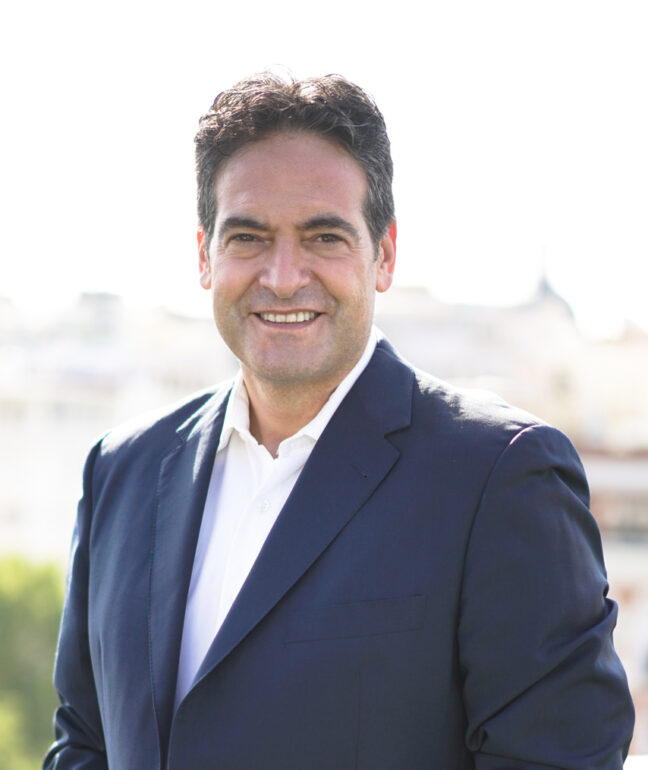
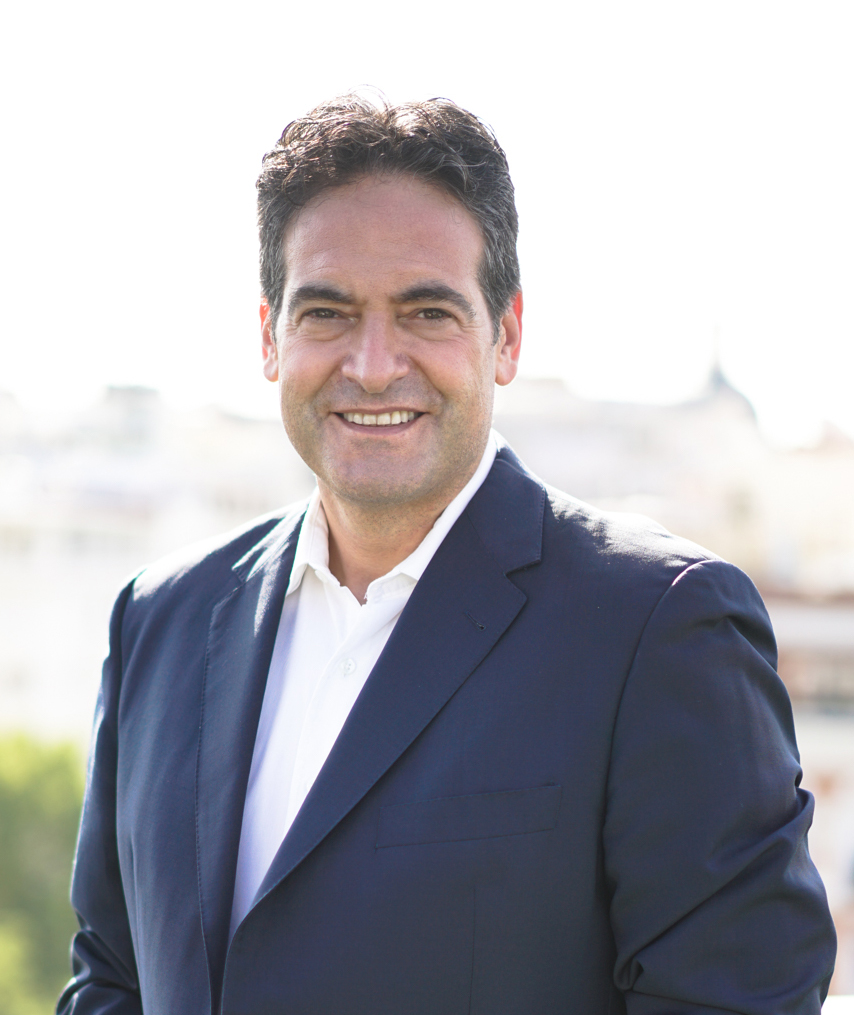
TTR DealMaker Q&A with Datasite Country Head Iberia-Italy Álvaro Ortega

Álvaro OrtegaDatasite

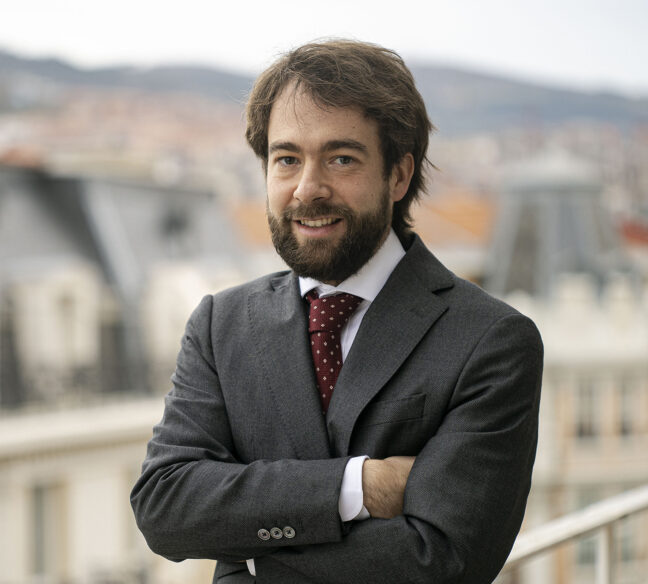
Álvaro Ortega, Country Manager for Italy & Iberia at Datasite since 2010. Alvaro has more than 20 years of experience in the Fintech sector, capital markets and M&A in various countries. He is also a Treasurer and a member of the board of ACG (Association for Corporate Growth) in Madrid.
Datasite is a leading SaaS provider for the M&A industry, empowering dealmakers around the world with the tools they need to succeed across the entire deal lifecycle. We are the place #wheredealsaremade.


TTR: M&A activity has bounced back in Q1 after a difficult 2020. What drove M&A activity in Q1 in EMEA and Spain, and will it last?

A. O.: M&A globally saw a strong first quarter and EMEA was a big contributor to this success. Deal value in EMEA increased 40% yoy in Q1 2021, from €193.1bn in Q1 2020 to €269.8bn, and deal volume climbed 14% from 1,918 deals in Q1 2020 to 2,196 transactions in Q1 2021 (Deal Drivers: EMEA Q1 2021).  

At Datasite, new projects on our platform, which are deals at their inception rather than announced, are skyrocketing: +21% in January, +12% in February, +67% in March and +80% in April.

While no one has a crystal ball to know what really lies ahead for M&A, signs are positive that the upward trend may continue. With more countries rolling out vaccines, more people being vaccinated, and more restrictions beings eased, life is starting to return to a bit more of a ‘normal’. As mentioned in our Deal Drivers: EMEA Q1 2021 report, Iberia & Italy, Spanish GDP is set to grow at 6.4% in 2021, and Italy is projected to see 4.2% GDP growth in 2021 and Portugal 3.9%. Stock markets in the region were also pointing in the right direction at the end of Q1: Italy’s FTSE MIB is up 10.18% for the year, Spain’s IBEX 35 has gained 8.91%, and Portugal’s PSI 20 index has made more modest gains.

Lastly, effective interest rates remain negative and PE dry-powder remains at historically maximum levels; therefore, it is hard to believe M&A activity will slow down in the short to medium term.

TTR: What types of deals and sectors drove this positive activity?

A. O.: With regards to the type of transactions, most on our platform are still being driven by positive sell-side or traditional mergers and acquisitions. However, the percentage of new projects on our platform that are distressed situations has increased in the last 12 months. Currently, it’s at about 17% compared to the usual 7% in normal times, and this could become higher, especially as government intervention subsides. 

Dealmakers are also telling us this is the case. We polled dealmakers across EMEA during our webinars this spring to find out their thoughts on future activity, and they told us that they expect PE and corporate carve-outs/divestures/restructurings to be the largest drivers of activity going forward. 

In EMEA, we’ve already seen the impact of PE deals in Q1. Per our Deal Drivers: EMEA Q1 2021 report, total PE deal value came to €11.1bn, a 9% rise on the previous quarter and a 54% rise on Q1 of the previous year. Volume also rose yoy, by 33% to a total of 694 deals. In terms of sectors, TMT was unsurprisingly the winner, with deal value up 217% yoy, rising from €25.1bn to €79.5bn, and accounted for five of the ten biggest deals in the region. 

This held true for Iberia & Italy, too. Deal value for the region was been boosted by thriving activity in the TMT sector, which was the largest industry by value in the region in Q1 2021. Year on year, total TMT deal value increased sevenfold from €1.4bn to €9.7bn.

TTR: In terms of distressed deals, how can dealmakers leverage technology to get ahead?

A. O.: When we surveyed 860 dealmakers from EMEA for our New State of M&A: EMEA report, 93% of them said that the ability to load large volumes of data quickly would be the most useful tool for restructurings, followed by email outreach to creditors (71%), and integrated redaction (60%). In Southern Europe, the majority of dealmakers there (79%) also believe that loading large volume of data quickly and email outreach (72%) would be the most useful in restruturings, but machine intelligence around categorization and indexing took predence (50%) over integrated redaction (43%), perhaps indicating that the initial steps in the process are crucial to success there.

And with government moratoria around bank loans due to expire in some countries this autumn, NPL levels of portfolio sales, which have been lower than in previous years, could rapidly increase as early as H2 2021, but surely by 2022. Bank loans worth €23.2bn are currently subject to COVID-19-inspired moratoria in Spain, Portugal, and Greece (White & Case), suggesting increased activity later in the year. Therefore, opportunities may abound for some dealmakers and speed and efficiency, through the right technology, will be of utmost importance in getting these deals done.

TTR: How will COVID-19 continue to impact the M&A space this year? 

A. O.: As mentioned above, more and more people are being vaccinated every day, globally. This is good news for the global economy and business in general as it helps tame uncertainty and market volatility. However, it doesn’t take away from how crucial technology has become and will continue to be in delivering services, engaging with customers, and providing business continuity. 

We expect more companies will turn to M&A to strengthen their digital infrastructure and capabilities. At the same time, the pandemic has also increased the focus on core business lines, and many companies will consider divesting non-core assets. Additionally, since we expect to see a higher volume of deals this year, this may mean higher valuations and more competition for dealmakers. Therefore, dealmakers will need to further digitalize the M&A process if they hope to compete and get deals done. We are observing high levels of movement across the M&A labor market, which is a clear indication that a positive market is here to stay despite any ongoing COVID-19 considerations.

TTR: What types of technologies will have the most transformative impact for M&A dealmakers?

A. O.: When we asked dealmakers in Southern Europe (for our New State of M&A report) about how they expect technology will change the M&A process going forward, including what technology would have the most transformational impact for them, the majority said it will be new technologies and innovations around analytics – because the amount of and need for data has increased. They need machine learning and artificial intelligence to help them get the most important pieces of information that they should focus on.

We’ve seen this in terms of custom analytics and predicting buyer behavior – who engages and who doesn’t, who and how they interact with the due diligence materials that you provide to them. There’s a lot of work involved with predicting who you should engage with and how you’re going to finish the deal if you’re selling an asset. With regard to acquiring businesses, we’re starting to see fast adoption of Datasite Acquire, which helps automate the onboarding of data from the different workstreams associated with it. The pandemic has accelerated the trend towards digitization and the use of data analytics has increased. But it’s not only about working remotely; it’s also about a shift towards technology overall, from origination, to due diligence to deal closing.

TTR: What will be the main challenges in Spain for Datasite in 2021?  

A. O.: The overall outlook remains extremely positive thanks to all the details shared previously. Not just for Spain, but in general for the M&A markets. Potential risk concerns remain on the horizon, though, as any negative news regarding vaccination rates or new COVID variants could quickly derail the current dealflow. 

In particular for the Spanish market, besides COVID, potential inflation spikes are becoming an ever more prevalent opion/risk, which could impact M&A volumes, but as always, the type of impact whether negative or positive, will always depend on which side of the deal you are on.  

Additionally, Real Estate and Tourism remain core sectors for the Spanish market. Further extensions of extraordinary government-backed credit terms could further delay M&A transactions, which could have otherwise started already.


Spanish version


Álvaro OrtegaDatasite

Álvaro Ortega es Country Manager para Iberia e Italia en Datasite desde 2010 y cuenta con una experiencia de más de 20 años en el sector Fintech, mercados de capitales y M&A en diversos países. Así mismo es tesorero Y miembro del consejo de ACG (Association for Corporate Growth) en Madrid. 
Con una experiencia de mas de 100.000 proyectos de M&A, Datasite ayuda a sus clientes a cubrir multiples aspectos de sus transacciones estratégicas, desde el origen y el marketing, al seguimiento y due dilligence de las mismas. Contamos con los mejores equipos profesionales y tecnología puntera para garantizar que los proyectos de M&A se lleven a cabo de la manera más rápida, sencilla y segura.


TTR: Después de un 2020 complicado, la actividad de M&A se recuperó durante primer trimestre del 2021. ¿Qué impulsó este tipo de actividad durante el primer trimestre en la región EMEA y España? ¿Durará este repunte?

A. O.: A nivel global, las operaciones de M&A registraron unos datos satisfactorios durante primer trimestre, y la región EMEA contribuyó en gran medida a este éxito. El valor de las transacciones en esta región aumentó un 40% interanualmente durante el primer trimestre de 2021 (de 193.100 millones de euros en el primer trimestre de 2020 a 269.800 millones de euros) y el volumen de transacciones aumentó un 14% (de 1.918 transacciones en el primer trimestre de 2020 a 2.196 transacciones en el mismo periodo de 2021) (Deal Drivers: EMEA Q1 2021).  

El volumen de proyectos de Datasite (transacciones que todavía se encuentran en fase I o fase II y no se han anunciado) se está disparando: +21% en enero, +12% en febrero, +67% en marzo y +80% en abril.

Nadie tiene una bola de cristal para adivinar lo que el futuro depara para las operaciones de M&A, pero los buenos augurios predicen que se mantendrá esta tendencia alcista. Gracias a que cada vez más países impulsan campañas de vacunación, cada vez más gente reciben sus dosis y las restricciones siguen aliviándose; así, la vida empieza a recobrar cierta normalidad. Como recoge nuestro informe «Deal Drivers: EMEA Q1 2021», que trata los datos de la Península Ibérica e Italia, el PIB español crecerá un 6,4% en 2021. También se prevé que Italia experimente un crecimiento del PIB del 4,2% en 2021 y Portugal del 3,9%. Asimismo, los mercados de valores de la región terminaron el primer trimestre bien encaminados: el FTSE MIB de Italia ha crecido un 10,18% durante el año y el IBEX 35 de España ha aumentado un 8,91%, mientras que el índice PSI 20 de Portugal ha obtenido beneficios más modestos.

Por último, las tasas de interés efectivas siguen siendo negativas y el “Dry Powder” del capital riesgo se mantiene en máximos históricos. Por tanto, no es nada probable que la actividad de M&A vaya a desacelerarse a corto o medio plazo.

TTR: ¿Qué tipo de transacciones y sectores han impulsado esta actividad positiva?

A. O.: Con respecto al tipo de transacciones, en nuestra plataforma, la mayoría todavía están impulsadas por operaciones de M&A tradicionales. Sin embargo, el porcentaje de nuevos proyectos que se consideran “distressed” ha aumentado en los últimos doce meses. A día de hoy, este tipo de proyectos suponen el 17%, en comparación con el 7% habitual en condiciones normales, y la cifra puede seguir creciendo, especialmente a medida que disminuyen las intervenciones del gobierno.

Los profesionales coinciden en que este es el caso. Durante nuestros eventos virtuales de esta primavera, consultamos a profesionales de todo EMEA para conocer sus opiniones sobre la actividad futura: vaticinaron que la actividad por parte del capital riesgo y las reestructuraciones serán los principales impulsores de la actividad en el futuro. 

Ya hemos apreciado el impacto de los acuerdos de capital riesgo en el primer trimestre en la región EMEA. Según nuestro informe «Deal Drivers: EMEA Q1 2021», el valor total de transacciones de capital riesgo alcanzó los 11.100 millones de euros, un aumento del 9% con respecto al trimestre anterior y del 54% con respecto al primer trimestre del año anterior. El volumen también aumentó interanualmente, en un 33%, con un total de 694 transacciones. En lo referente a los sectores, no sorprende la victoria de las TMT, con un valor interanual del 217% y un crecimiento de 25.100 millones de euros a 79.500 millones de euros; con estas cifras, representó cinco de las diez transacciones más importantes de la región. 

Esto también se aplica a la Península Ibérica e Italia, cuyo valor en transacciones se vio impulsado por la actividad que registró en el sector de las TMT, la industria de mayor valor de la región en el primer trimestre de 2021. A nivel interanual, el valor total de las transacciones de las TMT se ha multiplicado por siete, con un aumento de 1.400 millones de euros a 9.700 millones de euros.

TTR: ¿Cómo pueden los profesionales aprovechar la tecnología para sacar adelante las transacciones en el entorno actual?

A. O.: Encuestamos a 860 profesionales de la región EMEA para elaborar nuestro informe «New State of M&A:EMEA» y el 93% coincidieron en que la capacidad para cargar rápidamente grandes volúmenes de datos sería la herramienta más útil para llevar a cabo las reestructuraciones, seguida de una buena captación de potenciales inversores (71%) y la censura documental integrada (60%).
En el sur de Europa, la mayoría de los profesionales (79%) también coincidieron en que acelerar las transacciones mediante la carga rápida de grandes volúmenes de información y la captación de potenciales inversores (72%) serían las prestaciones más útiles para llevar a cabo las operaciones de M&A. No obstante, los profesionales de esta región valoraron el uso de inteligencia artificial enfocada en la categorización y la indexación (50%) por encima de la censura documental integrada (43%). Esto quizás indica que, en esta región, avanzar rápidamente en los primeros pasos del proceso son cruciales para alcanzar el éxito.

Con la moratoria del gobierno en torno a los préstamos bancarios, que vencerá en algunos países este otoño, los niveles de operaciones de préstamos fallidos (NPL) son más bajos que en años anteriores, pero podrían aumentar rápidamente a partir del segundo semestre de 2021, aunque con mayor seguridad en 2022. Los préstamos bancarios por valor de 23.200 millones de euros están sujetos actualmente a una moratoria motivada por la COVID-19 en España, Portugal y Grecia (White & Case), lo que vaticina una mayor actividad para final de año. Este escenario presenta importantes oportunidades para los profesionales del sector, quienes, reforzados por la tecnología adecuada, deberán operar con la mayor rapidez y eficiencia para cerrar estas transacciones.

TTR: ¿Cómo seguirá impactando la COVID-19 el espacio de M&A este año? 

A. O.: Como se ha mencionado anteriormente, cada día se vacuna a más personas en todo el mundo. Esto supone una gran noticia tanto para la economía mundial como para las empresas en general, ya que ayuda a mitigar la incertidumbre y la volatilidad del mercado. Sin embargo, esto no resta importancia al papel que ha adquirido la tecnología en la prestación de servicios, la interacción con los clientes y la continuidad de la actividad comercial. 

Esperamos que más empresas recurran al M&A para fortalecer su infraestructura y competencias digitales. Al mismo tiempo, la pandemia también ha reforzado la atención en las líneas comerciales principales y muchas empresas considerarán la posibilidad de vender activos no esenciales. Además, esperamos cerrar un mayor volumen de transacciones este año, lo que puede suponer valoraciones más altas y una mayor competencia para los profesionales del sector, que deberán digitalizar aún más el proceso de M&A si desean mantenerse por delante de la competición y cerrar transacciones más rápidamente y con mayores probabilidades de éxito. Se está registrando además una gran actividad en el mercado laboral para los profesionales del M&A, una clara muestra de que la positividad ha llegado a estos mercados para quedarse, a pesar de cualquier reticencia que se presente ante el panorama actual de la COVID-19.

TTR: ¿Qué tipos de tecnologías tendrán el impacto más transformador para los profesionales del M&A?

A. O.: Cuando consultamos a los profesionales del sur de Europa para elaborar el informe «New State of M&A» sobre cómo esperan que la tecnología cambie el proceso de M&A en el futuro y qué supondrá un cambio más significativo para ellos, la mayoría afirmó que serán aquellas destinadas a acelerar la due diligence por el claro aumento de información compartida y la necesidad de procesar, analizar y tomar acciones en tiempos cada vez más breves. Para ello, se necesitan herramientas de Inteligencia Artificial y Machine Learning que brinden la información más importante en la que deben concentrarse de una manera rápida y clara, acelerando así la toma de decisiones y la evaluación de oportunidades.

Hemos apreciado esta necesidad en lo referente a los análisis de información personalizados y la predicción del comportamiento del comprador: quién participa y quién no, quién interactúa con los materiales de due diligence y qué y cómo la realizan. Predecir con quién debes interactuar y cómo va a terminar la transacción si estás vendiendo un activo supone un gran volumen de trabajo. Sobre la adquisición de empresas, estamos empezando a apreciar una rápida adopción de Datasite Acquire, que automatiza la incorporación de datos de los diferentes flujos de trabajo asociados con una adquisición. La pandemia ha acelerado la tendencia hacia la digitalización y ha aumentado el análisis exhaustivo de información. No obstante, la digitalización no se limita al teletrabajo, sino que consiste en una adopción general de la tecnología, desde la retención de mandatos, al marketing de la operación y captura de ofertas, hasta la due diligence y el cierre de transacciones.

TTR: ¿Cuáles serán los principales retos para Datasite en España en 2021?  

A. O.: Todos los datos presentados anteriormente arrojan unas perspectivas generales muy positivas en cuanto al nivel de operaciones se refiere, no solo para España, sino para la mayoría de los principales mercados de M&A en general. No obstante, todavía no han desaparecido las preocupaciones por los posibles riesgos sistémicos que puedan surgir, ya que cualquier noticia negativa sobre los ritmos de vacunación o las nuevas variantes de la COVID-19 podrían desestabilizar el volumen actual de mandatos. 

En concreto, en el caso del mercado español, además de la COVID-19, los posibles picos de inflación son un riesgo cada vez más prevalente, lo que podría afectar a los volúmenes de operaciones de M&A; como siempre, que el impacto sea positivo o negativo dependerá del lado de la transacción donde uno se encuentre.  

Por último, los sectores inmobiliario y turístico siguen siendo esenciales para la economía española. Potenciales ampliaciones de las condiciones crediticias extraordinarias, ICOs, podrían retrasar aún más las reestructuraciones o proyectos de M&A en general que en otras condiciones ya habrían arrancado. 

Dealmaker Q&A

Content available in English and Spanish (scroll down)

TTR DealMaker Q&A with King & Wood Mallesons Partner Roberto Pomares

Roberto PomaresKing & Wood Mallesons

Roberto Pomares, partner and head of Corporate / M&A at King & Wood Mallesons in Spain, specialises in national and cross-border transactions. He advises on all types of corporate deals such as acquisitions, disposals, private equity investments and divestments, transactions in secondary markets (takeovers and IPOs) and corporate restructurings. Roberto is one of the most remarkable M&A lawyers in Spain and he is consistently involved in some of the major transactions. He has strong reputation in the energy and private equity sectors. Some of the companies he has advised include, among other, EDP Energías de Portugal, EDP Renováveis, DWS, First Sentier Investors, Galp, Finerge, Glendower Capital, Hayfin Capital, Capza and Alantra.


TTR: King & Wood Mallesons was one of the leading advisors on renewable energy deals in Spain in 2020. What are the most significant drivers for consolidation of this sector in the mid- and long-term? 

R.P.: It is ultimately thanks to our clients and the trust that they place in us that we have been able to participate in some of the most significant transactions completed this year, including EDP’s acquisition of Viesgo (including its renewables business), Galp’s purchase of Zero-E/Cobra’s renewable assets, sale by EDP Renováveis of a portfolio of assets to Finerge, and the joint venture between EDP Renováveis and Engie to create Ocean Winds, their joint platform for investing in offshore wind energy worldwide. 

In my view, the main drivers contributing to the consolidation of this sector are the extensive experience of the renewable sector operators in the Iberian market which has made them true global leaders, the abundant market opportunities available and, last but not least, the perceived mid- and long-term stability of the current regulatory framework. All of the above in addition to the global trend towards sustainable development, which has driven an increasing number of institutions from a wide array of sectors and profiles to show an interest in investing in the renewables sector. By way of example, we recently advised MAPFRE on its joint venture with Iberdrola for the development and operation of wind and solar projects. 

In light of all the above factors, the Spanish energy sector, and renewables in particular, demonstrated its maturity throughout 2020 and the first quarter of 2021, as the effects on this sector of the economic crisis resulting from the COVID pandemic were minimal. In fact, activity relating to energy sector transactions in 2020 was notably higher than in previous years. 

This trend remains steady and has even trended upward in 2021, with a particularly active renewables sector. In fact, several very significant processes are already underway and are expected to conclude in 2021, and the Spanish Government is expected to hold new capacity auctions in the coming months, thus further stimulating the market. 

Another driver in this industry has undoubtedly been the institutional support provided by both the European Commission and European governments as regards ecological transition as one of the pillars for the post-pandemic economic recovery. Various mechanisms to support the sector are being put in place that, among other objectives, are aimed at attracting investors to the market. 

TTR: What would be another two sectors that could offer the greatest opportunities in Spain for international investors in 2021 and why? 

R.P.: In general, as was the case with the previous economic crisis, the venture capital/private equity sector should play a significant role in Spain’s recovery, as it currently has abundant liquidity to support the industrial fabric of mid-sized companies in Spain, which is where this sector has historically focused most of its investments. 

This investor profile is paying particular attention to emerging opportunities in the health, technology, food and education sectors. In fact, during 2020 and the first quarter of 2021, we advised several Spanish and European investors on investments in these sectors. 

There are, in my view, several reasons that would justify focusing on these sectors, among which I would highlight: the opportunity to consolidate several small- and mid-sized operators; the fact that these sectors are not likely to be affected by situations such as the one we just experienced, as they address essential needs; and the expectation that some of these sectors will see significant growth in the post-crisis era, in particular technology, which has proven to be key in allowing the economy to continue operating remotely across many business sectors – it is clear that technology use across all populations increased exponentially during the pandemic. In this same vein, the education sector – including both in-person and, to an even greater extent, online education – is expected to grow significantly in the coming years. 

Finally, we must not forget about those industrial sectors that are linked to sustainability and which will undoubtedly continue to play an inevitable leading role in the coming years. 

TTR: What role do you expect foreign technology companies to play in M&A transactions in Spain in 2021? 

R.P.: Although we cannot completely rule out the possibility that a foreign technology company may carry out a large transaction, the reality is that, to date, this type of movement has been very rare, possibly because the Spanish technology sector is highly fragmented, with the number of large operators being able to be counted on the fingers 

of one hand. For this reason, the technology market has traditionally been revitalized through support granted by venture capital funds to mid-sized companies. 

In fact, the most recent transactions in the technology sector in Spain were led by Spanish or foreign investment funds. For example, Providence/PSG made several investments in recent months, including investments in MásMovil, Signaturit, Ivnosys and Nalanda. 

TTR: What was the situation regarding corporate restructurings in Spain in 2020 and what are the prospects for 2021? 

R.P.: I believe that the regulatory measures approved as a result of the COVID crisis, and in particular the furlough schemes (ERTEs), public (ICO) loans and the moratorium on bankruptcy applications had a certain relaxing effect during 2020, which is why corporate restructuring transactions have not yet seen a significant increase. Likewise, and despite the hopes linked to the vaccination processes, lingering uncertainties surrounding the final impacts of the pandemic have caused companies to delay the implementation of restructuring plans. 

However, it is clear that the crisis has had a concerning effect on the financial position of many companies which, in the coming months, will undoubtedly drive very significant increases in restructuring transactions, business consolidations and spin-off of non-core activities. This trend is projected to grow through 2021 and particularly in 2022. 

TTR: What will be the main challenges for King & Wood Mallesons in terms of M&A transactions in Spain in 2021? 

R.P.: The great challenge that both our firm and other law firms will have to face is the need to adapt to continuously changing circumstances and economic uncertainty. The current reality will force us to be able to foresee what until now was completely unforeseeable and to adjust the way we plan transactions; in short, we need to be more creative. As the English expression goes, we have to “think outside the box”, while still maintaining great strength from a technical point of view. Every day our clients will become more demanding regarding the outcome of our work and will expect more from us. Transactional lawyers can no longer limit their services to drafting technically accurate or even perfect legal agreements. On the other hand, we can expect a significant competition driven both by clients and by the firms themselves. 

Likewise, an international profile will be very important as transactions become more and more international and as the origins of operators active in the Spanish transactional market become more and more varied. This situation also requires a high degree of adaptability and the need for a strong international support network. 

King & Wood Mallesons is confident in our ability to face these challenges, as we consider the pursuit of quality and adaptability to be one of our hallmarks. In fact, throughout 2020, our teams showed an extraordinary ability to adapt to a new environment and a new way of carrying out our activity remotely, showcasing their ability to negotiate, sign and close deals of great depth and complexity remotely, all with a very high degree of client satisfaction.


Spanish version


Roberto PomaresKing & Wood Mallesons

Roberto Pomares, socio y director del equipo de Corporate / M&A de King & Wood Mallesons en España, está especializado en transacciones corporativas de ámbito nacional e internacional. Abogado con más de 20 años de experiencia, Roberto ha asesorado en todo tipo de operaciones tales como adquisiciones de M&A, inversiones y desinversiones de capital riesgo, transacciones en mercados secundarios (OPAs y OPVs) y reestructuraciones societarias. Cuenta con una amplia experiencia en los sectores de energía, infraestructuras y capital riesgo. Entre las compañías a las que ha asesorado se encuentran EDP Energías de Portugal, EDP Renováveis, DWS, First Sentier Investors, Galp, Finerge, Glendower Capital, Hayfin Capital, Capza y Alantra.


TTR: King & Wood Mallesons ha sido uno de los principales asesores líderes en operaciones de energías renovables en España en 2020, ¿Cuáles serán los drivers más relevantes para la consolidación de este sector en el mediano y largo plazo? 

R.P.: Efectivamente, gracias a la confianza de nuestros clientes hemos tenido la oportunidad de participar en algunas de las principales transacciones del año, como la compra por parte de EDP de Viesgo, incluyendo su negocio de renovables, la compra por Galp de activos renovables de Zero-E/Cobra, la venta por parte de EDP Renováveis de una cartera de activos a Finerge o la joint venture entre EDP Renováveis y Engie para crear Ocean Winds, su plataforma conjunta para invertir en eólico marino a nivel mundial. 

Desde mi punto de vista los principales drivers que están contribuyendo a la consolidación de este sector son la amplia experiencia de los operadores en el sector de las renovables en el mercado ibérico, lo que les hace ser considerados como referentes a nivel mundial, la existencia de un amplio número de oportunidades en el mercado y, por último pero no menos importante, la percepción de estabilidad a medio y largo plazo del marco regulatorio existente. Todo ello, sin olvidar la tendencia global hacía el desarrollo sostenible que hace que cada vez más entidades de diversos sectores y perfiles estén mostrando su interés en invertir en el sector de las renovables. A modo de ejemplo, recientemente hemos tenido la oportunidad de asesorar a MAPFRE en su joint venture con Iberdrola para el desarrollo y explotación de proyectos eólicos y fotovoltaicos. 

Como consecuencia de todos esos factores, durante el año 2020 y el primer trimestre de 2021 el sector de la energía en España, y las renovables en particular, ha demostrado su madurez, apenas viéndose afectado por la crisis económica derivada de la pandemia del COVID. De hecho, la actividad en operaciones en el sector energético durante 2020 fue claramente superior a la de años anteriores. 

Esta dinámica se está manteniendo, o incluso incrementando, durante 2021, donde el sector de las renovables está especialmente activo. De hecho, hay ya varios procesos de gran relevancia en marcha que se espera concluyan durante el 2021, así como la expectativa de que el Gobierno celebre nuevas subastas de capacidad a lo largo de los próximos meses, lo cual animará más el mercado. 

Otro de los motores de la industria está siendo sin duda el respaldo institucional, tanto de la Comisión Europea como de los gobiernos europeos, a la transición ecológica como uno de los puntales para la recuperación económica tras la pandemia. Se están poniendo en marcha distintos mecanismos de apoyo al sector que tienen como objetivo, entre otros, atraer inversores al mercado. 

TTR: ¿Cuáles serían otros dos sectores que podrían ofrecer las mayores oportunidades en España a los inversores internacionales en 2021 y por qué? 

R.P.: En general el sector del capital riesgo, al igual que pasó en la anterior crisis económica, debería tener un importante protagonismo en la recuperación del país, ya que en estos momentos cuenta con abundante liquidez para apoyar el tejido industrial de medianas empresas en España, que es donde han venido centrando históricamente la mayoría de sus inversiones. 

Este perfil de inversores está mirando con especial atención a las oportunidades que están surgiendo en los sectores de la salud, tecnología, alimentación y educación. De hecho, durante 2020 y el primer trimestre de 2021 hemos tenido la oportunidad de asesorar a diversos inversores españoles y europeos en inversiones en estos sectores. 

Existen, a mi modo de ver, diversos motivos que justifican la atención sobre estos sectores, entre los cuales destacaría: la existencia de oportunidades de consolidación de diversos operadores de pequeño y mediano tamaño; el ser sectores que no debieran verse afectados por situaciones como la que hemos vivido, dado que son necesidades esenciales; y la expectativa de que algunos de ellos crezcan de forma relevante en la era postcrisis, en particular la tecnología, que ha demostrado ser clave para permitir que la economía siguiese operando de una forma no presencial en muchos sectores de actividad, siendo evidente que durante la pandemia el uso de la tecnología por parte de todos se ha incrementado de forma exponencial. En esta misma línea, el sector de la educación, tanto presencial como, sobre todo, on-line, se espera que incremente su actividad de forma importante en los próximos años. 

Por último, no debemos olvidar todos los sectores industriales vinculados a la sostenibilidad, los cuales, sin duda, seguirán teniendo un ineludible papel protagonista en los próximos años. 

TTR: ¿Qué papel espera que desempeñen las empresas extranjeras de tecnología en las fusiones y adquisiciones en España en 2021? 

R.P.: Si bien no es descartable que llegue a producirse alguna gran operación por parte de un operador extranjero de tecnología, la realidad es que hasta la fecha este tipo de movimientos han sido muy escasos, posiblemente porque el sector de las empresas tecnológicas españolas está muy atomizado y los operadores con cierto tamaño se cuentan con los dedos de una mano. Por ello, la dinamización del mercado tecnológico ha venido produciéndose tradicionalmente con el apoyo de fondos de capital riesgo a empresas de tamaño mediano. 

De hecho, las últimas operaciones que se han producido en el sector tecnológico en España han sido protagonizadas por fondos de inversión españoles o extranjeros. Sirva de ejemplo las diversas inversiones realizadas por Providence/PSG en los últimos meses que incluyen sus inversiones en MásMovil, Signaturit, Ivnosys y Nalanda. 

TTR: En cuanto a reestructuraciones societarias, ¿cuál fue la situación en 2020 y cuáles son las perspectivas para 2021 en España? 

R.P.: Considero que las medidas regulatorias aprobadas con motivo de la crisis del COVID y en particular los ERTEs, los créditos ICO y la moratoria para la solicitud de concurso de acreedores han tenido un cierto efecto anestésico durante el año 2020, motivo por el cual todavía no se ha producido un incremento relevante de las operaciones de reestructuración societaria. Asimismo, y a pesar de la esperanza generada por los procesos de vacunación, las incertidumbres todavía existentes sobre los impactos finales de la pandemia hacen que las empresas estén demorando la implementación de planes de restructuración. 

Sin embargo, es evidente que el impacto de la crisis está afectando de forma preocupante a la situación financiera de muchas empresas, lo que, sin duda, generará en los próximos meses un incremento muy relevante de las operaciones de restructuración, consolidación empresarial y segregación de actividades no esenciales. Previsiblemente, esta tendencia se va a intensificar a lo largo de este 2021 y sobre todo en 2022. 

TTR: ¿Cuáles serán los principales desafíos en términos de transacciones de M&A en España durante 2021 para King & Wood Mallesons? 

R.P.: El gran desafío al que se va a tener que enfrentar tanto nuestro despacho como el resto de firmas legales es la necesidad de adaptarnos a una realidad continuamente cambiante, así como a la incertidumbre económica a la que nos enfrentamos. La realidad actual nos exigirá que seamos capaces de prever lo que hasta ahora era algo imprevisto y modificar nuestra forma de plantear las transacciones; en resumen, debemos ser más creativos. Como dicen los anglosajones, tenemos que pensar outside the box, pero asimismo debemos mantener una gran solidez desde el punto de vista técnico. Cada día nuestros clientes serán más exigentes con el resultado de nuestro trabajo y esperarán más de nosotros. Un abogado transaccional ya no puede limitarse a redactar contratos técnicamente correctos, ni siquiera perfectos. Por otro lado, es previsible una gran presión competitiva generada tanto por los clientes y como por los propios despachos. 

Asimismo, será muy relevante el perfil internacional, cada día las transacciones son más internacionales y los orígenes de los operadores que están activos en el marcado transaccional español también son más variados. Esta circunstancia también exige un alto grado de capacidad de adaptación y la necesidad de contar con una red sólida de apoyo a nivel internacional. 

Desde King & Wood Mallesons afrontamos estos retos con confianza, dado que consideramos que esa autoexigencia y capacidad de adaptación ha venido siendo una de nuestras señas de identidad, de hecho durante 2020 nuestros equipos han mostrado una extraordinaria capacidad de adaptación a un nuevo entorno y una nueva forma de desarrollar nuestra actividad de manera no presencial, habiendo sido capaces de negociar, firmar y cerrar operaciones de gran calado y complejidad de forma no presencial, con un altísimo grado de satisfacción para nuestros clientes.

Dealmaker Q&A

Content available in English and Spanish (scroll down)

TTR DealMaker Q&A with IMAP Albia Capital Partner Aitor Cayero

Aitor CayeroIMAP Albia Capital

Aitor Cayero, who has lived for over 12 years in New Jersey, USA,  obtained his Business Administration degree from the University of Deusto, having specialized in Finance. He continued his studies at Instituto de Empresa, having completed its Program for Direction in Corporate Finance.
In 2010 he joined IMAP Albia Capital, where he currently is a Partner. While at IMAP Albia Capital he has been involved in over 30 projects of M&A, Valuation and Refinancing. In 2016, Aitor became a Chartered Financial Analyst (CFA Institute). 
Within IMAP, Aitor coordinates the inbound and outbound opportunities to and from international IMAP partners, requiring an intensive international activity. IMAP is present in over 40 countries and has a total team of over 500 M&A professionals.


TTR: In 1Q21, M&A volume registered a decrease compared to 1Q20. How do you interpret this trend? What can we expect in terms of transaction volume in 2021?

IMAP Albia: 1Q20 was the last pre-pandemic quarter, and we were in a fully-fledged M&A market for most of that quarter. So it´s an uneven comparison because market dynamics have changed dramatically between both quarters.  All in all, both 2020 and 2021 are years heavily affected by the pandemic so I would expect 2021 not to be substantially different to 2020 in terms of transaction volume.

It´s worth clarifying that unlike the previous global crisis, where the M&A had a steep slow-down, this time around there is still substantial activity; the difference is that while certain sector have been hit hard (e.g. aeronautics, automotive, travel), others have thrived (e.g. chemical, nutrition, pet care, health, IT, logistics). 

TTR: IMAP Albia Capital was one of the leading advisors on industrial production deals in Spain in the last years. What factors will drive consolidation of this sector in the medium and long term?

IMAP Albia: Internationalization of production sites had been one of the key drivers up until the pandemic. Companies massively sought to be more cost efficient by having plants outside of Spain, which made total sense, as it does in the current context. However, production shortages due to dependency of either raw material or production capacity on distant countries has made industrial production companies think about their supply chain, and consequently we think trends towards the acquisition of local companies to expand local capacity or backwards vertical integration could be a key factor.

Also, it is well known that Spain’s industrial production landscape is made up of primarily of small and medium sized companies. Many of these companies were already having financial problems pre-crisis. The pandemic has come to reveal and intensify their difficulties. Either these small and medium companies have very, very strong entry barriers in their technology, product or clients, or they will eventually have to necessarily need to integrate into larger organizations or find robust financial backing.

TTR: Regarding corporate restructuring, what was the situation in 2020 and what are the prospects for 2021 in Spain?

IMAP Albia: Precisely we were convinced that the factors were aligned for a strong corporate restructuring market. We even made a relevant effort from April to June to remind the market of our restructuring service capacities, as we have worked intensely on these type of projects in the past and hold significant credentials. 

However, government backed financial support has basically overridden this market. In some cases, companies have sought this support to navigate short term difficulties. Others, on the other hand, were already financial week pre-crisis, as we mentioned previously, and consequently the government support is only postponing many restructuring cases that will eventually surface. But this won´t be the case until probably 2022 or 2023, when companies will finally be required to repay a higher debt load leveraged on pre-crisis business dynamics that were already faltering. 

TTR: What would be another three sectors that could offer the greatest opportunities in Spain for international investors in 2021 and why?

IMAP Albia: There is a huge opportunity in the IT and digitalization sectors, in particular in the area of making serious progress in making work from home a truly natural process, and not a clumsy exercise imposed by a pandemic or whatever reason. There is loads of progress to be made in the area of being able to work from home in a secure environment, through a fully and professionally virtualized desktop.

Pet Care is booming in all over the value chain: from feed to health, from production through wholesale to retail channels. Structurally it looks like an industry that will continue growing as more and more people appreciate the company of domestic pets.

Finally, several relevant industrial and financial actors are moving into the circular economy industry. The amount of waste generated and what to do with that waste, whether it is domestic or industrial, is a structural concern for society in general. Public support and private initiatives should align in this area and there will surely be M&A processes involved.  

TTR: What will be the main challenges for IMAP Albia Capital in its M&A advisory work in Spain in 2021?

IMAP Albia: We think the challenges we will face will be mainly of exogenous nature whether in form of strategic M&A decisions that are postponed by market uncertainty, or restructuring needs that are dulled by government backed financial support. 

We expect heavy origination to come towards the end of 2021, which will hopefully coincide with the end of pandemic and company executives will finally green light projects that were postponed by market uncertainty. But timing of full recovery from the pandemic is surely a challenge.

Despite this, we currently hold a very exciting deal portfolio, both through domestic origination and also opportunities coming in from our international organization – IMAP – and we are looking forward and optimistic about the coming months of 2021.


Spanish version


Aitor CayeroIMAP Albia Capital

Licenciado en Ciencias Económicas y Empresariales por la Universidad de Deusto, especialidad Finanzas. Ha completado el Programa Superior en Financiación Estructurada y Capital Riesgo impartido por el Instituto de Empresa (IE Business School).
Dentro de IMAP, organización cuyo miembro exclusivo en España es Albia Capital, Aitor coordina las oportunidades provenientes de despachos internacionales, requiriendo de una intensa actividad internacional. 
Es ponente habitual de cursos sobre procesos de Incorporación de Socios en la Universidad de País Vasco, entre otros.


TTR: En el primer trimestre de 2021 el número de transacciones de M&A ha registrado una disminución con respecto al mismo periodo de 2020. ¿Cómo interpreta esta tendencia?, ¿qué perspectiva podríamos tener para 2021? 

IMAP Albia: El primer trimestre de 2020 comprendió precisamente los tres últimos meses previos a la pandemia, con un mercado de M&A en pleno auge, por lo que es difícil hacer una comparación entre ambos períodos, ya que las dinámicas de mercado han cambiado drásticamente. En cualquier caso, 2020 y 2021 han sido dos años marcados profundamente por la pandemia, por lo que no esperamos que el año 2021 sea muy diferente a 2020 en términos de volumen de transacciones.

Merece la pena aclarar en todo caso que, a diferencia de la anterior crisis global, en esta ocasión sigue habiendo una notable actividad de M&A. Si bien ciertos sectores han sido afectados duramente (Aeronáutica, Automoción, Turismo, entre otros), otros (Química, Nutrición, Cuidado de Mascotas, Salud, Nuevas Tecnologías y Logística) han prosperado notablemente.

TTR: IMAP Albia Capital ha sido uno de los principales asesores líderes en operaciones de producción industrial en España en los últimos años, ¿Cuáles serán los drivers más relevantes para la consolidación de este sector en el mediano y largo plazo?

IMAP Albia Capital: La internacionalización de las plantas de producción fue una de las iniciativas clave hasta el comienzo de la pandemia. Las empresas han buscado la eficiencia de los costes con plantas fuera de España, lo cual tiene todo el sentido tanto previamente como en el contexto actual.

No obstante, la escasez de suministro, debido tanto a desabastecimientos puntuales de materias primas, así como a la dependencia de la producción en países lejanos, han hecho reflexionar a las empresas industriales acerca de su cadena de suministro. Por tal motivo, pensamos que la tendencia a adquirir compañías locales para aumentar su capacidad de producción o la integración vertical para asegurar el suministro de materia prima local podrían ser factores clave.

Además, es también por todos conocido que la producción industrial en España está formada sobre todo por pequeñas y medianas empresas. Muchas de estas compañías ya tenían problemas financieros previos a la crisis, y la pandemia ciertamente los ha manifestado e incrementado en mayor medida.  Este tipo de empresas tendrían que tener fuertes barreras de entrada por su tecnología, producto o clientes para poder seguir su andadura en solitario. Si no fuera así, parece inevitable que será necesario que se integren en otras organizaciones de mayor tamaño o bien fortalezcan su estructura financiera para poder competir.

TTR: En cuanto a reestructuraciones societarias, ¿cuál fue la situación en 2020 y cuáles son las perspectivas para 2021 en España?

IMAP Albia: Precisamente, estábamos convencidos de que todos los factores estaban alineados para un crecimiento en el número de reestructuraciones corporativas. Incluso hicimos un esfuerzo muy relevante desde Abril hasta Junio de 2020 para promocionar nuestros servicios y amplias capacidades en operaciones de reestructuración, apalancándonos en nuestras importantes credenciales en este tipo de servicios corporativos.

En cualquier caso, las administraciones públicas han proporcionado un respaldo financiero a las empresas que han hecho que esto no suceda de esta forma. En algunos casos, se han utilizado estos instrumentos financieros para salvar las dificultades a corto plazo y continuar las empresas su camino. Por el contrario, en otras empresas, ya había una debilidad económica y financiera antes de la crisis, tal y como he expuesto anteriormente, y es por este motivo que estas medidas están dilatando en el tiempo numerosas e inevitables reestructuraciones que sin duda aflorarán en un futuro. En mi opinión, esto no sucederá hasta 2022 o 2023, cuando se deba finalmente hacer frente a las deudas y a la carga de endeudamiento, con una dinámica empresarial que para muchas compañías será débil, tal y como era antes de la crisis.

TTR: ¿Cuáles serían los otros tres sectores que podrían ofrecer las mayores oportunidades en España a los inversores internacionales en 2021 y por qué?

IMAP Albia: Hay una inmensa oportunidad en los sectores de IT y digitalización, especialmente en la necesidad de hacer del teletrabajo un hábito natural, y no un ejercicio de improvisación como consecuencia de una pandemia o cualquier otro motivo. Hay muchísimo trabajo pendiente en este sentido para poder trabajar, desde casa o cualquier otro lugar, en un entorno seguro a través de un escritorio virtual completo, desarrollado profesionalmente.

El cuidado de mascotas está experimentando un crecimiento extraordinario en toda su cadena de valor: tanto en el ámbito de su alimentación como en el de su salud, así como la producción, distribución o venta al por menor de productos. Estructuralmente parece una industria que continuará creciendo ya que cada vez más gente está comenzando a apreciar la compañía de mascotas.

Para terminar, estamos notando que varios de los actores relevantes en el panorama industrial y financiero están tomando posiciones en la industria de economía circular. La cantidad de residuos generados y qué se puede hacer con los mismos, tanto si son industriales o urbanos, es un problema que preocupa a la sociedad en general.  Iniciativas públicas y privadas deberían alinearse en este ámbito lo que supondrá, sin lugar a duda, la implicación de procesos de M&A.

TTR: ¿Cuáles serán los principales desafíos en términos de transacciones de M&A en España durante 2021 para IMAP Albia Capital?

IMAP Albia: Creo que los desafíos que afrontaremos serán sobre todo de naturaleza exógena, tanto en forma de decisiones estratégicas corporativas de M&A que están siendo pospuestas por la incertidumbre del mercado, como en forma de reestructuraciones que están siendo anestesiadas por el respaldo financiero de las administraciones públicas.

Prevemos una fuerte originación de procesos de M&A para finales de año, que esperemos coincidirá con el final de la pandemia.  Los ejecutivos de las compañías darán luz verde a aquellos proyectos que han sido pospuestos por el panorama de mercado incierto. Aún así, estimar cuando se producirá una total recuperación de la economía es sin duda el reto más importante.

A pesar de lo anterior, tenemos una sólida cartera de proyectos, originados tanto del mercado local como de oportunidades generadas a través de nuestra organización internacional IMAP. Somos optimistas para los próximos meses de este año 2021.

Dealmaker Q&A

Content available in English and Spanish (scroll down)

TTR DealMaker Q&A with Araoz & Rueda Partner Guillermo Bueno


Sponsored by:


Guillermo BuenoAraoz & Rueda

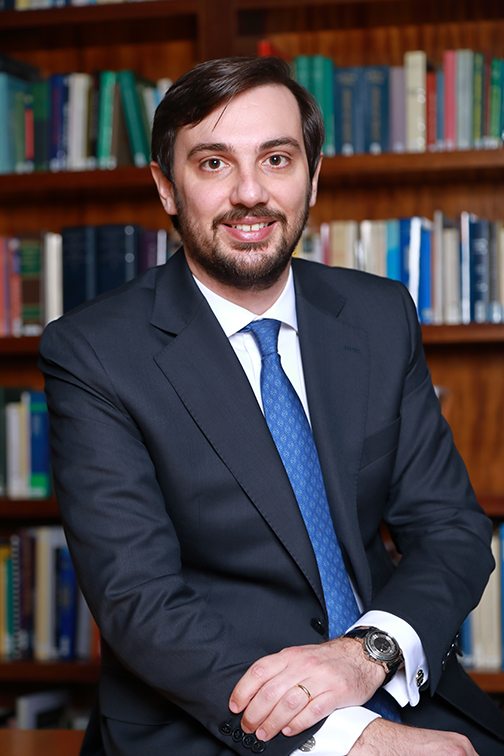
Guillermo Bueno, Araoz & Rueda partner since 2021, joined our corporate department in 2013 after four years in the M&A department of Uría Menéndez.
Guillermo has experience in general commercial advice to national and foreign companies. He specializes in all types of transactions involving the sale of shares, participations, investments and divestments, as well as public offerings for acquisition, joint ventures, corporate restructuring and sale of assets, advising industrial clients and venture capital entities, both on behalf of the buyer and the seller.
He also advises regularly companies from multiple sectors (financial, health, telecommunications, internet, real estate, transport, etc.) in corporate and corporate governance matters, acting, in many cases, as secretary to the board of directors.


TTR: In 4Q20, M&A volume returned to ‘prepandemic’ levels, with a total of 639 deals. How do you interpret this upward trend compared to 2Q20 and 3Q20? What can we expect in terms of transaction volume in 2021?

G. B.: This is a very positive trend. I think during the second and third quarter of 2020 the Spanish economy was knocked out by the impact of the COVID pandemic. This put on hold many M&A transactions, which were reactivated during the last quarter. 

In addition to the above corrective effect, M&A transactions have also been reactivated because currently there is a lot of liquidity in the market and interest rates are very low, making it relatively easy to obtain financing to carry out transactions. 

On the other hand, the very positive number of deals in the last quarter shows that Spanish companies are very attractive to invest in. They have a lot of potential, good management teams and the capacity for growth and internationalization. 

As for 2021, we will see how Brexit settles in and how the pandemic evolves. I hope that the vaccines take effect and that during the second half of the year COVID can stabilize without serious outbreaks. In any case, I believe that the M&A market will continue to grow in Spain because, as I said, we have good foundations for it. Liquidity will continue to be available and interest rates will remain low. 

TTR: What is the current situation where corporate restructurings in Spain are concerned, and what are the prospects for the coming months?

G. B.: The companies are studying the impact that a prolonged effect of COVID may have on consumption habits and needs of their clients, as well as on the Spanish market. I believe that, as a result of the above, companies will have to restructure themselves in order to adapt to the changes that may occur in the market (investing more in technology or the management of employees due to the gradual increase of teleworking). 

We are currently immersed in this process where many corporate restructurings are taking place in order to make their businesses even more efficient and adapt to a new reality that takes into account the long-term impact of COVID. 

TTR: Foreign venture capital and private equity investment in Spanish companies fell 18% in 2020 after four years of growth. What level of VC and PE investment can be expected in 2021?

G. B.: I believe that the decrease in these investments has basically been caused by the COVID pandemic. During the first three quarters, foreign investors decided to stop investing to see how the Spanish economy would evolve. 

However, I believe that this trend will be corrected and foreign investment will return to growth during 2021, especially in certain sectors such as energy, technology and health. We now have greater visibility on the COVID pandemic, investors have liquidity and interest rates are low. All this, together with the fact that the prices of Spanish companies are very reasonable, will increase foreign investment in our country. 

TTR: Spain registered a 3.48% increase in the number of venture capital deals, as well as a 256.76% increase in aggregate value of these transactions. What factors brought about this growth and how will this trend impact the demand for advisory services in 1H21?

G. B.: I believe that the increase in private equity transactions is mainly due to three factors: firstly, Spanish companies are very attractive because of their capacity to expand and how well managed they are by their management teams. After the 2008 crisis, our companies became more professional and are now much more efficient. 

Secondly, as mentioned before, private equity funds have a lot of liquidity to invest and interest rates are very low. 

Finally, because of the COVID pandemic and the Spanish socioeconomic situation, Spanish companies are very attractively priced, which will provide great returns in the future. 

TTR: The real estate sector continues to lead the M&A market in Spain: What will be the main drivers of consolidation in this sector this year?

G. B.: The real estate sectors that are expected to see the most activity in 2021 will be: (i) logistics, due to the sustained growth of internet sales; (ii) hotel and hospitality in general, due to the expected reactivation of tourism activity throughout the year and the likely adjustments that will occur with respect to previous sales prices; and (iii) within the commercial sector, retail parks, which will also benefit from the eventual increase in activity. 

TTR: What will be the main challenges for Araoz & Rueda in its M&A advisory work in Spain in 2021?

G. B.: At Araoz & Rueda we are optimistic about M&A transactions in 2021. 

Our main challenge is to continue to maintain our specialization and leadership in the M&A market, accompanying our clients in the most relevant transactions in the country, always remaining faithful to our style: hard work and full dedication to provide quality advice at competitive prices.


Spanish version


Guillermo BuenoAraoz & Rueda

Guillermo Bueno, es socio de Araoz & Rueda desde 2021 y se incorporó a al departamento mercantil en 2013 tras cuatro años en el departamento de M&A de Uría Menéndez.
Guillermo tiene experiencia en el asesoramiento mercantil general a empresas nacionales y extranjeras. Está especializado en todo tipo de operaciones de compraventa de acciones, participaciones, inversiones y desinversiones, así como ofertas públicas de adquisición, joint ventures, reestructuraciones societarias y compraventa de activos, asesorando a clientes industriales y a entidades de capital riesgo, tanto desde el lado comprador como vendedor.

Asimismo, asesora recurrentemente a empresas de múltiples sectores (financiero, salud, telecomunicaciones, internet, inmobiliario, transporte, etc.) en materia societaria y de gobierno corporativo, y, en muchos casos, actúa como secretario del consejo de administración. Es Máster de Asesoría Jurídica de Empresas por el Instituto de Empresa (2009) y Licenciado en Derecho por la Universidad Pompeu Fabra (2007).


TTR: En el cuarto trimestre de 2020 el número de transacciones de M&A ha vuelto a los valores ‘prepandemia’, con un total de 639 deals. ¿Cómo interpreta esta tendencia al alza con respecto al segundo y tercer trimestre del año?, ¿qué perspectiva podríamos tener para 2021? 

G. B.: Es una tendencia muy positiva. Creo que durante el segundo y tercer trimestre del 2020 la economía española estuvo noqueada por el impacto de la pandemia del COVID. Ello provocó la paralización de muchas operaciones de M&A que luego se reactivaron durante el último trimestre. 

Además del efecto corrector anterior, las operaciones de M&A también se han reactivado porque actualmente existe mucha liquidez en el mercado y los tipos de interés están muy bajos, por lo que es relativamente sencillo obtener financiación para acometer las transacciones. 

Por otro lado, el dato tan positivo del número de deals durante el último trimestre demuestra que las compañías españolas son muy atractivas para invertir. Tienen mucho potencial, buenos equipos directivos y capacidad de crecimiento e internacionalización. 

Respecto al 2021, veremos cómo se asienta el Brexit y cómo evoluciona la pandemia. Espero que las vacunas hagan su efecto y durante el segundo semestre pueda estabilizarse el COVID sin que se produzcan rebrotes graves. En cualquier caso, creo que el mercado de M&A seguirá creciendo en España porque, como ya he dicho, tenemos buenas bases para ello. Se continuará contando con liquidez y los tipos se mantendrán bajos. 

TTR: En cuanto a reestructuraciones societarias, ¿cuál es la situación actual y cuáles son las perspectivas para los próximos meses en España? 

G. B.: Las compañías están estudiando el impacto que puede tener un efecto prolongado del COVID en los hábitos de consumo y necesidades de sus clientes, así como en el tejido empresarial español. Creo que, como resultado de lo anterior, las compañías deberán reestructurarse para dar respuesta a los cambios que puedan producirse en el mercado (invertir más en tecnología o la gestión de sus trabajadores por la incorporación paulatina del teletrabajo). 

Actualmente estamos inmersos en ese proceso donde se están produciendo muchas reestructuraciones societarias para hacer más eficientes aún sus negocios y adaptarse a una nueva realidad que tenga en cuenta el impacto del COVID a largo plazo. 

TTR: La inversión de fondos de capital riesgo y capital privado extranjeros en empresas españolas ha registrado una disminución del 18%, luego de cuatro años de crecimiento, ¿Que tendencia podría prevalecer en 2021 en estos segmentos? 

G. B.: Creo que la disminución de estas inversiones ha sido provocada básicamente por la pandemia del COVID. Durante los tres primeros trimestres, los inversores extranjeros decidieron paralizar sus inversiones para ver cómo evolucionaba la economía española. 

No obstante, creo que esta tendencia se corregirá y la inversión extranjera volverá a crecer durante el año 2021, sobre todo en determinados sectores como la energía, la tecnología y la salud. Actualmente tenemos mayor visibilidad sobre la pandemia del COVID, los inversores cuentan con liquidez y los tipos de interés están bajos. Todo ello, sumado a que los precios de las compañías españolas son muy razonables, incrementará la inversión extranjera en nuestro país. 

TTR: España ha registrado un aumento del 3,48% en el número de operaciones de capital de riesgo, así como un aumento del 256,76% en el capital movilizado ¿Qué factores ocasionaron este crecimiento y cómo podría influir esta tendencia en las asesorías para el próximo semestre? 

G. B.: Creo que el aumento de las operaciones de capital riesgo se explica principalmente por tres factores: en primer lugar, las empresas españolas son muy atractivas por su capacidad de expansión y lo bien gestionadas que están por sus equipos directivos. Tras las crisis del 2008, nuestras empresas se profesionalizaron y ahora son mucho más eficientes. 

En segundo lugar, como ya he mencionado, los fondos de capital riesgo cuentan con mucha liquidez para invertir y los tipos de interés están muy bajos. 

Por último, con motivo de la pandemia del COVID y la situación socioeconómica española, las compañías españolas tienen unos precios muy atractivos, lo que proporcionará grandes retornos en el futuro. 

TTR: El sector inmobiliario continúa siendo el sector líder del mercado M&A en España: ¿Cuáles serán los principales motores de consolidación en este sector este año? 

G. B.: Los sectores inmobiliarios en los que se prevé más actividad durante el 2021 serán: (i) el logístico, por el crecimiento sostenido de las ventas por internet; (ii) el hotelero y de hospitality en general, por la esperada reactivación de la actividad turística a lo largo del año y los probables ajustes que se producirán respecto de los precios previos de venta; y (iii) dentro del sector comercial, los parques de medianas, que también se verán beneficiados por el eventual aumento de la actividad. 

TTR: Para Araoz & Rueda, ¿Cuáles podrían ser los principales retos en operaciones de M&A en España durante 2021? 

G. B.: En Araoz & Rueda somos optimistas respecto a las operaciones de M&A durante el 2021. 

Nuestro principal reto es seguir manteniendo nuestra especialización y liderazgo en el mercado de M&A, acompañando a nuestros clientes en las operaciones más relevantes del país, siendo fieles siempre a nuestro estilo: trabajo duro y dedicación plena para brindar un asesoramiento de calidad a unos precios competitivos.

Dealmaker Q&A

Content available in English and Spanish (scroll down)

TTR DealMaker Q&A with Auriga Global Investors Partner Diego Garcia de la Peña


Diego Garcia de la PeñaAuriga Global Investors

Responsable de Consultoría de Coberturas a fondos de Private Equity, infraestructuras, inmobiliarios, family offices y empresas, así como responsable de Inversiones Alternativas en Deuda para corporates en Auriga. En ambas actividades, el objetivo es proveer soluciones para la estructura de capital de las empresas y ayudar a las mismas, así como a los sponsors a desarrollar sus planes de negocio. 

Anteriormente, trabajó como Structured Solutions Sales para Sponsors Financieros a nivel europeo, así como para corporates españoles en Unicredit Bank, London (2007-2011). Previamente, fue director del departamento de Ventas de coberturas de tipos de interés para la Red y Empresas en Cajamadrid y Corporate Treasury Sales en Banesto.


TTR: Estamos viviendo una de las mayores crisis sanitarias y económicas ocurridas en la historia a nivel mundial por el COVID 19, justo cuando nos encontrábamos en un buen momento para el sector de M&A y Private Equity. ¿Cómo ha afectado al sector estos meses? Y, ¿cómo va a afectar al mercado a medio plazo? 

D. G. P.: En cuanto a actividad nueva, lo que estamos viendo es una concentración en análisis de operaciones en sectores como el agroalimentario, productos básicos de limpieza, higiene y en el sector salud en general. Creemos que existe un gran volumen de dinero disponible para invertir y que los inversores están enfocando sus esfuerzos de análisis en sectores refugio o de utilidad básica. También ha una gran actividad en el sector IT y en Internet. Posiblemente haya una huida de operaciones en sector retail en general, como consecuencia de la pandemia. 

Asimismo, hay un gran número de refinanciaciones de operaciones tanto por operaciones de add-on como para aprovechar las condiciones de financiación para extensiones de plazos. En el medio plazo vemos una recuperación gradual del volumen de transacciones debido a la cantidad de capital disponible listo para invertir, pero pensamos que va a seguir la concentración en sectores básicos. 

TTR: En coberturas de tipos de interés para financiaciones de Private Equity ¿qué tendencias destacáis después de estos meses de incertidumbre? 

D. G. P.: Debido a la situación actual de tipos bajos y las perspectivas de mantenimiento de estos tipos bajos durante un prolongado período de tiempo sigue teniendo sentido empezar las coberturas forward start, tiene sentido aprovechar la coyuntura para cubrir a largo plazo y por supuesto, emplear caps como instrumento de cobertura. 

TTR: Habéis asesorado recientemente a players relevantes como EOLIA y Ergon. ¿Qué transacciones destacarías? 

D. G. P.: Eolia Renovables ha realizado la refinanciación de dos grandes portfolios fotovoltaico y eólico, en una transacción de referencia en el mercado, tanto por el tamaño de la misma y los instrumentos de financiación empleados, como por los bancos involucrados y la complejidad de toda la operación. En concreto, ha refinanciado un portfolio de parques eólicos en los que tenía la financiación bancaria con distintos bancos en cada una de las SPVs en un préstamo sindicado en una compañía holding que agrupa dicho portfolio. Y, en la parte fotovoltaica, ha refinanciado la deuda bancaria independiente que tenía en cada una de las SPVs con distintos bancos en un bono de proyecto a largo plazo por todo el portfolio con inversores de referencia institucionales y a un coste de financiación tremendamente atractivo. Auriga asesoró en la cobertura tipos de interés en la refinanciación y en la cancelación de los swaps existentes. 

Podemos destacar también el asesoramiento realizado a Ergon en dos operaciones diferentes. Por un lado, en la cobertura de tipos de interés de la financiación de la compra de Palex, la cual se estructuró mediante una compra de cap por ser el producto más adecuado. Por otro lado, el asesoramiento al fondo en la estructuración y cobertura del riesgo de divisa en la compra de la empresa italiana Millbo y la subsecuente americana Bionaturals. Una transacción muy atractiva y compleja por las denominaciones en divisa distinta del precio de compra, así como la deuda de adquisición y la necesidad de cubrir el riesgo de fluctuación de divisa entre la firma de la operación, la aprobación y el cierre definitivo de la misma. 

TTR: El sector de las energías renovables está siendo uno de los más activos en los últimos meses en el mercado de M&A y capital riesgo. ¿Se mantendrá esta tendencia en 2021? 

D. G. P.: Nosotros pensamos que este sector va a seguir estando muy activo por dos razones fundamentales. En cuanto a los activos en operación, se siguen produciendo agrupamientos de carteras y proyectos, así como refinanciaciones, como consecuencia del yield compression existente en el sector por la madurez y estabilidad del mismo. A esto tenemos que añadir que en 2021 esperamos que empiecen a financiarse muchos de los nuevos proyectos en desarrollo para su construcción y entrada en operación comercial. 

TTR: La financiación alternativa se ha afianzado en España y hemos afrontado el cambio de tendencia ¿qué nos espera en los próximos años? 

D. G. P.: Efectivamente, la financiación alternativa se ve como algo normal en España en la actualidad, tanto por el sector empresarial como por el sector bancario. Esta normalización era muy importante. Las empresas ya no ven a los fondos de deuda como financiadores oportunistas exclusivamente y los bancos los incorporan como cofinanciadores en multitud de operaciones. 

En los próximos años, esperamos un incremento de las transacciones sponsorless, ya que hasta ahora la mayoría de las operaciones de deuda alternativa han sido sponsor-driven. Con el incremento de fondos de financiación alternativa presentes en España y con la bajada de tamaño de compañía, así como con los importes de financiación mínimos para realizar las operaciones, creemos que va a haber un desplazamiento hacia operaciones sin sponsor

Asimismo, creemos que va a haber una mayor segmentación de las operaciones de financiación alternativa entre financiación senior bullet de crecimiento puro en compañías performing, deuda híbrida para compañías que necesiten una solución mixta de deuda-capital o financiación de situaciones especiales. 

Por último, la corriente de concentración bancaria que estamos sufriendo en España hace que la oferta se reduzca, así como que la concentración de riesgo se incremente por los dos lados. Esto va a hacer que se incrementen las necesidades de soluciones alternativas de financiación. 

Tendremos que estar atentos a la evolución de la crisis y la situación de liquidez con la que salen las empresas de la misma, con el fin de poder apoyarlas ante situaciones puntuales de estrés.


Versión en inglés


TTR: We are living through one of the biggest health and economic crises in global history because of COVID 19, just when we were in a good moment for the M&A and private equity sector. How has it affected the sector these months? And how will it affect the market in the medium term? 

D. G. P.: In terms of new activity, what we are seeing is a concentration on transaction analysis in sectors such as agri-food, basic cleaning products, hygiene and the health sector in general. We believe that there is a lot of money available to invest and that investors are focusing their research efforts on safe haven or core utility sectors. There is also a lot of activity in the IT and Internet sectors. There is likely to be a flight to safety away from the retail sector in general, as a consequence of the pandemic. 

There are also a large number of refinancing transactions both for add-on transactions and to take advantage of financing conditions for term extensions. In the medium term we see a gradual recovery in deal volume due to the amount of available capital ready to invest, but we think the concentration in core sectors will continue. 

TTR: In interest rate hedges for private equity financing, what trends do you see after these months of uncertainty? 

D. G. P.: Due to the current low rate situation and the prospects of continued low rates for a prolonged period of time it still makes sense to structure forward starting hedges, it makes sense to take advantage of the situation to hedge longer terms and of course it also makes sense to use caps as a hedging instrument. 

TTR: You have recently advised relevant players such as EOLIA and Ergon. Which transactions would you highlight? 

D. G. P.: Eolia Renovables has refinanced two large photovoltaic and wind portfolios, in a benchmark transaction in the market, both for the size of the transaction and the financing instruments utilised, as well as for the banks involved and the complexity of the entire deal. Specifically, it refinanced a portfolio of wind farms in which it had bank financing with different banks in each of the SPVs into a syndicated loan in a holding company that groups this portfolio. 

On the PV side, it refinanced the independent bank debt it had in each of the SPVs with different banks into a long-term project bond for the entire portfolio with institutional benchmark investors and at a tremendously attractive financing cost. Auriga advised on the interest rate hedging in the refinancing and on the cancellation of the existing swaps. 

We can also highlight the advisory provided to Ergon in two different deals. On the one hand, in the interest rate hedging of the Facilities for the purchase of Palex, which was structured through a cap purchase as the most appropriate product. On the other hand, advising the fund on the structuring and hedging of the currency risk in the purchase of the Italian company Millbo and the subsequent American company Bionaturals. A very attractive and complex transaction due to the different currency denominations of the purchase price, as well as the acquisition debt and the need to hedge the currency fluctuation risk between the signing, approval and final closing of the transaction. 

TTR: The renewable energy sector has been one of the most active in recent months in the M&A and private equity market. Will this trend continue in 2021? 

D. G. P.: We believe that this sector will continue to be very active for two main reasons. In terms of operating assets, there will continue to be concentration of portfolios and projects as well as refinancings, as a result of the yield compression that exists in the sector thanks to its maturity and stability. Additionally, in 2021 we expect that many of the new projects under development will start financial execution for their construction and entry into commercial operation. 

TTR: Alternative financing has consolidated in Spain and we have undergone a change of trend, what do the next few years hold for us? 

D. G. P.: Indeed, alternative financing is seen as normal in Spain today, both by the business sector and the banking sector. This normalisation was very important. Companies no longer see debt funds as exclusively opportunistic financiers and banks incorporate them as co-financiers in plenty of deals. 

In the coming years, we expect to see an increase in sponsorless transactions, as up to now most alternative debt transactions have been sponsor-driven. With the increase of alternative finance funds present in Spain and the decrease in company size, as well as the minimum financing amounts for transactions, we believe that there will be a shift towards sponsorless transactions. 

We also believe that there will be a greater segmentation of alternative financing deals between senior bullet financing for pure growth in performing companies, hybrid debt for companies that need a mixed debt-equity solution or financing for special situations. 

Lastly, the current banking concentration we are experiencing in Spain is reducing supply, as well as increasing risk concentration on both sides. This will increase the need for alternative financing solutions. 

We will have to pay special attention to the evolution of the crisis and the liquidity situation in which companies come out of it, in order to be able to support them in specific stress moments.