TTR Dealmaker Q&A – Moacir Zilbovicius

TTR Dealmaker Q&A

September 2016

Kroton Educacional acquires Estácio Participações

USD 1.63bn

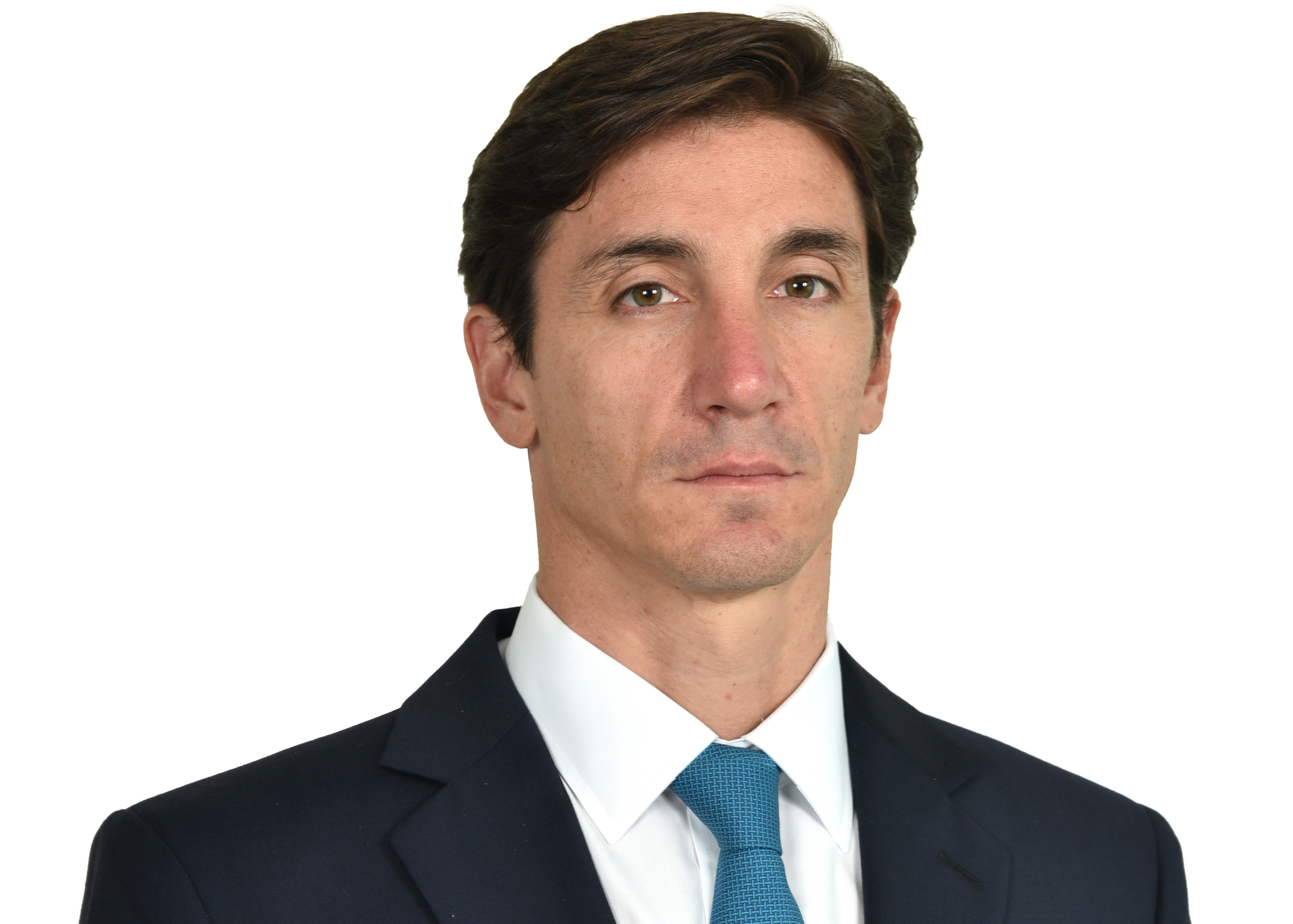
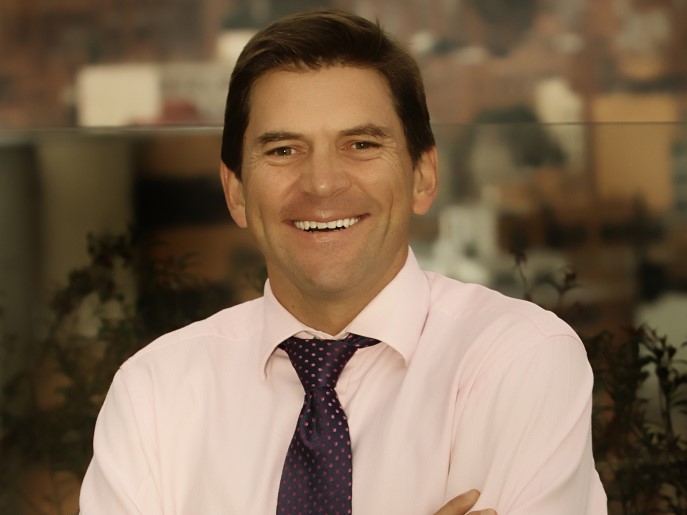
Moacir Zilbovicius
Mattos Filho, Veiga Filho, Marrey Jr. e Quiroga Advogados

On 16 August 2016 Estácio Participações accepted Kroton Educacional’s USD 1.63bn takeover bid. Moacir Zilbovicius was part of the legal team at Mattos Filho, Veiga Filho, Marrey Jr. e Quiroga Advogados that advised the seller in this monumental transaction.


Q: How did Mattos Filho land the advisory mandate and when was the firm retained?

A: We were engaged in the first week of June thanks to our relationship with Estácio’s board members and owing also to referrals from financial institutions involved in the deal.

Q: What prompted your client to explore strategic alternatives?

A: Both Kroton’s and Grupo Ser´s offers were unsolicited. As far as I know, Estácio was not pursuing strategic alternatives at the time. What ensued after Kroton’s offer was made public was basically the board members assessing the offer and pursuing the best alternative available for its shareholders.

Q: Beyond the economic factor, what made Kroton’s bid more enticing than Grupo Ser’s previous offer?

A: Several factors came into play, but, beyond the economic and strategic factors, one that played an important role was management´s assessment of the likelihood of shareholders from both companies approving the deal. 

Q: How does this transaction impact Brazil’s higher education landscape?

A: Both the Brazilian antitrust authorities and Ministry of Education are assessing the impacts of this deal, if any, and should issue their views on this, hopefully, sooner than later.

Q: What practice areas were critical in the deal and in what way did the transaction require Mattos Filho to employ its unique capabilities?

A: I am proud to say that Mattos Filho was involved in almost all of the recent merger transactions involving public companies in Brazil. This gives us not only a competitive edge, but also relevant know-how and expertise in handling such complex transactions. We have also actively participated in numerous deals involving corporations with no controlling shareholder or group, which enabled us to provide Estácio’s management with the specific guidance it needed to handle the unique situation it found itself in. Obviously, addressing the antitrust circumstances involved in the transaction was also highly important. We have a highly specialized antitrust group that allowed us to live up to the task at hand.

Q: What antitrust hurdles does the transaction face?

A: Though the deal was approved in the general shareholders meetings of both companies, it remains subject to the approval of the Brazilian antitrust authorities and Ministry of Education. The businesses of Kroton and Estácio are very complementary, in particular from a geographic standpoint, and the parties are confident that the necessary antitrust approval will be obtained in due course. 

Q: What distinguished this transaction from other M&A deals Mattos Filho has advised on?

A: The fact that it involved two companies with no controlling shareholder or group of shareholders, and that it was prompted by an unsolicited offer that led to competing offers from the market, and almost the launching of a tender offer by a relevant shareholder and member of the target´s board, made the deal very unique.

Q: How is the legal advisory work different in such a transaction where there is no controlling shareholder? 

A: Our work was mainly focused on advising the board of directors and the special committee that was created specifically to negotiate the transaction with Kroton.

See-Full-Transactions-Details

Download PDF


TTR Dealmaker Q&A – Hugo Rosa Ferreira

TTR Dealmaker Q&A

April 2016

Bankinter acquires Barclays Portugal

EUR 175m

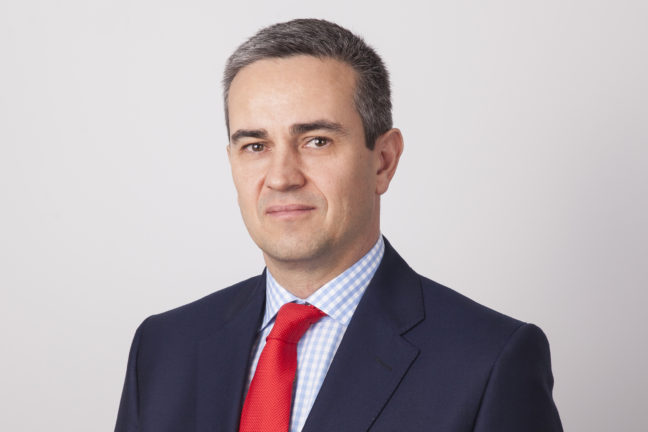
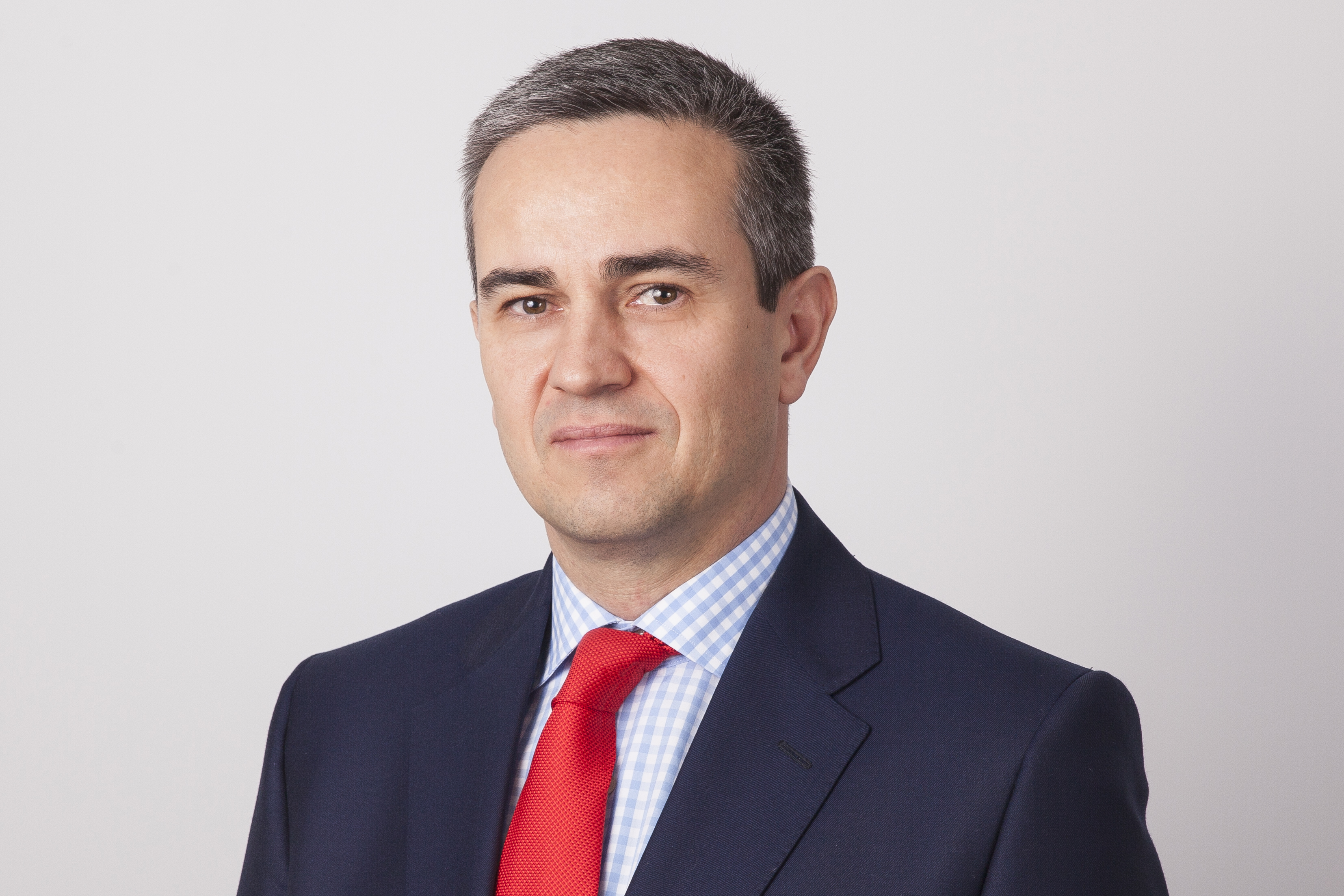
Hugo Rosa Ferreira 
PLMJ

On 1 April Spain’s Bankinter closed the acquisition of Barclays Portugal, marking its first foray beyond its home market. Hugo Rosa Ferreira led the PLMJ team that advised Barclays Portugal on the sale of its branch network, comprising commercial, private and corporate banking, along with asset management, insurance and pension portfolios.


Q: Why was PLMJ selected as the seller’s legal advisor?

A: The transaction relates to a Portuguese branch of the UK bank, so the seller needed local advice to structure the deal from a regulatory perspective and a transactional perspective. At the end of the day we had to transfer all the assets, including all the underlying contractual relationships governed by Portuguese law.

Q: How long has PLMJ been working with Barclays Portugal?

A: We had been advising the seller on a regular basis for six years. We were on retainer since 2011, although we began working with Barclays in 2010. We advised not only on the banking products but on restructuring the corporate loan book. That was the bulk of our work from 2010 to 2015. We also had a very large chunk of the corporate litigation and insolvency and restructuring of corporate clients. We also worked a little bit with Barclaycard and occasionally we provide some corporate banking advice.

Q: Why was the business structured as a branch network rather than a subsidiary?

A: It was a decision made when Barclays decided to come into Portugal. Under the EU banking directive it is a much easier process to establish a local branch rather than apply for a license. Barclays established a local branch network and grew organically.

Q: What prompted Barclays to exit Portugal?

A: The exit was made within the context of a more global strategy of withdrawing from smaller operations. It has been doing that in a few other countries such as Spain and Italy. Barclays exited Spain two years ago, and this deal falls within its global strategy of withdrawing from non-core continental European markets and focusing on its core operations.

Q: What made this transaction so complex?

A: The fact that we had to structure the deal as an asset sale rather than a share sale added complexity. In a traditional M&A deal you negotiate a traditional share purchase agreement. Since we didn’t have a company, we couldn’t sell the shares. We had to transfer each and every one of the contractual relationships, with clients, suppliers, tenants, landlords, each of those contractual agreements. We had to structure the deal in the most efficient and legally robust way possible. We had to identify all these contractual relationships to be transferred, how to do so without raising any regulatory issues and we had to try to mitigate any scenario where the counterparty would object. We had to structure the transfers differently for certain types of assets. For example, the retail banking business had one structure and the corporate banking business had another. Property and derivatives each had a specific legal structure. Most of the Portuguese operation was sold. The seller kept a little bit of core corporate and the Barclaycard business, which was its decision from the beginning.

Q: To what extent did clients object to the transfer of those contractual agreements?

A: Only an extremely small number of clients objected initially, insisting they wanted to keep their relationship with Barclays. Some were in litigation and for strategic reasons they didn’t want to transfer those contracts, or clients in default on their mortgage loans for example. There are several alternatives for those clients. Barclays has resolved nearly all the objections. Some of them required additional information. For those that really did want to stay with Barclays, there are solutions from a relationship standpoint. Barclays does have the ability to continue to serve those clients, but these really amount to a very small number. Most of the objectors were duly transferred since the deal closed, either they transferred to Bankinter or they were transferred to another bank. After all those were sorted out the number was even smaller.

Q: What practice areas were critical to closing the deal?

A: Banking and finance, property, employment, privacy and data protection. I would say that these four were the main practice areas that were paramount to the success of the deal. Others involved were competition, litigation and tax.

Q: How were M&A considerations incorporated into the asset sale structure?

A: although we had to structure the deal as an asset sale, we did have all the M&A type terms and conditions that you’d have in a share purchase agreement. We had everything transferred under an umbrella business sale and purchase agreement where we set out all the terms for the transfer. The transfer had to be carried out under specific types of agreements, but overall the terms and conditions are similar to what you’d find in an M&A deal, including price adjustments, warranties, covenants and conditions for indemnity, time frames for indemnities to begin and be waived, relieved. All those typical M&A conditions were brought into the deal under the framework agreement, although we had to transfer all the assets under specific transfer type agreements.

Q: What made these assets attractive for Bankinter?

A: This is Bankinter’s first expansion outside of Spain. Barclays had an established presence in Portugal. It has been in Portgual for at least 30 years. Barclays had a small-to-medium size operation in Portugal, which made it a good fit for what Bankinter was looking for in terms of expanding beyond Spain. It’s a small step towards becoming international, but it’s a reasonable and sustainable step for the buyer.

Q: How much competition was there for these assets?

A: There was a lot of interest from all types of potential buyers, from banks and investment funds, some of them looking to buy the entire operation, others part of the operation, including Portuguese and foreign banks, and mostly foreign funds.

Q: What made Bankinter’s offer the winning bid?

A: I believe that it was a combination of things. Bankinter did exactly what Barclays did when it entered the market to consummate the deal by opening a branch to acquire the assets. It “passported” its banking license from Spain. That was a relatively smooth detail. The fact that it was already an EU bank was a plus in its proposal, as some of the other bidders were not. Bankinter simply notified the Bank of Spain, which then notified the Bank of Portugal. It usually takes about four months to obtain the branch license.

Q: What conditions were imposed by market regulators for the deal to be approved?

A: None expressly as the deal was not subject to any conditionality. The deal was structured so that it was not subject to regulatory approval, at least the banking part. For the insurance part, the transfer of the portfolio was subject to regulatory approval, which was obtained. From the banking side, it was not, but implicitly we had to follow the principle of neutrality, in that it had to be neutral to all clients, and that was expressed in all the documents of the transaction itself and in the documentation used to seek the approval of clients. That was the only rule, not a written rule, but it was something that we had to follow. Although we didn’t need approval, we were in constant contact with the Bank of Portugal to keep the regulator apprised.

Q: Beyond the EUR 175m purchase price, what other investment does this deal imply?

A: The bank needed to be funded, so Bankinter had to provide the funding that was released to Barclays. On closing, Barclays UK no longer had to fund the bank, whereas conversely, Bankinter needed to inject the funds required to comply with capital requirements, which implies around EUR 2bn.

Q: What does this sale mean for Portugal’s financial services sector?

A: It’s an example of the appetite that the market has for Portuguese banks. The Portuguese banking market was traditionally concentrated among four or five large banks. One of them was Banco Espirito Santo, which was subject to resolution. Another, BCP, has been under distress for years now, while BPI and Caixa are also not in good shape. This presents an opportunity for foreign banks to establish themselves in Portugal with a solid operation. This deal shows there’s appetite for the Portuguese banking market, especially for these kinds of transactions.

Q: What has buoyed interest in the sector despite systemic problems?

A: The financial sector’s problems are the result of bad management and fraud. The problem is not with the customer base; the problem is with management. This deal is absolutely a positive indicator. There’s a discussion whether to completely open the market to foreign investors. There’s no restriction on foreign ownership, it’s more of a political issue with the left wing parties raising concerns. We’ve seen that the traditional Portuguese banks were not well managed. There are some examples of foreign banks coming in and being successful, such as Santander, one of the soundest, if not the soundest, bank in Portugal, and Deutsche Bank, which is also very successful in Portugal with certain types of clients. I don’t see any reason why banks wouldn’t open themselves to foreign investment. Where such investment has been made, it’s been positive. We will soon see the sale of Novo Bank, likely to a foreign bank or investment fund. There’s talk about consolidation among the market’s largest four or five banks, which are those that are in worst financial shape. The market is very much alive and I’m sure we’re going to continue to see, if not this type of transaction, large holdings in Portuguese banks sold to foreign investors in the next 12 to 24 months.

See-Full-Transactions-Details

Download PDF

TTR Dealmaker Q&A – Alessandro Farkuh (Banco Bradesco BBI)

TTR Dealmaker Q&A

January, 2016

J&F Investimentos acquires Camargo Corrêa´s 44% stake in Alpargatas 

USD 672m

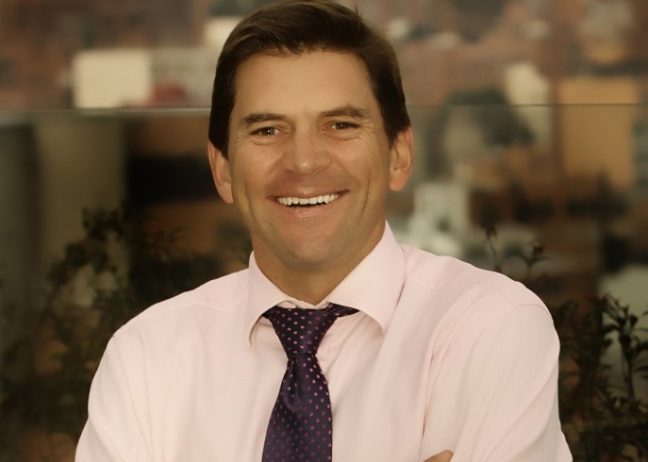
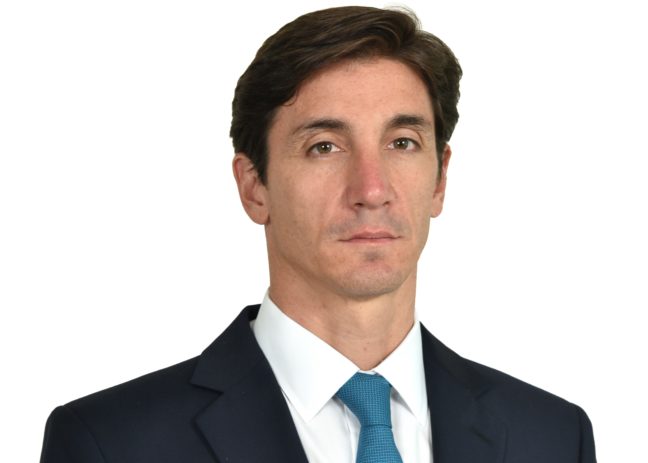
Alessandro Farkuh 
Banco Bradesco BBI

On 23 December, J&F Investimentos closed the acquisition of a 44.12% stake in Brazil’s leading footwear manufacturer, Alpargatas, from Camargo Corrêa, a month to the day after the transaction was officially announced. Alessandro Farkuh, Head of Mergers & Acquisitions at Banco Bradesco BBI, led the investment banking team that advised the seller on its exit from the shoe business, which was unconditionally approved by Brazilian regulator, CADE.

__________________________________________________________________________

Q: How did Bradesco BBI land this mandate?

A: We have been advising Camargo Corrêa in several transactions. Bradesco BBI has been the investment bank of the CCSA group. As it regards Alpargatas, specifically, we have led every M&A transaction for them since 2012, including its 60% acquisition of Osklen, currently one of its most important brands, together with Havaianas. We advised the acquisition of 30% in 2012 and then, at the end of 2014, we helped Alpargatas exercise its option to acquire another 30% and consolidate the control of Osklen. We also helped them in the negotiation to renew the licensing agreement with Mizuno for 26 years, as announced in 2014. Finally, most recently we worked for them on two parallel fronts; on the one hand helping Camargo Corrêa to sell its controlling stake, and on the other hand working with Alpargatas to sell the businesses units related to its Topper and Rainha brands.

Q: What prompted this transaction?

A: Our client was seeking liquidity; that was the principles reason. The rationale behind putting Alpargatas in the street was purely an economic decision, to strengthen Camargo Corrêa’s financial position.

Q: Why was Alpargatas the chosen divestiture candidate?

A: Camargo Corrêa is a large portfolio manager. We see CCSA transforming itself, in essence, into an investor group which manages a portfolio of sizable investments. They have the power business, the cement business, the transport/concession business, textiles, very different business units that are not necessarily dependent on each other. At the middle of last year, Alpargatas was the most viable asset Camargo Corrêa had that could be sold. It didn’t depend on any third party or shareholder. It’s a company that’s been performing well for several years and profitable enough to justify a sizable amount of proceeds. Also, we were confident that announcing the sale of its Topper and Rainha brands, given those operations were not exactly aligned with the strategy of Havaianas, Osklen and Mizuno, would help to propel the sale process. In hindsight, I’m 100% sure they made the right decision.

Q: How was the transaction structured and presented to the market?

A: Alpargatas was extremely well organized and 100% professionalized. We were conducting the transaction at Camargo Corrêa’s level and putting a lot of energy to minimize any interference on the company’s day-to-day operation. We were there organizing the information to support a truly competitive process. Due to market rumors, our client decided to formalize the transaction through a stock exchange announcement in August and confirmed we were helping; once that happened we needed to expand access to an even larger number of interested parties. The transaction attracted several large financial and strategic investors, with local and global operations. As in any relevant transaction similar to this one, at the end of the day we had some guys with a lot more focus on the process than others. We saw strategic buyers trying to join forces with financial investors; global companies and global funds with widely different profiles. The one that was most agile, that understood our concerns and how we were trying to speed up the process, ended up acquiring the company.

Q: How would you describe the pool of suitors?

A: Havaianas is a global brand. It’s one of the very few brands that can be recognized anywhere in the world. It has operations in all continents. When you talk about selling Havaianas and all the other brands of Alpargatas’ portfolio, every group focused on luxury consumer products globally, Americans, Europeans, the most important players related to consumer products, demonstrated interest. We were being extremely selective to make sure everybody who came into the process had the conditions to write the check we sought and to assess the asset quickly. Considering the fact that it was almost a BRL 3bn transaction, it required a lot of energy from the interested parties to justify putting that amount of money in Brazil, to minimize execution risks, and to make sure they were doing the right transaction based on the right terms, so you had a lot of groups coming together to form consortia.

Q: How did you avoid selling the asset on the cheap in a down market?

A: This is a true example of where despite all the uncertainties and concern about Brazil, if you apply the right pressure in the process, define the right tactics of negotiation and base the rationale of the transaction on the right elements, you can maximize value and accelerate speed of execution. We obtained an extremely reasonable premium, comparing the announced BRL 12.85 share price, with the unaffected price per share of Alpargatas (as of August/2015). The whole concept we brought to investors was related to a company that was performing very well on top of the Brazilian contribution to revenues. It’s a global brand and most of its potential is related to its international expansion. The main idea was to try to take some advantage of the Brazilian situation, where the currency was increasing some attractiveness assuming the price per share in US dollars, and on the other hand to maximize the valuation of the company based on the potential to expand its operation in regions where there is still significant growth potential. If you look at Alpargatas, though it has an Asian presence, it’s not yet where it could be, same goes for the US, it’s not yet consolidated. Brazil still represented the largest contribution to sales in 2015. This is exactly the opportunity. The valuation wasn’t only based on the past performance of Alpargatas. Considering how aggressive the profile of the new controlling shareholder could be, the ratio of domestic versus international sales could be changed quickly.

Q: Why was J&F Investimentos the best buyer for the asset?

A: J&F is extremely aggressive and extremely competent in terms of doing sizable transactions like this one. J&F was at the same level as anybody else in the process, we considered them global investors. They were the ones that really understood how important it was to close the transaction with great speed and at the same time, indicated an attractive price that balanced the final elements for our client. But apart from the economics of the deal, their ability to meet the speed and agree with the very specific conditions we demanded to increase certainty of closing made J&F the right choice; it was clear to them that once we announced the transactions we couldn’t go anywhere but the closing. They were fast, and highly intelligent to translate our requests and support a very efficient negotiation process. We announced the transaction in less than two weeks after receiving the bids which is a testament to how aggressive we were and how competent J&F was.

Q: What factors were most important in selecting the winning bidder?

A: There were two main variables for us: first the price and second how long it would take for our client to receive the cash. If it takes three months longer to receive the proceeds of the deal, over time with interest rates as they are, it would not be the same for Camargo Corrêa. We were basing the process on these two elements, speed and pricing, and J&F was the most efficient player in balancing those two elements.

Q: How was it closed within such a short timeframe from the announcement date?

A: It was extremely intense; as intense as the negotiation period between receiving bids and announcing the winner. Between 22 November and 23 December all resources were related to antitrust approval processes and final documentation. That previous two-to-three-week period immediately before the announcement took an immense amount of energy. I was pretty much dedicated with the rest of the group to this transaction. We were negotiating with the final interested parties 24×7, managing pressure from the process and the natural expectation of our client. It was a pretty engineered process, in-house and on everything related to the interested parties.

Q: Why was this an opportune time for Camargo Corrêa to exit?

A: It was absolutely a good time to sell. When we look back to last year, I doubt we could see similar competition for any other transaction in Brazil. We had the full attention of the bidders. Despite the Brazilian macro conditions, the high quality of Alpargatas could neutralize that situation; we could put it aside a little bit to execute the process. During most of the time we were negotiating the deal we had all the attention of the investors. We felt from the most engaged and interested parties, that they were seriously dedicated to that transaction. I believe the decision of seeking liquidity and pursuing the divestment by Camargo Corrêa, put the deal in a very good environment by being the biggest and most interesting transaction in the market. It was very intelligent timing to put the asset up for sale; our client had very strategic vision by accepting the recommendation to sell Alpargatas at that moment. It was the reference transaction for any sizeable investor in that industry looking to Brazil.

Q: What are the synergies for J&F Investimentos?

A: This was an opportunistic approach from J&F. They do invest in companies and opportunities that could be explored globally. I see them putting resources towards things that can be grown, like the protein, processed food, pulp and paper businesses and other ventures with great growth potential. From my perspective I can’t judge or make assessments based on any synergy, other than good economics based on what they can generate as returns in the near future.

Q: Is it an asset that unsuccessful strategic investors will continue to court?

A: Alpargatas was being approached by everybody for years. It was not new to Camargo Corrêa that a lot of people would be interested. I would bet that similar flow of interested parties will continue with J&F, but now you will have a different value reference. The price per share so far was not reflecting the true value of the company. I would assume people will continue approaching J&F as they had with Camargo Corrêa for years, but with a different mindset – knowing what they paid. I see J&F with a very aggressive and consistent plan of expansion, which was the true element for the pricing of the company. They will invest a lot of energy to bring Alpargatas to the next level. The company has great management, a beautiful legacy, a lot of know-how in doing what they do; all of that combined with the experience of J&F working abroad could be explosive. I do believe they will do a great job.

Q: Did the volume of shares acquired surpass the threshold requiring a public tender offer for the remaining shares?

A: It does on the common shares. J&F will need to launch a mandatory tender offer for the other common shares to fulfill its legal obligation.

Q: Which firms advised J&F on the deal?

A: None, it was handled internally. That is the way they do deals, they use their internal team. They are extremely competent and smart and have a distinct view of negotiation processes. I think that was one of the reasons J&F ended ahead of other bidders. The team involved in the deal was part of the decision-making process and, at the same time, responsible for conducting the front lines – they could rapidly pull together the relevant information for their assessment throughout the process.

Q: How does this transaction stand out from other deals you’ve led?

A: It’s a very special deal. It’s for sure one of my most relevant transactions so far; and it is not a matter of size or execution complexity. This transaction comes after a sequence of successful M&A transactions completed with Alpargatas in a window of about five years. I can’t recall in Brazilian M&A history a similar situation. To announce five or six M&A transactions and then be able to sell the company the way we did; from any angle it cannot be considered anything but a good transaction, and in a terrible macroeconomic situation, at that. The sale of the controlling stake of Alpargatas is a final piece of a long history in which I personally was involved, beginning with the acquisition of Osklen. Looking back and seeing the importance the other initiatives had in bringing this to reality makes this transaction even more special. Bradesco BBI was the partner management trusted to help them, and the trusted advisor responsible to translate those transactions into reality in the eyes of the shareholders. I was fortunate to be the person to lead all those initiatives. It is truly a win for Camargo Corrêa, for Alpargatas’ management, and obviously for Bradesco BBI to lead this deal in such a complex macroeconomic environment.

See-Full-Transactions-Details

Download PDF

TTR Dealmaker Q&A – Paula Muñoz Romero (Muñoz Romero Asesores)

TTR Dealmaker Q&A

December, 2015

Fluiconnecto acquires a 35% stake in Man-Par with option to acquire 75%

USD 686.5m

Paula Muñoz Romero 
Muñoz Romero Asesores

On 11 September Netherlands-based hydraulic hose manufacturer Fluiconnecto closed the acquisition of a 35% stake in Man-Par, a distributor of its products located in Bogotá, Colombia. Paula Muñoz of Muñoz Romero Asesores was legal advisor to the buyer for this deal in which Fluiconnecto acquired effective control with an option to buy the remaining shares of the selling shareholders in 2017.

____________________________________________________________________________

Q: How did you land this mandate?

A: It was a referral from Gómez-Pinzón Zuleta Abogados. One of the partners there recommended me to Fluiconnecto. I believe they had a conflict of interest.

Q: How did the buyer identify the target?

A: Fluiconnecto sold its products through Man-Par already and was interested in acquiring shares in the company in order to establish a greater presence here. Fluiconnecto approached the family shareholders who were interested in selling, so we began discussing a transaction.

Q: When did the negotiations begin?

A: We began discussions around February 2014, but the legal aspect didn’t begin until September 2014.

Q: Why did the buyer opt to acquire the company little by little, rather than acquire 100% outright from the start?

A: Fluiconnecto wanted to see the results of the company with their input. It expects Man-Par to achieve great results and if it does then they intend to exercise their call option to acquire the remaining shares of the selling shareholders.

Q: How did the worsening economic situation in Colombia impact the transaction?

A: We thought that it would impact it, but it didn’t. It hasn’t been as good a year for transactions as we thought it was going to be, but in the end Fluiconnecto was so interested in coming here. Foreign investors are still interested in investing here, as they consider Colombia to be a good country for the future and Fluiconnecto thought it a good time to invest now. Maybe things aren’t as profitable now, but Fluiconnecto took a long-term view and expect it to improve in the next few years.

Q: How did Fluiconnecto ensure its place as master of Man-Par’s fate while holding only a minority stake?

A: Fluiconnecto has control of the company through a shareholders agreement. The idea is to purchase more shares in order for them to get 100% of the selling shareholders in the next two years. Fluiconnecto has the right to purchase such shares and has agreed on the price, it’s just a question of Fluiconnecto to exercise this option.

Q: To what extent were antitrust concerns a factor in this transaction?
A: We had to ask for permission from the antitrust authority as Fluiconnecto was already distributing its products here. It already participated in the market and though it was a concern since it already had some clients here, it wasn’t difficult to demonstrate to the regulator that the deal wouldn’t have adverse impacts on the market.

Q: What is Man-Par’s most significant client base and how does Fluiconnecto plan expand?

A: Man-Par sells parts that Cerrejon needs to operate. That’s the biggest client, which needs those parts constantly regardless of how much coal they extract or sell. The company is aiming to get a foothold in the oil and gas market as well as other interesting markets, but hasn’t been concentrating its efforts on doing it up to now. Fluiconnecto will bring its experience here and make a commercial impact here in Colombia with a new commercial model to get new clients and to get into the oil and gas market as well as other markets.

Q: What compelled Man-Par shareholders to pursue a sale?

A: What I understand is that Fluiconnecto approached them. The shareholders are the daughters of the original owner. They didn’t have as much experience as their father in the business and were really interested in selling some of their shares to Fluiconnecto. The sellers had an interest in putting the company in good hands and the buyer approached at a time when the country wasn’t getting as much foreign investment, so it represented a good opportunity for an exit.

Q: What went into the due diligence process?

A: The seller changed lawyers three times in the process. Philippi Prietocarrizosa & Uría conducted an internal due diligence process and shared it with the buyer. Then the seller changed to another local firm before finally retaining Brigard & Urrutia to close the deal. Fluiconnecto hired us to do the due diligence mostly in the foreign trade zone assets and tax due diligence, and used internal attorneys for labor and basic corporate due diligence, which of course we had to verify and confirm when drafting the share purchase agreement.

Q: Why are mid-market European companies still confident in Colombia despite the economic downturn in the past 12 months?

A: Colombia has stable laws, they are sure of what is going to happen and how things will work out, except for the tax law, the rest of it is kind of stable. Tax issues tend to vary from one administration to another and it’s something that changes in every single country. Though this impacts acquirers like Fluiconnecto, it’s likely something that they are used to.

Q: What does this entry in Colombia represent within the context of Fluiconnecto’s ’s regional growth in Latin America?

A: Fluiconnecto views Colombia as one of its entry points into Latin America, since it already operates in Argentina and Peru. It intends to grow profits at the company to present itself on a strong footing within Latin America. We believe Fluiconnecto will likely look at other acquisition opportunities regionally.

Q: What stood out for you in this transaction to distinguish it from other M&A deals you’ve worked on?

A: The fact that the sellers changed their lawyers three times was really challenging. These kinds of deals are quite complicated, and if you don’t have a sophisticated counterpart it’s quite difficult to deal with sellers when they aren’t used to this kind of transaction. The negotiation with the sellers was really complicated; they didn’t understand how it could work through a contract giving the buyer control in a minority stake acquisition. It is quite common practice if the financial contribution is going to be really significant. The buyer is also granting financing in the form of loans, so the financial effort from Fluiconnecto is really significant and that’s why it is getting control even before purchasing a majority share.

Q: How was the purchase price arrived at?

A: Fluiconnecto valued the target and started negotiating the price with the sellers – this was an unusual way of handling the deal from a seller’s perspective. We tried to make everything as fair as possible and as simple as possible. They only hired Brigard & Urrutia in February or March 2015 as their final legal advisor for the deal.

Q: Did the difference in corporate culture impact the deal in any way?

A: Because of the relative size of both companies, the way Man-Par handled their business was very different, but because Fluiconnecto was already working with Man-Par as a distributor of its products, it was already familiar with the way they handled the company and the different ways of doing business didn’t prove to be an obstacle.

See-Full-Transactions-Details

Download PDF

TTR Dealmaker Q&A – Alan Klein ( Simpson, Thacher & Bartlett)

TTR Dealmaker Q&A

October, 2015

Owen-Illinois acquires Vitro´s glass container business

USD 2.15bn

Alan Klein
Simpson, Thacher & Bartlett

Alan Klein, co-administrative partner at Simpson, Thacher & Bartlett, led the legal team that advised Owens-Illinois in its USD 2.15bn all-cash acquisition of Vitro’s glass container business that closed on 1 September. The acquired assets include five plants in Vitro’s home market, Mexico, one in Bolivia and the seller’s distribution lines in the US.

________________________________________________________________________________


Q: How did Simpson, Thacher & Bartlett land this mandate?

A: We’ve worked with Owens-Illinois for over 25 years, since KKR acquired Owens-Illinois in the late 1980s. We were one of the firms involved in the acquisition and financing of that deal. I started working with Owens-Illinois in the late ‘80s and since that time have helped them with innumerable acquisitions and divestitures, as well as prospective transactions.

Q: How long was Vitro’s glass business in the sights of Owens-Illinois?

A: It’s something Owens-Illinois has been thinking about going back several decades.

Q: Why was this collection of assets attractive and strategic for the buyer?

A: It’s a natural geographic extension for Owens-Illinois because they have a strong position throughout the US, Canada and Latin America, so it’s a natural fit. It’s a natural combination from Owens-Illinois’ perspective. Vitro was a leading container and glass manufacturer in Mexico and filling that gap is something Owens-Illinois has been interested in for a long time.

Q: Why was this the right time to launch a bid?

A: It was a point in time when the buyer and the seller were able to agree on a price, which they’d never been able to do before. Vitro’s glass manufacturing business was performing well, and Owens was in a position to afford to pay the price that Vitro was looking for. There was a negotiation and they were able to reach an agreement on price.

Q: What were the obstacles to the deal closing in past attempts?

A: When one party was ready the other wasn’t, and vice versa.

Q: What made this transaction particularly challenging?

A: It’s a carve-out from the rest of Vitro’s business. My experience has been that whenever you’re buying a part of a company where the assets have been intermingled with other parts of the seller’s business, you have to sort of tease that apart and unwind everything. They had a lot of restructuring to do, they had to move things around internally and that leads to a whole host of approvals needed from vendors, from landlords, and then there’s a whole host of associated tax issues. It’s like taking a box of puzzle pieces, throwing them on the ground and then putting them back together — it’s a painstaking process.

Q: How long did the transaction take to complete?

A: Once we were able to get an agreement on terms, we were actually able to close it by the beginning of September, so it only took three-and-a-half months from the announcement date of 13 May, which is quick. It took a lot of work and some luck to get it done so quickly.

Q: How did your team of 20 attorneys navigate these challenges?

A: It required close collaboration with the seller’s counsel and a lot of attention to detail. Corporate, intellectual property, tax and real estate, were all key parts of the team.

Q: To what extent was antitrust a consideration?

A: Competition was certainly involved and they did a great job because we got approvals in the US and Mexico in relatively short order. Glass is a funny thing, glass bottles in particular. They’re heavy and fragile, and consequently most of Vitro’s production is sold in Mexico. There was no second request from the FTC and the Mexican authorities got quite comfortable with it as well. Though Owens-Illinois is a major producer in the US, both US and Mexican authorities had no objection, for the reason that the production from Mexico is overwhelming used in Mexico. It doesn’t change the profile of either market. Owens is stepping into Vitro’s shoes in terms of manufacturing glass containers. It shouldn’t have an effect on the Mexican market.

Q: Why did the buyer opt to finance the transaction with cash?

A: Owens-Illinois was concurrently doing some financings in the public market as well and they had enough cash to do it. They were doing other work on their capital structure. They were taking additional risk with the deal, but Owens was confident that it had enough resources and could keep its capital structure in a healthy, rational state.

Q: What does the deal represent within the context of Owens’ global growth strategy?

A: It’s a piece that’s been missing. Owens is a very global business, with strong presence in the US and Canada, and a strong presence in Latin America. This transaction filled a gap.

Q: What made this deal stand out from other recent transactions you’ve worked on?

A: It’s certainly one of the largest acquisitions in Mexico of an industrial business for sure, and it’s something that’s been on Owens-Illinois’ radar screen, and as a result, our radar screen, for a long time, literally 20 years, as a potential transaction.

See-Full-Transactions-Details

Download PDF