Dealmaker Q&A

Content available in English and Spanish (scroll down)

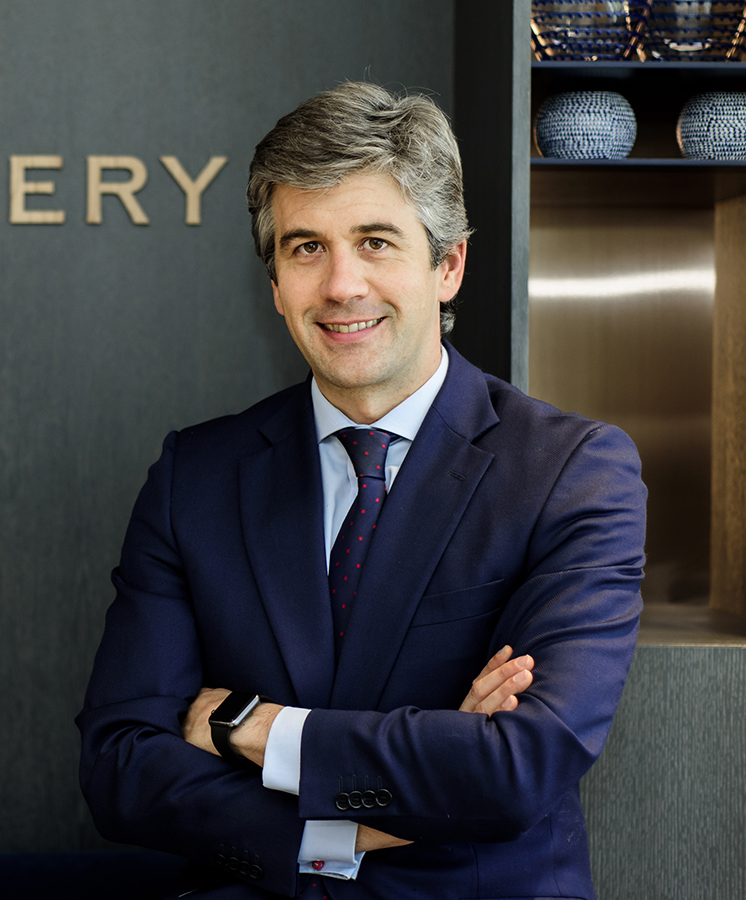
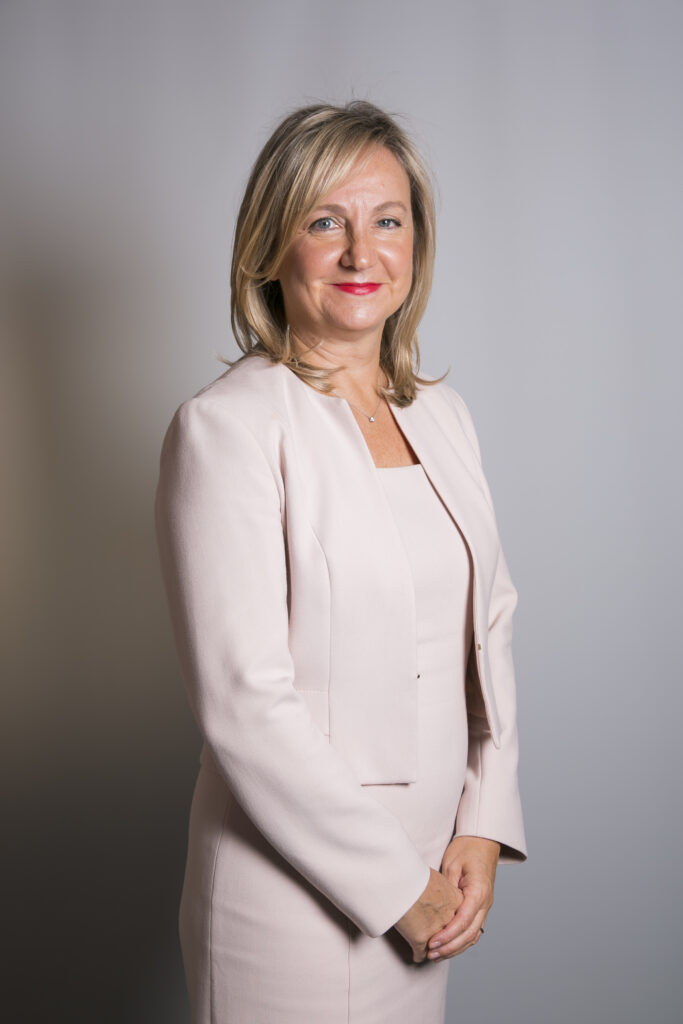
TTR DealMaker Q&A with Gómez-Acebo & Pombo Partner Mónica Weimann Gómez

Gómez-Acebo & PomboMónica Weimann Gómez

Mónica is a Corporate M&A partner, head of the German Desk, head of the International Board, co-head of Food and Consumer Products and member of the Board of Directors at Gómez-Acebo & Pombo.

She has broad experience on cross-border transactions, corporate, commercial, international and M&A. She holds a degree in Law from the Complutense University of Madrid and a diploma in Business Administration from the San Pablo CEU University in Madrid, Spain.

She obtained a diploma in Microeconomics from the London School of Economics & Political Science. She followed PhD studies in the Commercial Law department at the Complutense University of Madrid and at the Max-Planck Institut in Munich.

Monica has been the first woman to be elected President of the German-Spanish Association of Lawyers and was listed by Iberian Lawyer in its InspiraLaw Top 50 Women list 2018. She has been consistently acknowledged as Highly Regarded in recent years by IFLR 1000 for her work and expertise in the M&A area.


TTR: Until September 2021, the M&A market in Spain has registered an increase of more than 20%. How do you interpret this trend compared to 1Q21 and 2Q21? What can we expect in terms of transaction volume in 2022? What can we expect in terms of transaction volume in 2022?

M. W.: The market has been picking up speed throughout the year, as the pandemic situation improved and greater safety and optimism were perceived in the context of investing. Institutional investors are looking for targets in sectors that have shown to be resistant to the pandemic, and strategists have for some time been reviewing their organisations to focus on their core business and divest from areas they don’t consider central to their business. In my view, the trend will continue with an active and bullish market.

TTR: Gómez-Acebo & Pombo is one of the leading advisors on tech deals in Spain in 2021. What are the most significant drivers for consolidation of this sector in the mid- and long-term?

M. W.: The consolidation of remote work with the resulting need for technological solutions is without a doubt a driver of this market. The digital transformation in all sectors, which was already considered important before the pandemic, is now the no. 1 priority of any company and will give rise to a lot of activity in the technological sector.

TTR: What would be another two sectors that could offer the greatest opportunities in Spain for international investors in 2022 and why?

M. W.: Real Estate, owed to the lack of attractive investment alternatives and pottential distressed opportunities in the Hospitality sector as well as the Life Science sector, as the pandemic has placed even more value than was there pre-pandemic.

TTR: What are the prospects for the Renewable Energy sector in Spain?

M. W.: The outlook is very positive. The current situation of the electricity market prices comes from the dependency on gas, which without a doubt favours investment in renewable facilities to counteract said dependency on gas.

TTR: Considering your experience in Private Equity & Venture Capital, how do you expect this type of investment to evolve in 2022?

M. W.: We hope that the size of the funds doubles with almost exponential growth, an appareance of new unicorns and that Spain continues to consolidate in areas such as education, tech, medtech and agriculture. 

TTR: Regarding corporate restructuring, What are the prospects in Spain?

M. W.: It’s to be expected that restructurings are taking place overall in sectors that have been most affected by Covid such as the entertainment industry. We are also seeing restructurings taking place at industrial groups.

TTR: What will be the greatest challenges for Gómez-Acebo & Pombo in its M&A advisory work in Spain in the long-term?

M. W.: Continue to strengthen our position in the TOP TEN M&A ADVISORS, both in terms of deal volume as well as in deal value.   


Spanish version


Gómez-Acebo & PomboMónica Weimann Gómez

Mónica es socia de Mercantil, responsable del German Desk, miembro del Consejo de Administración, coordinadora de la Comisión de Estrategia Internacional y co-coordinadora del grupo Alimentario y de Productos de Consumo en Gómez-Acebo & Pombo.

Tiene una amplia experiencia en operaciones cross-border, derecho societario, mercantil, internacional y M&A.

Es licenciada en Derecho por la Universidad Complutense y diplomada en Administración de Empresas por la Universidad San Pablo CEU de Madrid. Obtuvo el diploma en Microeconomics por la London School of Economics & Political Science. Realizó estudios de doctorado en el departamento de Derecho Mercantil de la Universidad Complutense de Madrid y en el Max-Planck Institut de Munich.

Mónica ha sido la primera mujer que ocupa el cargo de Presidenta de la Asociación Hispano-Alemana de Juristas y fue incluida por Iberian Lawyer en su InspiraLaw Top 50 Women List 2018. Ha sido destacada como Highly regarded en M&A por el directorio IFLR 1000.


TTR: Hasta septiembre de 2021, el mercado M&A en España ha registrado un crecimiento superior al 20%. ¿Cómo interpreta esta tendencia con respecto al primer y segundo trimestre del año?, ¿qué perspectiva podríamos tener para 2022?

M. W.: El mercado ha ido ganando ritmo a lo largo del año, a medida que mejoraba la situación de la pandemia y se percibía mayor seguridad y optimismo en el entorno inversor. Los inversores institucionales buscan targets en sectores que se han mostrado resistentes a la pandemia y los estratégicos ya llevaban tiempo revisando sus organizaciones para centrarse en su core business y desinvertir en ámbitos que no consideraban centrales a su negocio. En mi opinión la tendencia se mantendrá con un mercado activo y al alza.

TTR: Gómez-Acebo & Pombo es uno de los principales asesores líderes en operaciones de tecnología en España en 2021, ¿Cuáles serán los drivers más relevantes para la consolidación de este sector en el mediano y largo plazo?

M. W.: La consolidación del trabajo remoto con la consiguiente necesidad de soluciones tecnológicas es sin duda un driver de este mercado. La transformación digital en todos los sectores, que ya se consideraba relevante antes de la pandemia, ahora está en el top 1 de las agendas de cualquier empresa y dará lugar a mucha actividad en el sector tecnológico.

TTR: ¿Cuáles serían otros dos sectores que podrían ofrecer las mayores oportunidades en España a los inversores internacionales en 2022 y por qué?

M. W.: Real Estate, debido a la falta de alternativas atractivas de inversión y las potenciales oportunidades distressed en el sector Hospitality y el sector de Life Science, que la pandemia ha puesto aún más en valor de lo que ya de por sí estaba pre-pandemia.

TTR: En cuanto al sector de Energías Renovables ¿cuáles son las perspectivas para España?

M. W.: Las perspectivas son muy positivas. La actual situación de los precios del mercado eléctrico deriva de la dependencia del gas, lo que favorece sin duda la inversión en instalaciones renovables para contrarrestar dicha dependencia del gas.

TTR: Teniendo en cuenta su experiencia en Private Equity y Venture Capital, ¿cómo espera que evolucionen este tipo de inversiones en 2022?

M. W.: Esperamos que se duplique el tamaño de los fondos con un desarrollo casi exponencial, aparición de nuevos unicornios y que España siga consolidándose en ámbitos como educación, tech, medtech o agricultura.

 TTR: En cuanto a reestructuraciones societarias,  ¿cuáles son las perspectivas en España?

M. W.: Es de esperar que las reestructuraciones se produzcan sobre todo en sectores que se han visto más afectados por el Covid como podrían ser el sector ocio. También podemos ver reestructuraciones en grupos industriales.

TTR: ¿Cuáles serán los principales desafíos en términos de transacciones de M&A en España en el largo plazo para Gómez-Acebo & Pombo?

M. W.: Seguir reforzando nuestra posición en el TOP TEN M&A ADVISORS, tanto en deal volume como en particular en deal value.   

Dealmaker Q&A

Content available in English and Portuguese (scroll down)

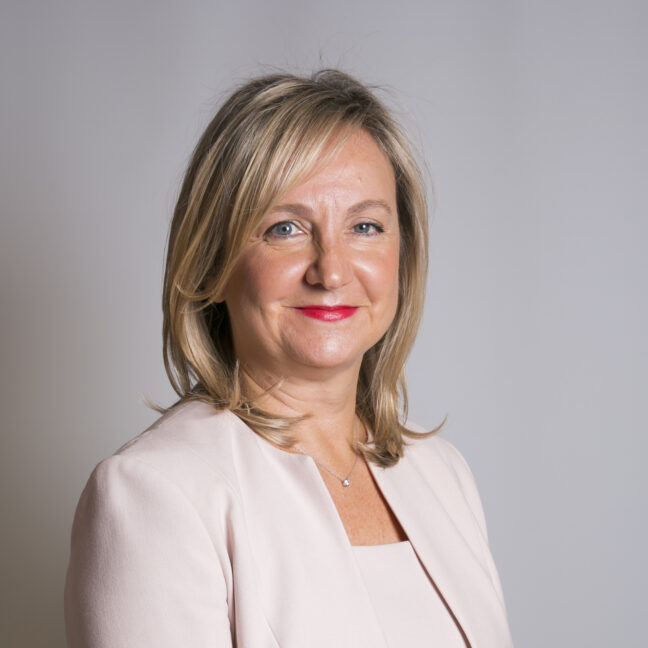
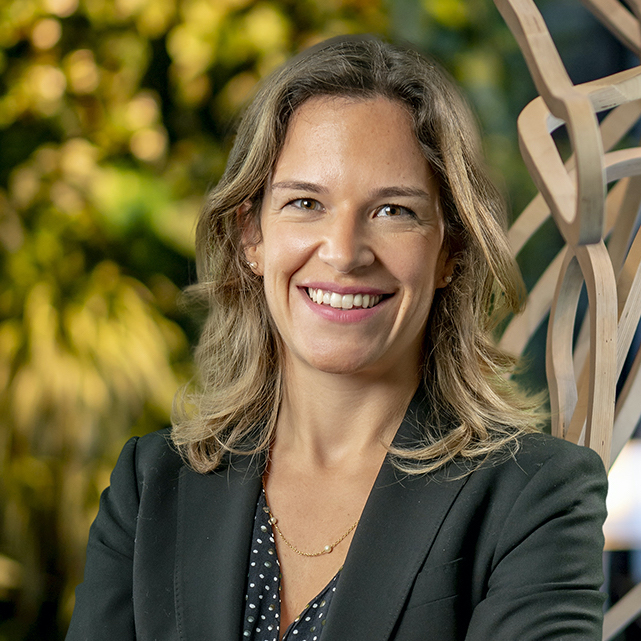
TTR DealMaker Q&A with Uría Menéndez – Proença de Carvalho Partner Joana Torres Ereio

Joana Torres Ereio Uría Menéndez – Proença de Carvalho

Joana Torres Ereio joined the Lisbon office of Uría Menéndez – Proença de Carvalho as a trainee lawyer in 2007 and become a partner in 2020. In 2011 Joana worked in the firm’s Madrid office.
Joana focuses her practice on corporate law and is particularly experienced in advising both national and international clients on:
– mergers and acquisitions,
– private equity and venture capital transactions,
– commercial agreements, including joint venture arrangements
– corporate restructurings and
– general corporate law and corporate governance matters.


TTR: How would you describe the current situation of the players in the transactional market in Portugal in this “new reality”?

J.T.E.: Last year saw high levels of transactional activity, which shows that the market adapted quickly to the pandemic and the changes it has brought about.

This notwithstanding, we now live in a new reality, where companies, oftentimes due to the pandemic, have fast-tracked their digital transformation and are being pressured to incorporate new values into their corporate cultures, in particular, those related to sustainability, driven by the ESG criteria.

The economic outlook in general is currently positive, as we see that investors at large, and funds in particular, continue to be very interested in the Portuguese market and have substantial levels of liquidity to invest. In addition, the public recovery and resilience plans foresee additional injections of funds into the economy, thus further increasing liquidity. And as year-end approaches, consolidation movements and opportunities in distressed companies are likely to increase.

In this context, we expect the high levels of activity to continue in the upcoming months.

TTR: Uría Menéndez – Proença de Carvalho is ranked by TTR as one of the top legal advisors for financial and insurance sector M&A transactions in Portugal. How do you see the growth in the sector during the first half of 2021 and what are the mid and long-term prospects?

J.T.E.: One of the reasons why the sector has grown in the first half of 2021 is the general positive economic context and the resulting market dynamism.

We have also seen significant digitalisation in the financial and insurance sector and the fintech industry, in particular, with payment platforms, artificial intelligence and blockchain solutions, all of which contribute to create innovative and promising business opportunities that are more attractive for investors.

We expect transactional activity in this sector to increase in the mid to long-term, with deals not only involving small and medium fintech companies – due to IT developments and continued digitalisation – but also more mature companies, in particular, with consolidation movements in line with what we have recently seen happening elsewhere in Europe.

TTR: Foreign acquisitions of technology and Internet companies in Portugal have increased 133% in 2021. What will be the main drivers of consolidation in these segments over the course of the year?

J.T.E.: This trend will presumably continue, mainly because Portugal has multiple technological companies that are very interesting both for funds looking for sound investment opportunities and for technological companies wanting to expand through acquisitions.

We see opportunities in technological companies with growth potential that may contribute to consolidating these segments over the course of the year, from more general companies to those operating in specific activity sectors (e.g. financial and banking, health and industry) and of different sizes, all of which opens the door to different types of deals.

TTR: What would be another three sectors that could offer the greatest opportunities in Portugal for international investors in 2021 and why?

J.T.E.: Portugal will definitely continue to be an attractive option for foreign investors, firstly, due to the favourable conditions for foreign investment but also because highly qualified human resources are available at a very competitive cost.

As to which three sectors (in addition to the technology sector) may offer the greatest opportunities, I would say those that will receive large public investment pursuant to the national recovery and resilience plan, such as infrastructures. 

Things in the energy sector also bode well, both for the more traditional renewable energies and for the production of hydrogen and exploitation of lithium.

Lastly, after last year’s downturn, the real estate sector is still recovering and should offer international investors interesting opportunities in various segments.

TTR: What will be the main challenges for Uría Menéndez – Proença de Carvalho in its M&A advisory work in Portugal in 2021 and 2022?

J.T.E.: A challenge for the M&A practice may result from having to postpone some deals until the feeling that the pandemic is under control is more widespread, as companies in the sectors that have suffered the pandemic most may not be willing to press on with them until they reach at least pre-pandemic levels of activity.

Other than this, our main challenges will presumably be the same as those of other practice areas.

We will need to adapt to new ways of working while not sacrificing our model of training young lawyers. We are already implementing a remote working policy, which reflects our commitment to evolve and adapt to the new circumstances and promote work-life balance.

Related to this, we will continue to invest in digitalisation to keep abreast of the global evolution and be ready to advise our clients in the most efficient way.

At the same time, one of our (unrelenting) challenges is to attract and retain the best talent, which requires methodical human resources management and a constant pursuit for solutions to ensure the new generations continue to feel at home at the firm and believe in its values.


Portuguese version


Joana Torres EreioUría Menéndez – Proença de Carvalho

Joana Torres Ereio integrou a Uría Menéndez – Proença de Carvalho em 2007, tendo-se tornado sócia em 2020. Em 2011, trabalhou no escritório de Madrid da Uría Menéndez.
Centra a sua atividade profissional no Direito comercial e societário, em particular, na assessoria a clientes nacionais e estrangeiros em:
– fusões e aquisições,
– operações de private equity
– contratos comerciais, incluindo acordos de joint venture
– reestruturações societárias e
– temas gerais de Direito societário e matérias de governo corporativo.


TTR: Como você descreveria a situação atual dos players no mercado transacional em Portugal nesta “Nova Realidade”?

J.T.E.: No último ano registaram-se níveis elevados de atividade transacional, o que demonstra que o mercado rapidamente se adaptou ao contexto pandémico.

Não obstante, é inegável que vivemos, hoje, numa nova realidade, em que as empresas, em muitos casos por força da pandemia, aceleraram o seu processo de transformação digital e estão a ser pressionadas para incorporar novos valores na sua cultura empresarial, em particular, valores relacionados com sustentabilidade, impulsionados pelos critérios ESG. 

Atualmente, as perspetivas económicas são, em geral, otimistas, assiste-se a um grande interesse dos investidores em geral, e dos fundos em particular, pelo mercado português e com níveis consideráveis de liquidez disponível para investir, a que se junta a injeção de fundos prevista no âmbito dos programas públicos de recuperação e resiliência. Além disso, é provável que com o aproximar do fim do ano assistamos ao aumento dos movimentos de consolidação e de oportunidades em empresas distressed.

À luz deste contexto, a nossa expetativa é a de que continuemos a ter um nível de atividade elevado nos próximos meses.

TTR: Uría Menéndez – Proença de Carvalho é um dos principais assessores de M&A no setor financeiro e de seguros em Portugal de acordo com o ranking jurídico do TTR. Como você avalia o crescimento do setor no primeiro semestre de 2021 e quais as perspetivas a médio e longo prazo?

J.T.E.: O crescimento do setor no primeiro semestre de 2021 pode explicar-se, por um lado, pelo contexto económico geral positivo e consequente dinamismo do mercado. 

Por outro lado, estamos a assistir a um verdadeiro boom da digitalização no setor financeiro e dos seguros e do movimento fintech, nomeadamente, com o surgimento das plataformas de pagamento, soluções de inteligência artificial e de tecnologia blockchain, o que exponencia a criação de negócios inovadores e promissores nesta área, e, em resultado, torna o setor mais atrativo para os investidores.

No médio e longo prazo antecipamos que o movimento transacional no setor se intensifique, não só no segmento de deals em pequenas e médias empresas de fintech, fruto do desenvolvimento tecnológico e do processo contínuo de digitalização, mas também no plano das empresas mais maduras, em particular, com alguns movimentos de consolidação, em linha com o que temos vindo a assistir recentemente noutros países da Europa.

TTR: As aquisições por compradores estrangeiros de empresas de tecnologia e Internet em Portugal aumentaram 133% em 2021. Quais serão os principais vetores de consolidação desses segmentos ao longo do ano?

J.T.E.: Tudo indica que este movimento se vai manter, essencialmente por existirem em Portugal múltiplas empresas tecnológicas que são seguidas com grande interesse quer por fundos à procura de oportunidades interessantes de investimento, quer por empresas do setor tecnológico que pretendem expandir os seus negócios através de aquisições.

Vemos várias oportunidades em empresas tecnológicas com potencial de crescimento que poderão contribuir para a consolidação destes segmentos ao longo do ano, quer empresas mais generalistas, quer empresas que operam em setores específicos de atividade (a título de exemplo, banca e seguros, saúde e indústria) e de dimensão variada, contribuindo assim para o aumento potencial de deals de tipos distintos.

TTR: Quais seriam os outros três setores que poderiam oferecer as maiores oportunidades em Portugal para investidores internacionais em 2021 e porquê?

J.T.E.: Portugal continuará sem dúvida a ser uma excelente opção para os investidores estrangeiros, desde logo, pelas condições favoráveis ao investimento estrangeiro, bem como pela qualificação dos recursos humanos a custos muito competitivos.

Tendo de apontar três setores específicos (além do setor tecnológico), começaria por referir as oportunidades relevantes que poderão surgir no âmbito dos grandes investimentos públicos promovidos pelo programa de recuperação e resiliência, em especial, em infraestruturas. 

Por outro lado, o setor da energia promete continuar a ser um dos mais ativos, tanto no que diz respeito às energias renováveis mais tradicionais, como na aposta na produção de hidrogénio e na exploração de lítio.

Por fim, depois de um abrandamento no último ano, o setor do imobiliário deverá continuar o seu ciclo de recuperação e proporcionar igualmente oportunidades interessantes nos seus vários segmentos.

TTR: Quais serão os principais desafios da operação de M&A em Portugal durante 2021 e 2022 para a Uría Menéndez – Proença de Carvalho?

J.T.E.: Um desafio específico do M&A poderá advir do possível adiamento de algumas transações até que se verifique uma sensação generalizada de controlo da pandemia, justificado por empresas dos setores de atividade mais penalizados quererem atingir pelo menos níveis de atividade semelhantes aos do pré-Covid-19 antes de irem para o mercado.

No demais, creio que os principais desafios que vamos enfrentar são comuns às demais áreas da advocacia.

Um dos nossos maiores desafios será certamente a adaptação às novas formas de trabalho, sem descurar o nosso modelo de formação dos advogados mais juniores. Estamos já a implementar uma política de teletrabalho, reflexo da nossa vontade de evolução e adaptação aos novos tempos e de valorização da conciliação da vida pessoal e profissional.

Relacionado com este ponto, continuaremos a nossa aposta contínua na digitalização, de forma a acompanharmos a evolução global e a estarmos sempre preparados para dar resposta aos nossos clientes da forma mais eficiente possível.

Em paralelo, mantemos como um dos nossos (permanentes) desafios a captação e retenção do melhor talento, o que exige uma cuidada gestão das pessoas e uma constante busca de soluções para que as novas gerações se continuem a sentir identificadas com a firma e a vestir a nossa camisola.

Dealmaker Q&A

Content available in English and Spanish (scroll down)

TTR DealMaker Q&A with Ontier M&A Director Víctor Artola Recolons

Víctor Artola RecolonsOntier


TTR: Ontier is one of the leading advisors on tech deals in Spain. What are the most significant drivers for consolidation of this sector in the mid- and long-term?  

V. A.: The technology sector is a very attractive growth sector that has already consolidated its position. If you add the sustainability component, it can be a perfect combination. This is precisely one of the drivers that can play a major role in this area, the inclusion of sustainability as part of the value. 

Apart from this, there are other drivers in the form of new investment mechanisms, such as SPACs, in which the ” education” and knowledge of the sector  will also be important.  

TTR: What would be another two sectors that could offer the greatest opportunities in Spain for international investors in 2021 and why? 

V. A.: There are undoubtedly two sectors that are already attracting a lot of investors and whose market attractiveness continues to grow.

On the one hand, the renewable sector is an area in which Spain has positioned itself very strongly. In fact, there are several foreign SPACs focused on the renewable sector that are looking very closely at the Spanish market.

Likewise, the agricultural sector is another area in which we are strong. Both the number and volume of deals continue to rise and the know-how of the Spanish sector in new processes is an important competitive advantage in the sector.

TTR: What are the prospects for the health sector in Spain?

V. A.: Increase of the number of mergers and operational restructurings. The latest studies show that more than 50% of the Spanish companies in the healthcare sector had to undertake some type of restructuring / refinancing in 2020. In 2021 these numbers have dropped considerably, but the number of mergers is expected to grow.

TTR: Considering your experience in Private Equity, how do you expect this type of investment to evolve in 2H21?

V. A.: On a clear upward trend. The numbers for the first half of the year clearly show a recovery compared to the same period in 2020 and the expectations for the second half of the year indicate a continued growth line that will reflect the reduced impact of the pandemic as a result of the pace of vaccination. 

While the numbers for the second semester are good, the type of M&A operations expected are more specific, focused on sectors such as digital development or sustainability.

TTR: What will be the greatest challenges for Ontier in its M&A advisory work in Spain in 2H21? 

V. A.: There are two main issues that can play an important role in the M&A market this last semester. The first one is to adapt to the De-Spacking transactions that can come from the American SPACs mainly which come to Europe to look for targets. This kind of transactions are complex deals which involve different jurisdictions and which will probably increase in the following months.

On the other hand, all the distress M&A will continue to be a challenge in the Spanish M&A market, especially considering the approval of a new Insolvency Law. More and more, stakeholders lose “fear” to the insolvency proceedings to complete M&A transactions.


Spanish version


Víctor Artola RecolonsOntier

Víctor Artola es Licenciado en Derecho por la Universidad de Oviedo desde el año 2012. Completó su formación en las universidades de Sheffield (UK), London School of Economics (LSE), Oxford e Instituto de Empresa (IE), donde completo un MBA en el año 2019.
Se incorporó a la oficina de ONTIER Oviedo en 2011 y, posteriormente, a las oficinas de Madrid en septiembre de 2012, habiendo realizado asimismo estancias en las oficinas de ONTIER Lisboa y ONTIER Londres. En enero de 2021, asume la codirección del área de M&A de Ontier España. Su trayectoria ha sido reconocida por otros directorios como Iberian Lawyer o Legal 500, en los que ha sido nombrado Rising Star a pesar de su corta edad.
Ha participado en operaciones de primer nivel tanto de M&A como de Mercado de Capitales y, en la actualidad, lidera el Ontier Spacs Team, equipo dedicado al asesoramiento en el ámbito de las Special Purpose Vehicles, operaciones que guardan un importante componente transfronterizo.
En el ámbito académico, es profesor colaborador del Instituto de Empresa (IE) y, en el campo de la investigación, ha completado su Tesina sobre fusiones transfronterizas en la Universidad de Oviedo obteniendo una calificación de Matrícula de Honor.


TTR: Ontier ha sido uno de los principales asesores líderes en operaciones de tecnología en España, ¿Cuáles serán los drivers más relevantes para la consolidación de este sector en el mediano y largo plazo?  

V.A.: El sector tecnología constituye un sector growth muy atractivo y que ya ha consolidado su posición. Si encima le añades el componente de la sostenibilidad puede ser una combinación perfecta. Precisamente este es uno de los drivers que pueden jugar un papel más importante en este sector, la inclusión de la sustainibility como parte de valor. 

Aparte, hay otros drivers en forma de nuevos mecanismos de inversión, como las SPACs, en las que también será importante la “culturización” y conocimiento del sector en este sentido. 

TTR: ¿Cuáles serían otros dos sectores que podrían ofrecer las mayores oportunidades en España a los inversores internacionales en 2021 y por qué? 

V.A.: Sin duda hay dos sectores que atraen ya mucho a inversores y cuyo atractivo en el mercado sigue creciendo. 

Por un lado el sector de las renovables es un sector en el que España se ha posicionado de manera muy fuerte. Precisamente hay varias SPACs extranjeras focalizadas en el sector de renovables y que miran muy de cerca el mercado español. 

Asimismo, el sector agro es otro en el que somos potentes. Tanto el numero como el volumen de los deals sigue subiendo y el know how del sector español en nuevos procesos supone una importante ventaja competitiva en el sector. 

TTR: En cuanto al sector Salud, ¿cuáles son las perspectivas para España? 

V.A.: Incremento del número de fusiones y de restructuraciones operativas. Los últimos estudios reflejan que más de un 50% de las empresas españolas del sector salud tuvieron que acometer algún tipo de restructuración /refinanciación en 2020. En 2021 estos números han bajado considerablemente, pero se prevé que se incremente el número de concentraciones. 

TTR: Teniendo en cuenta su experiencia en Private Equity, ¿cómo espera que evolucione este tipo de inversión en el segundo semestre de 2021? 

V.A.: En clara línea ascendente. Los números del primer semestre claramente muestran una recuperación con respecto al mismo periodo de 2020 y las perspectivas para el segundo semestre indican una línea de crecimiento continua que reflejará el menor impacto de la pandemia como consecuencia del ritmo de vacunación. 

Si bien es cierto que los números para el segundo semestre son buenos, el tipo de M&A que se prevé es más específico, centrado en sectores como digital develoment o suitanability.  

TTR: ¿Cuáles serán los principales desafíos en términos de transacciones de M&A en España en el segundo semestre de 2021 para Ontier? 

V.A.: Hay dos factores que pueden jugar un papel importante en el M&A de este segundo semestre. Por un lado la adaptación a los De-Spacs (operaciones de fusión/adquisición de empresas) de las SPACs extranjeras, especialmente las americanas. Supone un tipo de deal distinto, multijurisdiccional y que se va a ver cada vez más en el mercado.

Por otro lado la realización de operaciones distress en medio de la aprobación de una nueva Ley Concursal que se está preparando también es un importante reto para el sector. El mercado español es muy atractivo y cada vez hay más stakeholders que pierden el “miedo” a realizar operaciones en concurso.

Dealmaker Q&A

Content available in English and Spanish (scroll down)

TTR DealMaker Q&A with Udekta Capital and Udekta Corporate Founding Partner and Director Juan Sainz de los Terreros

Juan Sainz de los TerrerosUdekta Capital and Udekta Corporate

Founding partner and director of Udekta Capital, an independent investment vehicle focused on European microcaps. Founding partner and director of Udekta Corporate, a financial boutique specialised in alternative stock markets and dedicated to advising companies.


TTR: Udekta Capital was set up in December 2016 as an independent and pioneering investment vehicle to invest in BME Growth companies (former MAB) and pre-market companies (pre-MAB). How did the idea come about?

J.S.T.: After several years working in the financial sector and after several private investments in companies listed on the former MAB, now called BME Growth, a small group of people decided to create a private investment vehicle focused on small listed companies in Spain. We all understood that the potential of these companies was spectacular, after a good job of analysis and monitoring and with a long-term vision. There was hardly anything like it in the whole sector. Microcaps were not an attractive asset for the industry for various reasons such as liquidity and volatility, among others. Therefore, not only did we think that this vehicle was going to give us great results after a reasonable period of time, but we also understood that it was very interesting to demonstrate to the industry that this type of asset has a lot of potential, if done from a professional perspective, and that more vehicles of this type should be created in Spain.

TTR: Udekta Capital was set up with an initial capital of 200,000 euros with the idea of investing in four or five companies. What is the current status of the vehicle?

J.S.T.: We wanted to start with a small amount as we were aware of the investment limits in this type of company. Today we are around one million euros and we have gone from being 8 shareholders to 17 in these four and a half years of the vehicle’s life. We are invested in 14 companies. We have made some divestments and our main positions are: GUILLEMOT, GIGAS, ALTIA and IZERTIS.

TTR: Initially, Udekta Capital focused on companies listed in the EE segment, not in Socimis, and had no predilection for any sector. Have you changed the criteria?

J.S.T.: We remain focused on Growth Companies in any sector except SOCIMIS but we have made the leap to European microcaps. We are invested in two listed on Euronext (Paris) and one listed on AIM (London).

There are several sectors that are going to have a very positive trend over the next few years and that will be interesting to invest in. Among them we could highlight the ICT sector, telemedicine and eSports.

TTR: The Mercado Alternativo Bursátil (MAB) changed its name in 2020 and is now called BME Growth, after obtaining SME Growth Market status, granted by the Spanish Securities Market Commission (CNMV) and recognised by MiFID. What significant changes have there been since then?

J.S.T.: From our point of view, there is not much new after the change of name or the upgrading of SME Growth Market. It is still an alternative stock market aimed at small and medium-sized companies, although it is true that it has the European seal of quality as SME Growth Market and that it’s more open to the international market.

TTR: What kind of companies are currently listed on BME Growth, are they trading at interesting prices and are they achieving the expected returns?

J.S.T.: We always find interesting opportunities in BME Growth. There are more and more companies with attractive expansion projects. As in all markets, we will find good and bad companies. But with a good selection, the returns are extraordinary. The shareholders of Udekta Capital are very satisfied with the results we have obtained in the four and a half years of the vehicle’s life. In this period, we have more than doubled the return on our investments.

TTR: What would it take for BME Growth in Spain to reach the same market level as in other countries?

J.S.T.: I believe that more companies need to join, more information about the asset class needs to be made available, more training needs to be offered to entrepreneurs to support them in the process of joining the market, and the risks and opportunities of investing in microcaps need to be explained to investors.

TTR: What are the keys for an SME to decide to go public in Spain?

J.S.T.: In general terms, I would say that an SME must be clear that listing on the stock market is possible and that it brings many benefits in terms of financing, visibility, notoriety, liquidity of its shares and having a valuation of the company accepted by the market. From there, entrepreneurs and managers of companies that want to be listed on a market such as BME Growth must be aware that being a listed company requires professionalism, transparency, budgeting for higher structural costs and offering special dedication in terms of investor relations.

TTR: The technology sector and renewable energies are the sectors that seem to have seen the greatest evolution in the M&A and private equity sector in recent months. Which sectors do you see as having the best medium-term prospects?

J.S.T.: From our point of view, there are several sectors that are going to have a very positive trend over the next few years and that will be interesting to invest in. Among them we could highlight the ICT sector (Information and Communication Technologies), all companies related to telemedicine and the eSports sector.

Udekta Sports will have a life of its own in the medium term, although it is now being developed within Udekta Capital and we have invested in the Olympique de Lyon Group, which has a number of assets in addition to the men’s and women’s football teams.

TTR: In parallel to the creation of Udekta Capital, UDEKTA Corporate was created as a financial boutique dedicated to advising companies, mainly in the steps prior to their listing on the MAB. How has your activity evolved?

J.S.T.: We are seeing an increase in the interest of SMEs in going public and this situation is very important to us. In 2017, we created Udekta Corporate with the aim of advising companies in different areas (legal, financial, labour…) and with the differentiation of being a boutique specialising in alternative stock markets. There is no doubt that the growth in the number of companies listed on the BME Growth in recent years and the success stories that this market has produced, such as MASMOVIL or GRENERGY, are helping to attract more companies. 

UDEKTA Corporate’s activity is growing year after year. We are currently working with several listed companies in this market in the field of Investor Relations. In addition, we are advising other unlisted companies. The timeframe we usually set ourselves for coordinating a listing on a market such as BME Growth is between 18 and 24 months. In this sense, we expect some of these companies to be listed on this market in 2022.

TTR: At the end of 2019 you announced the creation of Udekta Sports, an investment vehicle focused on European football teams listed on the stock markets. How is this project going?

J.S.T.: As we know, March 2020 was a life-changing month for us with the appearance of Covid-19. We had high expectations for the project, but we had to put it on hold for a while. Logically, creating an exclusive vehicle to invest in football teams and in any sport when stadiums were empty, people were confined and uncertainty was at its peak, made us put the project on “pause”. 

However, what we have done is to invest in an internationally listed football club through Udekta Capital. Specifically, we have invested in the Olympique Lyon Group which owns, among other assets, the men’s and women’s football teams of Olympique Lyon itself. The investment thesis is almost single-handedly supported by the football stadium as a real estate asset. For us, this asset would be worth considerably more than the capitalisation and debt of the club. The stadium, in addition to being the field where the football team plays, supports other corporate events, concerts and many activities other than those related to the football club. In fact, even if the football team were to disappear, the stadium would already have a higher valuation than its stock market valuation. In short, Udekta Sports is currently being developed within Udekta Capital, but we want it to take on a life of its own as soon as possible.


Spanish version


Juan Sainz de los TerrerosUdekta Capital and Udekta Corporate

Socio fundador y consejero de Udekta Capital, vehículo de inversión independiente con el foco puesto en las microcaps europeas. Además, es socio fundador y consejero de Udekta Corporate, boutique financiera especializada en mercados alternativos bursátiles y dedicada al asesoramiento a empresas.


TTR: Udekta Capital se constituyó en diciembre de 2016 como vehículo de inversión independiente y pionero para invertir en empresas del BME Growth (antiguo MAB) y en compañías preMercado (preMAB). ¿Cómo surge la idea? 

J.S.T.: Tras varios años trabajando en el sector financiero y tras varias inversiones particulares en compañías cotizadas en el antiguo MAB, actualmente denominado BME Growth, un pequeño grupo de personas decidimos crear un vehículo privado cuyo foco de inversión estuviera en las pequeñas compañías cotizadas en España. Todos entendíamos que el potencial de estas empresas era espectacular, tras un buen trabajo de análisis y seguimiento y con una visión de largo plazo. Apenas existía nada parecido en todo el sector. Las microcaps no eran un activo atractivo para la industria por varios motivos como la liquidez y la volatilidad, entre otros. Por lo tanto, no sólo pensábamos que este vehículo nos iba a dar grandes resultados transcurrido un periodo razonable de tiempo, si no que entendimos que era muy interesante demostrar a la industria que este tipo de activos tienen mucho potencial, si se realiza desde una perspectiva profesional, y que en España deben crearse más vehículos de estas características.

TTR: Udekta Capital se constituyó con un capital inicial de 200.000 euros con la idea de invertir en cuatro o cinco compañías. ¿En qué momento se encuentra el vehículo actualmente? 

J.S.T.: Queríamos empezar con una cantidad pequeña dado que éramos conscientes de los límites de inversión en este tipo de compañías. Hoy estamos por el entorno del millón de euros y hemos pasado de ser 8 accionistas a ser 17 en estos cuatro años y medio de vida del vehículo. Estamos invertidos en 14 compañías. Hemos ido realizando algunas desinversiones y nuestras principales posiciones son: GUILLEMOT, GIGAS, ALTIA e IZERTIS.

TTR: Inicialmente Udekta Capital se centró en compañías que cotizan en el segmento de Empresas en Expansión (EE) no en Socimis y no tenía predilección por ningún sector. ¿Habéis cambiado los criterios?

J.S.T.: Seguimos centrado en las Empresas en Expansión de cualquier sector salvo las SOCIMIS pero hemos dado el salto a las microcaps europeas. Estamos invertidos en dos que cotizan en el Euronext (Paris) y en una que cotiza en el AIM (Londres).

TTR: El Mercado Alternativo Bursátil (MAB) cambió de nombre en 2020 y actualmente se denomina BME Growth, una vez obtenida la categoría de SME Growth Market, otorgada por la Comisión Nacional del Mercado de Valores (CNMV) y reconocida por MiFID. ¿Qué cambios significativos ha habido desde entonces?

J.S.T.: Desde nuestro punto de vista no hay grandes novedades tras el cambio de nombre ni tras la obtención de categoría de SME Growth Market. Sigue siendo un mercado alternativo bursátil dirigido a pequeñas y medianas compañías, aunque es cierto que tiene el sello de calidad de Europa como SME Growth Market y que se abre más al mercado internacional.

TTR: ¿Qué tipo de empresas cotizan actualmente en el BME Growth? ¿Cotizan a precios interesantes? ¿Están obteniendo la rentabilidad que se presupone?

J.S.T.: Siempre encontramos oportunidades interesantes en el BME Growth. Cada vez hay más empresas con proyectos atractivos en expansión. Como en todos los mercados, nos encontraremos buenas y malas compañías. Pero haciendo una buena selección, las rentabilidades son extraordinarias. Los accionistas de Udekta Capital estamos muy satisfechos con los resultados que hemos obtenido en los cuatro años y medio de vida del vehículo. En este periodo, hemos obtenido una rentabilidad de más del doble en nuestras inversiones.

TTR: ¿Qué sería necesario para que el BME Growth en España se sitúe al mismo nivel de mercado en otros países?

J.S.T.: Creo que es necesario que se incorporen más compañías, que exista más información sobre esta clase de activo, que se ofrezca más formación a empresarios para apoyarles en el proceso de incorporación al Mercado y que se explique bien a los inversores todo sobre los riesgos y las oportunidades de invertir en microcaps.

“Hay varios sectores que van a tener una tendencia muy positiva durante los próximos años y que serán interesantes a la hora de invertir. Entre ellos podríamos destacar el sector TIC, la telemedicina y los esports.”

TTR: ¿Cuáles son las claves para que una pyme pueda decidirse a salir a Bolsa en España?

J.S.T.: En términos generales diría que una pyme tiene que tener claro que cotizar en Bolsa es posible y que le aporta muchos beneficios en términos de financiación, visibilidad, notoriedad, liquidez de sus acciones y tener una valoración de la compañía aceptada por el mercado. A partir de ahí, los emprendedores y directivos de las compañías que quieran cotizar en un mercado como el BME Growth tienen que saber que ser una empresa cotizada exige profesionalización, transparencia, presupuestar unos mayores costes de estructura y ofrecer una dedicación especial en materia de relación con inversores.

TTR: El sector tecnológico y el de las energías renovables son los que mayor evolución parecen tener en el sector de M&A y capital riesgo en los últimos meses. ¿Qué sectores apreciáis que tienen mejores perspectivas a medio plazo?

J.S.T.: Desde nuestro punto de vista hay varios sectores que van a tener una tendencia muy positiva durante los próximos años y que serán interesantes a la hora de invertir. Entre ellos podríamos destacar el sector TIC (Tecnologías de la Información y Comunicación), todas las empresas relacionadas con la telemedicina y el sector de los esports.

TTR: En paralelo a la creación de Udekta Capital, nació UDEKTA Corporate como boutique financiera dedicada al asesoramiento a empresas, principalmente en los pasos previos a la salida al MAB. ¿Cómo ha evolucionado vuestra actividad?

J.S.T.: Estamos observando un incremento del interés de las pymes por cotizar y esta situación es muy importante para nosotros. En 2017, creamos Udekta Corporate con el objetivo de asesorar a empresas en distintos ámbitos (legal, financiero, laboral…) y con la diferenciación de ser una boutique especializada en mercados alternativos bursátiles. Sin duda que el crecimiento del número de empresas cotizadas en el BME Growth en estos últimos años y los casos de éxito que está dejando este mercado, como por ejemplo MASMOVIL o GRENERGY, ayudan mucho a atraer más compañías. 

La actividad de UDEKTA Corporate crece año tras año. A día de hoy trabajamos con varias compañías cotizadas en este mercado en el terreno de la Relación con Inversores. Además, estamos asesorando a otras compañías no cotizadas. El plazo que nos solemos poner para coordinar una incorporación a un mercado como el BME Growth se sitúa entre 18 y 24 meses. En este sentido, esperamos que alguna de estas empresas esté cotizando en este mercado en 2022.

Udekta Sports tendrá vida propia a medio plazo, aunque ahora se está gestando dentro de Udekta Capital y hemos invertido en el Grupo Olympique de Lyon, que tiene diversos activos, además de los equipos de fútbol masculinos y femeninos.

TTR: A finales de 2019 anunciasteis la creación de UDEKTA Sports, un vehículo de inversión enfocado en los equipos de fútbol europeos que coticen en los mercados de valores. ¿Cómo va este proyecto? 

J.S.T.: Como sabemos, marzo de 2020 fue un mes que nos cambió la vida con la aparición del Covid-19. Teníamos muchas expectativas con el proyecto, pero lo hemos tenido que aparcar durante un tiempo. Lógicamente, crear un vehículo exclusivo para invertir en equipos de fútbol y en cualquier deporte cuando los estadios estaban vacíos, la gente estaba confinada y la incertidumbre era máxima, hizo que pusiéramos el proyecto en “pause”. 

De todas formas, lo que hemos hecho es invertir en un club de fútbol cotizado internacional a través de Udekta Capital. En concreto, hemos invertido en el Grupo Olympique de Lyon que tiene, entre otros activos, a los equipos de fútbol masculinos y femeninos del propio Olympique de Lyon. La tesis de inversión la sustenta casi por sí sola el estadio de fútbol como activo inmobiliario. Para nosotros, este activo valdría bastante más que la capitalización y la deuda del club. El estadio, además de ser el campo donde juega el equipo de fútbol, sustenta otros eventos de empresas, conciertos y muchas actividades aparte de las relacionadas con las del club de fútbol. En realidad, aunque desapareciera el equipo de fútbol, el estadio tendría ya una tasación superior a su valoración en Bolsa. En definitiva, Udekta Sports se está gestando ahora mismo dentro de Udekta Capital pero queremos que tenga vida propia lo más pronto posible.

Dealmaker Q&A

Content available in English and Spanish (scroll down)

TTR DealMaker Q&A with Datasite Country Head Iberia-Italy Álvaro Ortega

Álvaro OrtegaDatasite

Álvaro Ortega, Country Manager for Italy & Iberia at Datasite since 2010. Alvaro has more than 20 years of experience in the Fintech sector, capital markets and M&A in various countries. He is also a Treasurer and a member of the board of ACG (Association for Corporate Growth) in Madrid.
Datasite is a leading SaaS provider for the M&A industry, empowering dealmakers around the world with the tools they need to succeed across the entire deal lifecycle. We are the place #wheredealsaremade.


TTR: M&A activity has bounced back in Q1 after a difficult 2020. What drove M&A activity in Q1 in EMEA and Spain, and will it last?

A. O.: M&A globally saw a strong first quarter and EMEA was a big contributor to this success. Deal value in EMEA increased 40% yoy in Q1 2021, from €193.1bn in Q1 2020 to €269.8bn, and deal volume climbed 14% from 1,918 deals in Q1 2020 to 2,196 transactions in Q1 2021 (Deal Drivers: EMEA Q1 2021).  

At Datasite, new projects on our platform, which are deals at their inception rather than announced, are skyrocketing: +21% in January, +12% in February, +67% in March and +80% in April.

While no one has a crystal ball to know what really lies ahead for M&A, signs are positive that the upward trend may continue. With more countries rolling out vaccines, more people being vaccinated, and more restrictions beings eased, life is starting to return to a bit more of a ‘normal’. As mentioned in our Deal Drivers: EMEA Q1 2021 report, Iberia & Italy, Spanish GDP is set to grow at 6.4% in 2021, and Italy is projected to see 4.2% GDP growth in 2021 and Portugal 3.9%. Stock markets in the region were also pointing in the right direction at the end of Q1: Italy’s FTSE MIB is up 10.18% for the year, Spain’s IBEX 35 has gained 8.91%, and Portugal’s PSI 20 index has made more modest gains.

Lastly, effective interest rates remain negative and PE dry-powder remains at historically maximum levels; therefore, it is hard to believe M&A activity will slow down in the short to medium term.

TTR: What types of deals and sectors drove this positive activity?

A. O.: With regards to the type of transactions, most on our platform are still being driven by positive sell-side or traditional mergers and acquisitions. However, the percentage of new projects on our platform that are distressed situations has increased in the last 12 months. Currently, it’s at about 17% compared to the usual 7% in normal times, and this could become higher, especially as government intervention subsides. 

Dealmakers are also telling us this is the case. We polled dealmakers across EMEA during our webinars this spring to find out their thoughts on future activity, and they told us that they expect PE and corporate carve-outs/divestures/restructurings to be the largest drivers of activity going forward. 

In EMEA, we’ve already seen the impact of PE deals in Q1. Per our Deal Drivers: EMEA Q1 2021 report, total PE deal value came to €11.1bn, a 9% rise on the previous quarter and a 54% rise on Q1 of the previous year. Volume also rose yoy, by 33% to a total of 694 deals. In terms of sectors, TMT was unsurprisingly the winner, with deal value up 217% yoy, rising from €25.1bn to €79.5bn, and accounted for five of the ten biggest deals in the region. 

This held true for Iberia & Italy, too. Deal value for the region was been boosted by thriving activity in the TMT sector, which was the largest industry by value in the region in Q1 2021. Year on year, total TMT deal value increased sevenfold from €1.4bn to €9.7bn.

TTR: In terms of distressed deals, how can dealmakers leverage technology to get ahead?

A. O.: When we surveyed 860 dealmakers from EMEA for our New State of M&A: EMEA report, 93% of them said that the ability to load large volumes of data quickly would be the most useful tool for restructurings, followed by email outreach to creditors (71%), and integrated redaction (60%). In Southern Europe, the majority of dealmakers there (79%) also believe that loading large volume of data quickly and email outreach (72%) would be the most useful in restruturings, but machine intelligence around categorization and indexing took predence (50%) over integrated redaction (43%), perhaps indicating that the initial steps in the process are crucial to success there.

And with government moratoria around bank loans due to expire in some countries this autumn, NPL levels of portfolio sales, which have been lower than in previous years, could rapidly increase as early as H2 2021, but surely by 2022. Bank loans worth €23.2bn are currently subject to COVID-19-inspired moratoria in Spain, Portugal, and Greece (White & Case), suggesting increased activity later in the year. Therefore, opportunities may abound for some dealmakers and speed and efficiency, through the right technology, will be of utmost importance in getting these deals done.

TTR: How will COVID-19 continue to impact the M&A space this year? 

A. O.: As mentioned above, more and more people are being vaccinated every day, globally. This is good news for the global economy and business in general as it helps tame uncertainty and market volatility. However, it doesn’t take away from how crucial technology has become and will continue to be in delivering services, engaging with customers, and providing business continuity. 

We expect more companies will turn to M&A to strengthen their digital infrastructure and capabilities. At the same time, the pandemic has also increased the focus on core business lines, and many companies will consider divesting non-core assets. Additionally, since we expect to see a higher volume of deals this year, this may mean higher valuations and more competition for dealmakers. Therefore, dealmakers will need to further digitalize the M&A process if they hope to compete and get deals done. We are observing high levels of movement across the M&A labor market, which is a clear indication that a positive market is here to stay despite any ongoing COVID-19 considerations.

TTR: What types of technologies will have the most transformative impact for M&A dealmakers?

A. O.: When we asked dealmakers in Southern Europe (for our New State of M&A report) about how they expect technology will change the M&A process going forward, including what technology would have the most transformational impact for them, the majority said it will be new technologies and innovations around analytics – because the amount of and need for data has increased. They need machine learning and artificial intelligence to help them get the most important pieces of information that they should focus on.

We’ve seen this in terms of custom analytics and predicting buyer behavior – who engages and who doesn’t, who and how they interact with the due diligence materials that you provide to them. There’s a lot of work involved with predicting who you should engage with and how you’re going to finish the deal if you’re selling an asset. With regard to acquiring businesses, we’re starting to see fast adoption of Datasite Acquire, which helps automate the onboarding of data from the different workstreams associated with it. The pandemic has accelerated the trend towards digitization and the use of data analytics has increased. But it’s not only about working remotely; it’s also about a shift towards technology overall, from origination, to due diligence to deal closing.

TTR: What will be the main challenges in Spain for Datasite in 2021?  

A. O.: The overall outlook remains extremely positive thanks to all the details shared previously. Not just for Spain, but in general for the M&A markets. Potential risk concerns remain on the horizon, though, as any negative news regarding vaccination rates or new COVID variants could quickly derail the current dealflow. 

In particular for the Spanish market, besides COVID, potential inflation spikes are becoming an ever more prevalent opion/risk, which could impact M&A volumes, but as always, the type of impact whether negative or positive, will always depend on which side of the deal you are on.  

Additionally, Real Estate and Tourism remain core sectors for the Spanish market. Further extensions of extraordinary government-backed credit terms could further delay M&A transactions, which could have otherwise started already.


Spanish version


Álvaro OrtegaDatasite

Álvaro Ortega es Country Manager para Iberia e Italia en Datasite desde 2010 y cuenta con una experiencia de más de 20 años en el sector Fintech, mercados de capitales y M&A en diversos países. Así mismo es tesorero Y miembro del consejo de ACG (Association for Corporate Growth) en Madrid. 
Con una experiencia de mas de 100.000 proyectos de M&A, Datasite ayuda a sus clientes a cubrir multiples aspectos de sus transacciones estratégicas, desde el origen y el marketing, al seguimiento y due dilligence de las mismas. Contamos con los mejores equipos profesionales y tecnología puntera para garantizar que los proyectos de M&A se lleven a cabo de la manera más rápida, sencilla y segura.


TTR: Después de un 2020 complicado, la actividad de M&A se recuperó durante primer trimestre del 2021. ¿Qué impulsó este tipo de actividad durante el primer trimestre en la región EMEA y España? ¿Durará este repunte?

A. O.: A nivel global, las operaciones de M&A registraron unos datos satisfactorios durante primer trimestre, y la región EMEA contribuyó en gran medida a este éxito. El valor de las transacciones en esta región aumentó un 40% interanualmente durante el primer trimestre de 2021 (de 193.100 millones de euros en el primer trimestre de 2020 a 269.800 millones de euros) y el volumen de transacciones aumentó un 14% (de 1.918 transacciones en el primer trimestre de 2020 a 2.196 transacciones en el mismo periodo de 2021) (Deal Drivers: EMEA Q1 2021).  

El volumen de proyectos de Datasite (transacciones que todavía se encuentran en fase I o fase II y no se han anunciado) se está disparando: +21% en enero, +12% en febrero, +67% en marzo y +80% en abril.

Nadie tiene una bola de cristal para adivinar lo que el futuro depara para las operaciones de M&A, pero los buenos augurios predicen que se mantendrá esta tendencia alcista. Gracias a que cada vez más países impulsan campañas de vacunación, cada vez más gente reciben sus dosis y las restricciones siguen aliviándose; así, la vida empieza a recobrar cierta normalidad. Como recoge nuestro informe «Deal Drivers: EMEA Q1 2021», que trata los datos de la Península Ibérica e Italia, el PIB español crecerá un 6,4% en 2021. También se prevé que Italia experimente un crecimiento del PIB del 4,2% en 2021 y Portugal del 3,9%. Asimismo, los mercados de valores de la región terminaron el primer trimestre bien encaminados: el FTSE MIB de Italia ha crecido un 10,18% durante el año y el IBEX 35 de España ha aumentado un 8,91%, mientras que el índice PSI 20 de Portugal ha obtenido beneficios más modestos.

Por último, las tasas de interés efectivas siguen siendo negativas y el “Dry Powder” del capital riesgo se mantiene en máximos históricos. Por tanto, no es nada probable que la actividad de M&A vaya a desacelerarse a corto o medio plazo.

TTR: ¿Qué tipo de transacciones y sectores han impulsado esta actividad positiva?

A. O.: Con respecto al tipo de transacciones, en nuestra plataforma, la mayoría todavía están impulsadas por operaciones de M&A tradicionales. Sin embargo, el porcentaje de nuevos proyectos que se consideran “distressed” ha aumentado en los últimos doce meses. A día de hoy, este tipo de proyectos suponen el 17%, en comparación con el 7% habitual en condiciones normales, y la cifra puede seguir creciendo, especialmente a medida que disminuyen las intervenciones del gobierno.

Los profesionales coinciden en que este es el caso. Durante nuestros eventos virtuales de esta primavera, consultamos a profesionales de todo EMEA para conocer sus opiniones sobre la actividad futura: vaticinaron que la actividad por parte del capital riesgo y las reestructuraciones serán los principales impulsores de la actividad en el futuro. 

Ya hemos apreciado el impacto de los acuerdos de capital riesgo en el primer trimestre en la región EMEA. Según nuestro informe «Deal Drivers: EMEA Q1 2021», el valor total de transacciones de capital riesgo alcanzó los 11.100 millones de euros, un aumento del 9% con respecto al trimestre anterior y del 54% con respecto al primer trimestre del año anterior. El volumen también aumentó interanualmente, en un 33%, con un total de 694 transacciones. En lo referente a los sectores, no sorprende la victoria de las TMT, con un valor interanual del 217% y un crecimiento de 25.100 millones de euros a 79.500 millones de euros; con estas cifras, representó cinco de las diez transacciones más importantes de la región. 

Esto también se aplica a la Península Ibérica e Italia, cuyo valor en transacciones se vio impulsado por la actividad que registró en el sector de las TMT, la industria de mayor valor de la región en el primer trimestre de 2021. A nivel interanual, el valor total de las transacciones de las TMT se ha multiplicado por siete, con un aumento de 1.400 millones de euros a 9.700 millones de euros.

TTR: ¿Cómo pueden los profesionales aprovechar la tecnología para sacar adelante las transacciones en el entorno actual?

A. O.: Encuestamos a 860 profesionales de la región EMEA para elaborar nuestro informe «New State of M&A:EMEA» y el 93% coincidieron en que la capacidad para cargar rápidamente grandes volúmenes de datos sería la herramienta más útil para llevar a cabo las reestructuraciones, seguida de una buena captación de potenciales inversores (71%) y la censura documental integrada (60%).
En el sur de Europa, la mayoría de los profesionales (79%) también coincidieron en que acelerar las transacciones mediante la carga rápida de grandes volúmenes de información y la captación de potenciales inversores (72%) serían las prestaciones más útiles para llevar a cabo las operaciones de M&A. No obstante, los profesionales de esta región valoraron el uso de inteligencia artificial enfocada en la categorización y la indexación (50%) por encima de la censura documental integrada (43%). Esto quizás indica que, en esta región, avanzar rápidamente en los primeros pasos del proceso son cruciales para alcanzar el éxito.

Con la moratoria del gobierno en torno a los préstamos bancarios, que vencerá en algunos países este otoño, los niveles de operaciones de préstamos fallidos (NPL) son más bajos que en años anteriores, pero podrían aumentar rápidamente a partir del segundo semestre de 2021, aunque con mayor seguridad en 2022. Los préstamos bancarios por valor de 23.200 millones de euros están sujetos actualmente a una moratoria motivada por la COVID-19 en España, Portugal y Grecia (White & Case), lo que vaticina una mayor actividad para final de año. Este escenario presenta importantes oportunidades para los profesionales del sector, quienes, reforzados por la tecnología adecuada, deberán operar con la mayor rapidez y eficiencia para cerrar estas transacciones.

TTR: ¿Cómo seguirá impactando la COVID-19 el espacio de M&A este año? 

A. O.: Como se ha mencionado anteriormente, cada día se vacuna a más personas en todo el mundo. Esto supone una gran noticia tanto para la economía mundial como para las empresas en general, ya que ayuda a mitigar la incertidumbre y la volatilidad del mercado. Sin embargo, esto no resta importancia al papel que ha adquirido la tecnología en la prestación de servicios, la interacción con los clientes y la continuidad de la actividad comercial. 

Esperamos que más empresas recurran al M&A para fortalecer su infraestructura y competencias digitales. Al mismo tiempo, la pandemia también ha reforzado la atención en las líneas comerciales principales y muchas empresas considerarán la posibilidad de vender activos no esenciales. Además, esperamos cerrar un mayor volumen de transacciones este año, lo que puede suponer valoraciones más altas y una mayor competencia para los profesionales del sector, que deberán digitalizar aún más el proceso de M&A si desean mantenerse por delante de la competición y cerrar transacciones más rápidamente y con mayores probabilidades de éxito. Se está registrando además una gran actividad en el mercado laboral para los profesionales del M&A, una clara muestra de que la positividad ha llegado a estos mercados para quedarse, a pesar de cualquier reticencia que se presente ante el panorama actual de la COVID-19.

TTR: ¿Qué tipos de tecnologías tendrán el impacto más transformador para los profesionales del M&A?

A. O.: Cuando consultamos a los profesionales del sur de Europa para elaborar el informe «New State of M&A» sobre cómo esperan que la tecnología cambie el proceso de M&A en el futuro y qué supondrá un cambio más significativo para ellos, la mayoría afirmó que serán aquellas destinadas a acelerar la due diligence por el claro aumento de información compartida y la necesidad de procesar, analizar y tomar acciones en tiempos cada vez más breves. Para ello, se necesitan herramientas de Inteligencia Artificial y Machine Learning que brinden la información más importante en la que deben concentrarse de una manera rápida y clara, acelerando así la toma de decisiones y la evaluación de oportunidades.

Hemos apreciado esta necesidad en lo referente a los análisis de información personalizados y la predicción del comportamiento del comprador: quién participa y quién no, quién interactúa con los materiales de due diligence y qué y cómo la realizan. Predecir con quién debes interactuar y cómo va a terminar la transacción si estás vendiendo un activo supone un gran volumen de trabajo. Sobre la adquisición de empresas, estamos empezando a apreciar una rápida adopción de Datasite Acquire, que automatiza la incorporación de datos de los diferentes flujos de trabajo asociados con una adquisición. La pandemia ha acelerado la tendencia hacia la digitalización y ha aumentado el análisis exhaustivo de información. No obstante, la digitalización no se limita al teletrabajo, sino que consiste en una adopción general de la tecnología, desde la retención de mandatos, al marketing de la operación y captura de ofertas, hasta la due diligence y el cierre de transacciones.

TTR: ¿Cuáles serán los principales retos para Datasite en España en 2021?  

A. O.: Todos los datos presentados anteriormente arrojan unas perspectivas generales muy positivas en cuanto al nivel de operaciones se refiere, no solo para España, sino para la mayoría de los principales mercados de M&A en general. No obstante, todavía no han desaparecido las preocupaciones por los posibles riesgos sistémicos que puedan surgir, ya que cualquier noticia negativa sobre los ritmos de vacunación o las nuevas variantes de la COVID-19 podrían desestabilizar el volumen actual de mandatos. 

En concreto, en el caso del mercado español, además de la COVID-19, los posibles picos de inflación son un riesgo cada vez más prevalente, lo que podría afectar a los volúmenes de operaciones de M&A; como siempre, que el impacto sea positivo o negativo dependerá del lado de la transacción donde uno se encuentre.  

Por último, los sectores inmobiliario y turístico siguen siendo esenciales para la economía española. Potenciales ampliaciones de las condiciones crediticias extraordinarias, ICOs, podrían retrasar aún más las reestructuraciones o proyectos de M&A en general que en otras condiciones ya habrían arrancado.