TTR Entrevista – William Smithson – SRS Advogados

Entrevista com William Smithson, sócio responsável pelo departamento Financeiro da SRS Advogados.


Segundo Smithson,  a diversificação dos investimentos em Portugal é um bom sinal para o setor de M&A no país.

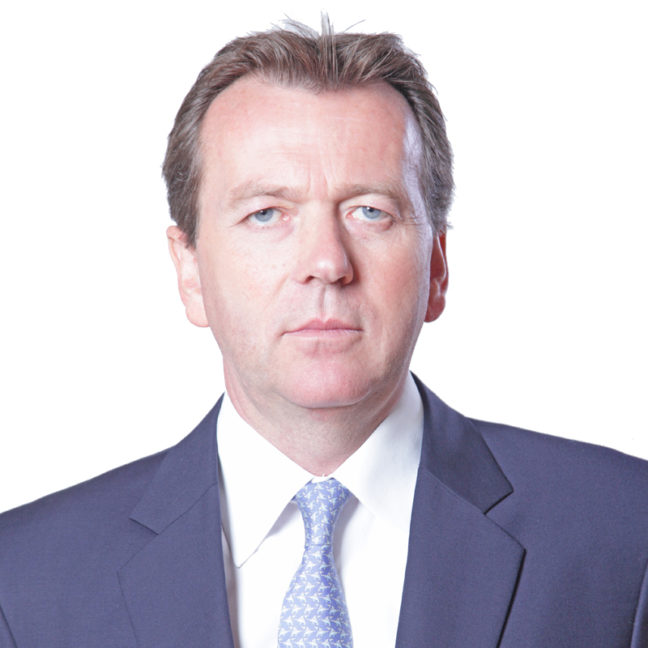
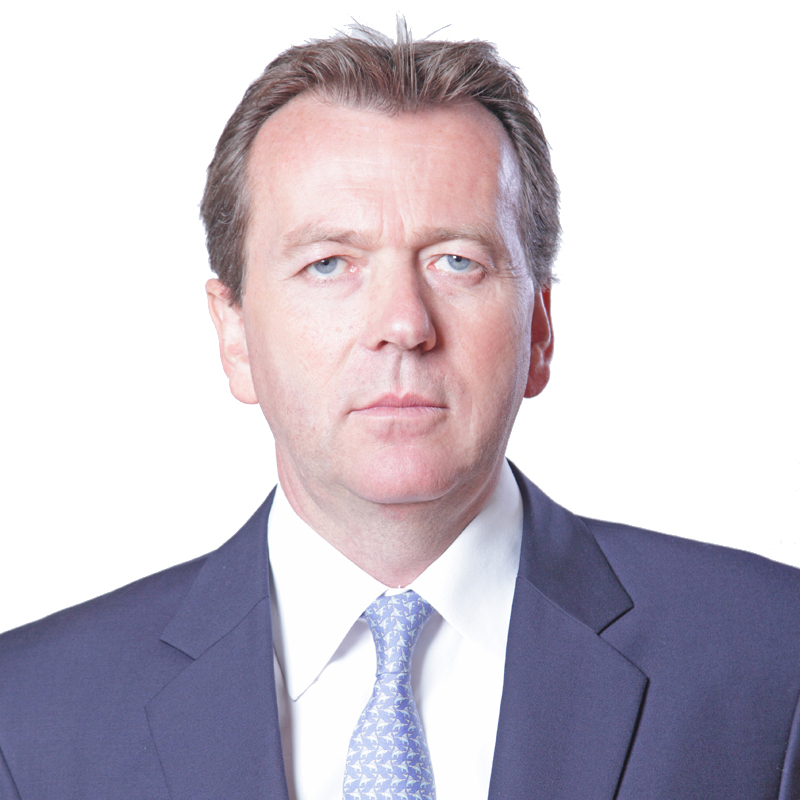
William Smithson, sócio SRS Advogados. Leia a entrevista completa abaixo:

No primeiro semestre, O TTR registrou um aumento de 50% nas aquisições estrangeiras nos setores de Tecnologia e Internet e também um aumento de 40% nas operações de fundos de Private Equity e Venture Capital investindo em empresas portuguesas. Acredita que essas movimentações possam sinalizar uma maturidade do mercado tecnológico português?

Tendo por base o número de transacções relacionadas com o sector tecnológico que a SRS Advogados assessorou nos últimos 2 a 3 anos, acreditamos que o mercado tecnológico português é maduro, mas ao mesmo tempo continua a desenvolver-se e a revelar inúmeras oportunidade.


O senhor atuou em duas transações de muito destaque nas operações de investimentos estrangeiros em Portugal, a aquisição pela Velocidi, especialista em plataformas de dados de clientes, da Shiftforward, empresa portuguesa especializada em marketing tecnológico, e na ronda de financiamento de EUR 23m da Unbabel. Como essas transações refletem o atual cenário do ecossistema de startups português?

São indicadoras do crescente desenvolvimento e amadurecimento do setor das startups em Portugal. Neste contexto, nos últimos 2 anos, a SRS Advogados assessorou mais de 30 transacções de M&A, relacionadas com tecnologia em Portugal. A tecnologia é um segmento de importância significativa para a nossa Sociedade e, a título de exemplo, a SRS Advogados criou a 1ª incubadora numa sociedade de advogados no seu escritório em Lisboa. O STARTUP LAB by SRS Advogados é o primeiro acelerador de startups desenvolvido por uma sociedade de advogados portuguesa. Um projecto que foi implementado em conjunto com um grupo especializado de parceiros e mentores que prestam consultoria em diferentes áreas. O STARTUP LAB by SRS Advogados está focado essencialmente em startups nos segmentos de legaltech, fintech, insuretech, regtech e consultech.


Apesar do setor Imobiliário ainda ser a principal atração do mercado português, o ano também tem sido bastante favorável para os setores de Tecnologia, Financeiro e Turismo. Essa diversificação dos investimentos em Portugal pode ser vista como um bom sinal para o setor de M&A no país?

“Aumentar a diversidade é sempre bom. Estamos envolvidos em várias transações de ‘Investimento Directo Estrangeiro'”

Sem dúvida alguma. Aumentar a diversidade é sempre bom. Estamos envolvidos em várias transações de “Investimento Directo Estrangeiro”, principalmente com investidores da Ásia (através de nosso escritório de Singapura) e dos EUA. Contudo, isto não quer dizer que os investidores europeus deixaram de ser importantes.


Acredita que até o fim do ano possa ocorrer uma intensificação das operações de fusões e aquisições? Quais cenários ou tendências já podem ser identificados, e quais setores possuem, na sua opinião, maior potencial de crescimento?

Poderá não ser necessariamente uma intensificação, mas uma tendência na continuidade de crescimento do primeiro semestre.

Segmentos de crescimento serão provavelmente o bancário, cryptocurrency, hotéis/ turismo/lazer, energia (sector das renováveis), imobiliário e tecnologia.


TTR interviews William Smithson, Partner and Head of the Finance Department at SRS Advogados.


TTR – In the first semester of 2018, TTR recorded a 87% increase in foreign acquisitions in the Technology and Internet sectors and also a 70% increase in Private Equity and Venture Capital funds operations investing in Portuguese companies. Do you believe that these movements can signal a maturity of the Portuguese technological market?

Frankly given the number of tech related transactions in which we have been involved in the last 2 to 3 years there is a school of thought that in certain respects the Portuguese tech market is mature, but at the same time continues to develop.  

TTR – You acted as advisor in two very important transactions in foreign investment operations in Portugal, the acquisition by Velocidi, a specialist in client data platforms, of Shiftforward, a Portuguese company specialized in technological marketing, and in Unbabel’s EUR 23m funding round. How do these transactions reflect the current scenario of the Portuguese startups ecosystem?

Essentially indicative of the increasing development, maturing and coming of age of the Portuguese startup sector. In this context in the last 2 years, SRS has been involved in excess of 30 tech related M&A transactions in Portugal. Tech is a segment of significant importance to SRS Advogados and, by way of example, SRS has established STARTUP LAB by SRS Advogados which is an incubator within our Lisbon office.  STARTUP LAB by SRS Advogados is the first startup accelerator developed by a Portuguese law firm that has been implemented in conjunction with a specialised group of partners and mentors providing consultancy across a broad range of areas. STARTUP LAB by SRS Advogados is focused on startups in the segments of  legaltech, fintech, insuretech, regtech and consultech.

TTR – Although the Real Estate sector remains the main attraction of the Portuguese market, the year has also been very favorable for the Technology, Finance and Tourism sectors. This diversification of investments can be seen as a good sign for the M&A sector in Portugal?

“Increasing diversification is always good. We have been involved in several FDI transactions”

Undoubtedly. Increasing diversification is always good. We have been involved in several FDI transactions principally with investors from Asia (through our Singapore office) and USA. This is not to say that European investors ceased to be of importance.

TTR – Do you think that by the end of the year there could be an intensification of mergers and acquisitions? Which scenarios or trends can already be identified, and which sectors do you think have the greatest potential for growth?

Not necessarily an intensification but a continuation of the first half.

Growth segments likely to be banking, cryptocurrency, hotels / tourism / leisure, energy (renewable), real estate and tech


TTR Entrevista – Antonio Sánchez Montero – Pinsent Masons

Entrevista con Antonio Sánchez Montero, socio responsable del departamento de Corporate de Pinsent Masons en España. 

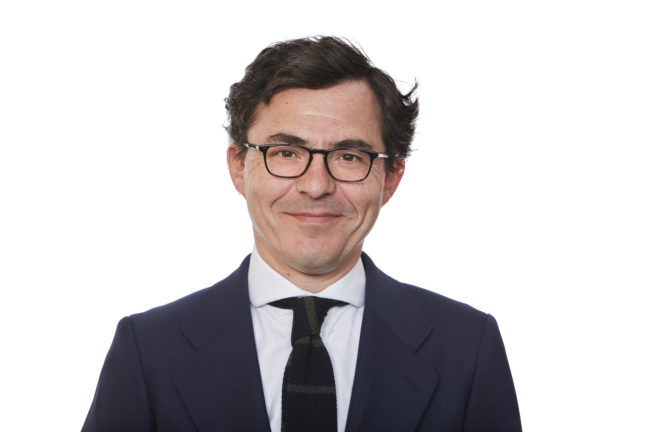

Antonio Sánchez-Montero, socio en Pinsent Masons España


Antonio está especializado en el asesoramiento en fusiones y adquisiciones, participando en transacciones, tanto nacionales como internacionales, para firmas de private equity y venture capital, así como para clientes industriales. 


TTR – ¿Cómo describiría la actividad del mercado de M&A español en el primer semestre del año? ¿Las sensaciones son positivas?

A.S. – El patrón de actividad sigue siendo positivo en el primer semestre. Los mismos factores que impulsaron el mercado a lo largo de 2017 siguen vigentes y no parecen haber perdido tracción: en particular, la existencia de financiación bajo condiciones atractivas y la percepción de que la recuperación económica, si no su crecimiento, está consolidada. La crisis previa, unida a la propia recuperación, ha propiciado también una mejora en la posición (incluyendo una mayor internacionalización) de las propias compañías que pueden ser objeto de operaciones corporativas y por tanto incrementado tanto su atractivo como el interés inversor.


TTR – ¿Cree usted que la reciente formación de un nuevo Gobierno en nuestro país puede incidir de algún modo en el mercado de M&A en el corto y/o medio plazo? ¿Cómo?

A.S. – En principio, la formación de un nuevo gobierno garantiza una cierta estabilidad, que probablemente se mantenga hasta el final de la legislatura. En un entorno estable, el impacto en el mercado debería ser inapreciable, si bien puede tener una cierta incidencia en la adopción de determinadas medidas legislativas que podían haber quedado confirmadas en un futuro próximo (por ejemplo, el ajuste de los pagos a cuenta en el impuesto de sociedades, que podría demorarse). La “debilidad” del nuevo gobierno o, más bien, sus dificultades para adoptar nuevas medidas de calado, pueden garantizar, paradójicamente, que el entorno en el que el mercado ha venido creciendo se mantenga estable.

TTR – En el primer semestre del año han surgido numerosas informaciones acerca de firmas de private equity que se encuentran en el proceso de levantamiento de fondos. ¿De dónde suele provenir esta financiación? ¿Cree usted que la segunda mitad del año nos deparará grandes operaciones en este segmento de mercado?

“Las fuentes de financiación tradicionales siguen presentes en el mercado, pero sí se aprecia un mayor protagonismo de otros actores (family offices)”

A.S. – El interés en la industria se mantiene: representa un sector de actividad altamente profesionalizado, en el que además la crisis ha servido tanto para mejorar significativamente el proceso de análisis de las operaciones y su gestión posterior, como para promover innovación e imaginación. Las fuentes de financiación tradicionales siguen presentes en el mercado, pero sí se aprecia un mayor protagonismo de otros actores (family offices). En cualquier caso, la captación de inversores está apoyándose además en estrategias más flexibles, esquemas de co-inversión, SMAs, o esquemas de titulización de series específicas de deuda vinculada exclusivamente a una inversión, lo que de alguna forma también amplia la base de posibles inversores. Estos se ampliarán o contraerán conforme los ciclos cambien, pero al menos el espectro de posibles inversores se habrá ampliado en todo caso.

TTR – A priori, ¿qué sectores diría usted que son más susceptibles en la actualidad de beneficiarse de inversiones de firmas de private equity? ¿Cuáles considera que tienen un mayor potencial?

A.S. – Dos preguntas que deberían tener una misma respuesta y cuya formulación podría invertirse: aquellos sectores que ofrecen un mayor potencial deberían ser al mismo tiempo los que mayor atractivo actual presentaran para las firmas de capital riesgo. Si nos atenemos al número de operaciones y no a su volumen (aspecto que para responder a esta pregunta me parece secundario), apuntaría hacia la tecnología (o compañías fuertemente apalancadas en actividades en la que la tecnología es un elemento distintivo), restauración, salud e infraestructuras sanitarias o energía. Sin embargo, también creo que algunos sectores se benefician de un efecto emulación, que, obviamente, puede dificultar un adecuado retorno de la inversión. Siendo cierto que los inversores también han flexibilizado sus estrategias de creación de valor, incluso de permanencia en los activos, el ímpetu inversor en algunas industrias está elevando precios más allá de la propia tendencia al alza a la que asistimos de forma generalizada. Esta circunstancia exigirá una mayor imaginación.

TTR – En base a la experiencia que acredita usted en el segmento venture capital. ¿cómo definiría usted la posición actual del mercado español en este segmento de mercado? ¿cree que aún hay margen para que los players locales impulsen su crecimiento o considera que éste se basará en la interacción con inversores internacionales?

“Por ahora, me temo, sin un grupo de Friends & Family el emprendedor está perdido…”

A.S. – No creo que España ocupe precisamente un papel relevante en este segmento: ni en términos de proyectos/compañías ni en número y calidad de los inversores. Ello quiere decir que nuestro margen de crecimiento es muy significativo y lo será más si proliferan las iniciativas que propician el emprendimiento tanto desde el ámbito de la educación como del inversor. El grado de talento es idéntico al de otros países, pero no probablemente la educación para ser audaces: eso ralentiza tanto el atrevimiento, la valentía para aventurarse en una empresa, como el valor para confiar en el emprendedor e invertir en él. Mientras que en segmento del capital riesgo los partícipes españoles son especialmente protagonistas (más si cabe en algunos segmentos del mercado), en el ámbito del venture capital la interacción con inversores internacionales se me antoja fundamental. Por ahora, me temo, sin un grupo de Friends & Family el emprendedor está perdido…


TTR interviews Antonio Sánchez Montero partner at Pinsent Masons in Spain.

Antonio specializes in M&A and venture/private equity work, corporate transactions, as well as in general company law matters and commercial contracts.

TTR – How would you describe the activity of the Spanish M&A market in 1H18? Is the outlook positive?

A.S. – The pattern of activity continues to be positive in the first six months. The same factors that drove the market during 2017 remain in force and do not seem to have lost traction: in particular, the existence of funding under attractive conditions and the perception that economic recovery, if not its growth, is strong. The previous crisis, together with its recovery, has also led to an improved position (including greater internationalisation) for the companies that can themselves be the target of corporate deals, thereby increasing both their attractiveness and investor interest.

TTR – Do you believe the recent formation of a new government in our country could influence the M&A market in any way in the short to medium term? How?

A.S. – In principle, the formation of a new government guarantees a certain stability that is likely to be maintained until the end of the legislature. In a stable environment, the impact on the market should be negligible, although it may have a certain impact on the implementation of certain legislations, which might have been confirmed in the near future (such as the adjustment of payments on account for corporation tax, which could be delayed). The “weakness” of the new government, or rather its difficulties in adopting new stricter measures, can, on the other hand, guarantee that the environment in which the market has been growing remains stable.

TTR – In 1H18, there were numerous reports regarding private equity firms that are in the process of raising capital. Where does that funding usually come from? Do you believe 2H18 holds large transactions in this market segment?

A.S. – Interest in the industry remains: it represents a sector of highly professionalised activity, in which the crisis has also served to significantly improve the process of analysis of operations and its subsequent management, as well as to promote innovation and imagination. Traditional funding sources are still present in the market, but there is a greater prominence of other players (such as family offices). In any case, attracting investors now relies on more flexible strategies, such as co-investment schemes or securitization schemes for specific series of debts linked exclusively to an investment. In some ways, this broadens the base for potential investors. As the cycles change, these will go on to expand or contract, but in any event, at least the range of potential investors will have grown.

TTR – Which sectors would you say are more susceptible to benefit from private equity investment at present? Which have greater potential?

A.S. – Two questions that should have the same answer and that could be reversed in order: the sectors that offer the greatest potential should also be those that are currently most attractive for venture capital firms. If we stick to the number of operations, rather than volume (an aspect that seems secondary to me in answering this question), it would point towards technology (or companies strongly engaged in technological activities), catering, health, healthcare infrastructure and energy. However, I also believe that some sectors benefit from an imitation effect, which obviously could hinder an adequate return on investment. While it is true that investors have made their strategies of creating value more flexible, the momentum of investment in some industries is raising prices even beyond the upward trend that we have generally witnessed. This will demand greater imagination.

TTR – Based on your experience in venture capital, how would you define the current position of the Spanish market in this market segment? Do you believe there is still margin for local players to drive its growth or do you consider growth will come from the interaction with international investors?

A.S. – I don’t think that Spain really plays a key role in this area – either in terms of projects and companies, or in the number and quality of investors. This means our growth margin is significant and will be even more so if the initiatives that support entrepreneurship, both from education and the investor, thrive.  The level of talent is identical to other countries, but, to be bold, the level of education is probably not: this dilutes the audacity and courage to venture into a company, as well as the courage to trust in an entrepreneur and invest in them. While Spanish participants in venture capital are particularly prominent (more so than in other areas of the market), interaction with international investors seems fundamental to me. For now, I’m afraid, without a group of “friends and family” the entrepreneur is lost…

Entrevista TTR: Juan Ignacio Lopez del Alcazar, socio de EY en España

Entrevista con Juan Ignacio Lopez del Alcazar, socio responsable de M&A y del sector Private Equity para EY en España. 


¿Cómo definiría la actividad del mercado transaccional español en lo que va de año? ¿Considera que 2018 está siendo un año positivo en términos de M&A?

 Tras un excelente año 2017 en cuanto al mercado de transacciones en España, nuestro reciente estudio de Capital Confidence Barometer muestra que los corporates y sponsors mantienen su confianza en el mercado español transaccional para 2018, con el 56% de los entrevistados apostando por un crecimiento de su actividad de M&A y el 44% restante manteniendo los niveles del año anterior.

En general, se desprende una visión común de crecimiento sostenido y consolidación de la fuerte actividad registrada en 2017, y aunque los datos en lo que va de año comparados con el mismo periodo del ejercicio anterior son algo más bajos, habría que normalizar el efecto de algunos “megadeals” del año pasado.

Nuestra impresión es que 2018 va a consolidar la tendencia de un mercado sólido de M&A que ya vimos en 2017. En este sentido, EY ha asesorado en más de 30 operaciones en los cinco primeros meses del año y contamos con un pipeline muy interesante para el resto del año.


Dentro del mercado de M&A, es usted experto en el segmento de private equity, que por el momento en España registra una actividad algo menor a la de 2017, según los datos de TTR. ¿Existen factores explicativos de esta circunstancia o se trata de una situación meramente coyuntural?

Es cierto que el año 2017 ha sido un año record para el private equity (PE) en nuestro país. Se batieron los niveles históricos tanto de volumen de inversión como de desinversión y número de operaciones, con crecimientos a doble dígito. Este año el mercado sigue en plena expansión, con una gran actividad tanto en megadeals: Ufinet, Cirsa, Gas Natural… como en operaciones en el middle market, en la que el papel del private equity nacional como inversor facilitador del crecimiento se ha convertido ya en una tendencia sostenida.

En cuanto al hecho de que estos primeros meses haya habido o no menor número de operaciones con respecto al mismo periodo del año anterior, no podría concluir con una razón determinada, ya que no lo achacaría a circunstancias económicas ni de mercado, en la que la confianza y perspectivas son iguales o mejores que para el año anterior, sino más bien a una cuestión de timing. Es difícil hacer una comparativa en este tipo de actividad para periodos tan cortos de tiempo. En general, no esperamos menor actividad este año, sino más bien mantener y/o mejorar los niveles del año anterior y en este sentido, los datos del primer trimestre de ASCRI arrojan un crecimiento del 9-10% respecto al volumen invertido en el mismo periodo del año anterior.

Nuestra impresión es que la inversión del PE va a crecer en 2018 respecto del ejercicio anterior, en función de las operaciones que vemos en marcha, el apetito que existe por España y del dry-powder de los fondos nacionales y paneuropeos.


En lo que va de año EY ha asesorado en numerosas inversiones de private equity, donde habitualmente la empresa target era española. ¿Tienen estas compañías unas características generales similares para despertar el interés de firmas de private equity? ¿Qué sectores considera usted que son los más demandados por este tipo de inversores? 

Las compañías que despiertan el mayor interés de los private equities reúnen una serie de características comunes: equipo directivo con sólido track record y compromiso con el proyecto, potencial de crecimiento, negocios internacionalizados, determinado tamaño en términos de facturación y EBITDA, y alta conversión del EBITDA en caja (entre otros). Estas compañías son las joyas de la corona, pero el verdadero arte de los mejores Private Equities está en encontrar compañías no obvias a las que ellos pueden aportar las mejoras que necesitan.

Los fondos, en general, son agnósticos en cuanto a sectores y en todos los sectores se pueden encontrar compañías valiosas. Si tuviéramos que mencionar algunos sectores donde estamos viendo una actividad sobresaliente, mencionaríamos el sector alimentación (tanto primario como manufacturero), ingredientes y aditivos para pharma y alimentación, energía, telecomunicaciones, negocios industriales B2B…


Aunque en menor medida, EY también ha participado este año en operaciones de desinversión por parte de firmas de private equity. En términos generales, ¿existe una duración media clara de permanencia en el accionariado de las participadas o varía mucho en función de cada caso? ¿qué factores entran en juego para tomar la decisión de llevar a cabo la desinversión?

Los fondos de PE tienen una estructura muy similar en cuanto al mandato de sus LPs para invertir, y por ello los tiempos de permanencia son bastante homogéneos en el entorno de los 4-5 años. Por supuesto con excepciones tanto hacia un lado como el otro: si la compañía crece por encima de las previsiones iniciales y/o un potencial comprador se aproxima proactivamente con intención de comprar, es previsible una desinversión anticipada. Por el contrario, en casos en que el performance de la compañía no es el esperado, o bien el private equity entiende que puede generar más valor extendiendo su permanencia, se alargará el periodo de inversión e incluso se planteará la opción de hacer un roll-over al siguiente fondo o permanecer como accionista una vez haya vendido la mayoría a otro fondo. Todo está ligado con maximizar el retorno.

Entrevista con Mikel Echavarren, CEO de Colliers International Spain

Entrevista con Mikel Echavarren, CEO de Colliers International Spain.   

Mikel Echavarren es CEO de Colliers International Spain. Fue Presidente y Consejero Delegado de irea desde su fundación en 2002 hasta marzo de 2018, momento en el que irea se integra en Colliers International. Anteriormente fue socio de Arthur Andersen responsable de la división de Real Estate Corporate Finance en España y Portugal.


TTR – Desde el ámbito de actuación de Colliers International, ¿cómo definiría la actividad transaccional en los cuatro primeros meses del año?
El arranque del año 2018 mantiene la intensidad de la inversión en todos los segmentos del mercado inmobiliario, con una preponderancia significativa de las operaciones corporativas en el sector hotelero e inmobiliario y la puesta en el mercado de carteras de deuda hipotecaria y REO´s.

Los fondos de inversión core incrementan su presencia en nuestro mercado, sustituyendo a inversores oportunistas y aprovechando la rotación de los portfolios de activos de las Socimis.

La preparación de operaciones corporativas en este primer trimestre augura una intensa actividad en fusiones y adquisiciones de sociedades inmobiliarias y hoteleras en el segundo semestre del año 2018.

TTR – El sector inmobiliario históricamente ha sido el más destacado del mercado transaccional español. ¿A qué cree que se debe esta circunstancia? ¿Cuáles son las características principales que definen al sector en España?
El mercado inmobiliario español es uno de los más avanzados de Europa en cuanto a la oferta y seguridad de su mercado hipotecario. Este factor ha facilitado que la actividad de promoción residencial y de la inversión que se deriva de este segmento, siempre hayan sido muy pujantes.

Adicionalmente, España es un país que cuenta con un porcentaje de la actividad de promoción residencial muy elevado, en torno a un 20-30%, relacionado con la compra de vivienda por parte de extranjeros no residentes, derivada de la extraordinaria potencia de nuestro mercado turístico y la eliminación en los últimos 15 años de la competencia de los destinos ubicados en el norte de África.

En cuanto a la inversión de los fondos institucionales, el mercado de oficinas y de centros y parques comerciales se ha desarrollado ampliamente en los últimos años, cumpliendo los estándares de calidad y de transparencia europeos, lo que ha permitido a dichos inversores actuar en nuestro mercado de una forma eficiente y transparente.

Del mismo modo, la inversión en la adquisición de hoteles ubicados en España es una consecuencia lógica de la consolidación y desarrollo de uno de los principales destinos turísticos del mundo, el primero en términos de eficiencia de su gestión.

Todos estos factores, unidos al desarrollo extraordinario de las infraestructuras de transporte y servicios de nuestro país, han sido los motores del crecimiento de la inversión en inmobiliario.
TTR – En los últimos años, incluyendo a 2018, hemos podido ver un notable y creciente interés de fondos internacionales en el ladrillo español. ¿Diría usted que esta circunstancia favorece o perjudica al sector inmobiliario en España? ¿Podría esta proliferación de fondos internacionales estar reduciendo las oportunidades de los players locales?

La actividad de los fondos internacionales ha sido fundamental para la recuperación del mercado inmobiliario español.

En una primera etapa, desde 2013 a 2015, contribuyeron a facilitar liquidez al mercado y a establecer referencias creíbles sobre precios transaccionables, desde una perspectiva de aprovechamiento de las oportunidades de un mercado potente pero ilíquido.

Desde entonces los fondos internacionales han evolucionado hacia todos los nichos del mercado inmobiliario, desde los activos comerciales a la inversión en suelo residencial, y lo han hecho en muchos casos a través de alianzas con operadores y promotores locales.

En la actualidad están entrando otros fondos con estrategias diferentes y con costes de capital significativamente inferiores.

La conclusión de estos movimientos es, en mi opinión, que los fondos han venido para quedarse y que seguirán siendo protagonistas de la inversión en nuestro mercado inmobiliario por mucho tiempo. Ese protagonismo, convive con la actividad inversora de players locales, que con menores exigencias de rentabilidad y con capacidades crecientes de capital, compiten con fuerza en muchos segmentos del mercado.


TTR – Dentro del sector inmobiliario, ¿Qué segmentos de mercado considera usted que cuentan con un mayor potencial en la actualidad?

Claramente, el sector de promoción residencial y dentro de éste la inversión en carteras de suelo en desarrollo y su gestión hasta transformarlo en suelo finalista.

La promoción residencial, sobre todo en mercados secundarios que todavía no se han recuperado de forma significativa, seguirá ofreciendo rentabilidades anuales superiores al 10% y unos múltiplos atractivos por la financiación de los costes de construcción y desarrollo.


TTR – ¿Cuáles son las herramientas de financiación más habituales para la adquisición de activos inmobiliarios?

La financiación hipotecaria es la protagonista de las operaciones de inversión, con más participación de banca extranjera en activos comerciales y con un dominio absoluto de la banca comercial española en la financiación a la promoción residencial.

Adicionalmente, existen alternativas de financiación para los tramos de inversión no cubiertos por la banca comercial otorgadas por fondos de inversión internacionales.

Colliers International Spain, por ejemplo, es el Loan Manager de un fondo de financiación alternativa de Marathon Asset Management destinado a financiar la adquisición de suelo residencial y dirigido a promotores especializados en residencial.

La financiación corporativa o la emisión de bonos está restringida a las empresas con grandes balances, muchas de ellas cotizadas en bolsa.


TTR – Otra demostración del auge del sector inmobiliario es sin duda la cantidad de SOCIMIs que han comenzado a cotizar en el Mercado Alternativo Bursátil en los últimos dos años. ¿Qué ventajas aporta este mercado a las SOCIMIs?

El MAB es una alternativa para el cumplimiento de los requisitos de liquidez y de composición accionarial de las SOCIMIs, sobre todo para aquellas de tamaño medio o pequeñas o para quienes sólo aspiran a cumplir los requisitos que facilitan una fiscalidad óptima.

A futuro, creemos que muchas de ellas entrarán en el juego de fusiones y adquisiciones con el objetivo de alcanzar una mayor dimensión que posibilite su mayor liquidez en el mercado y ofrecerse como alternativa a la inversión el ahorro familiar, con un menor coste de capital.


Interview with Mikel Echavarren, CEO at Colliers International Spain


TTR – How would you at Colliers International describe the level of deal activity over the first four months of the year?

So far 2018 has continued to see strong levels of investment across all segments of the real estate market. There has been a marked preference for corporate deals in the hotel and real estate sector, whilst mortgage loan and REO portfolios have also started to come onto the market.

The Spanish market is seeing an ever-growing number of core investment funds, that have taken the place of opportunistic investors and are capitalising on Socimi property portfolio rotations.

The preparation of corporate deals in Q1 2018, suggests that we will see considerable M&A activity among real estate and hotel companies in H2 2018.


TTR – The real estate sector has traditionally always been the biggest transaction market in Spain. Why do you think this is? What are the defining characteristics of the sector in Spain?
In terms of supply and the level of mortgage security, the Spanish real estate market is one of the most advanced in Europe. This factor has meant that residential development and investment, have always played a defining role.

Spain also has a very high percentage of residential development activity (circa 20-30%), which is primarily thanks to the purchase of homes by non-resident foreigners, as a result of Spain’s highly attractive tourist market and the fact that over the past 15 years competition from destinations in Northern Africa has virtually disappeared.

In terms of investment by institutional funds, the office and shopping centre and retail park markets have expanded significantly in recent years, meeting European standards of quality and transparency, which has allowed these players to invest in Spain efficiently and transparently.

Investment in hotels located in Spain is also a logical result of the consolidation and development of one of the world’s primary tourist destinations, and the leading destination in terms of efficient management.

All this, together with the extraordinary development of Spain’s transport and services infrastructure, have driven real estate investment growth.


TTR – In recent years, including 2018 to date, we have seen international funds show a considerable and growing interest in Spanish real estate. Would you say that this favours or jeopardises the Spanish property sector? Could this increasing number of international funds be reducing the number of opportunities open to local players?

International funds were key for the recovery of Spain’s real estate market.

Between 2013 and 2015, these funds identified an opening which would allow them to take advantage of the opportunities in a strong, but illiquid market. They therefore not only injected much-needed capital into the market, but also helped to establish credible transaction price references.

Since then international funds have explored all real estate market niches, from retail properties to investing in residential-use land, in many cases investing via joint ventures with local operator and developers.

Funds with different strategies and significantly lower capital costs are now entering the market.

In my view, the conclusion we can draw from the activity of recent years is that funds are here to stay and will remain key players in our real estate market for some time to come. However, they will share the limelight with local players who, with less-demanding yield requirements and growing capital strength, pose stiff competition for international funds in many market segments.


TTR – What do you see as the highest-potential market segments in the real estate sector at the moment?

Without doubt, the residential development sector and, within this, investment in portfolios comprising land in the planning process and its management through to obtaining serviced development land status.

Residential development, especially in secondary markets that still have a long way to go before recovering pre-crisis levels, will continue offering annual yields in excess of 10% and attractive terms and conditions for financing construction and development costs.


TTR – What are the most common forms of financing used to acquire real estate assets?

The lion’s share of investment transactions are completed using mortgage financing, with international banks tending to focus on retail assets and Spanish commercial banks dominating the residential development financing market.

International investment funds offer financing alternatives for investment tranches that are not covered by commercial banks.

Colliers International Spain, for example, is the Loan Manager of an alternative financing fund belonging to Marathon Asset Management aimed at financing the acquisition of residential land and directed at specialist residential developers.

Corporate financing and bond issues are restricted to companies with big balance sheets, mainly listed companies.


TTR – Another sign of the real estate sector’s strength is without doubt the amount of SOCIMIs that have listed on the Spanish Stock Exchange (MAB) over the past two years. What advantages do SOCIMIs bring to the market?

The MAB is an alternative option for SOCIMIs to meet their liquidity and shareholder requirements, especially for SMEs or companies looking to achieve an optimised fiscal structure.

Going forwards, we believe that many of them will be subject to Mergers & Acquisitions, with companies looking to optimise their structure in order to increase their liquidity in the market and offer an alternative to the traditional investment option, with a lower capital cost.

Interview with Philip Whitchelo, VP for Strategic Business Development at Intralinks

Interview with Philip Whitchelo, Vice President for Strategic Business Development, Intralinks

Philip is responsible for business and corporate development at Intralinks, a provider of software and services to the global M&A, private equity and banking communities.


TTR – How would you describe the performance of the Spanish M&A market? Do you think the results of 2018 could beat those of 2017?

After a flat 2015 and a decline in 2016, the Spanish MA& market came roaring back in 2017: there were over 1,000 announced M&A deals for Spanish targets in 2017, a 14% increase over 2016. The conditions for M&A in 2018 are also supportive: improving global economic growth, low inflation, low interest rates, ready availability of debt finance, lots of corporate and private equity capital looking for acquisition opportunities. Our own Intralinks Deal Flow Predictor is forecasting worldwide M&A growth of up to 10% in 1H 2018, so it is entirely possible that 2018 could exceed 2017 for Spanish M&A announcements.


TTR – In which position, based on importance and size, would you place Spain’s M&A market among the European countries? Could you point some differences between Spain and the top ones?

In Europe, Spain is the fourth or fifth largest target M&A market by both volume (number) and value. This is the same as Spain’s ranking as the fifth largest European economy. Spain has a relatively open M&A market and has the highest proportion of industrials, real estate and energy & power M&A among the top 5 European countries: these three sectors have accounted for over 60% of Spanish target M&A by value since 2013.


TTR – In general terms, would you say Spanish companies are highly demanded by foreign companies?  Why?

Yes, I would say so. Spain has a relatively open M&A market with a high level of cross-border M&A activity: since 2013, over 74% of Spanish target M&A by value has involved a foreign acquirer, the second highest percentage (after the UK) among the top 5 European countries. The Spanish economy is faster growing than the Euro area as a whole, although it is also more volatile: among the top 5 European economies, it is the one with the most “emerging market” characteristics.


TTR – You were recently involved in a study regarding cancelled deals worldwide in the last 25 years. Roughly speaking, which are the main reasons for deal failures?

Our study, which we conducted in partnership with the University of London’s Cass Business School, examined over 78,000 announced M&A deals including over 1,800 involving Spanish acquirers and targets. We identified several significant predictors of deal failure and deal success. Acquirers could increase their chances of deal success by negotiating target break fees, avoiding very large, transformational deals in favour of smaller strategic acquisitions, paying for multiple advisers, offering cash-only consideration and avoiding hostile and unsolicited acquisitions in favour of agreed deals.


TTR – In the specific case of Spain, how high is the rate of abandoned acquisitions? Are there specific circumstances that account for that figure?

Since 2010, Spain has the second highest rate of abandoned acquisitions, at 3.8%, among the major European countries, with only the UK (3.9%) being higher.


As an M&A analyst, do you think Donald Trump’s protective measures could have a strong impact in the European M&A markets or are they large enough to not be affected?

In 2018, the risks to the scenario of a fifth consecutive year of increasing M&A activity are twofold: political and financial. Increases in economic nationalism, protectionism and restrictions on global trade and cross-border economic integration all have the potential to negatively affect dealmaking sentiment. With global equity markets recently at record highs, and nine years since the last major trough, a correction that turns into a more serious sell-off could also prove negative for dealmaking confidence.

We may be seeing the start of such a protectionist trend, with the latest example being the blocking by US President Trump of Broadcom’s acquisition of US semiconductor manufacturer Qualcomm. Other countries, such as Germany, Australia and the UK, are also becoming more resistant to perceived foreign takeovers (especially from China and Asia) in sensitive industries such as technology, robotics, semiconductors, energy and land.

Rising protectionism in M&A would disproportionately affect countries which have a high volume of outbound (cross-border) M&A activity. In Europe, the UK and Germany have the highest proportion of outbound, cross-border acquisitions. The danger is that once the US becomes more protectionist, other countries could feel obliged to follow suit and protect their companies from foreign takeover.