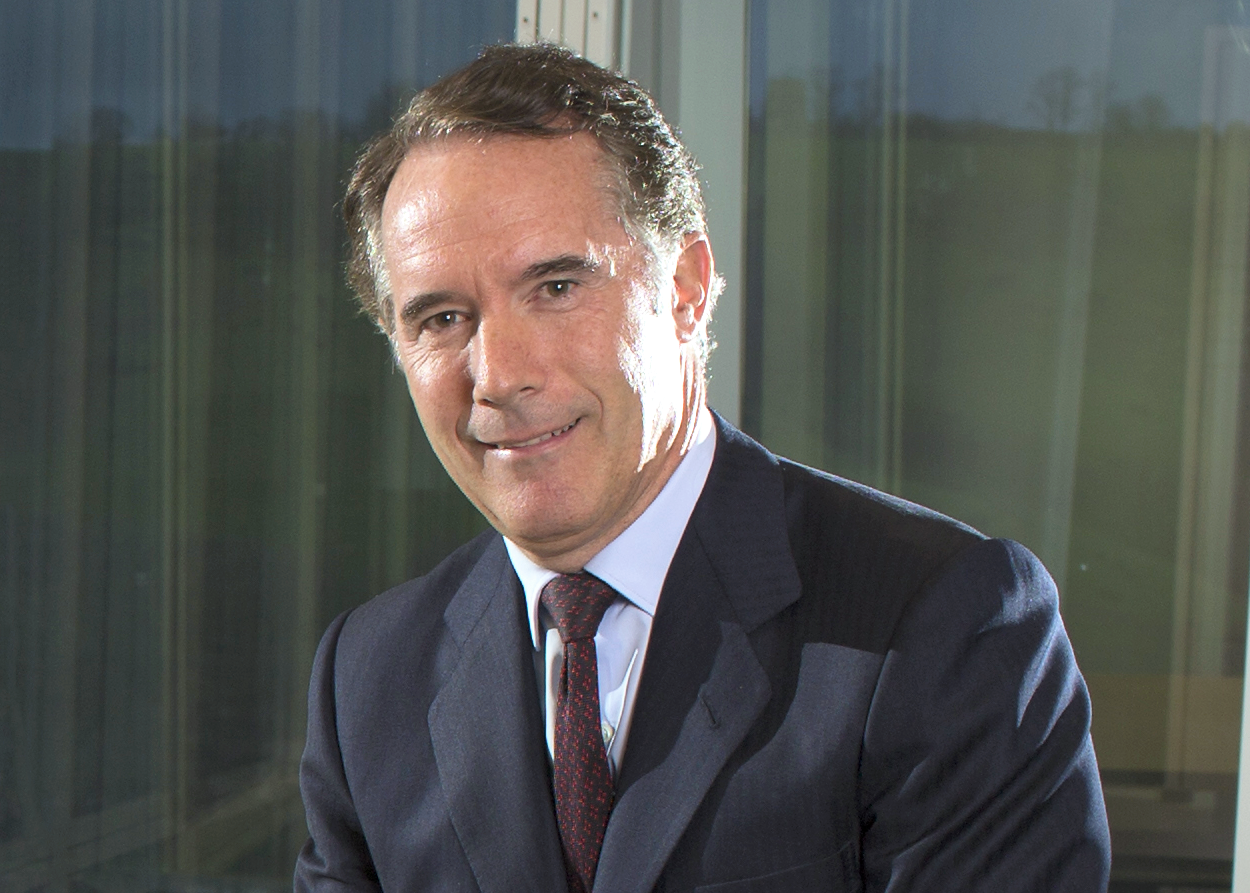
Eduardo Paulino fala do desenvolvimento do mercado M&A em Portugal

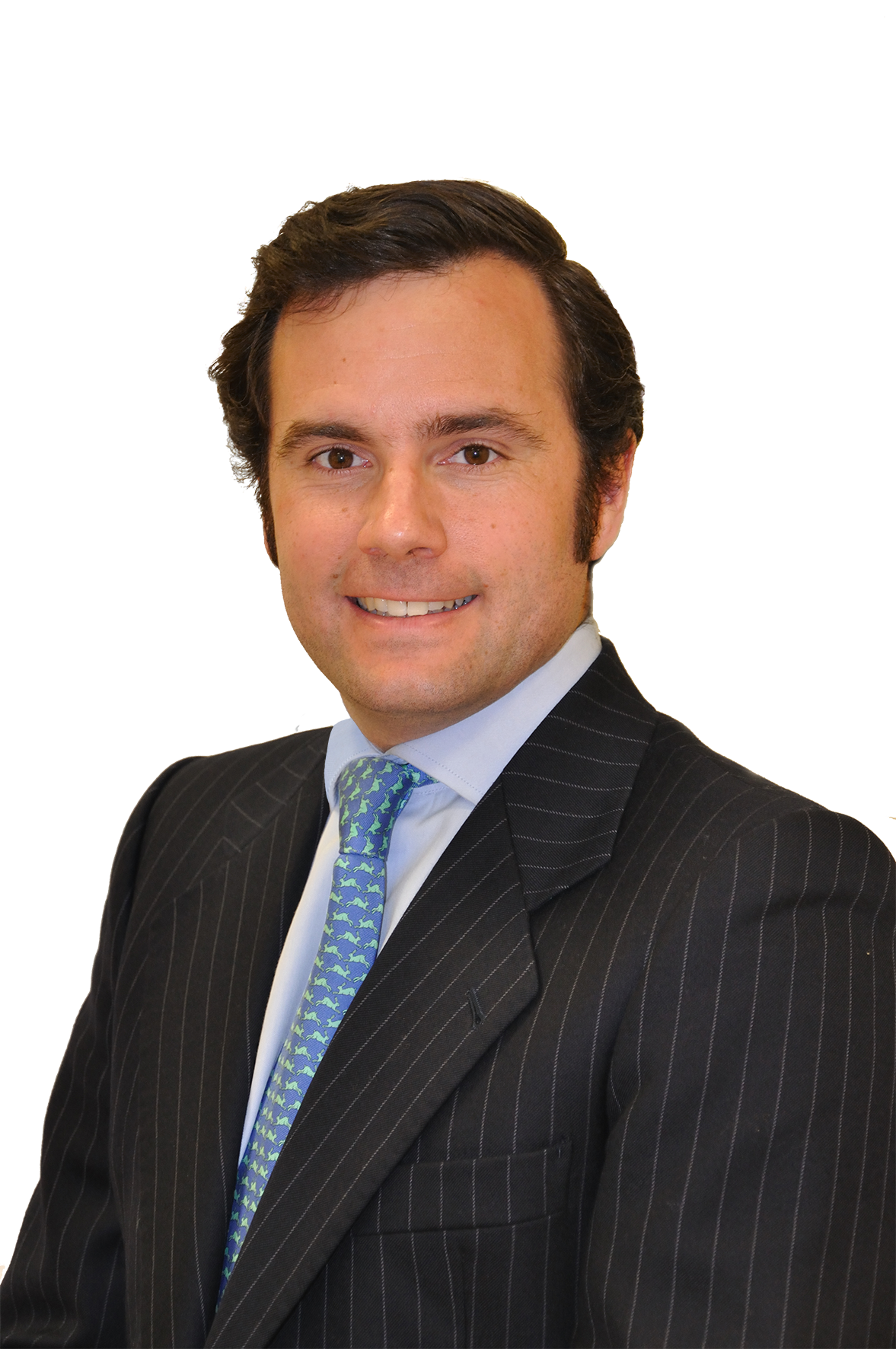
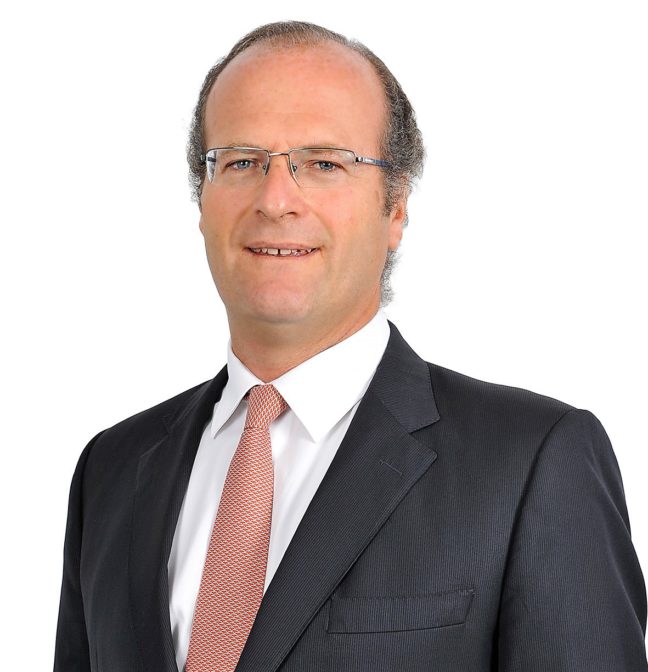
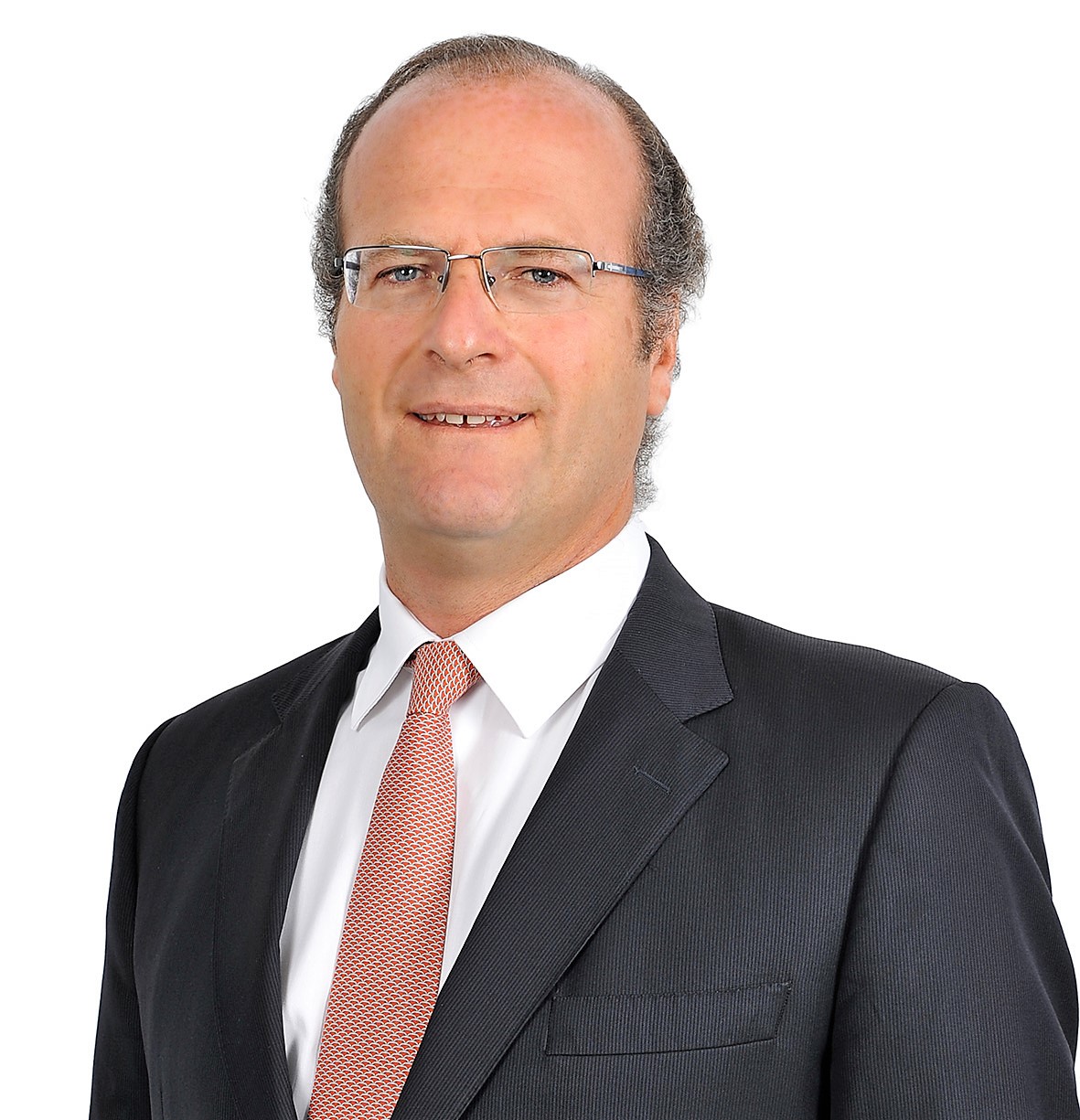
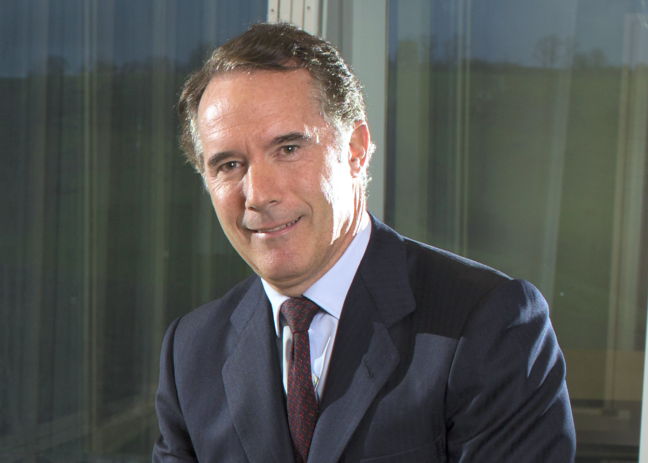
Eduardo Paulino – sócio Morais Leitão, Galvão Teles, Soares da Silva e Associados

Desenvolve a sua atividade essencialmente em matéria de operações de fusão, aquisição e parceria, ofertas públicas de distribuição e de aquisição, project finance/parcerias público-privadas e privatizações. Tem igualmente experiência em matérias de direito bancário e financeiro e de compliance.

Com o fim de 2017 se aproximando, como avalia a performance do mercado de M&A em Portugal no decorrer do ano?

Contrariamente ao que eram as perspectivas mais pessimistas no final de 2016, considerando alguma incerteza residual no plano interno quanto à estabilidade da solução de governo e, em especial, a incerteza no plano internacional associado às vitórias eleitorais de projectos de matriz menos internacionalista e multilateral, o ano de 2017 tem vindo a ultrapassar as nossas melhores expectativas, não só em termos de número, mas também de valor das transacções.

Em 2017, o senhor teve uma atuação destacada em transações no setor bancário. Como vê as tendências e expectativas para esse sector em 2018?

O sector bancário português sofreu uma transformação radical em resultado da crise financeira internacional e, estou em crer, saiu consideravelmente robustecido do processo de ajustamento a que – tal como a generalidade dos sectores de actividade em Portugal – foi submetido. Em geral, os níveis de capitalização e de liquidez são agora muito mais confortáveis e genericamente alinhados com os de muitos bancos europeus.

Estabilizados os níveis de capital e liquidez principais bancos, num processo que se concluiu com a recapitalização da Caixa Geral de Depósitos e a alienação da maioria do capital do Novo Banco (que deixou de ser um banco de transição, com todas as limitações associadas à respectiva actividade), os maiores bancos nacionais continuam obrigados a prosseguir o esforço de reforço da rentabilidade, designadamente pelo aumento dos níveis eficiência (contando-se já em Portugal com alguns dos bancos mais eficientes na Europa), especialmente num ambiente social e político cada vez menos receptivo a políticas de contenção.

Neste contexto, considerando igualmente algumas medidas patrocinadas pelo Governo e pelo Banco de Portugal com vista à criação de uma “plataforma” que apoie o desenvolvimento deste tipo de processos, perspectiva-se que o esforço de redução da exposição dos principais bancos a activos não produtivos (“NPAs”) e, em especial, a créditos em situação de incumprimento (“NPLs”) contribua para a continuação de um volume cada vez mais significativo de actividade de alienação de carteiras de crédito.

É possível reconhecer alterações ou inovações nos últimos anos em relação às transações realizadas no sector?

Claramente. O enquadramento regulatório do sector obrigou a uma cuidadosa adaptação dos modelos de avaliação e isso levou também a uma diferente abordagem em todo o processo que leva à conclusão com sucesso uma transacção.

A densa floresta de regras aplicáveis à actividade (seja no que respeita a requisitos crescentes de capital e de “tipos” de capital regulatório, seja no que respeita à conformação da actividade das instituições financeiras e dos próprios produtos financeiros) exige um cuidado redobrado no planeamento, negociação e implementação de transacções neste sector, sendo absolutamente crucial o envolvimento desde a primeira fase de equipas multidisciplinares que permitam identificar e tratar tão cedo quanto possível factores de risco e incerteza, muitas vezes com efeitos muito relevantes em termos de valor e/ou reputação.

O senhor tem participado em processos de ofertas públicas e particulares de capital, ações e de dívida, bem como OPAs, sendo a mais recente a oferta de aquisição sobre as ações do Montepio realizada pela Associação Mutualista. Poderia fazer um panorama de quais são os maiores desafios ao atuar nessas transações, levando em consideração as particularidades do mercado de capitais português?

O mercado de capitais atingiu níveis razoavelmente altos de integração no espaço europeu, não só no plano do enquadramento regulatório, mas também na prática de mercado, não sendo ousado dizer que, em geral, as operações que envolvem emitentes nacionais tendem a decorrer de acordo com o que de melhor e mais sofisticado se faz internacionalmente.

Permanecem, porém, alguns desafios, em especial no que respeita à necessidade de reforçar a imagem de clareza e previsibilidade na actuação de alguns dos agentes do mercado, bem como, em geral, a credibilidade do nosso mercado depois de alguns eventos geradores de incerteza (e de perdas relevantes para investidores nacionais e internacionais), o que levará ainda algum tempo a atingir definitivamente.

Quais cenários ou tendências já podem ser identificados no mercado de M&A em Portugal para 2018, e quais sectores possuem, na sua opinião, maior potencial de crescimento?

Apesar de algumas ameaças e incertezas, as perspectivas genericamente favoráveis da generalidade da comunidade de investidores com relação ao ambiente económico português têm vindo a contribuir significativamente para que diversos investidores que tradicionalmente não considerariam investir em Portugal tenham incluído o país no seu ”radar” e as expectativas de que o processo de normalização do “rating” da República Portuguesa para níveis ditos de “grau de investimento”, que poderá trazer melhorias na capacidade de financiamento do Estado e, directa e indirectamente, das empresas, permitem que mantenha o optimismo quanto à manutenção desta situação de crescimento por mais alguns trimestres, em especial nos sectores da energia e do imobiliário, que têm revelado um forte dinamismo nos meses recentes.

Leia mais sobre as transações de Eduardo Paulino aqui. 

Saiba sobre as transações do escritório Morais Leitão, Galvão Teles, Soares da Silva e Associados aqui.


Partner at MLGTS, Eduardo Paulino’s main areas of practice include capital markets, company and corporate law and banking and finance, focusing on M&A, public offerings, project finance and privatisations.

With 2017 drawing to a close, how would you rate the performance of the M&A market during the year?

In contrast to the more pessimistic perspectives at the end of 2016, owing to a certain degree of residual uncertainty on an internal level as to the stability of the government’s solution and, especially, uncertainty on the international stage following electoral victories of less internationalist and multilateral projects, 2017 has exceeded our most optimistic expectations, not only in terms of number also in terms of transaction value.

In 2017, you were extensively involved in banking sector transactions. What is your view of the trends and expectations for this sector in 2018?

The Portuguese banking sector has undergone radical transformation as a result of the international financial crisis and, in my view, like Portuguese sectors of activity in general, it has exited the adjustment process to which it was subjected considerably stronger. Generally speaking, capitalisation and liquidity levels are now far more comfortable and in line with those of many European banks.

Now that the capital and liquidity levels of the main banks have been stabilised in a process that was finalised with the recapitalisation of Caixa Geral de Depósitos and the sale of the majority of the capital of Novo Banco (which is no longer a bridge bank, with all the inherent restrictions on its activity), the largest national banks are still obliged to work towards boosting profitability, specifically by increasing efficiency levels (although Portugal already has some of the most efficient banks in Europe), particularly in a socio-political environment which is becoming increasingly less receptive to austerity policies.

Within this context, and also taking into account certain measures sponsored by the Government and the Bank of Portugal with a view to creating a “platform” that will support the development of this kind of process, it is expected that the work towards reducing the exposure of the main banks to non-performing assets “NPAs”) and, especially, to non-performing loans (“NPLs”), will contribute to increasingly more significant sales of credit portfolios.

Have there been recognizable changes or innovations in recent years in relation to transactions conducted in the sector?

Certainly. The regulatory framework for the sector called for a careful adaptation of valuation models and this also brought about a different approach in the entire process that leads to successful completion of a transaction.

The litany of rules governing the activity (whether with respect to growing equity requirements and classes of regulatory capital, or to shaping the activity of financial institutions and financial products themselves) requires redoubled care in the planning, negotiation and implementation of transactions in this sector. It is absolutely crucial that multidisciplinary teams are involved from the early stages so as to enable possible risk and uncertainty factors, which very frequently have very significant effects in terms of value and/or reputation, to be identified and addressed as quickly as possible.

You have taken part in public and private capital offerings, share and debt operations, as well as takeover bids, with the most recent being the offer made by the Mutual Association for the acquisition of Montepio shares. Could you give us an overview of the major challenges involved in such transactions, given the particularities of the Portuguese capital market?

Capital markets have reached reasonably high levels of integration in Europe, not only in terms of the regulatory framework but also in terms of market practice. It would not be bold to say that, in general, operations involving national issuers tend to be carried out in line with the best and most sophisticated international operations.

Some challenges remain, however, especially with regard to the need to bolster the image of clarity and predictability in the actions of some market agents, as well as, in general, the credibility of our market in the wake of events that generated uncertainty (and significant losses for national and international investors), which will still take some time to achieve.

What scenarios and trends can already be identified in the M&A market in Portugal for 2018 and, in your opinion, which sectors have the greatest growth potential?

Despite some threats and uncertainties, the generally favourable perspectives of the community of investors that have a relationship with the Portuguese economic environment have been making a significant contribution to the fact that different investors who would not traditionally consider investing in Portugal have included the country on their “radar” while the expectations that the process of bringing the rating of the Portuguese Republic back to investment level, which could improve the ability of the State and, directly or indirectly, companies to arrange financing, enable continued optimism regarding the continuation of this growth for a few more quarters, especially in the energy and real estate sectors, which have proven to be very dynamic in recent months.

To know about Eduardo Paulino and his transactions, click here.

To read about the firm Morais Leitão, Galvão Teles, Soares da Silva e Associados and the transactions it has been involved in, click here. 

Pedro Ester habla de la intensa actividad del mercado de M&A en España

Pedro Ester es socio del departamento de Derecho mercantil de Ashurst España, firma en la que ha desarrollado toda su carrera profesional desde la apertura de su oficina en Madrid en el año 2001. Se especializa en operaciones mercantiles y private equity, tanto nacionales como internacionales, operaciones de inversión y acuerdos de joint venture. Ha participado también en operaciones inmobiliarias.

¿Cómo definiría la actividad del mercado de M&A en España en lo que va de año?

Intensa. El mercado ha vuelto a niveles de actividad que habíamos dejado de ver en años anteriores. Creo que ello se debe a varios motivos: la recuperación de la confianza en el mercado español por parte de inversores extranjeros, el ánimo inversor de industriales y fondos españoles por continuar buscando buenas oportunidades de crecimiento, la liquidez no empleada en los últimos años, el apetito de la banca por volver a financiar la actividad de M&A en España en condiciones favorables y la calidad de muchas compañías y activos en nuestro país.

Hasta ahora todos los factores han sido positivos y han contribuido a que se hayan generado más operaciones, a que los inversores hayan podido tomar una posición más “decidida” en su análisis y a que la fase de ejecución de las mismas haya encontrado menos dificultades y haya podido llevarse a buen fin en plazos más eficientes.

Está usted especializado en el segmento de private equity, que ha mostrado cifras muy positivas durante el año 2017. A este respecto, ¿cree que hemos alcanzado un máximo estable en el mercado español o existe potencial para seguir batiendo registros?

No cabe duda que 2017 está siendo un muy buen año para el capital riesgo en España. Todas las semanas estamos viendo cobertura en los medios sobre operaciones de private equity, con una gran variedad de actores y sectores objeto de inversión, lo que sin duda pone en valor el buen hacer de los profesionales del capital riesgo en nuestro país.

Creo que el sector ha conseguido consolidar un nivel de actividad recurrente, y la entrada de nuevos fondos españoles en los últimos años en determinados segmentos del mercado ha incrementado exponencialmente la competencia en los mismos, con lo que el potencial de crecimiento existe.

A lo largo de su carrera ha participado usted en operaciones relevantes de adquisiciones de centros comerciales, dentro del sector inmobiliario. En este tipo de adquisiciones habitualmente los compradores son players internacionales, ¿por qué cree que existe este interés extranjero en este tipo de activos? ¿Y por qué no suele haber compradores nacionales?

El nuevo ciclo del sector inmobiliario en general y del segmento de los centros comerciales en particular está siendo protagonizado por inversores extranjeros, sin perjuicio de que en los últimos años también haya habido fondos y empresas españolas que han hecho operaciones relevantes tanto de inversión directa como de inversión conjunta con inversores internacionales, mediante alianzas de inversión a medio y largo plazo a través de joint ventures.

Aunque es cierto que siempre ha habido presencia de fuertes enseñas internacionales (con fondos específicamente dedicados, con liquidez disponible, mucha experiencia y la ventaja de contar con relaciones muy consolidadas con las entidades bancarias), sigue habiendo un incremento en el número de inversores internacionales interesados en este tipo de activos. La ayuda de gestores españoles con conocimiento y experiencia en nuestro mercado permite a estos inversores buscar oportunidades en la expectativa del incremento de rentas esperado como consecuencia de la recuperación del consumo.

¿Cree usted que en el corto y medio plazo seguirán produciéndose operaciones en este sector? ¿Qué otros sectores considera que contarán con protagonismo en los próximos meses?

Sí, sin duda. Creo que hay numerosos fondos internacionales que continúan analizando multitud de oportunidades y que están decididos a aumentar su inversión en España y a que su cartera en España adquiera un tamaño que permita poner en marcha con ciertas garantías otro tipo de operaciones (como la venta global de carteras o lotes de activos a otro inversor de mayor tamaño o su cotización en un mercado secundario).

Otro sector que lleva muy activo desde hace meses y que sin duda contará con protagonismo a corto y medio plazo es el sector de las infraestructuras. Tenemos la suerte de que las empresas españolas del sector están sin duda entre las mejores del mundo, con modelos de gestión probados y pioneros en la expansión internacional de sus negocios, lo que hace que, como se está viendo, generen un grado de atracción de grandes inversores financieros e institucionales internacionales muy alto.

En 2015 y 2016 participó usted en el asesoramiento de la mayor operación, en términos de importe, del mercado de M&A español: la fusión de las embotelladoras de Coca-Cola, que tuvo que ser aprobada por autoridades regulatorias europeas. Siendo crítico, ¿cree usted que los organismos reguladores actúan normalmente al ritmo de las propias operaciones, o cree que en muchas ocasiones retrasan los cierres de las mismas?

Los organismos reguladores tienen que cumplir con unas reglas de juego prestablecidas para llevar a cabo sus análisis, con lo que creo que no tienen el margen o las alternativas que otros intervinientes en las operaciones si pueden y deben aprovechar, sobre todo teniendo en cuenta que esas reglas de juego deben ser conocidas por todos ellos. No creo que los organismos reguladores ralenticen voluntariamente las operaciones, pero sí tengo claro que los intervinientes en las mismas y, sobre todo, sus asesores legales, tienen un papel clave para evitar que los organismos reguladores, en el cumplimiento de sus obligaciones, puedan suponer un retraso en el cierre de las operaciones.

Por ejemplo, cuando es probable que una operación deba ser notificada a las autoridades de competencia, desde las fases más incipientes se incluye en el calendario de la misma el plazo necesario para obtener la correspondiente autorización. Es esencial involucrar desde esos primeros momentos a abogados de competencia que sean capaces de explicar bien la operación a las autoridades, de acordar con ellas una definición del mercado relevante que sea acertada (tanto para obtener autorización en el menor plazo posible como para no limitar innecesariamente las posibilidades de crecimiento futuro de la compañía de que se trate) y de llevar a cabo todo el trabajo previo a la notificación colaborando muy estrechamente con las autoridades para tratar de “recortar” días al calendario propuesto y, en la medida de lo posible, acelerar los plazos.

Para saber más de Pedro Ester y sus transacciones, haga click aquí. 

Para saber más de la firma Ashurst España, haga click aquí.


English 

Pedro is a partner in the corporate department of Ashurst Spain, where he has developed his entire career since the opening of the Madrid office in 2001. He specializes in all types of M&A and private equity transactions, investment and joint venture agreements. He has also acted in transactions involving real estate investments.

How would you define the M&A market in Spain so far this year?

Intense. The market has returned to activity levels that had not been seen in previous years. I believe that it is due to several grounds: the recovery of confidence in the Spanish market by foreign investors, the investment will of industrials and Spanish funds to continue looking for good growth opportunities, the liquidity not used in the last years, the renewed appetite of banks to finance M&A activity in Spain in favourable terms and the good condition of many companies and assets in our country.

Until now all factors have been positive and have contributed to the generation of more transactions, to investors being able to take a more decided position in their analysis and to the execution phase of transactions being less problematic and allowing to be completed within more efficient time frames.

You specialize in private equity, which has shown very positive figures in 2017. In this regard, do you think the Spanish market has reached a stable peak or is there potential to continue breaking records?

There is no doubt that 2017 is being a very good year for private equity in Spain. There is media coverage of private equity transactions every week, with a great variety of players and sectors subject of investment, which undoubtedly puts in value the good work carried out by the professionals of the private equity industry in our country.

I believe the sector has managed to consolidate a recurring level of activity, and the entrance of new Spanish funds in the last years in certain segments of the market has exponentially increased competence, so the growth potential exists.

Throughout your career, you have taken part in relevant acquisitions of shopping centers, in the real estate sector. Normally, the buyers in those transactions are international players: why do you think there is foreign interest in that type of assets? And why aren’t there usually domestic buyers?

The new cycle in the real estate sector in general and of the shopping centre segment in particular is being led by foreign investors, without prejudice to the fact that in the last years there have also been Spanish funds and companies completing significant transactions, both in direct investment and in joint investment with international players pursuant to mid and long-term investment alliances through joint ventures.

Even though it is true that there has always been presence of strong international players (with funds specifically dedicated to these investments, with available liquidity, a lot of experience and the advantage to have very consolidated relationships with banks), the number of foreign investors interested in these type of assets continues to increase. The contribution of Spanish management companies with knowledge and experience in our market allows these investors to seek opportunities in the expectation of rent increases as a consequence of the recovery of consumer consumption.

Do you think there will still be transactions in that sector in the short and medium term? What other sectors do you think will attract attention in the coming months?

Yes, no doubt. I believe there are numerous international funds that continue to analyse many opportunities and that are decided to increase their investment in Spain and to increase its Spanish portfolio up to a size which allows to begin other types of transactions with a certain guarantee of success (such as a global portfolio or asset lots sale to a bigger investor or its listing in a secondary market.

Another sector that has been very active for months now and that will for sure be a star sector in the short and mid-term is the infrastructure sector. We are lucky that Spanish infrastructure companies are within the best of the world, with tested management models and pioneers in the international expansion of their businesses which, as is being seen, is generating a very high degree of attraction of international financial and institutional investors.

In 2015 and 2016, you were part of the largest transaction of the Spanish M&A market in terms of deal value, the merger of Coca-Cola’s bottling companies, which required the approval of the European regulatory authorities. From a critical standpoint, do you think regulatory bodies usually act at the same pace as transactions? Or do you believe they sometimes delay the deal closure?

Regulatory authorities have to comply with pre-established rules to carry out their analysis, and accordingly they do not have the margin or alternatives that other actors in transactions can and should take advantage of, given that said rules shall be known to all of them. I do not think that regulatory authorities voluntarily slow down transactions, but it is clear to me that the parties intervening in a transaction and, specifically, their legal advisors, play a key role to avoid that regulatory authorities, in the exercise of their duties, can cause a delay in the completion of transactions.

As an example, when it is likely that a transaction requires competition clearance, from the early stages of the transaction process the time required to obtain clearance is factored in the transaction calendar. It is essential to involve from the very beginning competition lawyers which can accurately explain the transaction to the authorities, agree with them a correct definition of the relevant market (both to obtain clearance in the shortest period possible and also to avoid unnecessary limitations to the future growth possibilities of the relevant company) and to carry out all the work related to the pre-filing closely cooperating with the authorities, trying to reduce the calendar and, to the extent possible, to accelerate the time required to obtain clearance.

To know more about Pedro Ester and his transactions, click here.

For more information about Ashurst España and its transactions, click here. 


João Caldeira, sócio na CMS Rui Pena & Arnaut, discute o mercado Português

João Caldeira é sócio na CMS Rui Pena & Arnaut e tem desenvolvido a sua actividade profissional predominantemente na área das sociedades comerciais, fusões, aquisições, reestruturações societárias, capitais de risco, joint ventures, mercado de capitais e corporate finance.

Apesar do ano não ter terminado ainda, é possível já realizar uma análise do que esse ano representou para o mercado português de M&A?

As previsões assentes nos dados disponíveis indiciam que a atividade de M&A na Europa no ano de 2017 terá um crescimento ligeiramente negativo ou nulo comparativamente com o ano de 2016. Esta tendência resulta sobretudo de um comportamento menos favorável da atividade de M&A em mercados muito relevantes como o do Reino Unido, Alemanha e França, que contrasta com um crescimento positivo da atividade de M&A noutras regiões, designadamente na Europa de leste e na Europa do sul.

O crescimento negativo ou nulo da atividade de fusões e aquisições na Europa parece estar a ser influenciado pelos riscos inerentes ao “Brexit” e à forma como o processo de saída do Reino Unido da União Europeia está a decorrer, que se sobrepõe a uma percecionada diminuição geral dos riscos políticos na Europa continental.

Em Portugal, à semelhança de outros países da Europa do sul, os dados disponíveis sobre o número de transações concluídas e número de transações em curso sustentam previsões que apontam no sentido de um crescimento ligeiro da atividade de M&A no ano de 2017.

Para o crescimento da atividade de fusões e aquisições está a contribuir o bom desempenho da economia portuguesa no ano de 2017, projetando-se para este ano um crescimento do PIB substancialmente superior ao do ano de 2016 (2,5% na projeção do Banco de Portugal de 4 de outubro), superior ao da média da zona euro, assente essencialmente no crescimento substancial das exportações, que deverá compensar alguma quebra no consumo (público e privado). Por outro lado, parece ser atingível o objetivo de redução do défice orçamental para 1,5% do PIB em 2017.

Na sequência da melhoria dos indicadores da economia portuguesa, já em meados de setembro, a agência de rating “Standard & Poor´s” subiu a notação da dívida pública portuguesa de BB+ para BBB- (de dívida especulativa para dívida em grau de investimento) e atribuiu à notação uma perspetiva ‘estável’. A melhoria da notação da dívida pública portuguesa terá certamente repercussões muito favoráveis no desempenho da economia e no crescimento das empresas. Por outro lado, com a alteração da notação da dívida pública portuguesa a aquisição de targets portugueses passa a ser enquadrável na política de investimentos de mais investidores estrangeiros, o que incrementará o nível de aquisições “inbound“, que muito pesam na dinâmica do mercado de M&A português. Em suma, têm vindo a ser reunidas um conjunto de condições que certamente contribuirão para uma melhoria na atividade de M&A no último trimestre de 2017 e, com maior intensidade, no ano de 2018.

O setor Imobiliário continua sendo o destaque das transações de M&A no mercado Português, uma tendência que se mantem desde 2015, porém setores como Tecnologia e Financeiro, particularmente pelas fintechs, também tem atraído a atenção de investidores externos. Como avalia essas movimentações de mercado e quais são as expectativas para os próximos meses?

É no sector imobiliário que têm ocorrido o maior número de transações em fusões e aquisições, tendência que vem desde 2015 e continuará a manter-se em 2017 e, provavelmente, no ano de 2018. O mercado imobiliário continua em crescimento, transversal aos diversos segmentos (escritórios, retalho, investimento, residencial e hoteleiro), com uma forte presença de investidores internacionais.

O sector das empresas tecnológicas também tem estado particularmente ativo, registando-se um número assinalável de transações nos últimos anos. Tem havido um interesse crescente dos investidores no setor das FinTech, atendendo a que projetos de sucesso destas empresas, assente em saltos tecnológicos, poderão ter um enorme potencial de transformação da forma como as atividades financeiras ou atividades conexas são desenvolvidas. E em Portugal têm surgido “Startups” no sector que têm despertado a atenção dos investidores internacionais e das empresas financeiras.

Em relação aos deals envolvendo investimentos de Private Equity, como caracterizaria essas negociações em Portugal nos últimos 12 meses em termos de valores e também sobre quais são os targets dessas transações? Poderia nos fornecer um “insight” sobre as principais tendências que estão se moldando nesse setor?

Nos primeiros três trimestres do ano de 2017, verifica-se uma tendência de crescimento da atividade de “Private Equity“, com um aumento do número e volume de transações, com especial relevância para o setor energético, indústria de construção, saúde e financeiro, sendo expectável a manutenção dessa tendência até final do ano e no princípio do ano de 2018.

O ano de 2017 tem sido marcado pelo incremento das operações de desinvestimento, não só de empresas que pouco sofreram com a grave crise que Portugal atravessou em anos recentes, por estarem dirigidas ao setor exportador, como também de empresas que mais rapidamente recuperaram, a partir de 2015, em face da melhoria das condições económicas. Para este crescimento contribuiu decisivamente o aumento do investimento estrangeiro realizado por investidores institucionais e industriais. Na medida em que se mantenha o bom desempenho da economia portuguesa, que dependerá de muitas variáveis dificilmente controláveis, internas e sobretudo externas, é natural que no ano de 2018 venhamos a ter um crescimento relevante do investimento de “Private Equity“.

Como as saídas de Private Equity tem se desenhado no país? Já é possível identificar um padrão em relação à essas transações?

Após um período em que foi difícil concretizar operações de desinvestimento, no ano em curso regista-se uma retoma desse tipo de operações parecendo ter havido uma preocupação das “Private Equity” em diminuir a incerteza quanto ao preço de venda, o que incentivou a não utilização de mecanismos de ajuste de preço, o recurso a mecanismos de “locked-box” e a introdução de limites mais ambiciosos no que respeita à responsabilidade por violação de declarações de representação e garantia.

As operações de Venture Capital poderiam, após as rodadas realizadas por fundos nacionais e internacionais em startups de Portugal recentes, retomar uma tendência de crescimento? Quais são as expectativas para essa modalidade de investimento em Portugal no próximo ano?

Temos assistido a um crescimento das operações de “Venture Capital“, muito embora este tipo de operações continue a ter um peso relativamente baixo no investimento em capital de risco. Não obstante, a crescente dinâmica e afirmação das “Startups” portuguesas, inclusivamente no contexto internacional, deverá conduzir a um aumento dos investimentos de “Venture Capital“. Os apoios públicos também poderão dar um contributo bastante positivo na dinamização do “Venture Capital“, como é o caso do recém criado Fundo de Coinvestimento 200M, com um capital inicial de 100 milhões de euros, destinado a fomentar a constituição e capitalização de empresas em fase de arranque, através de operações de “Venture Capital” a realizar conjuntamente por operadores de capital de risco públicos e privados.

Para saber mais de João Caldeira e suas transações, clique aqui. 

Para saber mais da CMS Rui Pena & Arnaut, clique aqui. 

Iñigo Gómez-Jordana de la firma DLA Piper España detalla sobre la OPA y la compraventa forzosa de acciones

Iñigo Gómez-Jordana es socio senior de la firma DLA Piper España. Tiene más de veinte años de experiencia en asesoramiento y en operaciones en los mercados de capitales y en operaciones de corporate finance y corporate,  especialmente en fusiones y adquisiciones internacionales y ofertas públicas de adquisición.


En base a su dilatada experiencia a lo largo de su carrera en materia de Ofertas Públicas de Adquisición (OPAs). ¿Qué elementos diría usted que son clave para que este tipo de operaciones fructifique? ¿Cómo describiría usted la situación del mercado de fusiones y adquisiciones este año 2017? ¿Cree que los registros son positivos?

Este está siendo un buen año tanto por número de operaciones como por volumen. También hay diversidad de sectores implicados. Tenemos en volumen la Oferta sobre Abertis que es la mayor oferta publica en España desde la entrada en vigor de la normativa de OPAs de 2007. Es una de las primeras operaciones también en Europa este año. Otras operaciones de tamaño han sido las de Naturgas, Allfunds, Novobanco, Telxius, Aernova etc. Todas ellas de sectores muy heterogéneos. Creo que es un registro positivo y que demuestra la estabilidad y confianza de nuestro mercado.

Hay varios a tener en cuenta pero quizá los más importantes son los siguientes:

  • un buen proyecto para el grupo resultante de la OPA. Aunque es cierto que el objetivo de una OPA para tomar el control (hay otro tipo de opas y con otros objetivos) es comprar la totalidad del capital de una sociedad y por tanto el proyecto resultante no es algo en lo que vayan a participar los accionistas a los que se dirige la oferta (salvo en caso de Opas mixtas), de ese buen proyecto si resultan beneficiarios otros “stakeholders” como clientes, trabajadores de la sociedad, la comunidad en la que desarrolla su negocio. Son intereses que van más allá de las sinergias y el beneficio empresarial.  Deben por tanto tenerse en cuenta.
  • una preparación previa del proceso que identifique con el mayor grado de detalle posible todos los factores a tener en cuenta.
  • un buen precio de oferta. Por la razones que explico más adelante un buen precio es clave en una OPA. Al final este tipo de operaciones, con importantes matices, son compraventas en  un mercado y por ello el precio es determinante.
  • una buena estructura de financiación cuando esta es necesaria.
  • un conocimiento profundo de las implicaciones y proceso de legal que afecta a la OPA. Estas operaciones tienen un grado de complejidad alto y no puede improvisarse. El asesor debe dar al oferente todas las perspectivas posibles del proceso y además tener la imaginación suficiente como para dar soluciones solidas desde un punto de vista jurídico y, lo que es al menos igual de importante, despejar los problemas que pueden identificarse pero que en realidad no lo son. Las áreas del derecho  que pueden llegar a intervenir son muy  variadas pero a título de ejemplo incluyen; derecho del mercado de valores, derecho de la competencia, derecho fiscal, derecho de publicidad, derecho administrativo general y especial (por razón del sector regulado si fuera el caso en el que opera la sociedad sobre la que se lanza la OPA).
Una de las situaciones que puede resultar más injusta para los accionistas minoritarios en una OPA es la ejecución de una compraventa forzosa de acciones, si se dan determinados niveles de aceptación previos. ¿Cuál es el motivo de que se permita esta práctica? ¿Qué fundamento jurídico tiene?

El derecho al ejercicio de la compraventa forzosa o squeeze-out puede a primera vista parecer una medida injusta pero en realidad no lo es si se analiza con detalle. El primer elemento que es necesario para ese análisis se refiere a las circunstancias y momento en el que puede ejercitarse; tiene que haber finalizado la OPA y la aceptación del conjunto de los accionistas debe haber sido superior al 90% de todos aquellos a los que la oferta se haya dirigido. ¿Qué nos dice este primer elemento? Dos cosas importantes; la primera es que no es un derecho que se ejercita en cualquier momento con ocasión de una OPA y por tanto no sirve, no es un medio, para tener éxito en la oferta.

El derecho de compraventa forzosa solo nace una vez que la opa ha terminado y se puede comprobar que grado de aceptación ha tenido. El grado de aceptación es el segundo elemento que lo justifica; si el 90% o más de los accionistas de una sociedad cotizada a los que se dirige la oferta la aceptan hay una presunción de que el precio que se paga por el oferente es bueno y que por tanto la operación debería ir adelante, aun sacrificando el posible deseo, muy difícil de justificar por lo que ahora explico, de los que quieran quedarse en la sociedad después de la OPA. Esta última consideración es el tercer elemento a tener en cuenta.

La experiencia de muchos años en operaciones de este tipo antes de introducir el squeeze out había demostrado tres cosas;

(i) la mayoría de los accionistas normalmente vendían (y venden) en opas a un precio adecuado,

(ii) los accionistas que no venden suelen ser “nuevos” accionistas -entraban en el capital de la sociedad cuando se anunciaba la OPA con el objeto, al no haber sqeeze-out, de dificultar la oferta y obtener mejor precio para ellos, y por lo anterior

(iii) la inexistencia de squeeze-out dificultaba las ofertas públicas sin beneficiar legítimamente a nadie y era, visto en su conjunto, malo para los accionistas de sociedades cotizadas porque el mercado de control societario se enfrentaba a esta dificultad adicional que carecía de una justificación suficiente.

Por todo lo anterior la Directiva de OPAS introdujo la compraventa forzosa y de ahí se ha trasladado a los países de la UE. Es hoy en día una regulación aceptada y considerada beneficiosa para el conjunto de los accionistas de las sociedades cotizadas.

La OPA de Atlantia sobre Abertis, en la que usted participa como asesor, será una de las operaciones más destacadas en 2017 en materia de fusiones y adquisiciones en España, si finalmente llega a producirse. ¿Considera usted que el sector concesionario de infraestructuras, en este caso principalmente autopistas, puede depararnos otras grandes operaciones este año?

Es muy posible sí. Si leemos la prensa y las manifestaciones de quienes operan en este sector todo parece indicar que habrá concentración. Los casos de OHL, FCC y otras empresas del sector de infraestructuras son buena muestra de ello, etc.

¿Qué otros sectores cree usted que se presentan más atractivos para los inversores en el corto-medio plazo?

Parece que el sector inmobiliario sigue siendo atractivo a juzgar por las recientes operaciones de compraventa y salida a bolsa; Neinor, Testa, activos del Banco Popular etc. Pero hay otros muchos como salud (en donde ya ha habido concentración) nuevas tecnologías y energía (especialmente renovables). La corrección que ha supuesto el largo periodo de crisis económica ha traído sin duda oportunidades.

Principales transacciones y participaciones  de Iñigo Gómez.

Para ver las transacciones de la firma DLA Piper en España, haz click aquí.


ENGLISH:
How would you describe the mergers and acquisitions market this year in 2017? Do you think the signs are positive?

This has been a good year, both in terms of number of transactions and volume. There is also diversity among the sectors involved. In terms of volume, we have the Bid for Abertis, which is the largest public offer in Spain since the Takeover Bid rules (Oferta Publica de Adquisición) came into force in 2007. It is also one of the first transactions in Spain this year. Other transactions of note have been those of Naturgas, Allfunds, Novobanco, Telxius, Aernova etc. Each of these has been from diverse sectors. I believe this is a positive sign and demonstrates the stability and confidence in our market.

Based on your wide experience over your career in relation to public takeover bids, which elements would you say are key in order for these types of transactions to be successful?

There are various elements to take into account, however, the following are perhaps the most important:

  • A successful project for the group as a result of the takeover. Whilst it is clear that the objective of a takeover where control of the company is objective (there are other types of takeovers that have different of objectives) is to purchase the entirety of a company’s capital, the final result is not something which (other than where payment in shares of the bidder is an element of the consideration) the shareholders, at whom the offer is directed, will be involved in. In fact, the beneficiaries of this successful project are other “stakeholders” such as clients, employees, and the overall community in which the business is carried out. These are interests that go beyond synergies and corporate benefit. Therefore, this should be taken into account.
  • Advanced preparation of the process, identifying in the greatest level of detail possible all of the factors which should be taken into account.
  • A good offer price. For reasons I will later explain, a good price is key to a takeover bid. Ultimately these types of transactions, with important nuances, are sale and purchases in a market, and therefore the price is decisive.
  • A good finance structure, where one is necessary.
  • A profound knowledge of the implications and legal processes that affect a takeover bid. These transactions have a high level of complexity and it is not possible to improvise. The advisor should provide the offeror with all the possible perspectives on the process, and also have enough imagination to provide solid solutions from a legal point of view and, what is at least equally as important, clear up the issues which may appear as such, but which in reality are not. The areas of law that can be involved are varied, but can include, for example, capital markets law, competition law, tax law, public law, general and special administrative law (because of the regulated sector, if the company over which the bid was made were to operate in this sector).
One of the situations that can prove most unfair for minority shareholders is the execution of a compulsory share sale and purchase if certain levels of acceptance are reached. What is the motivation behind this exercise being permitted? What legal basis does it have?

The right to exercise a compulsory sale and purchase or ‘squeeze-out’ may at first glance seem like an unfair measure, but in reality it is not if you look at it more closely. The first element required for this analysis refers to the circumstances and moment in which the right can be exercised. The takeover bid must be finalised and the acceptance all of the shareholders must have been over 90% of all those to whom the offer was addressed. What does this first element tell us? Two important things; the first is that this is not a right which is exercised at any moment during a takeover bid and therefore it does not serve, nor is it a way of obtaining success in the offer.

The right of compulsory sale only arises once the takeover bid has finished and the level of acceptance it has received can be proven. The level of acceptance is the second element which justifies the right; if 90% or more of the shareholders of a listed company to whom the offer is addressed accept the offer, then there is the presumption that the price paid for the takeover is good and that therefore the transaction should go ahead, even going against the possible wishes of those who wish to stay in the company, which is very difficult to justify based on what I am explaining right now. This final consideration is the third element to take into account.

Many years of experience of these types of transactions, before introducing the squeeze-out, had demonstrated three things;

i) most shareholders usually sold (and sell) during takeovers at an appropriate price,

ii) the shareholders that do not sell are usually “new” shareholders – they entered into the capital of the company when the takeover was announced with the objective, as there was no squeeze-out, of making the takeover difficult and obtaining a better price for themselves, and as a result of this

iii) the non-existence of the squeeze-out made public offers difficult without legitimately benefiting anyone and was, if looked at together, bad for the shareholders of listed companies because the market of corporate control faced this extra difficulty which lacked a sufficient justification.

For these reasons, the Takeover Bid Directive introduced the compulsory sale and purchase and from there it has moved to countries in the EU. Nowadays it is an accepted regulation and considered beneficial for all the shareholder of listed companies.

The takeover bid in relation to Abertis, in which you are acting as advisor, will be one of the most prominent transactions of 2017 in merger and acquisition matters in Spain, if it finally takes place. Do you think that the infrastructure concession sector, in this case principally motorways, could bring us other large transactions this year?

Yes, it is very possible. If we read the press and the statements of those who operate in this sector, everything seems to indicate that there will be focus. The cases of OHL, and other companies in the sector are a good example of this.

Which other sectors do you believe are most attractive to investors in the short-medium term?

It appears that the real estate sector continues to be attractive, judging by recent sale and purchase transactions and flotations, for example, Neinor, Testa, Banco Popular assets etc. However, there are many more, such as health (in which there has already been a focus), new technologies and energy (especially renewables). The correction of a long period of economic crisis has brought opportunities without a doubt.

View the main transactions of senior partner Iñigo Gómez-Jordana. 

Click here to know more about the transactions DLA Piper España has been involved in.

Entrevista: Diogo Perestrelo, da PLMJ, discute o mercado de M&A em Portugal

Diogo Perestrelo, é socio da PLMJ. Os principais projectos em que prestou assessoria jurídica durante os últimos anos incluíram fusões e aquisições em diversos sectores, entre os quais, transportes, infra-estruturas e energia bem como operações de private equity, designadamente MBOs, MBIs e buy & build. Também participou na assessoria jurídica, desde o seu início em Portugal, de diversos Project Finance nas áreas das concessões rodoviárias, energias renováveis, águas e telecomunicações.

TTR: Como descreveria a performance do mercado português de M&A desde o início de 2017 até agora? 

Diogo Perestrelo: O mercado português de M&A tem tido uma performance que se caracteriza essencialmente por operações de M&A dito “tradicional”, e, em menor escala, operações de private equity. Parte significativa dessas operações decorre de uma clara estratégia de desinvestimento em ativos não essenciais ou ativos de risco, e visa consolidar as condições financeiras de instituições bancárias, fundos e empresas em geral.

Temos também assistido a operações de M&A de outra natureza, envolvendo outro tipo de investidores, com vocação e objetivos distintos, de que é exemplo a aquisição, pelo fundo Ardian, o maior fundo de infraestruturas europeu, da Ascendi – o segundo maior grupo de concessões de autoestradas português. O que demonstra bem que o mercado português permaneceu ativo, também no contexto de investimentos com objetivos de longo prazo.

TTR: No que diz respeito aos investimentos estrangeiros realizados em empresas portuguesas, os que mais se destacam são as empresas cujas sedes estão localizadas na Espanha, nos Estados Unidos e no Reino Unido. Quais características das empresas portuguesas o senhor acredita atrair o interesse dos investidores estrangeiros?

Diogo Perestrelo: Creio que o crescente interesse no investimento em empresas portuguesas não decorre tanto das características das empresas portuguesas per si, mas sim dos setores económicos em que estas operam. Seja no domínio do turismo, das áreas tecnológicas, da energia renovável, são setores em franca expansão ou consolidação, nos quais as nossas empresas beneficiam de uma ampla e reconhecida experiência. Uma palavra também para o programa Startup Portugal, que impulsionou e reforçou a capacidade de afirmação internacional das empresas portuguesas. A realização da Web Summit em Lisboa também permitiu e continuar a dar frutos e visibilidade ao mercado das start-ups e das tecnológicas portuguesas.

É gratificante, como advogado português, constar que cada vez mais, em contextos profissionais internacionais, as questões que me colocam incidem sobre setores preferenciais para investir e as oportunidades disponíveis, e não (já), como acontecia há uns anos atrás, sobre a situação do País na sequência da intervenção da Troika.

TTR: Qual tendência destacaria como a que trouxe os melhores resultados em termos estratégicos para as empresas portuguesas? Quais políticas adotadas podem ser fatores de influência para estimular os investimentos? 

DP: As decisões de investimento empresarial dependem de vários fatores. Para além dos aspetos de política macroeconómica e do quadro orçamental e fiscal, há dimensões do quotidiano das empresas que contextualizam o investimento e que o influenciam. Por exemplo, obstáculos regulamentares, as qualificações dos trabalhadores, a capacidade de selecionar bons projetos, a possibilidade de utilizar novos instrumentos financeiros para financiar os melhores projetos. Qualquer política que favoreça estes aspetos vai certamente contribuir para incrementar o investimento. Mas se tivesse que citar um fator apenas, diria que a estabilidade do enquadramento fiscal é crítico para um investidor internacional.

Foi recentemente publicado o diploma através do qual se cria o Fundo de Coinvestimento 200M, que visa fomentar a constituição ou capitalização de empresas, nomeadamente na fase de arranque, e promover o capital de risco. Ainda é cedo para avaliar os resultados práticos das medidas previstas neste diploma, mas estamos convictos de que serão um importante instrumento para reforçar a atividade e o investimento empresarial.

TTR: O Setor Imobiliário vem sendo o motor das transações de M&A no mercado Português, uma tendência que se mantem desde 2015. Quais são as perspetivas de crescimento desse setor para o próximo ano? Acha que pode haver uma saturação do mercado?

DP: O mais provável é que essa tendência perdure por mais alguns anos, embora se espere algum abrandamento nos preços dos imóveis. Há segmentos deste mercado que ainda não revelaram todo o seu potencial. Assim, o setor imobiliário tem margem para crescer, seja através da implementação de novas oportunidades de negócio em parceria com proprietários de prédios devolutos ou subocupados nos centros urbanos, seja pela via de estratégias integradas com o setor do turismo, promovendo as diferentes regiões nacionais e consolidar a descentralização na procura turística. Recorde-se que continuamos a assistir a um crescimento significativo no setor do turismo – os dados oficiais confirmam que Portugal nunca recebeu tantos turistas como no ano passado e que este setor provavelmente continuará em ascensão.

Portugal é um país pequeno com infraestruturas de telecomunicações e rodoviárias ao nível do melhor que há no mundo e o interior do País e isso faz com que novas zonas do País fora dos grandes centros urbanos e mesmo no interior possam ser objeto de desenvolvimento imobiliário.

TTR: Houve um aumento no interesse de investidores de Private Equity e Venture Capital olhando para Portugal. Do seu ponto de vista, as empresas portuguesas têm tido sucesso ao buscar esses investimentos? Quais são as estratégias que estão sendo favorecidas pelas empresas para atrair essas modalidades de investimentos? 

DP: O acesso a capital de risco é, efetivamente, uma opção para as empresas portuguesas, sejam elas startups,sejam empresas já com algum grau de maturidade.  Em traços gerais, o investidor tem a expectativa de aceder a projetos inovadores em mercados com potencialidade de crescimento e beneficiar de equipas com elevado grau de complementaridade, detentoras de profundo conhecimento da área de negócio.

O investimento de private equity e venture capital tem sido um caso de sucesso no nosso País. As empresas perceberam que um dos fatores mais relevantes para a captação deste tipo de investimento é a capacidade de reunir uma equipa de qualidade, com capacidade de identificar problemas, desenhar soluções e promover a sua execução, de uma forma eficiente. Naturalmente que outro fator essencial é a existência de um modelo de negócio, com acesso a canais de distribuição flexíveis, que permitam alcançar dimensões relevantes, com o mínimo capital possível.

Talvez a estratégia das empresas para atraírem esta modalidade de investimento assente nestes dois pilares: equipas capazes e modelos de negócio inovadores e eficientes.

TTR: Qual sua expectativa para o último trimestre do ano?

DP: Podemos antecipar um aumento nas fusões e aquisições no setor financeiro, mantendo-se a tendência de venda de ativos por bancos e instituições financeiras, essencialmente ativos não estratégicos ou os designados ativos de risco. Esta foi uma tendência importante em 2017, que nos parece poder continuar até ao final do ano.

Para ler sobre Diogo Perestrelo e suas transações, clique aqui.

Para ler sobre a PLMJ, clique aqui. 


ENGLISH

Diogo Perestrelo, is a partner at PLMJ. The main projects on which he has advised in recent years include mergers and acquisitions in the transport, infrastructures and energy sectors, as well as private equity transactions, particularly MBOs, MBIs and buy-and-build transactions. 
He has been involved in project finance since it became popular in Portugal, having participated in several project finance transactions in areas such as road concessions, renewable energies, waters and telecommunications.

TTR: How would you describe the performance of the Portuguese M&A market from the beginning of 2017 until now? 

Diogo Perestrelo: The performance of the Portuguese M&A market is essentially characterised by “traditional” M&A transactions and, to a lesser degree, by private equity deals. A significant number of these operations arise from a clear strategy to disinvest in non-core assets or risky assets, and they are intended to consolidate the financial situations of banking institutions, funds and companies in general.

We have also witnessed other types of M&A operations involving a different type of investor, with differing locations and objectives. One example of this is the acquisition by the fund Ardian – which is Europe’s largest infrastructure fund – of Ascendi, the second largest Portuguese motorway concessions group. This clearly demonstrates that the Portuguese market has remained active, including in the context of investments with long-term objectives.

TTR: When it comes to foreign investments made in Portuguese companies, the ones that stand out most are those made by companies with headquarters in Spain, the United States and the United Kingdom. What characteristics of Portuguese companies do you think attracts the interest of foreign investors?

DP: I believe the growing interest in investment in Portuguese companies does not come so much from the characteristics of the Portuguese companies per se, but rather from the economic sectors they operate in. Tourism, technology and renewable energy are all sectors enjoying healthy expansion or consolidation, and Portuguese companies in these sectors benefit from broad and well-recognised experience. I would also mention the Startup Portugal programme, which has boosted and strengthened the international standing of Portuguese companies. Holding the Web Summit in Lisbon has also continued to bear fruit and bring greater visibility to the start-up market in Portugal and to Portuguese technology.

As a Portuguese lawyer, it is a source of great satisfaction to me to be greeted increasingly, in international professional contacts, with questions on the preferred sectors for investment and on the opportunities that are available. This is a welcome contrast with the questions I used to face the few years ago about the situation of the country in the wake of the intervention by the Troika.

TTR: Which trend would you highlight that has brought the best results in strategic terms for Portuguese companies? Which of the policies adopted may be influencing factors that stimulate investments? 

DP: Business investment decisions depend on various factors. Besides macroeconomic policy issues and the budgetary and tax framework, there are aspects of the day-to-day running of companies that contextualise and influence investment. For example, regulatory obstacles, workers’ qualifications, the capacity to select good projects, and the possibility to use new financial instruments to finance the best projects. Any policy that improves these issues will undoubtedly contribute to increasing investment, but if I had to quote just one factor, I would say that the stability of the tax framework is critical to international investors.

A piece of legislation was recently published that creates the 200M Coinvestment Fund. The aim of this new legislation is to create or capitalise companies, particularly in the start-up phase, and to promote venture capital. It is still too early to assess the practical results of the measures set out in this legislation, but we are convinced it will be an important tool to boost business activity and investment.

TTR: The real estate sector has been the motive behind M&A transactions in the market, and this trend has continued since 2015. What are the prospects for growth in this sector for the coming year? Do you think the country might be facing market saturation?

DP: It is very possible that this trend will last for a few more years, although we expect to see a slowdown in property price increases. There are segments of this market that have still not reached their full potential and this means the real estate sector still has room to grow. This growth may come either by implementing new business opportunities in partnership with the owners of vacant or under-occupied buildings in city centres, or through strategies integrated with the tourism sector that promote different regions of Portugal and consolidate decentralisation of tourism demand. We are continuing to see significant growth in the tourism sector – official data confirms that Portugal has never welcomed so many tourists as it did last year, and this sector is likely to remain on the up.

Portugal is a small country, but its telecommunication and road infrastructures are world-class. This has made it possible for new areas of the country outside the main urban centres and deep in the interior to attract real estate development.

TTR: There has been an increase in interest in Portugal on the part of private equity and venture capital investors. In your opinion, have Portuguese companies in successful seeking out these investments? What strategies do Portuguese companies favour to attract these types of investments?

DP: Access to venture capital is a real option for Portuguese companies, whether they are start-ups or companies that have already achieved some degree of maturity.

In general terms, investors can expect access to innovative projects in markets with potential for growth. They can also benefit from teams they can work with seamlessly, who have deep knowledge of the business areas they work in.

Private equity and venture capital investment has been a success case in Portugal. Companies realise that one of the most important factors to attract this type of investment is the capacity to put together a quality team with the ability to identify potential problems, then design appropriate solutions and put them into practice efficiently. Naturally, another crucial factor is the existence of a business model and access to flexible distribution channels, which allow companies to achieve significant size with the minimum capital possible.

The strategy of companies to attract these types of investments is perhaps based on two main pillars: capable teams and innovative and efficient business models.

TTR: What are your expectations for the last quarter 2017?

DP: We can expect an increase in mergers and acquisitions in the financial sector, and a continuation of the trend of sale of assets by banks and financial institutions – essentially non-core assets and risky assets. This has been a significant trend so far in 2017 and we expected to continue through the end of the year.

To read about Diogo Perestrelo and his transactions, click here. 

To read about PLMJ, click here.